You're in bed, staring at the ceiling. Your mind is replaying a conversation from three years ago. You know you need sleep, but it feels miles away. The idea of a quick spray under the tongue sounds tempting, way easier than swallowing a pill. That's the promise of oral sleep sprays. But do they work? Are they safe? And which one, if any, should you try? I've spent years looking at sleep aids, from prescription meds to every herbal tea under the sun. Sleep sprays are interesting, but they're not a magic bullet. Let's cut through the marketing and talk about what they actually do.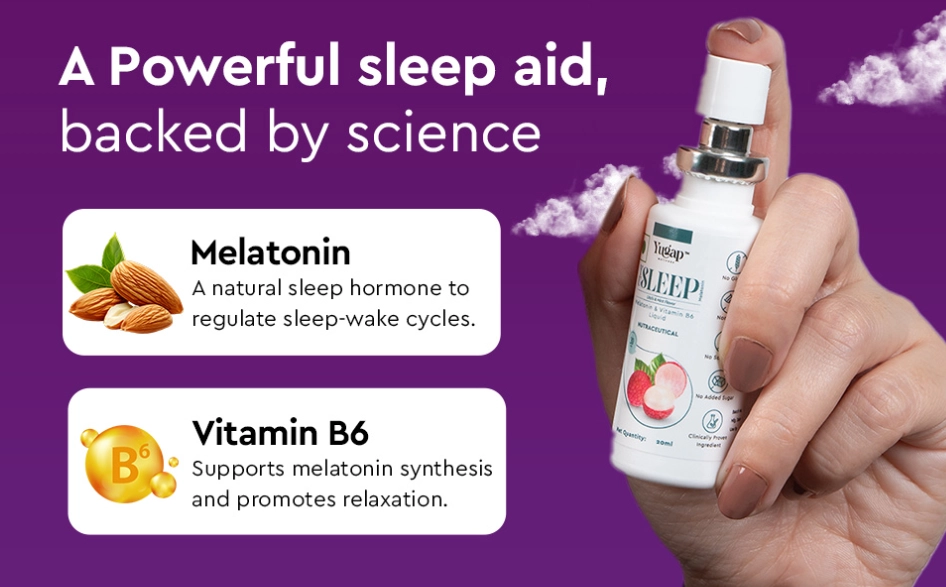
What's Inside This Guide
How Do Oral Sleep Sprays Actually Work?
Forget the complex biology for a second. Think of it like this: a pill has to go through your stomach, get digested, and then enter your bloodstream. A spray you take orally (usually under the tongue) uses the mucous membranes in your mouth. These membranes are packed with tiny blood vessels. The active ingredients dissolve in the spray and pass directly into those vessels. This is called sublingual or buccal absorption.
The result? A faster onset of action. You might feel effects in 15-30 minutes, compared to 45-60 minutes for some pills. It's not always about stronger effects, but quicker ones. This can be a game-changer for someone who lies in bed with racing thoughts. The quick delivery can help intercept that anxiety spiral before it takes over.
But here's the catch everyone misses: the speed depends entirely on the ingredient. A melatonin spray will work on your sleep-wake cycle. An L-theanine spray will promote relaxation. They work *differently*. The spray is just the delivery truck. What's inside the truck matters more.
Breaking Down the Key Ingredients
This is where you need to focus. The ingredient list tells you everything. Most sprays use a blend. Let's look at the usual suspects.
Pro Tip: Don't just look for the highest dose. Synergy between ingredients often matters more than a massive dose of one thing. A blend of 1mg melatonin, 200mg L-theanine, and some chamomile might work better for you than 5mg of melatonin alone.
Melatonin: The Rhythm Regulator
Melatonin is a hormone your body makes when it gets dark. Sprays often contain it to nudge your internal clock. The key here is dose. Many over-the-counter sprays offer 1mg to 3mg per serving. Research from sources like the National Center for Complementary and Integrative Health suggests lower doses (0.5mg-1mg) are often as effective as higher ones for resetting sleep timing, with fewer side effects like morning grogginess.
Common mistake? Using it as a knock-out pill. It's not. It tells your brain "it's night time." If you're using it at 3 AM after watching TV, you're using it wrong.
L-Theanine & Amino Acids
Found in green tea, L-theanine promotes alpha brain waves linked to relaxed alertness. It's excellent for quieting an anxious mind without sedation. I find sprays with L-theanine are better for people whose sleep problem starts with stress at 9 PM, not necessarily at midnight.
Herbal Extracts: Valerian, Chamomile, Lemon Balm
These are the traditional players. Valerian root has a strong, earthy taste (sprays sometimes mask it poorly). Evidence for its effectiveness is mixed but promising for some. Chamomile and lemon balm are gentler, often used for their mild calming properties. Think of them as support acts, not the main headliner.
| Ingredient | Primary Role | Typical Spray Dose | Best For... |
|---|---|---|---|
| Melatonin | Regulates sleep-wake cycle | 1mg - 3mg | Jet lag, delayed sleep phase, resetting schedule |
| L-Theanine | Promotes relaxation, reduces anxiety | 100mg - 200mg | Stress-related sleeplessness, racing thoughts |
| Valerian Root | Mild sedative effect | Extract equiv. to 300-500mg root | General difficulty falling asleep |
| GABA | Calms nervous system activity | 100mg - 300mg | Physical tension, overactive mind |
Safety, Side Effects, and Who Should Avoid Them
Because they're "natural" and sold over the counter, people assume they're 100% safe. That's not smart. Any substance that affects your brain chemistry deserves respect.
The most common side effect I've heard from people is morning grogginess, usually from sprays with higher-dose melatonin or valerian. Headaches or dizziness can happen, though it's rarer. The sublingual delivery can sometimes cause mild mouth irritation.
Here are the big red flags:
- Pregnancy/Breastfeeding: Just don't. There's not enough research.
- Autoimmune Diseases: Ingredients like melatonin can stimulate the immune system. Talk to your doctor.
- Taking Blood Thinners (like Warfarin): Valerian and chamomile might interact.
- Depression or Bipolar Disorder: Some ingredients can potentially affect mood. This is crucial and rarely discussed.
The biggest risk isn't the spray itself, but using it to ignore a bigger problem. Chronic insomnia often needs behavioral fixes (Cognitive Behavioral Therapy for Insomnia, or CBT-I, is the gold standard). A spray can become a crutch that delays addressing sleep hygiene, stress management, or an underlying health issue.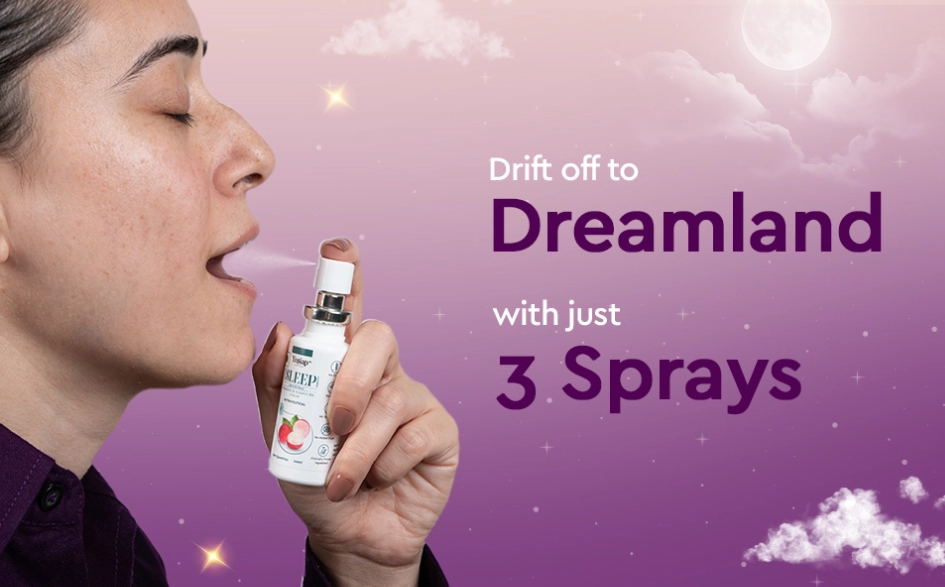
How to Choose an Oral Sleep Spray (A Practical Checklist)
Walking down the supplement aisle is overwhelming. Use this list.
First, identify your main sleep thief. Is it an inability to shut off your mind? Look for L-theanine, GABA. Is it an irregular schedule? Low-dose melatonin might be your friend. Is it just general restlessness? An herbal blend could work.
Second, scrutinize the label.
- Third-Party Testing: Look for seals from USP, NSF, or ConsumerLab.com. This verifies what's on the label is in the bottle and checks for contaminants.
- Full Disclosure: The label should list every ingredient and its amount. Avoid proprietary blends that hide doses.
- Artificial Additives: Skip sprays with lots of artificial colors, sweeteners, or preservatives. You don't need that under your tongue.
Third, consider the experience. Read reviews, but be skeptical. Look for comments on taste (some are bitter) and spray mechanism (does it mist or squirt?). A bad taste might make you consistent.
My personal take? I've tried a few. The ones with a strong artificial cherry flavor to mask valerian were worse than the mild, slightly herbal ones. The spray mechanism on one popular brand clogged after two weeks. These are the real-world details that matter.
The Right Way to Use a Sleep Spray for Best Results
Using it wrong wastes money and leads to disappointment.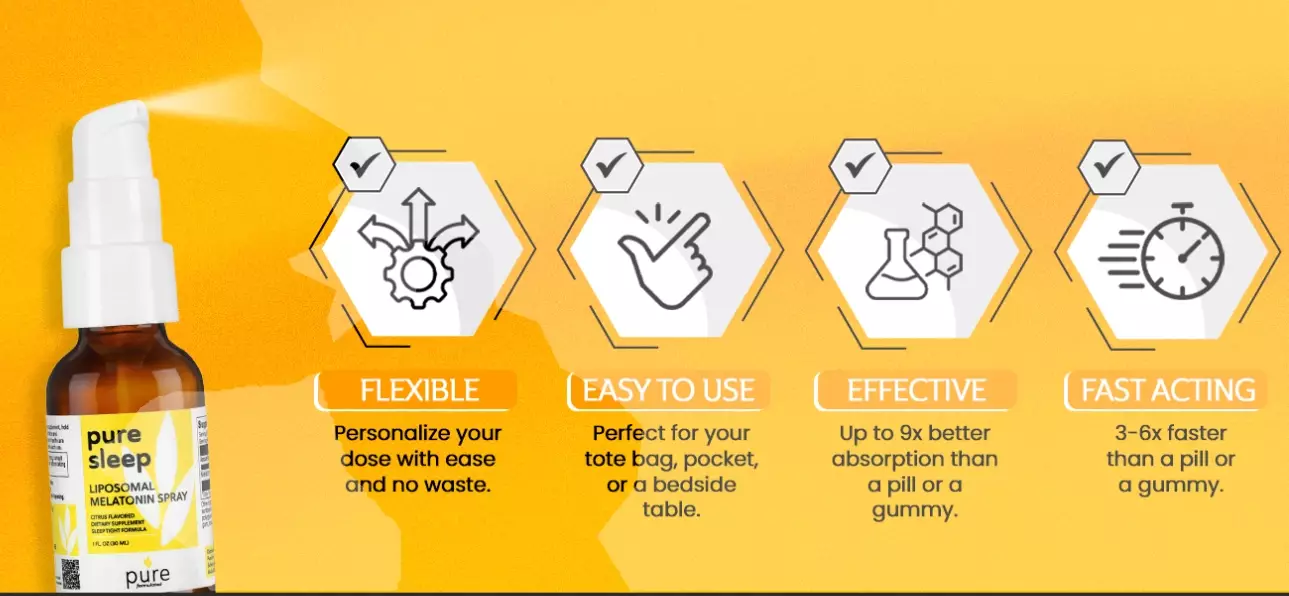
Timing is everything. Take it 20-30 minutes before you want to be asleep. Don't spray and then immediately scroll through your phone. The blue light tells your brain "daytime!" and fights the spray's effects. Make it part of a wind-down routine: spray, brush your teeth, read a book (a real one), lights out.
Technique matters. Shake the bottle. Spray the directed number of sprays under your tongue. Hold it there for 30-60 seconds before swallowing. This gives the membranes time to absorb it. Don't just spray and swallow immediately.
Start low. Especially with melatonin. Try one spray (often a half or full dose) for a few nights. See how you feel. You can always increase slightly, but starting high often leads to grogginess.
Cycle it. Don't use it every single night forever. Your body can build a tolerance, particularly to herbs like valerian. Use it 3-4 nights a week, or for specific situations like after a stressful day or when your schedule gets messed up. This helps maintain its effectiveness.
Your Top Questions on Sleep Sprays Answered
 How long can I safely use an oral sleep spray?
Reader Comments