You've tried counting sheep, turning off screens, maybe even pricey supplements. Sleep still feels just out of reach. That's where a deep sleep pillow mist comes in. It's not magic in a bottle, but it might be the simplest, most pleasurable sleep aid you haven't tried correctly yet. This guide cuts through the hype and gives you the straight facts on how pillow sprays work, what to look for, and how to use them to actually improve your sleep quality.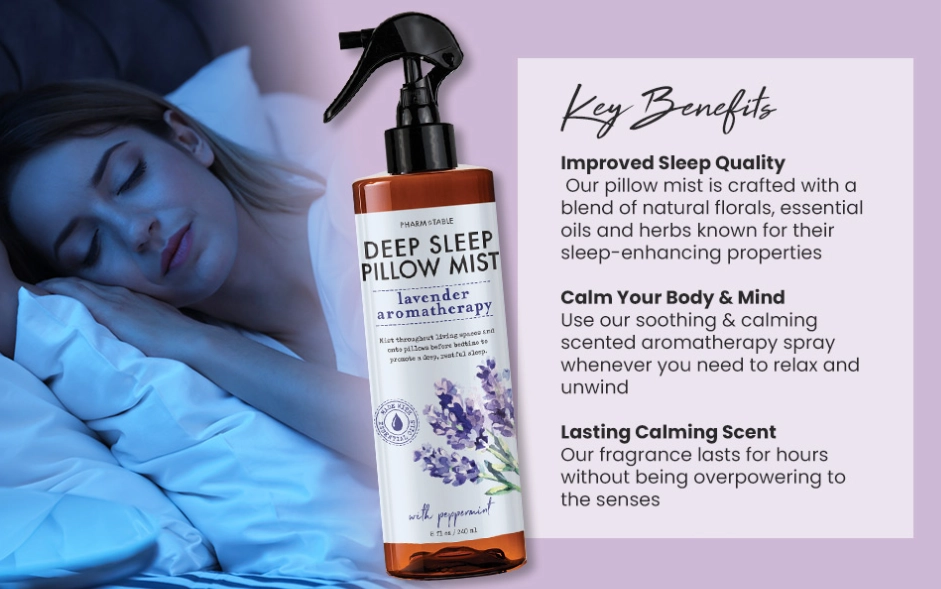
Your Quick Guide to Better Sleep
- How Does Deep Sleep Pillow Mist Actually Work?
- Key Ingredients: What's Really in the Bottle?
- How to Use Pillow Mist for Maximum Effect
Choosing the Right Product for You - Common Mistakes People Make (And How to Avoid Them)
- Beyond the Mist: Pairing with Sleep Hygiene
- Your Deep Sleep Pillow Mist Questions Answered
How Does Deep Sleep Pillow Mist Actually Work?
Forget the idea of a "sleep knockout spray." A deep sleep pillow mist works with your biology, not against it. The core mechanism is aromatherapy. When you spray the fine mist onto your pillow and bedding, you inhale the volatile essential oil molecules. These molecules travel directly to your olfactory system, the part of your brain linked to emotion, memory, and the autonomic nervous system (which controls things like heart rate and stress).
Think of it as a signal to your brain's panic button. Scents like lavender and chamomile send a calming, "all is safe" signal. This can help lower cortisol (the stress hormone) and gently encourage the production of relaxing neurotransmitters. The National Sleep Foundation notes that aromatherapy can be a useful component of a relaxing bedtime routine. It's a conditioning tool. Over time, your brain starts to associate that specific, calming scent with the act of winding down and sleeping. Spray it, and your mind gets the memo: it's time to switch off.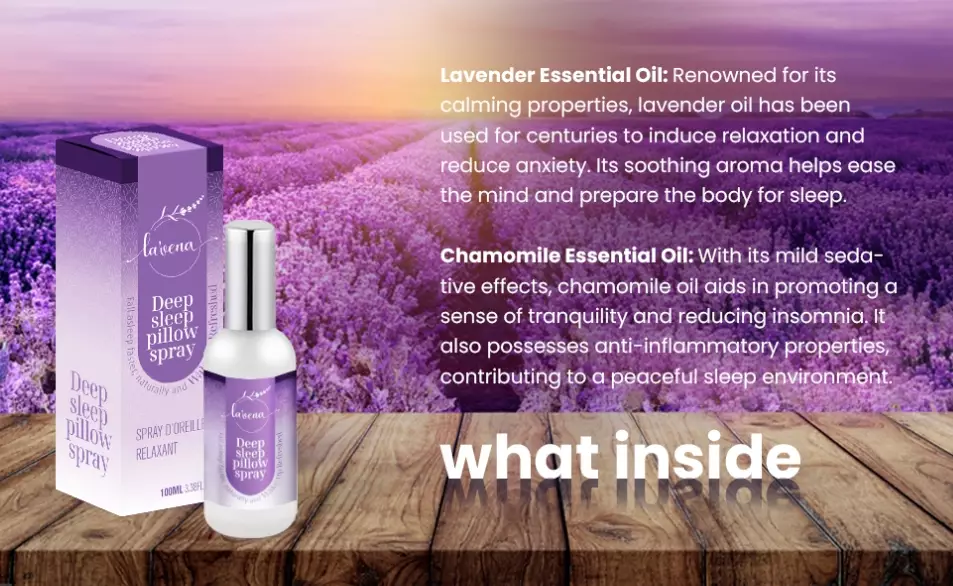
Key Ingredients: What's Really in the Bottle?
Not all pillow mists are created equal. The difference between a glorified room spray and an effective sleep aid is in the ingredients. Here’s a breakdown of what you’ll typically find and what each does.
| Ingredient | Primary Role | What to Know / The Expert Angle |
|---|---|---|
| Lavender (Lavandula angustifolia) | Anxiety reduction, promotes relaxation | This is the gold standard. Research, including a study cited by the NCCIH, suggests it can improve sleep quality. But the species matters – true lavender is calming, while spike lavender can be stimulating. |
| Roman Chamomile | Gentle sedative, soothes nerves | Excellent for those whose insomnia is linked to an overactive, chattering mind or mild digestive unrest before bed. |
| Bergamot | Uplifting yet calming, reduces stress | A fantastic choice if your sleeplessness stems from low mood or melancholy at night. It's citrusy but non-stimulating. |
| Vetiver | Grounding, "earthing" effect | If you feel scattered, anxious, or "ungrounded," vetiver is like an anchor. Its earthy scent is powerful and polarizing – you'll either love it or hate it. |
| Cedarwood | Promotes deeper, more restful sleep stages | Thought to support the pineal gland, which regulates melatonin. It has a warm, woody scent that blends well with lavender. |
| Carrier (like Distilled Water, Witch Hazel) | Dilutes essential oils for safe use | Never apply undiluted essential oils directly to fabric or skin. A proper mist uses a gentle carrier. Witch hazel helps the mist dry quickly without dampness. |
My personal non-consensus take? Many mass-market sprays use synthetic fragrance oils or a tiny drop of real oil drowned in alcohol and water. They smell nice but lack therapeutic potency. Look for brands that list the Latin names of plants (like *Lavandula angustifolia*) – it's a sign they're using the real stuff.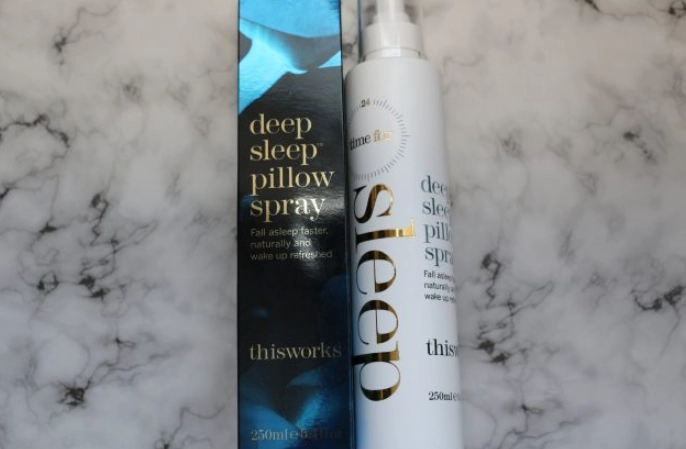
How to Use Pillow Mist for Maximum Effect
Spraying haphazardly won't cut it. To make your deep sleep pillow mist work, you need a ritual.
The 5-Minute Pre-Bed Protocol
About 30 minutes before you want to be asleep, start your wind-down. Put your phone away. Then, with your mist:
- Shake the bottle gently. Oils and water can separate.
- Hold it 6-8 inches from your pillow. Don't soak it. Aim for 3-4 light spritzes across the middle third, where your head and neck will be.
- Don't forget the air. Give one or two sprays into the air above your bed. This creates a scent cloud you'll move through.
- Inhale deeply once. As you spray, take one conscious, deep breath. Let that be the cue to your body.
- Let it settle. Give it a minute to dry slightly before laying your head down. This prevents any potential skin sensitivity.
Imagine this scenario: Sarah's mind races with work emails after lights out. Her routine? At 10 PM, she sprays her lavender-chamomile mist. The act itself forces a pause. The scent fills the space. By the time she gets into bed, the room smells like a calm sanctuary, not a stressful office. The association is now so strong that the scent alone triggers a physical relaxation response.
Choosing the Right Product for You
With dozens of brands, how do you pick? Don't just grab the prettiest bottle.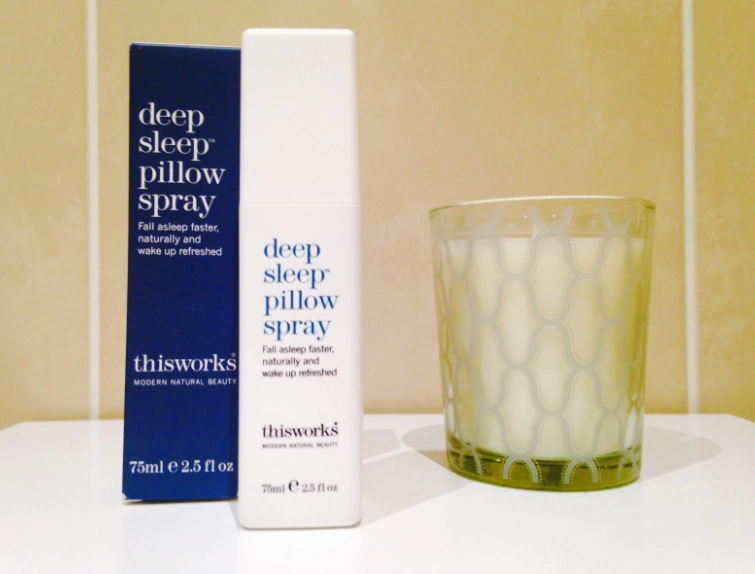
First, identify your sleep thief. Are you anxious? Look for lavender and vetiver. Restless and mind-racing? Chamomile and cedarwood. Feeling down? Bergamot might help.
Check the ingredient list. As mentioned, real essential oils should be listed. Avoid products with "parfum" or "fragrance" as the main scent source if you're after therapeutic benefits.
Consider the carrier. Witch hazel or vegetable glycerin bases are better than just water and alcohol, which can evaporate too quickly or damage fabrics over time.
Start simple. A blend of just lavender and chamomile is a classic for a reason. It works for most people. You can explore more complex blends later.
I made a mistake early on buying a cheap, strongly perfumed mist. It gave me a slight headache. Investing in a quality, natural formula made all the difference—not just for sleep, but for the whole experience.
Common Mistakes People Make (And How to Avoid Them)
Here’s where that "10-year expert" advice comes in. I've seen these errors undermine the effectiveness of a good pillow spray.
- Mistake 1: Using it as an emergency fix. Spraying frantically at 2 AM when you can't sleep is too late. The power is in the consistent, pre-emptive ritual.
- Mistake 2: Drenching the pillow. More is not better. A soaked pillow can be unpleasant, dilute the scent, and potentially cause mildew. Light misting is key.
- Mistake 3: Ignoring scent preference. If you hate the smell of patchouli, a mist containing it will stress you out, not calm you down. Your personal like/dislike is crucial.
- Mistake 4: Expecting a drug-like effect. It's a subtle aid, not a sedative. It sets the stage for sleep but won't forcibly knock you out if you're drinking coffee at 9 PM.
- Mistake 5: Not pairing it with other good habits. The mist is a brilliant supporting actor, not the sole star of your sleep show.

Beyond the Mist: Pairing with Sleep Hygiene
Your deep sleep pillow mist works best as part of a team. Think of it as the star player in your sleep hygiene lineup.
Use it alongside these proven strategies: keep your room cool and dark, establish a consistent sleep schedule (even on weekends), and avoid heavy meals and blue light from devices at least an hour before bed. The mist becomes the sensory anchor for all these other good behaviors.
One friend of mine combined her mist with 5 minutes of simple breathing exercises after spraying. The scent became inextricably linked to the state of deep relaxation from the breathing, doubling the effect.
Your Deep Sleep Pillow Mist Questions Answered
 My pillow mist stopped working after a few weeks. What happened?
Reader Comments