Quick Navigation
- The Science Behind the Snooze Button Grogginess
- Meet Sleep Inertia: The Culprit of Morning Fog
- Factors That Make Snoozing Better or Worse
- How to Actually Wake Up Feeling Refreshed (Without the Snooze)
- What If You Absolutely Must Snooze?
- Special Cases and Common Questions
- Breaking Down the Effects: A Quick Comparison
- Wrapping It Up: The Bottom Line on Snoozing
You know the feeling. The alarm blares at 7 AM. You’re in that warm, fuzzy place between dreams and reality. Your hand, moving on its own, slaps the snooze button. Nine more minutes. Bliss. But when that second alarm goes off, dragging you out of bed for real, you feel worse. Heavier. Foggier. More tired than when the first alarm sounded. It’s a universal experience, and it begs the question: does waking up and going back to sleep make you more tired?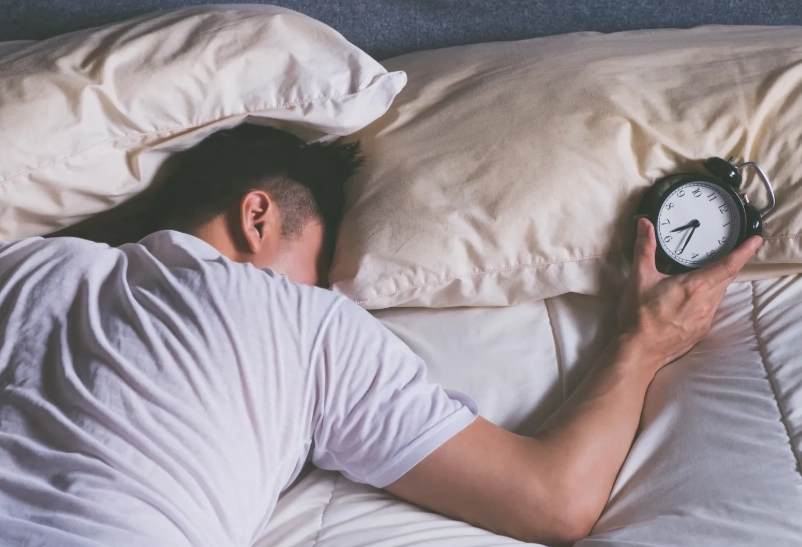
I’ve been there more times than I care to admit. I used to think those extra nine-minute slices were precious stolen moments of rest. They felt so necessary. But my mornings were a struggle, a groggy battle against a brain wrapped in cotton wool. It wasn't until I started digging into the science that I realized I was basically sabotaging my own day, right from the start.
The Science Behind the Snooze Button Grogginess
To really understand why hitting snooze can backfire, you need a quick primer on how sleep works. We don’t just sleep in one long, flat line. Our sleep is organized into cycles, each lasting about 90 to 110 minutes. Each cycle is made up of different stages: light sleep (stages 1 & 2), deep sleep (stage 3), and REM (Rapid Eye Movement) sleep, where most dreaming happens.
When your first alarm goes off, it’s catching you at a random point in one of these cycles. If you’re in a light sleep stage, waking up might be relatively easy. But if you drift back to sleep, your brain doesn’t just pause. It tries to start a brand new sleep cycle.
Here’s the kicker: a full, restorative sleep cycle takes that full 90+ minutes. Your nine-minute snooze button window? It’s barely enough time to dip your toes into the very beginning of a new cycle—often the lightest stage of sleep (Stage 1). You're not getting any meaningful, restorative sleep in that time. Instead, you're just confusing your brain's internal systems.
Meet Sleep Inertia: The Culprit of Morning Fog
This phenomenon of grogginess and impaired performance right after waking has a proper scientific name: sleep inertia. Think of it like your brain's engine being cold. It needs time to warm up and transition from sleep mode to full waking consciousness.
Sleep inertia is strongest when you are awakened from deep sleep (Stage 3). But here’s the thing—interrupting a newly initiated sleep cycle can also trigger or prolong it. So, when you wake up at 7 AM, you might have some mild inertia. But when you force yourself back into sleep for a few minutes and then shock your system awake again at 7:09, you’re essentially giving yourself a second, often stronger, dose of sleep inertia. You're resetting the warm-up clock and then yanking the cord out immediately.
This is a core reason why the answer to "does waking up and going back to sleep make you more tired?" is often a resounding yes. You're fragmenting your sleep and subjecting yourself to multiple sleep inertia attacks.
Factors That Make Snoozing Better or Worse
It’s not a simple "always bad" rule, though the deck is stacked against the snooze button. A few things influence just how rough that second wake-up will be.
- Your Sleep Debt: If you’re chronically sleep-deprived, any sleep—even fragmented, light sleep—might feel momentarily beneficial. But it’s a band-aid on a broken leg. The underlying exhaustion and the sleep inertia from the fragmented wake-up will still be there.
- Timing Within Your Cycle: This is pure luck. If your first alarm catches you at the very end of a cycle, near your natural waking point, going back to sleep might be less disruptive. But since you can't control or know this, it's a gamble.
- The Length of Your Snooze: A 9-minute snooze is arguably the worst. It’s too short for meaningful sleep but long enough to initiate a new cycle. A longer, 90-minute snooze would let you complete a full cycle, but let's be real—who does that on a workday?
- Your Chronotype: Night owls often have a harder time with morning alertness and may feel the effects of fragmented sleep more acutely than early birds.
Look, the research is pretty clear on this. A study published by the Sleep Foundation consistently highlights the negative impact of fragmented sleep on daytime alertness and cognitive function. While hitting snooze might feel good in the moment, it disrupts the natural sleep architecture your brain and body count on for restoration.
How to Actually Wake Up Feeling Refreshed (Without the Snooze)
Knowing why snoozing is problematic is one thing. Actually stopping the habit is another. It’s a tough addiction to break. Here’s what worked for me and what science suggests.
Consistency is king. Going to bed and waking up at roughly the same time every day—yes, even on weekends—trains your internal body clock (circadian rhythm). This makes waking up feel more natural and less of a shock.
Let’s talk about the alarm itself. Place your phone or alarm clock across the room. The physical act of getting up to turn it off dramatically increases your chances of staying up. There are also alarms that use light (simulating sunrise) or require you to solve a puzzle to turn them off. Anything that forces engagement beyond a lazy arm swipe.
What do you do once you're up? Don't just stumble to the coffee maker. Get bright light exposure immediately. Open the curtains. Step outside for a minute. Light is the strongest signal to your brain that it's time to shut down melatonin production and ramp up for the day. It helps clear sleep inertia faster.
Have a glass of water. You're mildly dehydrated after a night's sleep. Hydration helps your brain function. Then, move your body. Some light stretching, a few squats, anything to get blood flowing. It feels awful for the first 30 seconds, but it tells your body the sleep time is over.
What If You Absolutely Must Snooze?
I get it. Some days, the willpower just isn't there. If you must hit snooze, try to make it a single, deliberate event. Set your alarm for the latest possible time you can get up. Then, set a second alarm for 5 minutes earlier. When that first one goes off, you have a conscious choice: get up now, or hit snooze for one 5-minute buffer.
This is different from the chaotic multiple-snooze strategy. It gives you a small safety net without completely fragmenting your sleep. The shorter time frame is less likely to plunge you into a new sleep cycle. But honestly, it's still a compromise. The goal is to wean yourself off it.
Special Cases and Common Questions
What about waking up naturally, then deciding to sleep more?
This is a bit different from an alarm interruption. If you wake up naturally near the end of a sleep cycle and feel rested, but have no obligations, drifting back to sleep might be fine. The key is the "natural" and "feel rested" part. You're not shocking your system. However, if you do this for hours, you can still risk entering a new deep sleep cycle and waking up groggy later. It’s why long weekend "catch-up" sleeps can sometimes leave you feeling worse.
Does the same apply to night shift workers or parents?
Absolutely, and it's even harder for them. For shift workers or new parents, sleep is often forced into fragmented chunks out of necessity. In these cases, any sleep is valuable. The principle of sleep inertia and fragmented sleep still applies—a 20-minute nap between baby feedings might end with intense grogginess. The advice shifts from "avoid fragmentation" to "manage the aftermath." Planning a short wind-down period after a fragmented sleep session to shake off the inertia before needing to be fully functional can help.
I remember talking to a nurse friend who worked nights. She said her biggest mistake was trying to run errands right after waking up from her daytime sleep. She’d be in a fog, making dumb decisions. Once she built in a solid 30-minute "brain boot-up" time with light and water, her post-sleep functioning improved.
Breaking Down the Effects: A Quick Comparison
Sometimes it helps to see it laid out side-by-side.
| Scenario | What Happens in Your Sleep | Likely Morning Feeling |
|---|---|---|
| Waking up at alarm (no snooze) | One dose of sleep inertia. Your brain begins its normal wake-up transition. | Groggy for 15-30 minutes, then gradually more alert. |
| Waking up, snoozing for 9-min, waking again | First dose of inertia, then a new sleep cycle is barely started and aborted, causing a second, often stronger dose of inertia. | Very groggy, foggy, and tired for an hour or more. The feeling that "does waking up and going back to sleep make you more tired?" is strong. |
| Waking up naturally at end of cycle | Minimal sleep inertia. Your brain is already near the waking state. | Most alert and refreshed. This is the ideal we aim for with consistent sleep schedules. |
| Long, fragmented sleep (e.g., new parent) | Multiple sleep initiations and interruptions, preventing deep, restorative sleep cycles. | Chronic exhaustion and brain fog, with persistent tiredness throughout the day. |
Wrapping It Up: The Bottom Line on Snoozing
So, let's circle back to the big question. Does waking up and going back to sleep make you more tired? For the vast majority of people, in the typical alarm-clock-snooze-button scenario, yes, it does.
It's not the extra few minutes of light sleep that are the problem. It's the brutal interruption of your sleep architecture, the triggering of multiple rounds of sleep inertia, and the confusion you create for your brain's wake-up systems. That heavy, groggy feeling is real, and it has a direct cause.
The path to better mornings isn't about finding the perfect snooze interval. It's about respecting your sleep. Get enough of it, be consistent with your timing, and when it's time to wake up, commit. Get up, get light, get moving. The first few days of breaking the snooze habit are tough—I won't lie. Your brain will rebel. But after a week or so, you might find that waking up becomes less of a battle, and that morning fog starts to lift a little faster.
It’s a small change with a potentially big impact on how you start every single day. And isn't that worth trying?
Reader Comments