Quick Guide
- The Brain on No Sleep: It's More Than Just Feeling Tired
- The Slippery Slope: From Fatigue to Breakdown
- Sleep Deprivation and Specific Mental Health Conditions
- So, What Can You Actually Do About It?
- Common Questions People Are Too Afraid to Ask
- Wrapping This Up: Sleep is Your Mental Health Foundation
You ever have one of those nights where you just can't switch off? Mind racing, clock watching, feeling exhausted but wired. We've all been there. A bad night here and there is rough, but manageable. You drink an extra coffee, push through, and hope to catch up later. But what happens when "later" never comes? When those single restless nights string together into weeks, or even months, of chronic sleep deprivation? That's when people start whispering a scary question, often in the dead of another sleepless night: can lack of sleep cause a mental breakdown?
It's not just an idle worry. You feel it. The raw nerves, the short fuse, the fog that makes simple decisions feel impossible. The line between "really tired" and "not coping" starts to blur. I remember talking to a friend who was pulling 60-hour weeks for a startup. He said after month three of averaging four hours a night, he started crying at a completely normal work email. Not out of sadness, but out of a sheer, overwhelming inability to process one more demand. That was his wake-up call (pun intended).
So let's cut through the noise and the quick-fix advice. This isn't about telling you to drink chamomile tea. We're going to dig into the gritty, scientific, and very real connection between a brain that never gets proper rest and a mind that feels like it's on the brink. Is the phrase "mental breakdown" clinical? Not exactly. But what it describes—a state of acute psychological crisis where someone can't function normally—is terrifyingly real. And sleep, or the brutal lack of it, is almost always a central character in that story.
The Brain on No Sleep: It's More Than Just Feeling Tired
To understand if a lack of sleep can cause a mental breakdown, you need to picture what's happening inside your skull when you're chronically sleep-deprived. It's not just an empty battery; it's a system in chaos.
Your brain uses sleep as its maintenance period. This is when it clears out metabolic waste (think of it as taking out the neuro-trash), consolidates memories, and regulates the chemicals that govern your mood. The most famous of these chemicals are serotonin and dopamine, your feel-good messengers. But another critical player is the amygdala—your brain's alarm center for fear and threat.
Sleep Deprivation and the Amygdala Hijack
Research from places like the National Institute of Mental Health (NIMH) shows that sleep loss hyper-activates the amygdala. Meanwhile, the prefrontal cortex—the part of your brain that acts as the rational, calm CEO making decisions and regulating emotions—gets sluggish. It's like your brain's alarm system is stuck on full volume with the off switch broken.
The result? You become emotionally raw. A minor criticism feels like a brutal attack. A small setback seems like a catastrophic failure. Your emotional responses are disproportionate and harder to control. This is stage one of the descent. You're not having a breakdown yet, but your emotional stability is now running on faulty, sleep-deprived wiring. This state primes you for more severe psychological issues. It directly raises the question: can prolonged lack of sleep cause a mental breakdown? The evidence suggests it builds the perfect storm for one.
The Hormone Carnival: Cortisol and Melatonin
Then there's the hormone circus. Sleep deprivation sends your stress hormone, cortisol, soaring. High cortisol over long periods is terrible for you—it's linked to anxiety, depression, and impaired cognitive function. At the same time, the production of melatonin, the hormone that regulates your sleep-wake cycle, gets thrown off. So you're too wired to sleep, which makes you more stressed, which makes it harder to sleep. It's a classic negative feedback loop from hell.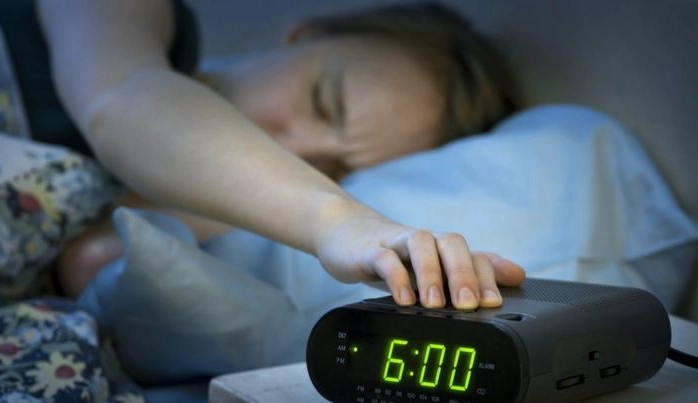
Your brain also struggles to produce adequate serotonin. Low serotonin is a key factor in depression. So you're looking at a chemical recipe that includes emotional volatility (amygdala), high stress (cortisol), and low mood (serotonin). Put simply, a brain denied sleep is a brain set up for a psychological crisis.
The Slippery Slope: From Fatigue to Breakdown
It rarely happens overnight. A mental breakdown from sleep deprivation is usually a gradual process, a series of steps down a dark staircase. Recognizing these steps can be the key to stopping the fall.
| Stage | What It Feels Like | Common Signs & Symptoms | The Mental Health Risk |
|---|---|---|---|
| Stage 1: The Debt Phase | "I'm just tired." You rely on caffeine and adrenaline. Mood is a bit low, patience is thin, but you're functional. | Yawning, craving stimulants, mild irritability, slower reaction times. | Increased baseline stress. Minor anxiety may appear. |
| Stage 2: Emotional Erosion | "Why am I so on edge?" The amygdala hijack is real. Small things trigger big reactions. You feel overwhelmed by normal tasks. | Snapping at loved ones, crying easily, feeling anxious for no clear reason, pervasive pessimism. | Significant risk for developing an anxiety disorder or exacerbating underlying mood issues. |
| Stage 3: Cognitive Breakdown | "I can't think straight." Brain fog is constant. Memory fails. Making a simple decision feels paralyzing. Work and life start to suffer noticeably. | Forgetting appointments, inability to focus, poor judgment, feeling detached or "in a dream." | |
| Stage 4: The Crisis Point | "I can't do this anymore." The system overloads. Coping mechanisms collapse. This is where the term "breakdown" is often used. | Panic attacks, intense depressive episodes (unable to get out of bed), paranoia, depersonalization (feeling outside your body), or in severe cases, hallucinations or psychotic symptoms. | High risk for acute psychiatric episodes requiring intervention. This is the clear answer to can lack of sleep cause mental breakdown—yes, it can culminate here. |
Looking at that table, it's clear that can lack of sleep cause mental breakdown isn't a yes/no question. It's a process. Most people catch themselves in Stage 2 or 3. But for those who push through—due to work pressure, caregiving, insomnia disorders, or just plain stubbornness—Stage 4 is a real and dangerous possibility.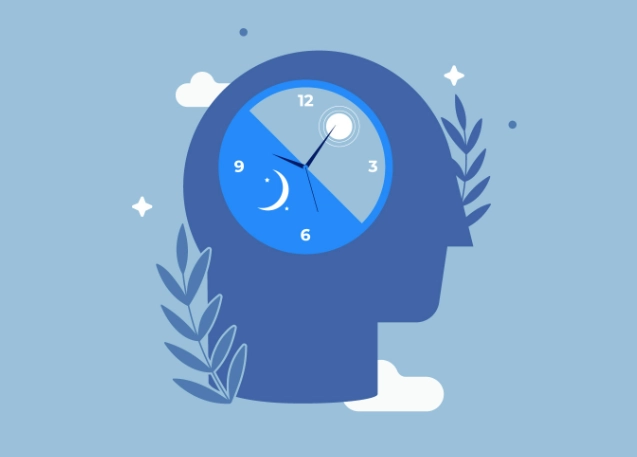
Sleep Deprivation and Specific Mental Health Conditions
To really grasp the link, let's see how sleep intertwines with specific diagnoses. The relationship is almost always a two-way street: the condition disrupts sleep, and poor sleep worsens the condition.
Anxiety Disorders
This is the most direct link. Anxiety is characterized by a hyper-aroused nervous system. Sleep deprivation is a state of physical and mental hyper-arousal. It's a perfect match. Lack of sleep makes you more likely to interpret neutral situations as threats, fueling generalized anxiety and panic attacks. The American Psychiatric Association notes that sleep disturbance is a core symptom of most anxiety disorders. Asking if can lack of sleep cause a mental breakdown for someone with anxiety is almost rhetorical—it's often the final push.
Depression
The link here is profound. Insomnia is not just a symptom of depression; it's a major risk factor for developing it. People with insomnia are far more likely to develop major depressive disorder. The broken sleep cycle disrupts the neurotransmitter balance essential for mood regulation. Furthermore, the exhaustion and hopelessness that come with chronic sleeplessness feed directly into depressive thoughts. It feels like, "I can't even sleep, how can I possibly fix my life?"
Bipolar Disorder
For individuals with bipolar disorder, sleep loss is particularly dangerous. It is one of the most potent known triggers for manic episodes. A period of reduced sleep can quickly spiral into the heightened energy, risky behavior, and distorted thinking characteristic of mania. Maintaining a strict sleep schedule is often the first line of defense in managing bipolar disorder.
Psychosis
In extreme, prolonged cases, severe sleep deprivation can induce psychotic symptoms like hallucinations and paranoia in otherwise healthy individuals. This is well-documented in studies on sleep deprivation. For those predisposed to psychotic disorders like schizophrenia, lack of sleep is a major trigger for episodes. This is where the connection between sleep loss and a complete break from reality becomes starkly clear.
So, What Can You Actually Do About It?
Knowing the problem is one thing. Fixing it when you're in the thick of it feels impossible. The advice "just sleep more" is about as useful as telling a drowning person to "just breathe air." Here’s a more layered approach, moving from immediate crisis to long-term stability.
If You're in the Breakdown Zone (Stage 4)
This is beyond DIY fixes.
- Seek Professional Help Immediately. This is the priority. Contact a therapist, psychiatrist, or go to a crisis center. A mental health professional can provide stabilization, which may include short-term medication to break the cycle of anxiety/insomnia and help you achieve some restorative sleep.
- Remove the Pressure. If possible, step away from the major stressor (take medical leave from work, share caregiving duties). Your goal is survival and stabilization, not productivity.
- Focus on Basic Biological Needs. Don't worry about 8 hours. Can you eat something nutritious? Can you drink water? Can you sit or lie down in a dark, quiet room? Start there.
If You're on the Slippery Slope (Stages 2 & 3)
This is where you have the most power to change course.
- Treat Sleep as a Medical Priority. Schedule it like a critical appointment. Cancel non-essential things that cut into your sleep window.
- Master Sleep Hygiene (It's Boring, It Works).
- Light is Key: Get bright light first thing in the morning. Dim lights and avoid screens 90 minutes before bed. Consider blue light blockers.
- Temperature: A cool room (around 65°F/18°C) is ideal for sleep.
- The Bed is for Sleep (and Sex): No work, no doomscrolling, no stressful conversations in bed. Train your brain that bed = sleep.
- Wind-Down Routine: Create a 45-minute buffer of calm activity—reading a physical book, light stretching, listening to calm music.
- Address the "Why." Are you not sleeping because of stress? Anxiety? Pain? An undiagnosed sleep disorder like sleep apnea or restless leg syndrome? A visit to your doctor or a sleep specialist is crucial. Treating underlying sleep apnea, for instance, can be life-changing.
Long-Term Mindset Shifts
We need to change how we view sleep culturally. It's not a sign of laziness; it's the foundation of mental resilience. Prioritizing sleep is a sign of strength and smart self-management, not weakness. Challenge the hustle culture that glorifies burnout. Your mental health is worth more than that extra hour of late-night work.
Common Questions People Are Too Afraid to Ask
Let's tackle some of the real, raw questions that come up when you're searching this topic in a state of desperation.
How little sleep does it take to potentially cause a breakdown?
There's no magic number. It depends on your baseline health, genetics, and stress load. However, consistently getting less than 6 hours per night is considered sleep deprivation by the American Academy of Sleep Medicine and significantly increases risks for adverse health outcomes, including psychiatric ones. The danger is in the consistency of poor sleep, not just one all-nighter.
Are the effects of sleep deprivation on the brain permanent?
Thankfully, the brain has remarkable plasticity. Most of the emotional, cognitive, and chemical disruptions caused by sleep deprivation are reversible with consistent, quality sleep. This is the hopeful part. By prioritizing sleep, you are literally healing your brain. However, chronic sleep issues over many years may contribute to long-term risks like dementia, which is why addressing it early is so vital.
I have insomnia. Does this mean I'm destined for a breakdown?
Absolutely not. Having insomnia means you are at a higher risk and need to be more proactive, not doomed. The key difference is between experiencing insomnia and passively suffering with it versus actively managing it with professional help, good sleep hygiene, and potentially cognitive behavioral therapy for insomnia (CBT-I), which is the gold standard treatment. Taking action changes the entire trajectory.
Can catching up on sleep on weekends fix the damage?
Not really. While weekend recovery sleep is better than nothing, it doesn't fully reverse the metabolic, cognitive, and emotional toll of a week of sleep debt. It's like eating junk food all week and having a salad on Sunday. Your brain and body thrive on consistency. A regular sleep schedule is far more protective than a chaotic one with occasional long sleeps.
Wrapping This Up: Sleep is Your Mental Health Foundation
So, can lack of sleep cause a mental breakdown? Looking at the science, the stages, and the personal stories, the answer is a resounding yes. It can be the primary trigger or the critical factor that pushes someone from struggling to collapsing. The mechanism—amygdala hijacking, hormonal chaos, and cognitive erosion—is well-established.
But here's the crucial flip side: prioritizing sleep is one of the most powerful acts of mental health prevention and recovery you can do. It's not a luxury or a sign of indulgence. It's basic maintenance for the most complex organ in your body.
If you're reading this while exhausted, please hear this: your irritability, your fog, your feeling of being on edge—they are not character flaws. They are symptoms of a biological deficit. Treat them as such. Start small. Talk to your doctor. Dim your lights tonight. Forgive yourself for needing rest. In a world that never sleeps, choosing to prioritize your own rest might be the most radical and necessary thing you do for your mind. Don't wait for a breakdown to be your teacher. Let the science be your guide instead.
Reader Comments