Let's cut to the chase: effective sleep disorder treatment isn't about finding a magic pill. It's a personalized, multi-faceted process that addresses the root cause of your broken sleep. Whether you're battling insomnia, suspect sleep apnea, or your internal clock is completely out of sync, the right treatment plan can bring lasting change. This guide strips away the fluff and gives you the actionable roadmap I've seen work for countless patients, moving beyond generic advice to the specific strategies that make a difference.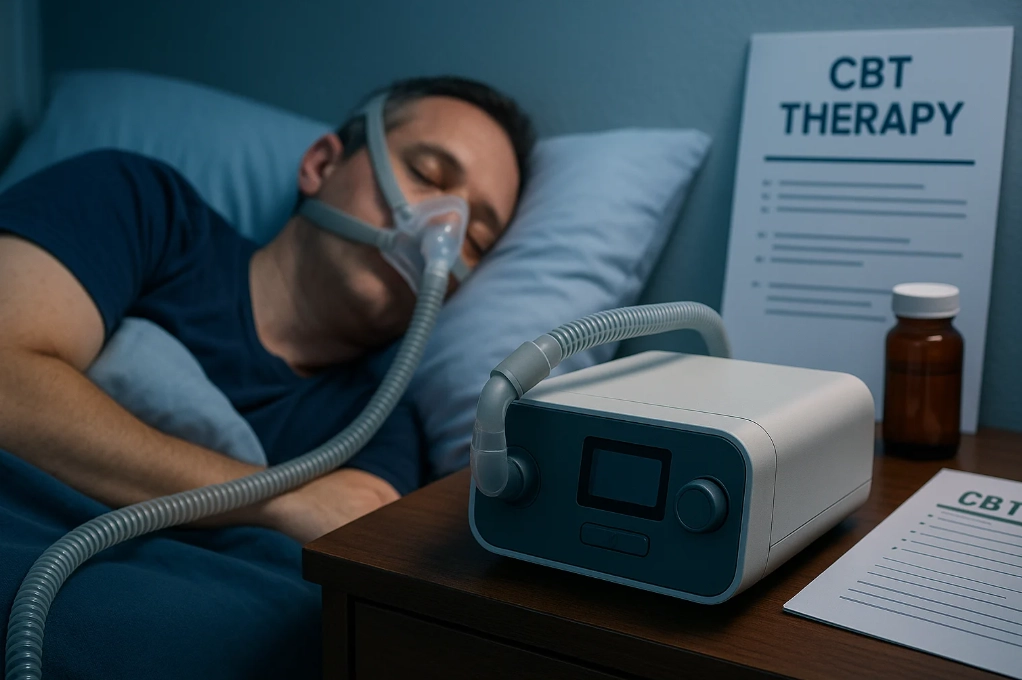
What You'll Find in This Guide
- What Sleep Disorder Treatment Really Means (And What It Doesn't)
- How Are Sleep Disorders Diagnosed?
- Mainstream Sleep Disorder Treatment Options: A Practical Overview
- How to Choose the Right Sleep Disorder Treatment Plan?
- Common Pitfalls and Misconceptions in Sleep Disorder Treatment
- Your Sleep Disorder Treatment Questions Answered (FAQ)
What Sleep Disorder Treatment Really Means (And What It Doesn't)
When people search for sleep disorder treatment, many are hoping for a quick fix. A prescription. A device they can turn on. And while those can be part of the solution, the most effective treatment is often a management strategy. It's about retraining your brain and body for sleep, correcting physiological malfunctions, and creating an environment where rest can happen naturally.
Treatment isn't just about the hours you're unconscious. It's about improving sleep quality, reducing daytime fatigue, and lowering the health risks associated with chronic poor sleep, like hypertension and depression. A good treatment plan is collaborative—you work with a specialist, but you're the one implementing the daily changes.
How Are Sleep Disorders Diagnosed?
You can't treat what you haven't identified. Jumping straight to over-the-counter sleep aids is like putting a bandage on a broken arm. The first, non-negotiable step is a proper diagnosis.
This usually starts with a detailed sleep history and a diary. Your doctor (often a sleep specialist, pulmonologist, or neurologist) will ask about your bedtime routine, how long it takes to fall asleep, how often you wake up, snoring, leg sensations, and daytime function. They'll rule out underlying conditions like thyroid issues or anxiety.
For many disorders, the gold standard is a polysomnogram (a sleep study). You might do this in a lab or, increasingly, at home with simplified devices. This test monitors your brain waves, oxygen levels, heart rate, breathing, and leg movements. It can definitively diagnose sleep apnea, periodic limb movement disorder, and narcolepsy.
For circadian rhythm disorders, a sleep diary combined with actigraphy (wearing a motion-sensing watch) is key to mapping your sleep-wake patterns against your desired schedule.
Mainstream Sleep Disorder Treatment Options: A Practical Overview
Treatment is highly specific to the disorder. What cures one can worsen another. Here’s a breakdown of the most common, evidence-based approaches.
| Disorder | First-Line Treatment | Other Effective Options | Key Considerations / What to Expect |
|---|---|---|---|
| Insomnia | Cognitive Behavioral Therapy for Insomnia (CBT-I). This is the gold standard, recommended by the American Academy of Sleep Medicine. It combines cognitive therapy, sleep restriction, stimulus control, and relaxation techniques. | Short-term use of prescription sleep medications (like zolpidem, eszopiclone) or dual-orexin receptor antagonists (like suvorexant). Some find relief with melatonin (timing and dose are critical). | CBT-I requires effort over 6-8 weeks. It’s not about “trying harder” to sleep, but changing behaviors and thoughts around sleep. Medications are a bridge, not a long-term solution due to tolerance and dependency risks. |
| Sleep Apnea | Positive Airway Pressure (PAP) Therapy (CPAP, APAP, BiPAP). A machine delivers gentle air pressure through a mask to keep your airway open. | Oral appliance therapy (mandibular advancement devices), positional therapy, weight loss, and in some cases, surgery (like Inspire implant or UPPP). | CPAP success hinges on mask fit and comfort. It can take weeks to adjust. Data from the machine (AHI score, leak rate) is crucial for tuning therapy. Compliance is tracked. |
| Restless Legs Syndrome (RLS) | Addressing iron deficiency (with supplements if ferritin is low). | Alpha-2-delta ligands (gabapentin, pregabalin), dopaminergic agents (ropinirole, pramipexole – though these can cause augmentation), or opioids in severe cases. | A simple blood test for ferritin is essential. Iron supplementation must be monitored. Dopamine agonists work fast but long-term use often leads to worsening symptoms (augmentation), a nasty side effect many doctors underplay. |
| Circadian Rhythm Disorders | Timed Light Therapy & Melatonin. Strategic bright light exposure upon waking (for Delayed Sleep-Wake Phase) or before bedtime (for Advanced Phase). Melatonin taken several hours before desired bedtime. | Chronotherapy (gradually shifting sleep times), and strict adherence to a fixed sleep schedule, even on weekends. | Timing is everything. Using a 10,000-lux light box for 30 minutes at 7 AM is different from using it at noon. Consistency is more important than intensity. |
Diving Deeper: The Nuances of Each Treatment Path
For CBT-I: The sleep restriction component sounds brutal—limiting your time in bed to only the hours you actually sleep. But this sleep pressure is what rebuilds a strong connection between bed and sleep. A good therapist guides you through this without causing severe daytime impairment.
For CPAP: The first mask you try might not be the one. Nasal pillows, nasal masks, full-face masks—each suits different breathing patterns and facial structures. Humidifiers built into modern machines are game-changers for preventing dryness. Cleaning is non-negotiable; a dirty machine can cause sinus infections.
For RLS and Iron: Oral iron supplements are best taken with vitamin C on an empty stomach for absorption, but they cause GI upset for many. For ferritin levels below 75 µg/L, infusion therapy might be discussed. It's not just about being anemic; brain iron stores matter for RLS.
For Circadian Therapies: The wavelength of light matters. Blue-enriched white light is most effective. Conversely, wearing blue-light-blocking glasses in the evening isn't just a fad for circadian disorders; it's a legitimate treatment to prevent melatonin suppression.
How to Choose the Right Sleep Disorder Treatment Plan?
This is where it gets personal. A 55-year-old with severe obstructive sleep apnea and heart disease has a different path than a 22-year-old college student with delayed sleep phase disorder.
Your plan should be built on four pillars:
1. The Specific Diagnosis: This is the foundation. An at-home sleep test confirming moderate sleep apnea makes PAP therapy the clear frontrunner. A diagnosis of psychophysiological insomnia points directly to CBT-I.
2. Severity and Impact: Mild, occasional insomnia might be managed with improved sleep hygiene alone. Severe insomnia causing daily dysfunction demands structured CBT-I. Life-threatening oxygen dips during apnea necessitate immediate CPAP intervention.
3. Your Lifestyle and Preferences: Be honest. If you travel constantly, a bulky CPAP might need a travel-sized counterpart. If you cannot adhere to a strict medication schedule, a long-acting treatment or device-based therapy might be better. Do you prefer self-guided digital programs or in-person therapy? Digital CBT-I platforms (like Sleepio or Somryst) are FDA-cleared and can be excellent, accessible options.
4. Cost and Insurance: PAP machines are typically covered by insurance with a qualifying sleep study. CBT-I may be covered by behavioral health benefits. Oral appliances for sleep apnea can be pricey and coverage varies. Check your plan's durable medical equipment and mental health provisions.
Common Pitfalls and Misconceptions in Sleep Disorder Treatment
After years in this field, I see the same mistakes repeated. Avoiding these can save you months of frustration.
Pitfall 1: Treating the symptom, not the cause. Taking melatonin for insomnia caused by untreated sleep apnea is ineffective and dangerous. The apnea fragments your sleep; no supplement can overcome that physical airway obstruction.
Pitfall 2: Giving up on CPAP too early. The first month is the hardest. Mask discomfort, dry mouth, feeling claustrophobic—these are common but solvable. Work with your durable medical equipment provider to adjust settings, try new masks, and use the ramp feature. Data from the CDC shows consistent use is the single biggest predictor of success.
Pitfall 3: Believing “natural” means risk-free. Valerian root, chamomile, magnesium—they can help mild cases but can also interact with medications. More importantly, they delay getting a real diagnosis for a serious disorder.
Pitfall 4: Expecting immediate, perfect results. Sleep treatment is a process. CBT-I might make you more tired initially due to sleep restriction. Your circadian rhythm won't shift in two days. Progress is measured in weeks, not nights.
The biggest misconception? That suffering through poor sleep is normal or just a part of aging. It's not. Effective sleep disorder treatment exists, and pursuing it is one of the highest-impact health decisions you can make.
Reader Comments