Let's cut to the chase. You're here because you're tired of staring at the ceiling, counting sheep that never seem to jump the fence. You've probably read a dozen articles promising "the one weird trick" for perfect sleep. I've been there. The truth about the best natural remedy for insomnia isn't as simple as a single magic bullet. It's more like a toolkit. Some tools work brilliantly for some people and do nothing for others. After years of researching this and helping friends navigate their own sleep struggles, I've found the real answer lies in a strategic combination of a few proven substances and, more importantly, a fundamental reset of your daily habits.
The "best" remedy is the one that addresses your specific type of sleeplessness. Is it trouble falling asleep (sleep onset insomnia) or staying asleep (sleep maintenance insomnia)? The approach differs. This guide won't give you fluffy advice. We'll dive into the herbs with solid research behind them, the lifestyle changes most people overlook, and the common mistakes that sabotage even the best natural sleep aids.
Your Quick Guide to Better Sleep
Why Go Natural for Sleep in the First Place?
This isn't just about being "holistic." It's about sustainability and side effects. Prescription sleep medications, like zolpidem (Ambien), are designed for short-term use. They can be habit-forming, cause next-day grogginess (that "sleep hangover"), and sometimes lead to complex sleep behaviors like sleepwalking. The goal with natural remedies for insomnia is to gently encourage your body's own sleep-wake cycle, not to forcefully knock it out. Think of it as resetting the system rather than hitting the override button.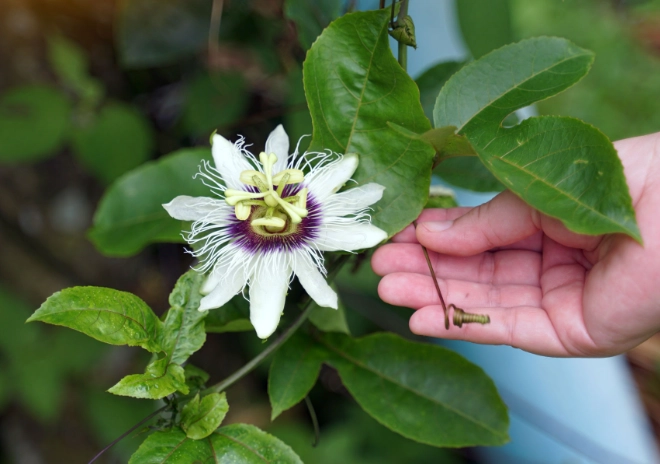
The National Center for Complementary and Integrative Health notes that while research is ongoing, several complementary approaches show promise for sleep issues with generally milder risk profiles. The key is managing expectations. Natural doesn't always mean instant. It often means consistent.
The Top Herbal Contenders: What Science Says
Let's talk about the heavy hitters. These are the substances with the most clinical backing for improving sleep quality, reducing the time it takes to fall asleep, or both.
Valerian Root: The Tension Melter
Valerian is often called "nature's Valium," which is a bit misleading. It doesn't work the same way. Instead, it's believed to increase levels of a calming neurotransmitter called GABA. Its real strength seems to be for people whose insomnia is tied to anxiety or mental chatter. I've seen it work wonders for a friend who would lie in bed rehashing her workday. The catch? It's not a "take it once" solution. Studies, like one published in the *American Journal of Medicine*, suggest it works best with consistent use over one to two weeks. The typical dose is 300-600 mg extract about an hour before bed. A common mistake is giving up after two nights.
Chamomile: More Than Just a Bedtime Tea
Chamomile's power is subtle. The compound apigenin binds to certain receptors in your brain that promote relaxation. It's not going to knock out severe insomnia on its own, but it's a fantastic foundational practice. The ritual of brewing a warm, caffeine-free tea 45 minutes before bed is a powerful sleep cue in itself. For a stronger effect, look for standardized extracts in capsule form. The research is positive for mild to moderate cases. Don't expect a miracle, but do expect a gentle nudge towards calmness.
Magnesium: The Unsung Mineral for Sleep
This is a big one that flies under the radar. Magnesium is involved in hundreds of bodily processes, including regulating melatonin and calming the nervous system. Modern diets are often deficient in it. A review in the *Journal of Research in Medical Sciences* pointed to magnesium's benefit for insomnia, especially in older adults. The form matters. Magnesium glycinate or citrate are well-absorbed and less likely to cause digestive upset than magnesium oxide. A dose of 200-400 mg before bed can help relax muscles and quiet the mind. It's not a sedative; it's more like filling a nutrient tank that's been running on empty.
Pro Tip: Combining these can be effective, but start one at a time. Try magnesium glycinate for two weeks. If you need more support, add a cup of strong chamomile tea to your routine. Only consider valerian if anxiety is a primary driver. This staggered approach lets you see what actually works for you.
Other Notable Mentions
Lavender: The scent, via aromatherapy or a few drops of essential oil on your pillow, has shown in studies (like those referenced by the NCCIH) to improve sleep quality. It's a sensory tool, not an internal one.
Passionflower: Similar to valerian, it may boost GABA. Often found in combination sleep supplements.
Melatonin (Hormone, not Herb): It's natural, but it's a hormone. It's best for resetting circadian rhythm (like jet lag or shift work), not as a general sleep aid for everyone. Using it incorrectly can worsen sleep problems.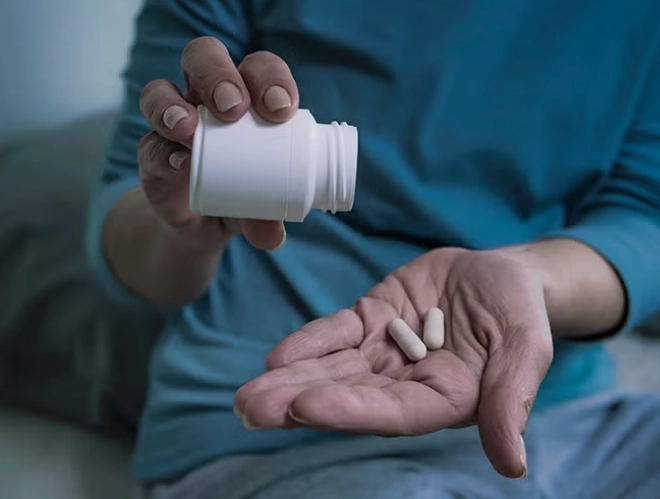
The Non-Negotiable Lifestyle Reset
You can take all the valerian root in the world, but if your daily habits are working against sleep, you'll be fighting a losing battle. This is the foundation. The herbs are the support crew.
Light: Your Master Clock Regulator
This is the most powerful free tool you have. Your brain uses light exposure to set its internal clock. Get bright, natural light (ideally sunlight) within 30 minutes of waking. This signals "daytime." Conversely, dim the lights 2 hours before bed. Ditch the screens, or use blue light filters. That late-night scroll through your phone? It's telling your brain the sun is still up, suppressing melatonin production. It's a direct sabotage of your natural sleep aids.
The Wind-Down Routine (It's Not Optional)
Your brain needs a runway to land. You can't go from 100 mph to 0. A 45-60 minute buffer zone is critical. This isn't just about being in bed; it's about a sequence of calming activities. Reading a physical book (not a thriller!), light stretching, listening to calm music or a boring podcast (I find history ones work great), taking a warm bath. The bath is a double-whammy: it's relaxing, and the subsequent drop in body temperature as you cool off is a strong sleep signal.
Your Sleep Sanctuary
Look at your bedroom. Is it a sleep cave or a multi-purpose entertainment center? Key factors:
- Darkness: Pitch black. Use blackout curtains or a good sleep mask. Even small amounts of light can disrupt sleep cycles.
- Coolness: Aim for 65-68°F (18-20°C). A cool room facilitates the drop in core temperature needed for sleep.
- Quiet: White noise machines or earplugs can mask disruptive sounds.
- Bed = Sleep (& Sex) Only: No work, no eating, no stressful conversations in bed. You're training your brain to associate that space with one thing: shut-down.
Where Most Natural Sleep Efforts Fail
Here's the insider knowledge, the stuff you don't always read. These are the subtle errors that derail progress.
Inconsistency. Taking a supplement one night, skipping three, then expecting results. The natural approach requires patience and regularity. Your nervous system needs time to adjust.
Ignoring Caffeine's Half-Life. Caffeine has a half-life of about 5-6 hours. That 3 PM coffee? Half of it is still in your system at 9 PM. For sensitive individuals, even morning coffee can be an issue. Try a 2-week caffeine holiday to see if it's a hidden culprit.
The Weekend Lie-In. Sleeping in more than an hour past your weekday wake-up time confuses your circadian rhythm. It's like giving yourself weekly jet lag. Consistency in wake-up time is more important than consistency in bedtime.
Using Alcohol as a Sleep Aid. This is a major one. Alcohol might help you fall asleep faster, but it absolutely wrecks the architecture of your sleep later in the night. It suppresses REM sleep (the restorative dream stage) and leads to fragmented, non-restorative sleep. You wake up feeling unrefreshed. It directly counteracts any natural remedy you're trying.
| Natural Remedy | Best For | Typical Dose/Use | Key Consideration |
|---|---|---|---|
| Valerian Root | Anxiety-driven insomnia, trouble falling asleep | 300-600 mg extract, 1 hr before bed | Needs 1-2 weeks of consistent use. Can cause vivid dreams. |
| Magnesium Glycinate | General sleep quality, muscle tension, deficiency | 200-400 mg before bed | A foundational nutrient. Glycinate form is gentle on the stomach. |
| Chamomile | Mild relaxation, sleep onset, creating routine | 1-2 cups strong tea or 220-1100 mg extract | Subtle effect. The ritual is as important as the herb. |
| Sleep Hygiene (Light/Routine) | Everyone. The non-negotiable base. | Daily consistent practice | Free and powerful, but requires discipline. The most overlooked "remedy." |
Your Insomnia Questions, Answered
The journey to curing insomnia naturally isn't about finding a single perfect pill. It's an investigation. Start with the non-negotiable foundation: master your light exposure and create a bulletproof wind-down routine. Then, layer in a targeted supplement—magnesium for general support, valerian for anxiety—and give it honest time to work. Listen to your body, not just the clock. Some nights will be better than others. The goal isn't perfection, but sustainable progress. Ditch the pressure, build the routine, and let your natural sleep drive—which is still in there—find its way back to the surface.
Reader Comments