You're tired. Not just "need another coffee" tired, but a deep, soul-crushing fatigue that makes getting through the day feel like running a marathon in quicksand. You've tried everything – cutting out screens, meditation apps, expensive pillows – but sleep just won't cooperate. Before you lose another night to frustration, you need to know: is this just bad sleep, or is it a clinical sleep disorder? That's where the DSM-5 comes in.
The Diagnostic and Statistical Manual of Mental Disorders, Fifth Edition (DSM-5), published by the American Psychiatric Association, is the primary manual used by clinicians in the United States to diagnose mental health conditions. It includes a dedicated section for Sleep-Wake Disorders. Think of it as the official rulebook. It doesn't just list problems; it provides specific criteria a person must meet to receive a formal diagnosis. This is crucial because a correct diagnosis is the first, non-negotiable step towards effective treatment. Getting this wrong is like trying to fix a leaky pipe with a bandage.
What You'll Find in This Guide
- The Major DSM-5 Sleep Disorder Categories
- Insomnia Disorder: More Than Just Sleeplessness
- Sleep-Related Breathing Disorders (Hello, Sleep Apnea)
- Central Disorders of Hypersomnolence
- Circadian Rhythm Sleep-Wake Disorders
- Parasomnias: The Strange Events of Sleep
- Sleep-Related Movement Disorders
- How Are Sleep Disorders Diagnosed and Treated?
- Your Burning Questions Answered (FAQ)
What Are the Major Categories of Sleep Disorders in DSM-5?
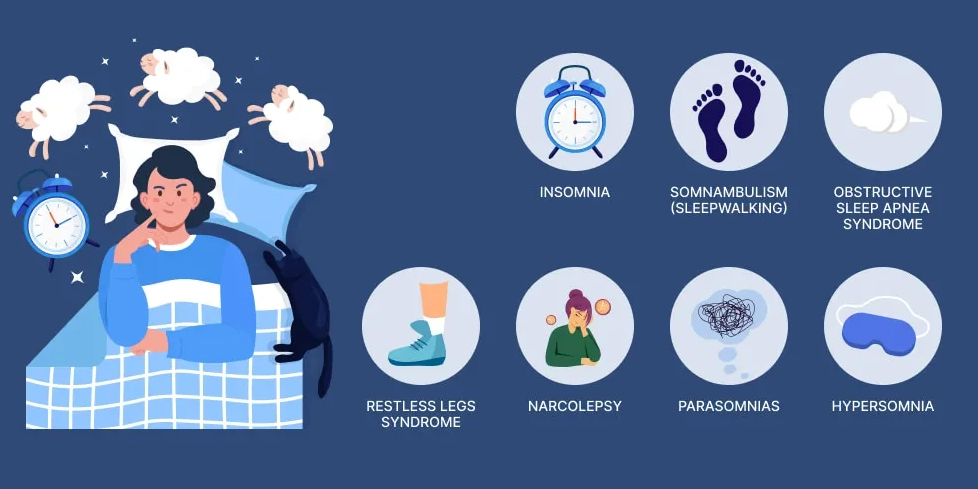
The DSM-5 organizes sleep-wake disorders into ten distinct groups based on their primary symptoms and causes. This structure helps clinicians zero in on the problem. Here’s the high-level overview before we dive into the details.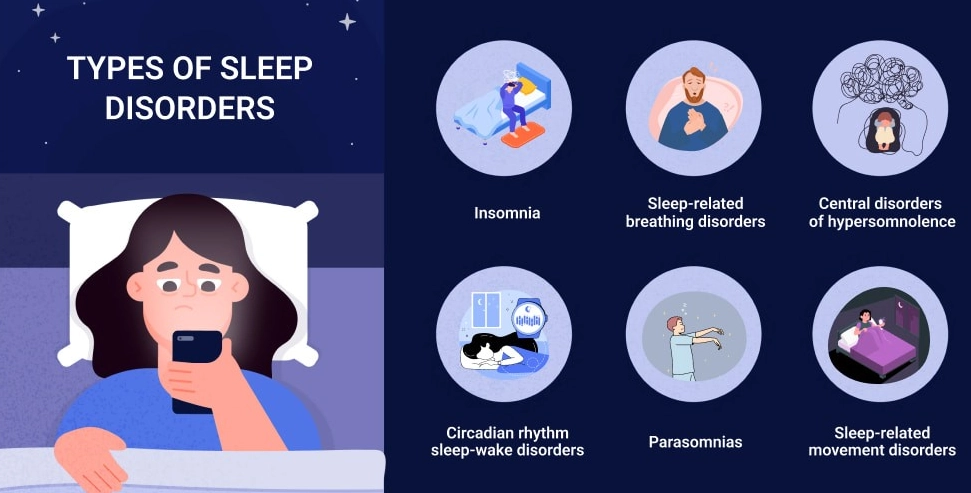
| Disorder Category | Core Problem | Common Example |
|---|---|---|
| Insomnia Disorder | Chronic difficulty falling or staying asleep, despite adequate opportunity. | Lying awake for hours, waking up at 3 AM and not getting back to sleep. |
| Sleep-Related Breathing Disorders | Abnormal respiration during sleep. | Obstructive Sleep Apnea Hypopnea. |
| Central Disorders of Hypersomnolence | Excessive daytime sleepiness not caused by poor sleep or breathing issues. | Narcolepsy. |
| Circadian Rhythm Sleep-Wake Disorders | Misalignment between internal body clock and external day/night cycle. | Delayed Sleep-Wake Phase Disorder (night owl syndrome). |
| Parasomnias | Undesirable physical events or experiences during sleep. | Sleepwalking, Nightmare Disorder. |
| Sleep-Related Movement Disorders | Simple, repetitive movements that disrupt sleep. | Restless Legs Syndrome (RLS), Periodic Limb Movement Disorder. |
| Other Sleep-Wake Disorders | Disorders that don't fit neatly into the above categories. | Environmental Sleep Disorder, Substance/Medication-Induced. |
This table is a great starting point, but the real understanding comes from the specifics. A common mistake is to self-diagnose based on a single symptom. For instance, snoring doesn't automatically mean sleep apnea, and daytime fatigue could point to a dozen different issues in this manual.
Insomnia Disorder: More Than Just Sleeplessness
This is the big one, the disorder most people think of first. But in the DSM-5, Insomnia Disorder has strict rules. It's not just having a few bad nights before a big meeting.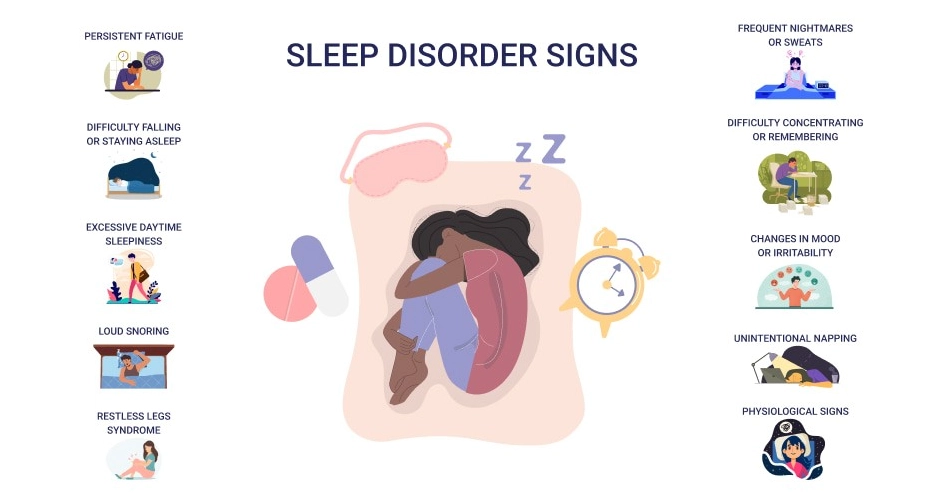
The manual requires a predominant complaint of dissatisfaction with sleep quantity or quality, characterized by difficulty initiating sleep, maintaining sleep, or waking up too early. Crucially, this must happen at least 3 nights per week for at least 3 months, despite having adequate opportunity for sleep. The sleep disturbance must also cause significant distress or impairment in your social, occupational, or other important areas of functioning.
They also specify if it's Episodic (lasting 1-3 months), Persistent (3 months or longer), or Recurrent (two or more episodes within a year).
Here's the nuance many miss: The DSM-5 eliminated the old distinction between "primary" and "secondary" insomnia. Now, Insomnia Disorder is diagnosed alongside other mental or medical conditions (like depression or chronic pain) if it's a separate focus of treatment. This is huge. It means your doctor shouldn't just say "your insomnia is caused by your anxiety, treat the anxiety and it'll go away." They need to treat both, because the insomnia often takes on a life of its own.
Sleep-Related Breathing Disorders (Hello, Sleep Apnea)
This category is dominated by Obstructive Sleep Apnea Hypopnea. The DSM-5 criteria focus on the clinical presentation witnessed by others or reported by the patient: either episodes of stopped breathing during sleep or excessive daytime sleepiness, fatigue, or unrefreshing sleep that isn't better explained by something else.
The formal diagnosis, however, usually requires a polysomnography (sleep study) showing a certain number of apneas (complete pauses in breathing) or hypopneas (shallow breathing) per hour. The severity is graded by this Apnea-Hypopnea Index (AHI).
What patients often don't realize is that the daytime symptoms aren't always dramatic sleepiness. It can be brain fog, irritability, morning headaches, or a complete lack of energy. Your bed partner might be the one who notices the gasping, choking, or loud snoring first.
Central Disorders of Hypersomnolence
These are conditions where the primary issue is excessive sleepiness (hypersomnolence) that comes from the brain's sleep-wake control center itself, not from poor sleep at night. The poster child here is Narcolepsy.
DSM-5 criteria for Narcolepsy require recurrent periods of an irrepressible need to sleep, lapsing into sleep, or napping occurring within the same day. This must happen at least three times per week over the past three months. Additionally, the presence of at least one of the following is required:
- Cataplexy: Brief episodes of sudden bilateral loss of muscle tone triggered by strong emotions (like laughter or surprise). This is a hallmark.
- Hypocretin deficiency (measured via cerebrospinal fluid).
- Specific findings on a sleep study (a Multiple Sleep Latency Test showing short sleep latency and REM sleep periods).
Type 1 Narcolepsy includes cataplexy or hypocretin deficiency. Type 2 does not. The difference matters for treatment and prognosis.
Circadian Rhythm Sleep-Wake Disorders
This is for people whose internal body clock is fundamentally out of sync with the 24-hour world. It's not a choice or a bad habit. The DSM-5 lists several types:
- Delayed Sleep-Wake Phase Disorder: Your natural sleep time is significantly later than conventional. You can't fall asleep until 2-3 AM, but then you sleep soundly until 10-11 AM if allowed. Forcing an early wake-up leads to severe sleep deprivation.
- Advanced Sleep-Wake Phase Disorder: The opposite. You get overwhelmingly sleepy early in the evening (6-8 PM) and wake up extremely early in the morning (2-4 AM).
- Irregular Sleep-Wake Rhythm Disorder: No clear circadian pattern. Sleep is broken into multiple short episodes across 24 hours.
- Non-24-Hour Sleep-Wake Rhythm Disorder: The internal clock runs on a cycle longer than 24 hours. Sleep time drifts later and later each day.
The key criterion is a persistent or recurrent pattern of sleep disturbance due to misalignment between the endogenous circadian rhythm and the required sleep-wake schedule. This leads to insomnia, excessive sleepiness, or both, and significant distress/impairment.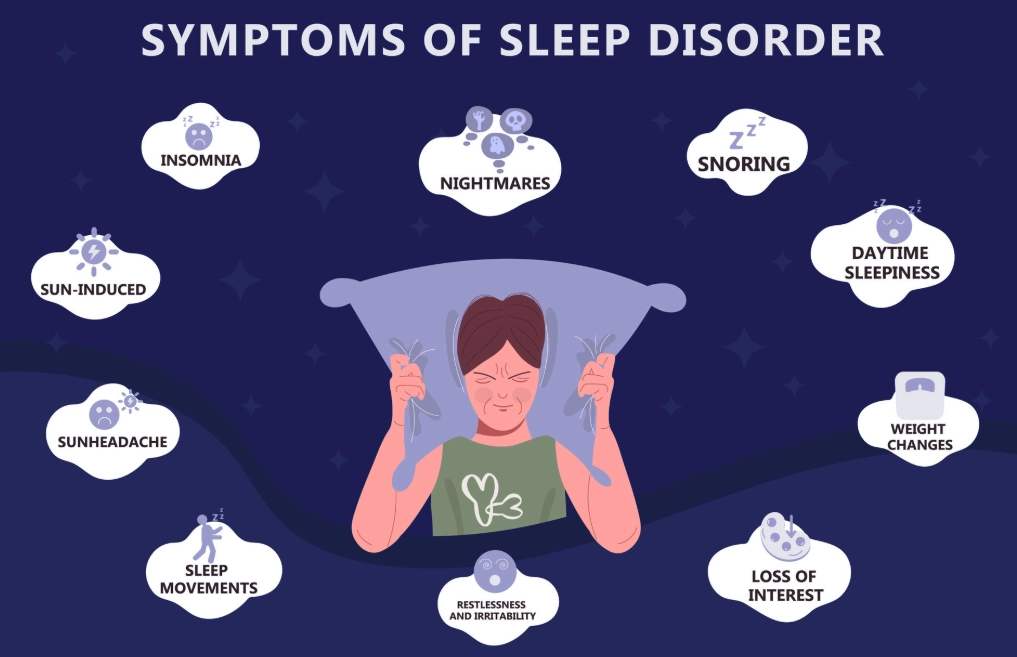
Parasomnias: The Strange Events of Sleep
These are abnormal behaviors, experiences, or physiological events that occur during specific sleep stages or sleep-wake transitions. They're grouped into those occurring during Non-REM sleep and REM sleep.
Non-REM-Related Parasomnias
These happen during deep sleep and the person usually has no memory of them.
- Disorders of Arousal (Sleepwalking, Sleep Terrors): The individual is partially awake but not conscious. They may appear confused, terrified, or engage in complex behaviors like walking, with no recall later.
REM-Related Parasomnias
These occur during REM sleep, where we normally have muscle paralysis.
- Nightmare Disorder: Repeated, extended, and extremely dysphoric dreams that are vividly remembered. The person wakes alert and oriented, which differentiates it from sleep terrors.
- REM Sleep Behavior Disorder (RBD): This is a big one. The normal muscle paralysis of REM sleep is absent, allowing people to physically act out their dreams, often violently. This can be an early sign of certain neurodegenerative diseases like Parkinson's. If you or your partner are punching, kicking, or yelling in your sleep, this needs immediate medical attention.
Sleep-Related Movement Disorders
Characterized by relatively simple, usually stereotyped movements that disturb sleep.
- Restless Legs Syndrome (RLS): An urge to move the legs, usually accompanied by uncomfortable sensations, that begins or worsens during periods of rest/inactivity, is partially relieved by movement, and is worse in the evening/night.
- Periodic Limb Movement Disorder (PLMD): Repetitive, stereotyped limb movements (often leg kicks) during sleep that cause sleep fragmentation and daytime symptoms. Unlike RLS, the person is often unaware of the movements; a bed partner or sleep study reveals them.
A crucial point: RLS is a waking diagnosis based on your reported symptoms. PLMD is a sleep diagnosis based on objective measurements from a sleep study. You can have one, the other, or both.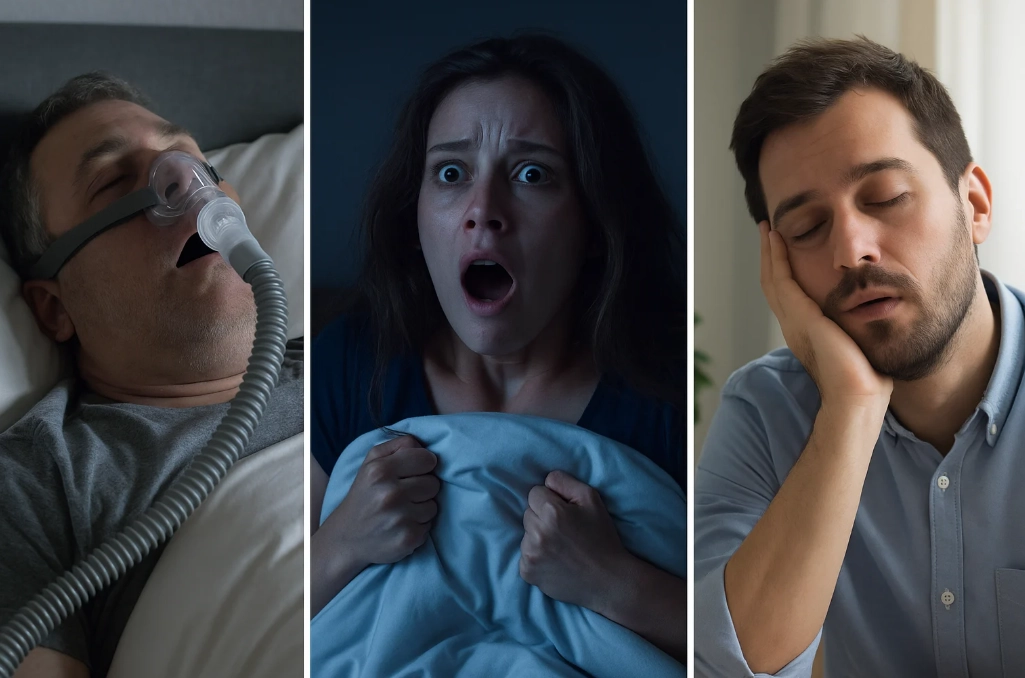
How Are Sleep Disorders Diagnosed and Treated?
Diagnosis starts with a detailed clinical interview, often using a sleep diary. For many disorders, especially sleep apnea, narcolepsy, and parasomnias, a polysomnogram (in-lab sleep study) is the gold standard. For daytime sleepiness, a Multiple Sleep Latency Test (MSLT) may follow.
Treatment is as varied as the disorders themselves:
- Insomnia: First-line treatment is Cognitive Behavioral Therapy for Insomnia (CBT-I), not medication. It's more effective long-term. The American Academy of Sleep Medicine strongly recommends it.
- Sleep Apnea: Continuous Positive Airway Pressure (CPAP) therapy is the standard. Oral appliances or surgery are options for some.
- Narcolepsy/Central Hypersomnias: Stimulant medications, wake-promoting agents, and scheduled naps.
- Circadian Disorders: Timed light therapy, melatonin, and strict sleep schedule management.
- Parasomnias & Movement Disorders: Can range from safety-proofing the bedroom (for sleepwalking/RBD) to specific medications.
The most important step is getting the right diagnosis. Treating insomnia with sleeping pills when the real issue is undiagnosed sleep apnea is not only ineffective but potentially dangerous.
Your Burning Questions Answered (FAQ)
I snore loudly and feel tired all day. Does this mean I have sleep apnea according to the DSM-5?
It strongly suggests you might, but the DSM-5 criteria are a starting point for a clinical conversation. Loud snoring and daytime fatigue are classic red flags for Obstructive Sleep Apnea. However, the manual requires either these symptoms or observed breathing pauses. The definitive diagnosis almost always requires a sleep study to quantify the number of breathing events per hour. Don't self-diagnose based on symptoms alone; see a sleep specialist. Untreated sleep apnea has serious long-term risks for heart disease and stroke.
My doctor prescribed sleeping pills for my insomnia. Is that the standard DSM-5 treatment?
Not according to best practice guidelines. While medications (like z-drugs or certain sedating antidepressants) are commonly prescribed and can be part of a treatment plan, the DSM-5 itself doesn't recommend treatments. The evidence-based first-line treatment, endorsed by organizations like the American College of Physicians, is Cognitive Behavioral Therapy for Insomnia (CBT-I). It addresses the thoughts and behaviors that perpetuate insomnia long-term, whereas pills are often a short-term crutch that can lose effectiveness and cause dependency. A good sleep doctor will discuss CBT-I as the primary option.
 My teenager can't fall asleep before 2 AM and is a zombie for school. Is this a circadian rhythm disorder or just being a lazy teen?
This is a classic presentation for Delayed Sleep-Wake Phase Disorder. While a shift towards later sleep times is biologically normal in adolescence, a disorder is diagnosed when the delay is extreme and causes significant distress or impairment (like failing grades or missing school). It's not laziness; their internal clock is literally set to a later time. Treatment involves strict sleep hygiene, timed bright light therapy in the morning, and sometimes low-dose melatonin in the evening under a doctor's guidance. Forcing an earlier bedtime without addressing the circadian drive is usually futile.
I sometimes jerk awake as I'm falling asleep. Is that a sleep disorder in the DSM-5?
Probably not. These are called "hypnic jerks" or sleep starts, and they're considered a normal physiological phenomenon for most people. The DSM-5 Sleep-Related Movement Disorders cover more persistent, repetitive, and disruptive movements like Restless Legs Syndrome or Periodic Limb Movements. An isolated jerk now and then, especially when stressed or over-caffeinated, doesn't meet the criteria for a disorder. If these jerks are violent, frequent, and prevent you from falling asleep, or are part of acting out dreams, then it's worth discussing with a doctor to rule out other issues like REM Sleep Behavior Disorder.
Reader Comments