Your Sleep Oxygen Guide
- Why Your Sleep Posture Matters for Oxygen Intake
- Breaking Down the Contenders: A Sleep Position Showdown
- Optimizing the Winning Position: How to Master Side Sleeping
- Special Considerations: It's Not Always Simple
- Action Plan: How to Find YOUR Best Sleep Position for Oxygen
- Answers to Common Questions (Stuff You're Probably Wondering)
- Wrapping It Up: Listen to Your Body (And Maybe Your Partner)
You know that feeling when you wake up after what should have been a full night's rest, but your head feels foggy, your body is heavy, and you're just... not refreshed? I've been there more times than I'd like to admit. For years, I chalked it up to stress or just not getting enough hours in bed. Then I stumbled on something that honestly surprised me – it wasn't just how long I slept, but how I slept. Specifically, the position my body was in all night.
It turns out, the way you arrange yourself on the mattress can have a massive impact on your breathing. And breathing, obviously, is kind of a big deal for getting oxygen into your system. If your airway is even slightly kinked or compressed, you're not getting the full, deep breaths you need. Your blood oxygen saturation can dip, your brain gets less fuel, and you wake up feeling like you ran a marathon in your sleep.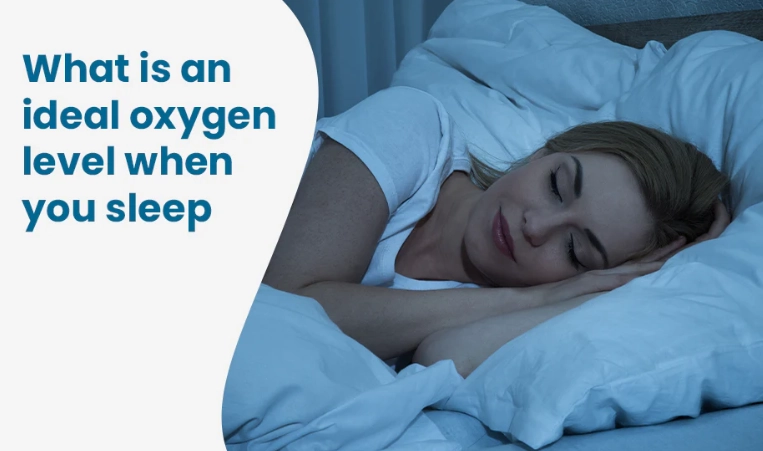
So, let's cut to the chase. What is the single best sleep position to increase oxygen levels? Based on the bulk of clinical advice and sleep studies, sleeping on your side – specifically, on your left side – is generally crowned the champion. But, and this is a big but, it's not a one-size-fits-all answer. Why it works, who it helps the most, and what the alternatives are, is where things get really interesting.
Why Your Sleep Posture Matters for Oxygen Intake
Think of your airway like a hose. When it's straight and open, water (or in this case, air) flows freely. When it gets bent or pinched, the flow reduces to a trickle. Gravity and the alignment of your soft tissues – your tongue, the soft palate at the back of your throat – play the lead roles in this nighttime drama.
When you lie flat on your back (supine position), gravity pulls your tongue and soft palate directly backward. This naturally narrows the airway. For many people, this is no big deal. But for others, especially those prone to snoring or with obstructive sleep apnea (OSA), this can cause partial or complete blockages. Your breathing becomes shallow or even stops momentarily (an apnea), causing your blood oxygen levels to drop. Your brain panics, wakes you up just enough to gasp for air, and the cycle repeats. You might not remember these micro-awakenings, but your body and your oxygen levels sure do.
Stomach sleeping (prone position) keeps the airway more open in front, but it twists your neck to the side, which can kink the airway from a different angle. It also puts pressure on your chest and diaphragm, which can restrict the full expansion of your lungs. You might be getting air in, but are you getting a truly deep, diaphragmatic breath? Often, not quite.
Side sleeping, particularly the left side, seems to hit the sweet spot for many. It uses gravity to keep the tongue and jaw from falling backward. It also appears to improve something called the ventilation-perfusion (V/Q) ratio in your lungs – basically, how well air and blood flow match up in the tiny air sacs where oxygen transfer happens. Some studies, like those referenced by the National Heart, Lung, and Blood Institute (NHLBI) on sleep apnea management, often cite positional therapy (training to sleep on your side) as a first-line behavioral strategy.
Breaking Down the Contenders: A Sleep Position Showdown
Let's put the three main sleep positions under the microscope. This table isn't just about declaring a winner; it's about understanding the trade-offs. Because sometimes, the best sleep position to increase oxygen levels for you might involve a compromise with other factors like back pain or acid reflux.
| Sleep Position | Impact on Airway & Oxygen | Best For... | Biggest Drawbacks |
|---|---|---|---|
| Left Side Sleeping | Generally considered the best sleep position for oxygen levels. Keeps airway most open, may improve heart and lung function due to anatomical positioning. | Snorers, mild to moderate sleep apnea, pregnant individuals (improves circulation to fetus), people with acid reflux (GERD). | Can cause shoulder or hip pain if not properly supported. May not be ideal for people with certain heart conditions (consult a doctor). |
| Right Side Sleeping | Very good for airway openness and is often just as effective as left-side for oxygen. A fantastic alternative. | Most people looking for a healthy sleep posture. Can be more comfortable for those with heart failure (some studies suggest it eases heart strain). | Same joint pressure issues as left-side. Some research suggests it might slightly worsen acid reflux compared to the left side. |
| Back Sleeping (Supine) | Often the worst position for oxygen intake if you have airway issues. Gravity pulls tissues backward, narrowing the airway. | Spinal alignment, minimizing facial wrinkles, reducing acid reflux if the head is elevated significantly. | Pronounced snoring and sleep apnea events. Not recommended for those seeking the best sleeping position to increase oxygen. |
| Stomach Sleeping (Prone) | Keeps the front of the airway open but can kink the neck and restrict chest/diaphragm movement, leading to shallower breaths. | Reducing snoring sounds (but not necessarily the underlying airway resistance). Some find it comforting. | Poor for spinal alignment (neck and lower back strain), potential for reduced lung expansion, facial pressure. |
Looking at that, the side position's advantage is pretty clear for breathing. But I have to be honest – as a former dedicated back sleeper, switching to my side felt weird and uncomfortable at first. My shoulder would ache. It took some tweaking.
Optimizing the Winning Position: How to Master Side Sleeping
Just saying "sleep on your side" isn't enough. Doing it wrong can cause new problems that might make you abandon the whole plan. Here’s how to set yourself up for success, turning side sleeping into the truly best sleep position for oxygen levels and overall comfort.
The Pillow Strategy: It's Not Just for Your Head
This was my game-changer. The wrong pillow can bend your neck out of alignment with your spine, creating a new pinch point in your airway. You want a pillow that keeps your neck neutral – not tilted up or down.
- Head Pillow: Choose one that fills the space between your ear and the outside of your shoulder. Side sleepers usually need a thicker, firmer pillow than back sleepers. Memory foam or latex pillows that contour can be great.
- Knee Pillow: This is non-negotiable in my book. Placing a firm pillow or a dedicated body pillow between your knees keeps your hips, pelvis, and spine aligned. It prevents your top leg from pulling your spine out of line, which is a huge source of lower back pain for side sleepers. Less pain means less tossing, and more stable, deep breathing all night.
- Hugging Pillow: Clutching a pillow to your chest helps keep your shoulders from rounding forward and compressing your chest cavity. It gives your arms a place to go and further stabilizes your torso.
Angle Matters: The Elevated Head Trick
Even while on your side, a slight elevation of your entire upper body can provide an extra boost. This isn't about stacking pillows under your head (which can crank your neck), but about raising the head of your bed by 4 to 6 inches. You can use bed risers, a wedge pillow that goes under your mattress, or an adjustable bed frame.
This slight incline uses gravity to help keep both your nasal passages and the lower part of your airway (behind the tongue) more open. It's a trick often recommended by the Mayo Clinic for acid reflux, but it has a wonderful side effect for breathing, too. Combining side sleeping with a slight incline might just be the ultimate sleep position to increase oxygen levels at night for many.
Special Considerations: It's Not Always Simple
Calling side sleeping the universal best sleep position to increase oxygen feels a bit dishonest without addressing the exceptions. Your personal health plays the starring role.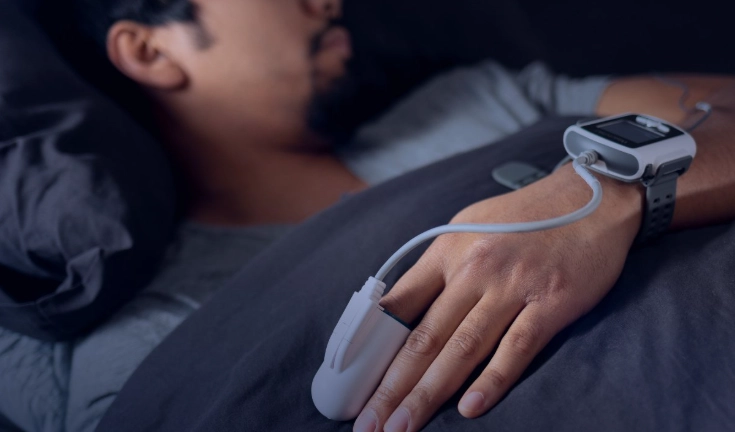
Sleep Apnea and Snoring
For people with obstructive sleep apnea (OSA), positional therapy is a real, clinically recognized thing. Studies show that for a significant subset of people with OSA (often called "positional OSA"), their breathing events are predominantly or exclusively when sleeping on their back. For them, consistently sleeping on their side can reduce the frequency of apneas (breathing stoppages) as dramatically as some mild medical interventions.
The American Sleep Association discusses positional therapy as a behavioral approach. However – and this is crucial – if you suspect you have moderate to severe sleep apnea (symptoms include loud snoring, witnessed breathing pauses, and extreme daytime sleepiness), you must see a doctor. Side sleeping can help, but it is not a cure for significant OSA, which requires proper diagnosis and treatment like CPAP therapy. CPAP, by the way, delivers pressurized air that keeps your airway open regardless of your sleep position, making it the gold standard for ensuring optimal oxygen levels in severe cases.
Other Health Conditions
- Acid Reflux (GERD): Left-side sleeping is often hailed as the best here. The anatomy of your stomach and esophagus means sleeping on the left keeps acid below the valve that's supposed to contain it. Right-side sleeping can loosen that valve. So, for someone with reflux, the left side might be the clear best sleep position for oxygen and comfort, as it addresses two issues at once.
- Heart Failure: This is a complex one and you should always follow your cardiologist's specific advice. Some older guidance suggested left-side sleeping might put pressure on the heart, but more recent reviews have challenged that. Some patients with heart failure actually find right-side sleeping or sleeping with their head elevated eases breathing difficulty (orthopnea). This highlights why personal medical advice trumps any general article.
- Chronic Pain: If side sleeping aggravates shoulder or hip arthritis, forcing it will ruin your sleep. In this case, the best position might be a modified back position with significant upper body and knee elevation to keep the airway as open as possible.
Action Plan: How to Find YOUR Best Sleep Position for Oxygen
Okay, so theory is great, but how do you actually make a change? Most of us don't have conscious control over our sleeping position once we're out. Here's a practical, step-by-step approach.
- Self-Assess: Do you snore loudly? Does your partner notice you stop breathing? Do you wake up with a headache or dry mouth? Do you have terrible heartburn at night? Your answers point to whether oxygen or another issue (like reflux) should be your primary target.
- Start with Your Bed: Before you try to change your body, change your environment. Get the right pillow for side sleeping. Try a knee pillow. Experiment with raising the head of your bed a few inches with some sturdy books or risers. A good setup makes the right position more inviting.
- Use a Positional Aid: The "pillow barrier" I mentioned works. There are also wearable devices like soft belts with a bump on the back or even specialized shirts that make back-sleeping uncomfortable. The goal is to make your target position (side) the path of least resistance.
- Be Patient and Observe: Give any change at least two weeks. Your body needs to adjust. How do you feel in the morning? Is your partner noting less snoring? Do you feel more rested? That's your data.
- Consider Tech: If you're really curious, a consumer-grade pulse oximeter that records overnight data (some smartwatches or ring devices do this) can give you direct feedback on your blood oxygen levels. It can show you if your changes are making a measurable difference. Just don't become obsessed with the numbers.
The journey to find your personal best sleep position to increase oxygen levels is exactly that – personal. It's a blend of general science and your unique body.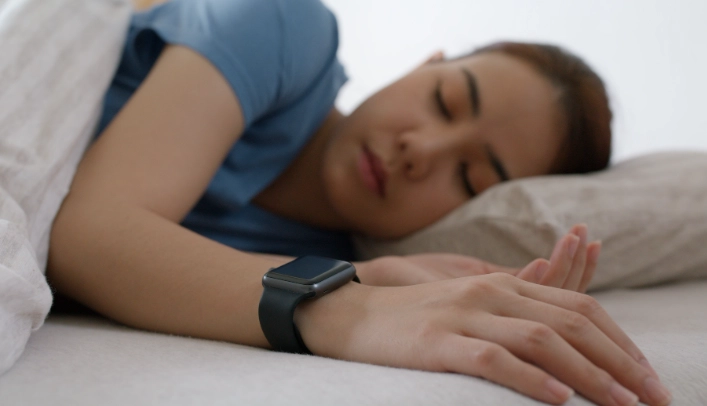
Answers to Common Questions (Stuff You're Probably Wondering)
Wrapping It Up: Listen to Your Body (And Maybe Your Partner)
Chasing the idea of a single best sleep position to increase oxygen levels can feel like an optimization puzzle. The evidence strongly points to side sleeping, particularly on the left, as the most reliable starting point for unimpeded breathing. It leverages gravity to keep your airway open, and the data from sleep medicine backs that up.
The best position is the one that allows you to sleep soundly, deeply, and wake up feeling restored. For some, that will be side sleeping with a fortress of pillows. For others, it might be a highly elevated back position. The goal is to move away from positions that are known to harm breathing (like flat-on-back for snorers) and towards those that help.
Start with the side. Optimize it with pillows and elevation. Give it a genuine try. Pay attention to how you feel. And if you share your bed, ask your partner if they notice a difference in your snoring or restlessness. Sometimes, they're the best sleep tracker you have.
Improving your sleep oxygen isn't about achieving perfection. It's about making a series of small, intelligent tweaks to one of the most fundamental things you do. And the payoff – clearer mornings, more energy, and giving your body the full, oxygen-rich rest it deserves – is absolutely worth the effort of finding that perfect spot on the mattress.
Reader Comments