You know the feeling. It's 2 AM, the world is quiet, but your mind is racing. You've tried counting sheep, drinking warm milk, maybe even some over-the-counter sleep aids that left you groggy. If you're searching for how to improve your sleep quality naturally, you're likely tired of quick fixes that don't last. The good news? Lasting change doesn't come from a pill; it comes from rebuilding your relationship with sleep itself. As someone who spent years battling insomnia before finding a rhythm, I can tell you the solution is less about one magic trick and more about a series of small, intentional shifts in your day and night.
What's Inside?
Build Your Sleep Sanctuary: Environment is Everything
Think of your bedroom not just as a room, but as a device engineered for one purpose: sleep. Most people get this wrong by making it a multi-purpose hub for work, entertainment, and worry.
Light: Your Master Clock's Best Friend and Worst Enemy
Your circadian rhythm is run by light exposure. Blue light from screens in the evening tells your brain it's noon, suppressing melatonin. But the bigger mistake isn't just the screen—it's the ambient light. Streetlights, charging LEDs, a crack under the door. Even small amounts can fragment sleep.
Temperature and Noise: The Goldilocks Zone
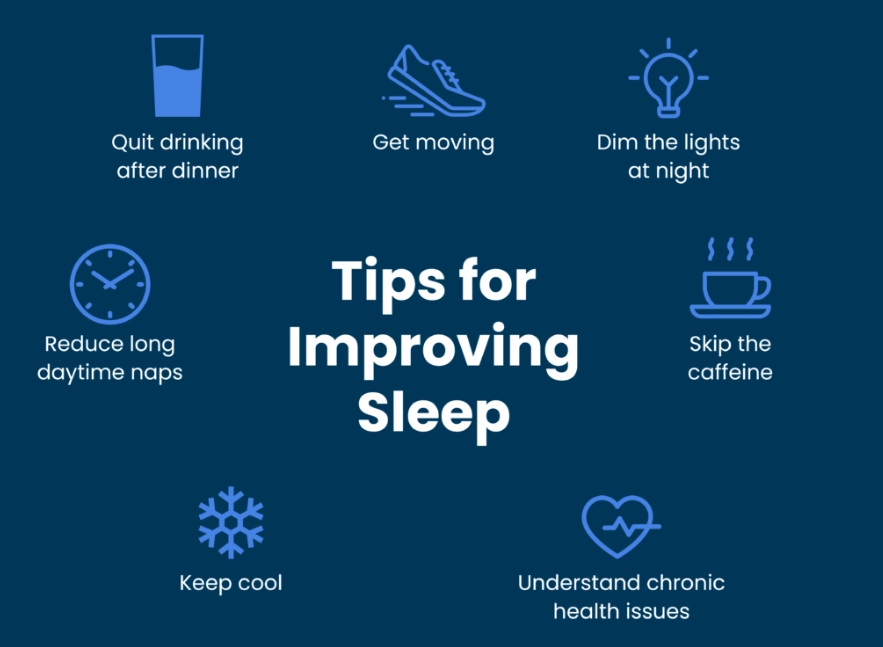
The science is clear: a cool room, around 65°F (18.3°C), is optimal for initiating sleep. Your core body temperature needs to drop to trigger sleepiness. A hot room prevents that. Noise is a sleep disruptor, even if you don't fully wake up. It shifts you from deep sleep to lighter stages.
A fan does double duty here—cooling and white noise. Or try a dedicated white noise machine or app. Earplugs can be a game-changer if you have a noisy environment. It took me a week to get used to them, but now I can't sleep without them.
The Diet-Sleep Link: What to Eat (and Avoid)
Food is timing and chemistry. What you consume in the hours before bed directly impacts your ability to fall and stay asleep.
| What to Embrace | What to Avoid (Especially After 4 PM) | Why It Matters |
|---|---|---|
| Complex Carbs (Dinner): Sweet potato, brown rice, oats. | Caffeine: Coffee, tea, soda, chocolate. | Caffeine has a half-life of 5-6 hours. A 3 PM coffee means 1.5 doses are still in your system at 9 PM. |
| Magnesium-Rich Foods: Spinach, almonds, pumpkin seeds. | Heavy/Fatty Meals: Large burgers, fried foods. | Digestion competes with sleep. Your body should be resting, not digesting a feast. |
| Tryptophan Sources: Turkey, chicken, milk, nuts. | Alcohol: Nightcaps, wine with dinner. | Alcohol sedates you but ruins sleep architecture, blocking REM sleep and causing mid-night wake-ups. |
| Light Evening Snack (if needed): Banana, kiwi, tart cherry juice. | Excessive Fluids: Big glasses of water right before bed. | Necessary for hydration, but timing is key to avoid disruptive bathroom trips. |
Here's a non-consensus point: the "warm milk" advice isn't just an old wives' tale. It combines tryptophan, calcium (which helps the brain use tryptophan), and the psychological comfort of a ritual. The problem is people expect it to work like a sleeping pill. It's a gentle nudge, not a shove.
Daily Habits That Wire Your Brain for Sleep
Sleep isn't an isolated event. It's the direct result of how you spend your waking hours.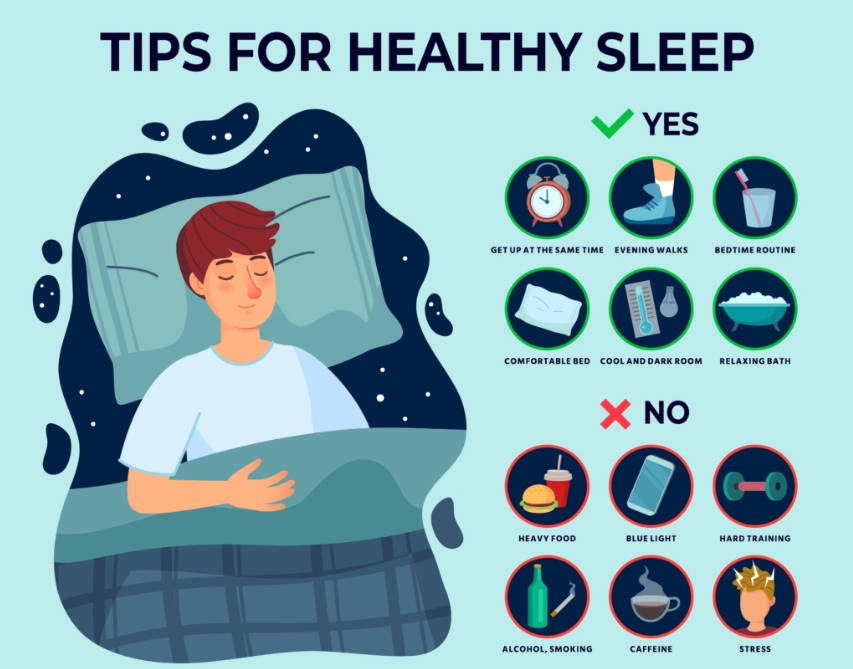
Sunlight and Movement: The Daytime Foundation
Getting bright natural light within 30-60 minutes of waking resets your circadian clock far more effectively than any app. It's not just about "getting some sun"; it's about the intensity and timing. A 20-minute morning walk is a powerful sleep supplement.
Exercise is fantastic for sleep, but timing is the subtle error many make. Intense exercise too close to bedtime can raise core temperature and adrenaline, keeping you awake. Finish vigorous workouts at least 3 hours before bed. Gentle evening movement like yoga or stretching, however, can be beneficial.
The Wind-Down Ritual: Signal the Shift
Your brain needs a buffer zone between "go" mode and "sleep" mode. A consistent 30-60 minute wind-down ritual acts as a signal. This isn't just "read a book." It's a deliberate sequence.
- Minute 0-10: Tidy your space. A cluttered room can subconsciously signal a cluttered mind.
- Minute 10-25: Gentle hygiene—warm shower or bath. The rise and subsequent fall in body temperature mimics the natural sleep-onset drop.
- Minute 25-50: Low-stimulus activity. This is your book (paper, not Kindle), light stretching, or calming music.
- Last 10 minutes: In bed, lights out. Practice deep breathing or a simple body scan meditation.
The consistency is more important than the specific activities. You're training a Pavlovian response.
The Mental Wind-Down: Quieting a Noisy Mind
Anxiety and racing thoughts are the ultimate sleep thieves. Telling someone "just relax" is useless. You need concrete tools.
The "Brain Dump" Journal: Keep a notebook by your bed. 30 minutes before sleep, write down everything on your mind—tasks, worries, ideas. The act of externalizing it tells your brain, "It's noted, we can let go for now." This single habit did more for my sleep-onset insomnia than anything else.
Paradoxical Intention: When you can't sleep, the pressure to sleep makes it worse. Try the opposite. In the dark, with eyes closed, try to stay awake. Focus on keeping your eyes open (in the dark). This removes the performance anxiety and often, sleep sneaks in.
Mindfulness isn't about emptying your mind. It's about noticing thoughts like clouds passing by, without getting on the plane with them. Apps like Headspace or Calm have excellent sleep-specific guided exercises. The National Sleep Foundation also offers great resources on cognitive techniques.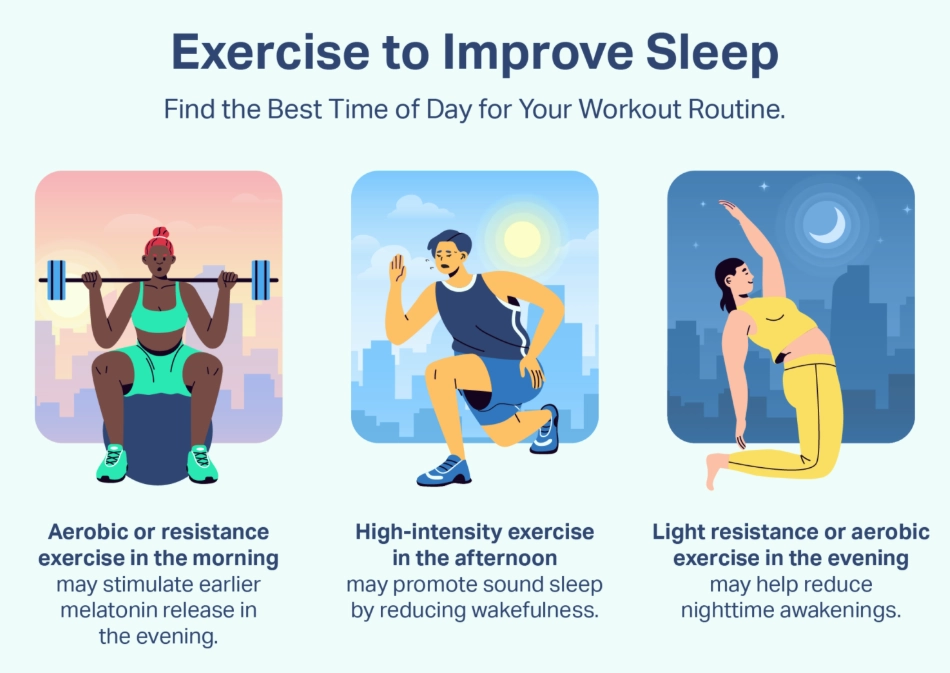
Your Sleep Questions, Answered
I exercise regularly but still can't sleep. What am I doing wrong?
Look at timing and type. High-intensity evening workouts can be overstimulating. If your only time is evening, switch to moderate-intensity or strength training, and ensure you finish at least 90 minutes before bed. Also, exercise is a stressor—if you're already mentally stressed, intense exercise without proper recovery can elevate cortisol at night, counteracting the sleep benefits. Balance hard days with truly easy days or rest.
Is "catching up" on sleep over the weekend effective?
It's a band-aid, not a cure. Sleeping in late on weekends creates social jet lag, confusing your internal clock. Come Monday morning, waking up feels like traveling across time zones. You'll feel groggy and perpetuate the cycle. A more effective strategy is to keep your wake-up time within an hour every single day, even weekends. If you're sleep-deprived, go to bed earlier on weekend nights instead of sleeping in.
 What's the one natural supplement that actually works for sleep?
Magnesium glycinate or L-threonate often show the most consistent results for improving sleep quality and reducing nighttime awakenings, particularly if you have a deficiency. Tart cherry juice (a natural source of melatonin and anti-inflammatories) can help. However, supplements are just that—supplements. They work best when layered on top of good sleep hygiene, not as a replacement for it. Always talk to a doctor before starting any new supplement, as interactions are possible.
My partner snores or has a different schedule. How can I still sleep well?
This is a huge practical hurdle. First, address the noise: high-quality earplugs (like silicone putty ones) and a white noise machine are your allies. For light, a comfortable sleep mask is essential. If schedules differ drastically, consider a mattress that minimizes motion transfer. Have a candid conversation about the importance of sleep for both of you—sometimes, seeking medical advice for snoring (it could be sleep apnea) is the most loving thing to do.
Improving your sleep quality naturally isn't a overnight project. It's a gradual renovation of your habits and environment. Start with one thing from each section—maybe dimming the lights tonight, adding a magnesium-rich food to your dinner tomorrow, and taking a 10-minute morning walk. Track the subtle changes. You won't see a dramatic transformation in one night, but over weeks, the cumulative effect is profound. Your sleep is the foundation of your health; building it naturally is the most sustainable investment you can make.
Reader Comments