Quick Navigation
So you just got your sleep apnea test results back, and you're staring at a page full of numbers and medical jargon. Your eyes glaze over at terms like "AHI," "RDI," and "oxygen desaturation." The big question screaming in your head is probably this: what is a bad score on a sleep apnea test? What do these numbers actually mean for your health, your energy levels, and your next steps?
Let's cut through the confusion. I remember when my friend John got his results. He called me, paper rattling in his hand, saying, "It says my AHI is 28. Is that terrible? Is that like, failing a test?" He had no frame of reference. That's what we're going to build today—a clear, no-nonsense frame of reference so you can understand exactly where you stand.
The truth is, labeling a score as simply "good" or "bad" can be a bit misleading. It's more about understanding the severity spectrum. A score that's "bad" in a clinical sense is one that indicates your breathing is frequently disrupted during sleep, depriving your body and brain of oxygen. This isn't just about snoring or feeling tired. We're talking about a serious medical condition that, left untreated, can strain your heart, increase your risk of stroke, and wreak havoc on your daily life. But here's the good news: once you know your number, you can do something about it.
The Main Event: Understanding AHI (Apnea-Hypopnea Index)
If you take away one acronym from your sleep study report, let it be AHI. This is the superstar metric, the primary number doctors use to diagnose and grade the severity of obstructive sleep apnea (OSA).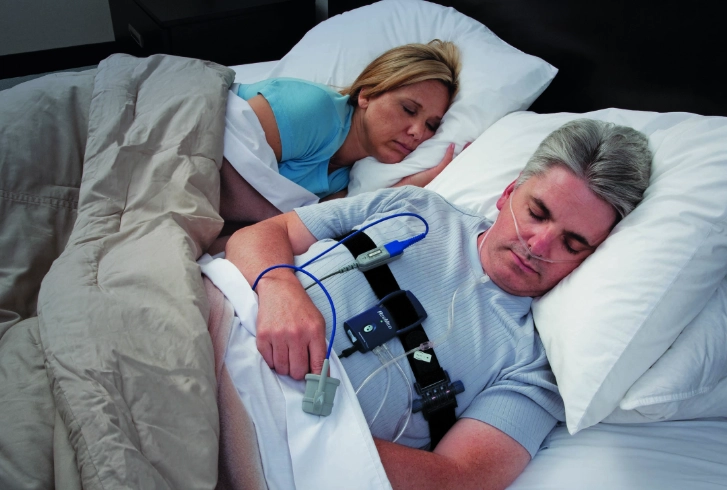
So, what is AHI? It's a simple average. It counts how many times your breathing partially (hypopnea) or completely (apnea) stops or slows dramatically per hour of sleep. Think of it as your sleep's "breathing interruption rate." The calculation is straightforward: (Total number of apneas + hypopneas) / Total sleep time in hours.
An apnea isn't just holding your breath. It's a cessation of airflow for at least 10 seconds, usually despite your body's effort to breathe. A hypopnea is a reduction in airflow by at least 30% for 10 seconds or more, paired with a drop in blood oxygen levels or a brief awakening (arousal). Your sleep test equipment tracks all of this.
Quick Example: If you slept for 6 hours and the machine recorded 60 breathing events (apneas + hypopneas), your AHI would be 60 / 6 = 10 events per hour. This means, on average, your breathing was significantly disrupted ten times every single hour you were asleep.
That's the core of it. Now, let's get to the ranges everyone wants to see. What is a bad score on a sleep apnea test according to the AHI scale? The American Academy of Sleep Medicine (AASM) sets the standard severity categories, and it's crucial to rely on these authoritative medical guidelines rather than random internet forums.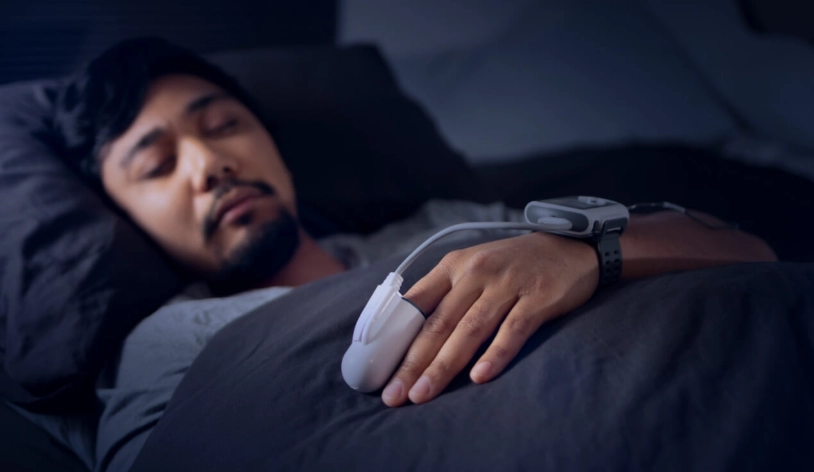
The AHI Score Spectrum: From Normal to Severe
Here’s the breakdown. I find a table makes this crystal clear, so let's lay it out. Remember, these are general guidelines, and your doctor will interpret them in the context of your symptoms (like how sleepy you are during the day) and other health factors.
| AHI (Events per Hour) | Severity Classification | What It Typically Means |
|---|---|---|
| Less than 5 | Normal | Breathing is within normal limits for an adult. No diagnosis of OSA. |
| 5 to 14.9 | Mild Sleep Apnea | Minimal to mild breathing disruptions. You may experience occasional daytime sleepiness. Treatment is often recommended, especially if symptoms are present. |
| 15 to 29.9 | Moderate Sleep Apnea | Frequent disruptions. Daytime fatigue and other symptoms (like morning headaches, poor concentration) are common. Treatment is strongly recommended to protect health. |
| 30 and higher | Severe Sleep Apnea | Very frequent to constant disruptions. This poses a significant health risk. Daytime impairment is often substantial. Treatment is considered medically necessary. |
Looking at this, you can start to see the answer. An AHI of 30 or above is universally considered a bad score on a sleep apnea test in that it indicates severe disease. But honestly, I'd argue that any score in the moderate or severe range (15+) is a "bad" score in the sense that it's a clear signal your body needs help. An AHI of 18, for instance, is solidly in the moderate category. It's not a borderline case; it's a definitive diagnosis that warrants action.
Mild sleep apnea (AHI 5-15) lives in a grayer area. Some people with an AHI of 8 feel absolutely terrible, while others with a 12 might not notice major symptoms. This is why symptoms matter so much. The score alone doesn't tell the whole story of how it's affecting you.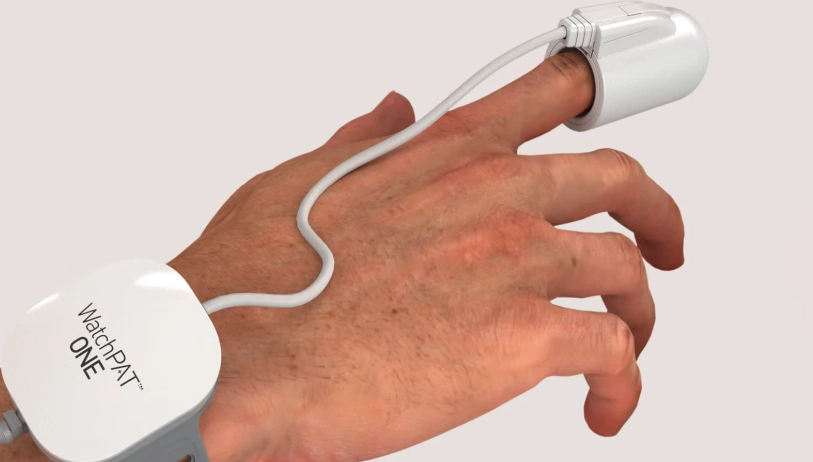
Beyond AHI: Other Key Numbers on Your Report
AHI gets all the attention, but your sleep study report is like a full album, not just a single. Other tracks matter too. Ignoring them is like only reading the headline of a news article.
RDI (Respiratory Disturbance Index): This is AHI's broader cousin. It includes all respiratory events that disrupt sleep, including those pesky "Respiratory Effort-Related Arousals" (RERAs). RERAs are subtle events where your breathing effort increases, causing a brief awakening but not meeting the full criteria for a hypopnea. If your RDI is significantly higher than your AHI, it might point to a condition called Upper Airway Resistance Syndrome (UARS). For some people, especially those who feel exhausted but have a "low" AHI, the RDI is the key number.
Oxygen Saturation (SpO2): This is a huge one. Every time you have an apnea or hypopnea, your blood oxygen level can drop (called a desaturation). Your report will show your baseline oxygen level, how low it dipped (nadir), and maybe the percentage of time you spent below 88% or 90%.
- A normal overnight SpO2 is generally above 90-92%.
- Dropping below 88-90% is considered clinically significant hypoxemia.
- If your report shows your oxygen repeatedly plummeting into the low 80s or even 70s, that's a major red flag, regardless of your AHI. Your brain and organs are literally being starved of oxygen.
Personal Take: I think the oxygen number is sometimes more frighteningly tangible than the AHI. An AHI of 25 is abstract. But seeing that your blood oxygen, which should be near 98%, spent 30 minutes of the night below 85%? That drives home the physical reality of what's happening to your body.
Sleep Architecture & Arousals: A good report analyzes your sleep stages. Severe sleep apnea can obliterate deep (slow-wave) sleep and REM sleep, the most restorative stages. You might be "asleep" for 8 hours, but if you're having 40 events per hour, you're constantly being jerked into lighter sleep. You never get the deep rest you need. The total number of "arousals" (brief awakenings) per hour is another metric—the Arousal Index (AI). A high AI means fragmented, poor-quality sleep.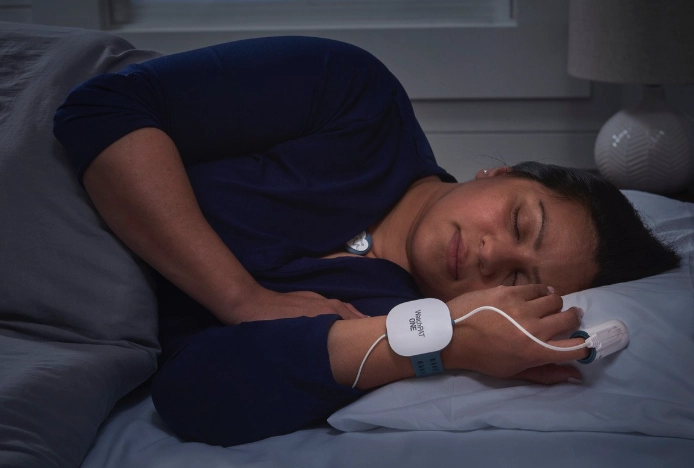
So, What Is a Bad Score? Putting It All Together
Let's synthesize this. A truly bad score on a sleep apnea test isn't just one number. It's a combination of factors that paint a picture of significant sleep disruption and health risk. Here’s what that picture often looks like:
- An AHI in the Moderate or Severe Range (15+): This is the primary indicator. The higher above 15, the more severe the condition.
- Low Oxygen Levels: Frequent dips below 88%, or a nadir (lowest point) in the low 80s or worse.
- Severe Symptom Burden: An AHI of 18 with crippling daytime sleepiness (like falling asleep at your desk or while driving) is more "urgent" than an AHI of 35 in someone who reports only mild fatigue. The Epworth Sleepiness Scale score is often used here.
- Comorbid Health Conditions: If you have heart failure, atrial fibrillation, treatment-resistant hypertension, or a history of stroke, even a "mild" AHI can be considered clinically significant and in need of treatment. The stakes are higher.
Think of it this way: the sleep test score is the evidence of the crime (breathing stoppages). Your symptoms and other health issues are the impact of that crime. A "bad" result is strong evidence of a crime that's causing noticeable damage.
What Happens After a Bad Score? Your Action Plan
Okay, you've got a score in the bad or not-great range. This is where the panic can set in. Don't. This is actually the starting line, not the end. Getting the diagnosis is the hardest part for many people. Now you have a target.
Step 1: The Follow-Up with Your Sleep Specialist
This is non-negotiable. Don't just file the report away. Go over it line by line with your doctor. Ask questions:
- "Based on my AHI of [your number], what severity do you assign?"
- "How low did my oxygen go, and for how long?"
- "Do my symptoms match the severity of the numbers?"
- "What is a bad score on a sleep apnea test in my specific case, considering my age and health history?"
Step 2: Discussing Treatment Options
This is the solution phase. The gold standard for moderate to severe OSA is CPAP (Continuous Positive Airway Pressure). It's a game-changer for millions. Yes, there's an adjustment period, and the machines aren't glamorous. But the difference in how you feel can be profound. Other options include:
- Oral Appliance Therapy: A custom-fit mouthguard from a dentist that repositions your jaw to open the airway. Often best for mild to moderate cases.
- Positional Therapy: If your apnea occurs mainly on your back, devices to keep you on your side can help.
- Lifestyle Changes: Weight loss, avoiding alcohol before bed, and managing allergies. These help but are rarely a sole cure for significant OSA.
- Surgery: Various procedures to remove tissue or reposition structures. Usually considered when other therapies fail.
Real Talk on CPAP: The biggest hurdle is the first few weeks. My friend John (AHI 28) hated his CPAP mask for the first month. He felt claustrophobic. But he worked with his therapist, tried a different style of mask (a nasal pillow), and stuck with it. Now, he says he can't sleep without it. His "bad score" is now a treated condition. His follow-up sleep study on CPAP showed an AHI of 0.8. That's the goal.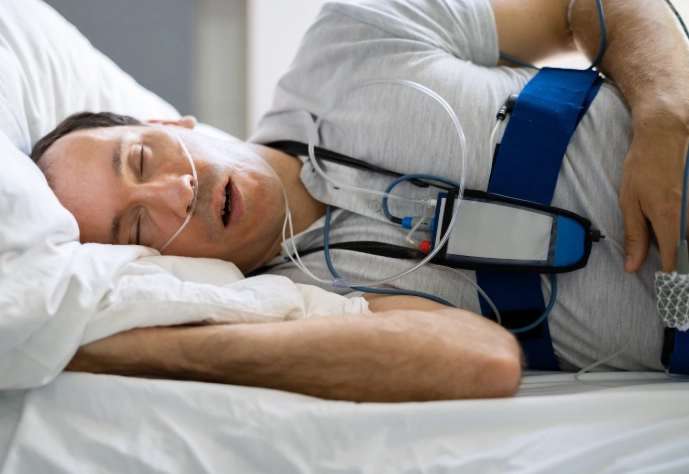
Step 3: Insurance and Compliance
If you're using CPAP, most insurance companies require you to show you're using it effectively (typically at least 4 hours per night on 70% of nights). This "compliance" data is tracked by the machine. It's not just Big Brother watching; it's also a way to ensure the therapy is working for you. A good sleep doctor's office will help you navigate this.
Common Questions (The Stuff You're Actually Googling)
Is an AHI of 5 bad? What about 10?
An AHI of 5 is the official threshold for diagnosis. It's considered "mild." Is it bad? Not in the same way an AHI of 45 is bad. But if you have an AHI of 5 and are exhausted all day, it's significant *for you*. It means something is disrupting your sleep enough to cause symptoms. Don't dismiss a low score if you feel terrible. Conversely, an AHI of 10 is definitively in the mild sleep apnea category. Treatment is often recommended, especially with symptoms.
Can you have a bad score but no symptoms?
Yes, it's possible, especially early on. Your body can be remarkably good at compensating… until it isn't. This is called "asymptomatic" sleep apnea. The danger is that the health consequences—high blood pressure, heart strain—can still be happening silently. A bad score without symptoms still needs a discussion with your doctor.
My home test score was low, but I'm sure I have it. What gives?
Home sleep tests (HST) are great but less sensitive than in-lab studies. They can underestimate AHI, especially in mild cases or in people with other sleep issues. They also don't measure actual sleep time as accurately, which can skew the AHI calculation. If your symptoms scream sleep apnea but your HST says otherwise, push for an in-lab polysomnogram. It's the gold standard for a reason.
What's worse: a high AHI or low oxygen?
They're a dangerous duo. But persistently low oxygen (chronic hypoxemia) is particularly taxing on the cardiovascular system. A very high AHI (say, 60+) almost guarantees low oxygen. If I had to pick, I'd be more immediately concerned about oxygen levels dipping very low. But really, you don't want either.
Wrapping Up: From Score to Solution
Figuring out what is a bad score on a sleep apnea test is the first step in taking back control of your sleep and health. It's not about passing or failing. It's about getting a measurement, a diagnosis.
A score in the severe range (AHI 30+) is a clear, urgent signal. A score in the moderate range (15-30) is a strong signal. Even a mild score (5-15) with symptoms is a signal worth heeding.
The number itself isn't a life sentence. It's a starting point for a conversation with your doctor that leads to treatment. And treatment works. It can turn a bad score into a managed condition, a night of gasping into a night of restful sleep, and a day of fog into a day of clarity.
So take that report, book that follow-up, and start asking questions. The best next step after a bad score is a good plan.
Reader Comments