Your Sleep Navigation Guide
- The Core of the Matter: Gravity and Your Body at Rest
- The Case for Sleeping Flat (The Traditionalist's View)
- The Case for Sleeping Elevated (The Problem-Solver's Approach)
- The Head-to-Head Comparison
- Navigating the Gray Areas: Back Pain, Pregnancy, and More
- How to Do It Right: Practical Tips for Either Choice
- The Final Verdict: Listen to Your Body
You know that feeling, right? You're lying in bed, staring at the ceiling, and your brain decides it's the perfect time to ponder life's great mysteries. Lately, for a lot of us, that mystery has been: is it healthier to sleep flat or elevated? It sounds simple, but the answer is tangled up in everything from ancient wisdom to modern medicine, not to mention your own creaky back or that annoying post-dinner heartburn.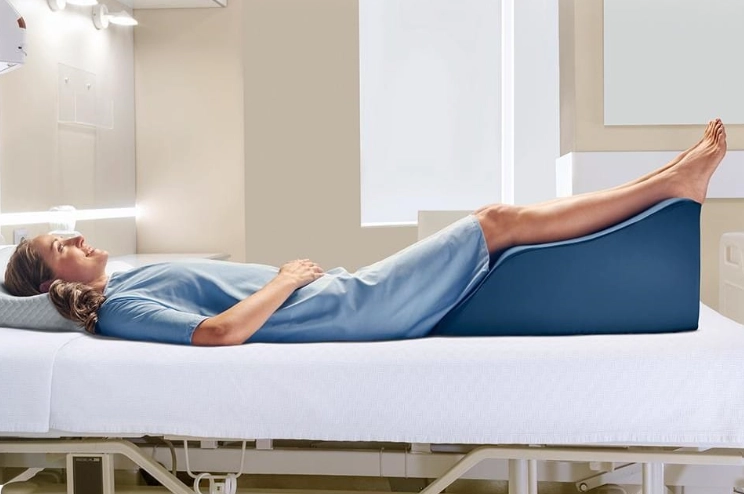
I got deep into this rabbit hole after a particularly bad bout of sinus congestion. My partner swore by stacking three pillows, claiming it was the only way to breathe. I, the purist, insisted on my single, flat pillow for proper spinal alignment. We were both miserable in our own ways. That got me digging. And what I found wasn't a simple "yes" or "no," but a fascinating look at how our bodies work during those eight hours of shutdown.
This whole flat versus elevated sleep question isn't just about comfort. It's about gravity, anatomy, and a bunch of specific health conditions that respond dramatically to a simple change in angle. So let's ditch the one-size-fits-all advice and break down who truly benefits from raising their head (or their whole upper body), and who might be better off keeping things level.
The Core of the Matter: Gravity and Your Body at Rest
Before we pick sides, let's understand the playing field. When you sleep, your body isn't just idling. It's repairing, processing, and managing fluids. Gravity plays a constant role.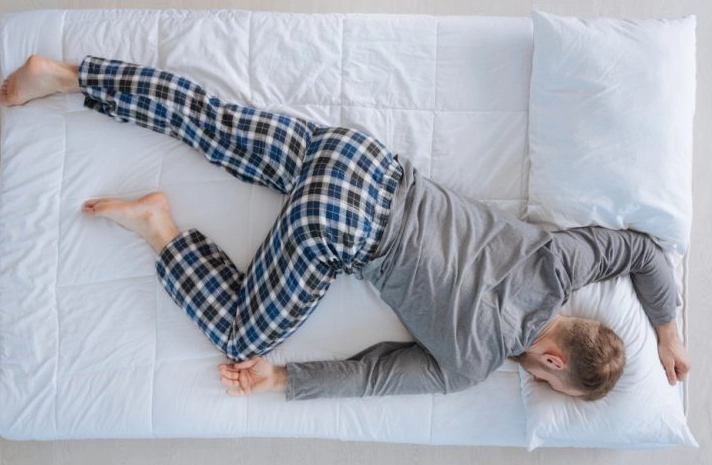
Sleeping flat on a properly supportive mattress is considered the anatomical neutral position. Your spine can maintain its natural curves—the slight inward curve at your neck (cervical lordosis), the outward curve in your upper back (thoracic kyphosis), and the inward curve in your lower back (lumbar lordosis). Major organizations like the National Institute of Neurological Disorders and Stroke often discuss spinal health in the context of proper support, which is easiest to achieve in a neutral, flat position for the average person without specific issues. The idea is to minimize stress on muscles and ligaments.
Elevated sleeping, on the other hand, intentionally uses gravity as a tool. By raising your head above your stomach, you can help prevent stomach acid from creeping up your esophagus. By raising your head above your chest, you can reduce tissue vibration in your airway that causes snoring. It's a mechanical intervention.
So, is it healthier to sleep flat or elevated? See, the question itself is flawed. The better question is: healthier for *what*, and for *whom*?
The Case for Sleeping Flat (The Traditionalist's View)
For most people without specific medical complaints, the gold standard has long been sleeping flat on your back (supine position) or side. The primary champion here is spinal alignment.
Why Going Flat Can Be Great:
- Spinal Support: It allows your mattress and pillow to work together to support the natural curvature of your spine from neck to tailbone. This can reduce general morning stiffness and aches.
- Pressure Distribution: Lying flat distributes your body weight more evenly, which is especially good for side sleepers in preventing shoulder and hip pressure points.
- Minimizes Wrinkles? Anecdotally, many dermatologists suggest sleeping flat on your back can reduce sleep lines and compression wrinkles on your face. Not a health benefit per se, but a concern for some!
- Less Neck Strain: Provided you have the right pillow, a flat position avoids the awkward, sustained craning that a pile of pillows can create, which is a common cause of neck pain (cervicalgia).
But here's the catch – and it's a big one. "Flat" doesn't mean your head should be slammed down onto the mattress. That's a recipe for neck strain. The goal is for your head, neck, and spine to be in a straight, neutral line. If you're a back sleeper, your pillow should fill the space under your neck to maintain that cervical curve. If you're a side sleeper, you need a thicker pillow to keep your head from tilting down toward the mattress. A lot of the hate for "flat sleeping" comes from people using terrible pillows.
I made that mistake for years. I thought a flat pillow was the "correct" choice. Turns out, I was basically sleeping with my neck in extension all night. No wonder I woke up feeling like I'd been in a minor wrestling match.
The Case for Sleeping Elevated (The Problem-Solver's Approach)
This is where things get practical. Elevated sleeping isn't usually recommended as a universal good. It's a targeted solution. The elevation we're talking about isn't just a fluffy pillow under your head. True therapeutic elevation involves raising your *entire* upper body, from the waist up, at a gradual incline. A wedge pillow or an adjustable bed base is ideal. Stacking pillows often just bends your neck uncomfortably.
Key Takeaway: If you're asking "is it healthier to sleep flat or elevated?" because of a specific symptom, elevation is likely your friend. For general wellness without issues, flat is probably fine.
Let's look at the big three reasons people turn to elevation:
1. Taming the Fire: Acid Reflux and GERD
This is the most backed-by-science reason to sleep elevated. Gastroesophageal reflux disease (GERD) and its less severe cousin, acid reflux, happen when stomach acid flows back into the esophagus. Lying flat makes this easy. Gravity is no longer your friend.
Elevating the head of your bed by 6 to 8 inches (about 15-20 cm) is a first-line lifestyle recommendation from sources like the Mayo Clinic. This angle uses gravity to keep acid in your stomach where it belongs. It's often more effective than just propping up your head on pillows, which can kink your stomach and make things worse. For reflux sufferers, the answer to "is it healthier to sleep flat or elevated?" is a resounding vote for elevation.
2. Clearing the Air: Snoring and Sleep Apnea
Snoring happens when the tissues in your throat relax and vibrate. Mild positional snoring can often be improved by sleeping on your side, but elevation can also help. By elevating your upper body, you can open up the airway passages a bit more. For obstructive sleep apnea (OSA), which is more serious, elevation is sometimes used as a supplementary measure alongside primary treatments like CPAP therapy. The American Academy of Sleep Medicine notes that positional therapy (including elevation) can be part of a management plan, though it's not a cure-all.
3. Draining the Swamp: Sinus and Respiratory Congestion
When you have a cold, sinus infection, or allergies, mucus pools in your nasal passages and sinuses. Lying flat can make you feel like you're drowning. A gentle elevation helps promote drainage through the night, making it easier to breathe. It's a simple, drug-free way to get some relief. I can personally vouch for this one—during that sinus episode, a wedge pillow made the difference between mouth-breathing misery and actual rest.
The Head-to-Head Comparison
Let's lay it out clearly. This table sums up the core debate around whether it is healthier to sleep flat or elevated.
| Consideration | Sleeping Flat | Sleeping Elevated |
|---|---|---|
| Primary Goal | Neutral spinal alignment, natural posture | Symptom management using gravity |
| Best For | General population without specific issues, back/side sleepers focusing on spine health | People with acid reflux/GERD, chronic snoring, sinus congestion, certain types of back pain |
| Spinal Health | Optimal when done correctly with proper pillow support | Can be good if whole upper body is elevated (wedge); poor if only neck is propped (pillow stack) |
| Acid Reflux | Can worsen symptoms | First-line non-pharmacological treatment |
| Snoring | May have no effect or worsen it | Can reduce mild, positional snoring |
| Comfort Perception | Feels "normal" and stable for many | Can feel strange at first; risk of sliding down |
| Ease of Setup | Standard bed setup | Requires wedge pillow, adjustable bed, or bed risers |
Looking at that table, the choice starts to become less of a mystery and more of a diagnosis.
Navigating the Gray Areas: Back Pain, Pregnancy, and More
Life isn't always simple. What about those in-between states?
Back Pain: A Complicated Guest
This is tricky. For some types of lower back pain (like from spinal stenosis or disc issues), a slight flexion—like the fetal position or a bit of elevation under the knees—can relieve pressure. For others, a firm, flat surface is best. The U.S. National Institute of Arthritis and Musculoskeletal and Skin Diseases generally recommends experimenting to find what relieves pain, noting that proper support is key. If your back pain is linked to reflux (you're taking lots of NSAIDs, for instance), the benefits of elevation for your gut might outweigh other factors. You might need to try both.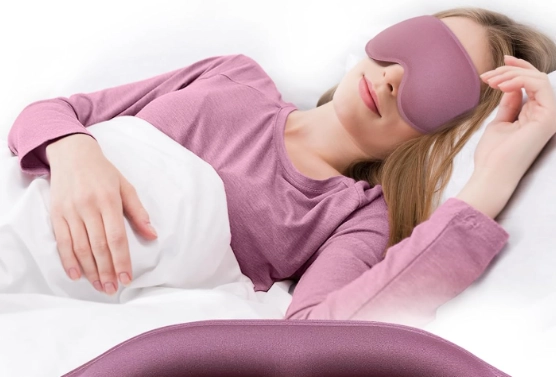
My uncle swears by a small pillow under his knees while sleeping flat. Takes the pressure off his lower back, he says. For him, that hybrid approach works.
Pregnancy: The Ultimate Test
Later in pregnancy, sleeping flat on your back is not advised. The weight of the uterus can compress a major blood vessel called the vena cava, reducing blood flow. Doctors overwhelmingly recommend sleeping on your side (the "left side" is often touted as best). But here, elevation can come to the rescue again! Many pregnant people use wedge pillows to prop themselves into a semi-reclined side position, which can help with both heartburn (very common in pregnancy) and breathing comfort. So for them, a modified elevation is often healthier than sleeping flat.
Circulation and Swelling
For leg swelling (edema), elevating the *feet* is the goal, not the head. But for general circulation, moving away from perfectly flat isn't inherently bad. Our bodies are adaptable.
A quick aside: I tried a 7-inch wedge pillow for a month to help with occasional heartburn. The first few nights felt like I was sleeping on a slide. I’d wake up at the bottom of the bed. It takes real commitment to get used to. The benefits were real for my digestion, but my shoulders missed being flat. There’s always a trade-off.
How to Do It Right: Practical Tips for Either Choice
Okay, so you've decided to try one or the other. Doing it wrong can cause more problems than it solves.
If You Choose Flat Sleeping:
- Invest in Your Pillow: This is non-negotiable. Back sleepers need a thinner, supportive pillow that cradles the neck. Side sleepers need a firmer, higher pillow to fill the gap between ear and shoulder. Stomach sleepers (who we haven't even discussed because it's tough on the spine) need a very thin, almost flat pillow.
- Check Your Mattress: If it's sagging, no pillow in the world will give you proper alignment. Your hips and shoulders should be supported.
- The Arm Test: When lying on your side in a fetal position, you shouldn't be able to easily slide your hand under your waist. That's a sign of good alignment.
If You Choose Elevated Sleeping:
- Ditch the Pillow Stack: Seriously. It bends your neck into a sharp angle. The goal is a straight incline from your hips.
- Get a Wedge Pillow or Adjustable Base: A foam wedge that goes under your mattress pad or sheet is the most affordable solution. An adjustable bed is the gold standard. The ideal incline is between 30 and 45 degrees for reflux.
- Prevent the Slide: This is the biggest complaint. A wedge with a textured cover or a mattress that tilts with an adjustable base helps. You can also try placing a pillow under your knees to stabilize your body.
- Start Low: If you're new to it, try a lower incline (like 15 degrees) and work your way up. Your body needs to adapt.
So, after all this, is it healthier to sleep flat or elevated? You see why I can't give you a single answer.
The Final Verdict: Listen to Your Body
After all this research and talking to experts (and my own failed pillow experiments), here's my take.
The question "is it healthier to sleep flat or elevated?" is best reframed as "what is my body trying to tell me it needs?"
Are you waking up with heartburn? Try elevation.
Is your partner complaining about your snoring? Try elevation (and maybe see a doctor).
Do you have generic neck and back stiffness? Optimize your flat sleep setup first—get a better pillow, check your mattress.
For the majority of people without pressing symptoms, sleeping flat with excellent support is a safe, healthy default. It's what our beds are designed for. But modern life—with its rich foods, stress, and allergies—means a significant chunk of us have bodies that genuinely benefit from a mechanical assist at night.
Don't be afraid to experiment. Your sleep isn't a dogma. It's a nightly experiment in what makes you feel restored and pain-free in the morning. Maybe that's a perfectly flat, firm surface. Maybe it's a gentle, 20-degree incline on a memory foam wedge. The healthiest sleep position is the one that addresses your unique combination of anatomy and ailments, letting you wake up feeling like you actually rested.
And if you're still unsure? Talk to your doctor or a physical therapist. They can look at your specific situation—something no generic article can do—and help you solve the real puzzle: getting your best night's sleep.
Reader Comments