If you have ADHD and find yourself staring at the ceiling at 2 AM, your brain buzzing like a beehive, you're not just "bad at sleeping." The link between ADHD and sleep problems isn't a coincidence—it's a core feature for many of us. Up to 75% of adults with ADHD report significant insomnia. The reason "why can't I sleep ADHD" isn't one thing; it's a perfect storm of neurobiology, habits, and a world not built for our brains. But here's the good news: understanding the why is the first step to finding a how that actually works.
What's Inside?
The ADHD and Sleep Connection: It's Not Just in Your Head
Let's break down the main culprits. It's rarely just one.
1. The Racing Mind and Difficulty "Shutting Off"
This is the classic. You get into bed, and suddenly your brain decides to replay that awkward thing you said in 2012, plan your entire retirement, and solve a work problem—all at once. For the ADHD brain, quiet time is often invitation-only for intrusive thoughts. The lack of mental brakes during the day doesn't magically reappear at night.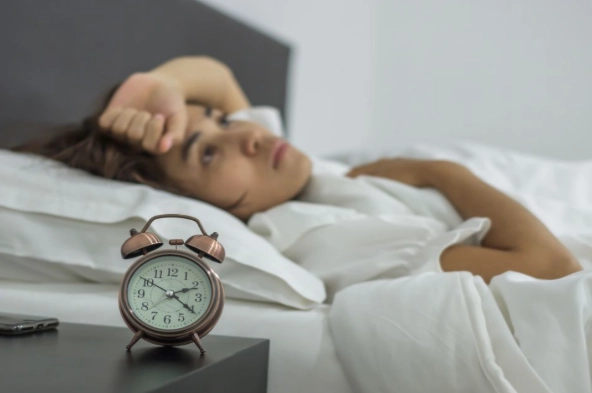
2. Delayed Sleep Phase Syndrome (DSPS)
This is a big one that doesn't get enough attention. Many with ADHD have a circadian rhythm that's literally shifted later. Your body's natural "sleepy time" might be 2 AM, not 11 PM. Fighting this is like trying to fall asleep in the middle of your biological afternoon. It's not a lack of willpower; it's a mismatch between your internal clock and society's clock.
3. The Dopamine Connection and Under-Stimulation
ADHD is closely tied to dopamine regulation. During the day, we seek stimulation. At night, when everything is quiet and still, that lack of stimulation can feel unbearable. Lying in a dark, quiet room might be the most under-stimulating environment possible, making your brain scream for something—hence, reaching for the phone.
4. Hyperfocus and Time Blindness at Night
You finally have quiet, uninterrupted time after everyone's asleep. You start a project, a book, or a video game, and suddenly it's 4 AM. The ADHD trait of hyperfocus, combined with poor time perception, can completely obliterate any intention of a regular bedtime.
5. Side Effects of ADHD Medication
Stimulant medications, if taken too late in the day, can obviously interfere with sleep. But there's a subtler issue: the "crash." As medication wears off, some people experience rebound hyperactivity or mood crashes that can paradoxically make it harder to wind down.
How to Design a Sleep Plan an ADHD Brain Can Actually Follow
Forget generic "sleep hygiene" lists. They often fail for ADHD because they require sustained, boring consistency. We need strategies that work with our neurology.
Build a "Buffer Zone" Routine (Not a 10-Step Perfect One)
A 60-minute wind-down routine is a fantasy for most of us. Start with a 30-minute buffer zone. This isn't about doing specific calming activities perfectly. It's about creating a clear signal that "daytime brain" is over.
A Sample Buffer Zone That Might Stick:
- Minute 0-10: Physical shutdown. Brush teeth, wash face, get into pajamas. The tactile routine helps.
- Minute 10-25: Mental download. This is critical. Use a notes app or a physical notebook. Don't just write a to-do list. Dump every thought, worry, and brilliant idea onto the page. The goal is to get it out of your head's RAM and onto external storage.
- Last 5 minutes: Sensory anchor. One thing only. Listen to the same 5-minute sleep story or soundscape every night. The repetition builds a powerful Pavlovian response.
Master Your Environment for an ADHD Brain
Your bedroom should be a sleep cave, designed to eliminate choice and distraction.
- Light: Blackout curtains are non-negotiable. Consider a sunrise alarm clock that uses light to help regulate your circadian rhythm, especially for DSPS.
- Sound: Complete silence can be distracting. Try brown noise or rain sounds—it provides constant, low-level stimulation that can quiet internal chatter better than silence. (I use a simple fan app).
- Temperature & Touch: Cool room (around 65°F/18°C). A weighted blanket (look for one around 10% of your body weight) can provide deep pressure input that is incredibly calming for many with ADHD.
- The Phone Problem: Charging your phone outside the bedroom is the gold standard. If that feels impossible, use a physical locker box with a timer, or an app that locks everything except your white noise player after a certain time.
Daytime Habits That Pay Off at Night
Sleep starts in the morning.
- Morning Light: Get 10-15 minutes of natural sunlight within an hour of waking. This is the single most powerful signal to reset a delayed circadian rhythm.
- Strategic Exercise: Don't just "exercise more." Aim for movement earlier in the day. Even a 20-minute brisk walk can help regulate sleep-wake cycles. Avoid intense exercise too close to bedtime.
- Caffeine & Medication Timing: Talk to your doctor about your medication schedule. A common tweak is taking your last dose no later than 2 PM. For caffeine, set a hard cut-off time (e.g., 2 PM) and stick to it.
| Common Advice | Why It Fails for ADHD | ADHD-Friendly Alternative |
|---|---|---|
| "Read a book in bed." | Can lead to hyperfocus, losing track of time. | Read in a chair outside the bedroom. Set a timer. Bed is for sleep only. |
| "Just clear your mind." | Impossible instruction for a busy brain. | Practice "noting." Acknowledge thoughts ("there's the work worry") and let them pass like clouds. Or use the mental download journal. |
| "Go to bed at the same time every night." | Feels rigid, sets up for failure with DSPS. | Focus on a consistent wake-up time first, even on weekends. Let bedtime follow naturally. |
Common ADHD Sleep Traps (And How to Sidestep Them)
Here's where experience matters. These are the subtle mistakes I see people make over and over.
Trap 1: Lying in Bed Awake for More Than 20 Minutes. This conditions your brain to see the bed as a place for frustration and anxiety. If you're not asleep or feeling drowsy after 20 minutes, get up. Go to a dimly lit chair and do something boring (no screens). Read a physical manual. Fold laundry. Only return to bed when you feel sleepy.
Trap 2: Using the Bed for Anything But Sleep and Sex. Working, scrolling, watching thrilling shows—all of these create an association of arousal and activity with your bed. Be ruthless about this boundary.
Trap 3: Trying to Solve Your Sleep Problem at 3 AM. Your problem-solving brain is offline. Your anxious, emotional brain is in charge. Any plan you make at 3 AM will be fueled by desperation. Make your sleep plan during the day, when you're rational. Write it down. At night, your only job is to execute the pre-made plan.
Trap 4: Over-Reliance on Sleep Trackers. These can increase anxiety ("sleep performance") and aren't always accurate. Use them to spot trends over weeks, not to judge each night. If it causes more stress, ditch it.
When It's Time to Get Professional Help for ADHD Sleep Issues
If you've tried consistent strategies for a month and see no improvement, or if your sleep problems are severely impacting your daytime function, it's time to bring in the pros.
- Talk to Your ADHD Doctor/Psychiatrist: They can review your medication timing, type, and dosage. Sometimes a small adjustment or adding a non-stimulant medication at night can help.
- Consider a Sleep Specialist: Look for one familiar with neurodivergence. They can diagnose and treat conditions like DSPS, Restless Legs Syndrome (common with ADHD), or sleep apnea.
- Cognitive Behavioral Therapy for Insomnia (CBT-I): This is the gold-standard psychological treatment for chronic insomnia. It's structured and skill-based, which can work well for the ADHD mind. It focuses on changing thoughts and behaviors around sleep.
Your ADHD Sleep Questions, Answered
My ADHD medication keeps me awake if I take it too late, but I crash hard if I take it too early. What should I do?
This is a common tightrope walk. The first step is an honest conversation with your prescriber. Options can include: splitting your dose (a smaller afternoon booster), switching to a longer-acting formulation taken first thing to avoid a sharp afternoon crash, or exploring non-stimulant options for 24-hour coverage. Don't experiment on your own—work with your doctor on a structured trial.
I've heard melatonin can help with ADHD sleep. How should I use it?
Melatonin is a chronobiotic—it helps time sleep, not induce it. For ADHD-related DSPS, it can be very effective. The key is timing and dose. Take it 1-2 hours before your desired bedtime, not right at bedtime. Start with a very low dose (0.5mg to 1mg). More is not better and can cause morning grogginess. Think of it as a signal to your brain, not a sleeping pill.
My mind races with creative ideas as soon as I lie down. How do I stop this without losing the ideas?
Don't try to stop it. Your creative brain is finally free from daytime demands. Instead, have a dedicated "idea capture" system by your bed. A voice recorder app or a specific notebook. Give yourself permission to speak or scribble the idea for 60 seconds—get the core of it out. Then tell yourself, "It's captured. I can develop it tomorrow." This satisfies the brain's need to not lose the thought and allows it to disengage.
Is it true that people with ADHD need less sleep?
This is a dangerous myth. People with ADHD often get less sleep, but we need the same 7-9 hours as anyone else. In fact, sleep deprivation massively worsens ADHD symptoms like focus, emotional regulation, and impulsivity the next day, creating a vicious cycle. The goal is adequate, quality sleep, not adapting to less.
What if my partner's sleep habits are completely different from what I need?
This requires negotiation and sometimes compromise. Use white noise headphones (like sleep headbands) so you can listen to your sounds while they listen to theirs. Consider separate blankets or even a mattress that minimizes motion transfer. Have an open talk about your different neurological needs—it's not about preference, it's about biology. Finding solutions together, like you agreeing to leave the room if you're restless, can reduce resentment.
Reader Comments