You know the feeling. The alarm goes off, you've technically been in bed for eight hours, but your body feels heavy, your mind is foggy, and you're reaching for the coffee pot before you're fully vertical. Sound familiar? This is the classic sign of poor sleep quality, and it's a problem no amount of time in bed can fix. That's where a proper sleep quality test comes in. Forget just counting hours. We're going to measure what actually matters.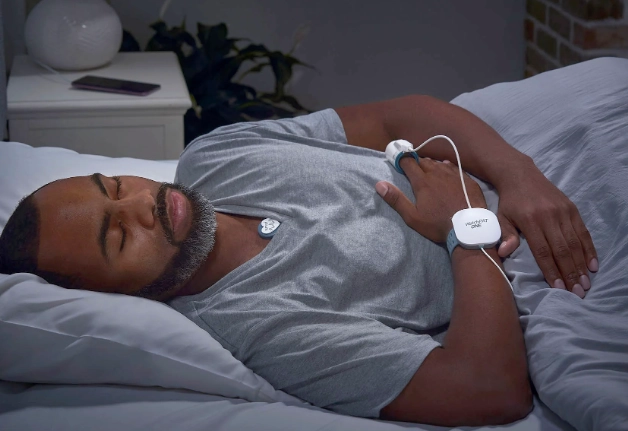
Here's the truth most generic articles won't tell you: obsessing over sleep stage percentages from your fitness tracker is often a waste of energy. The real gold is in simpler, more actionable data.
What's Inside This Guide
What Exactly is a Sleep Quality Test?
Let's clear up a big misconception. A sleep quality test isn't just one thing you do in a lab. It's a process of gathering data about your sleep to answer one core question: Is your sleep doing its job of restoring your body and mind?
The gold standard, a polysomnogram done in a sleep clinic, measures brain waves, eye movement, muscle activity, and heart rhythm. It's incredibly precise for diagnosing disorders like sleep apnea. But for most of us trying to improve our nightly rest, it's overkill—expensive, inconvenient, and doesn't reflect your sleep in your own bed.
A practical sleep quality test for everyday life blends objective measures (like how long you were actually asleep) with subjective ones (how you feel in the morning). The goal isn't a medical diagnosis, but a personal audit. You're playing detective on your own sleep.
How to Test Your Sleep Quality at Home
You need two types of data: the story your body tells, and the story you tell yourself. We'll combine them.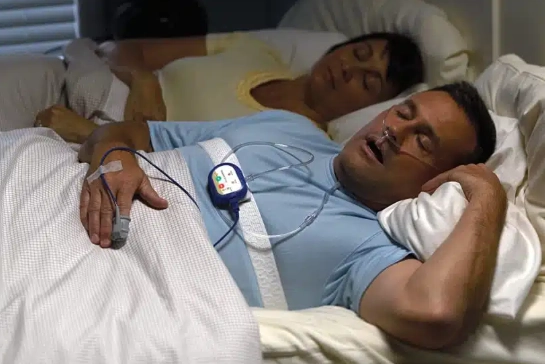
1. The Subjective Test: Your Sleep Diary
This is the oldest, cheapest, and in many ways, most insightful tool. Don't overcomplicate it. For one to two weeks, jot down these five things every morning:
- Time into bed: When you got under the covers.
- Lights-out time: When you actually tried to sleep.
- Sleep onset: Your estimate of how long it took to fall asleep.
- Night awakenings: How many times you remember waking up.
- Final wake time: When you got up for the day.
Then, give yourself a single number: a "Morning Refreshment Score" from 1 (completely exhausted) to 5 (completely refreshed). This subjective score is crucial—it's the whole point of the exercise.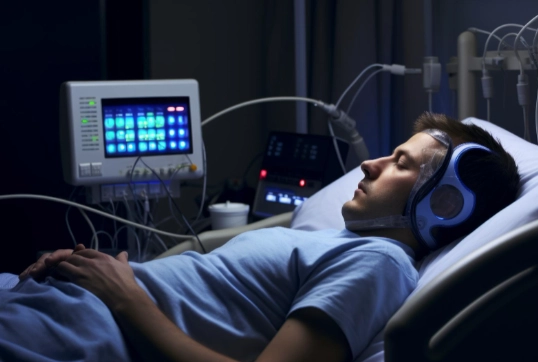
2. The Objective Test: Technology as a Tool (Not a Tyrant)
This is where wearables and apps come in. Their real value isn't in perfect accuracy, but in showing trends. Here’s a quick breakdown of what they actually measure well, and what they guess at.
>| Device Type | What It Measures Well | What It Estimates (Take with a grain of salt) | Best For |
|---|---|---|---|
| Wearable Ring (e.g., Oura, RingConn) | Heart rate, heart rate variability (HRV), body temperature, movement. | Sleep stages (Light, Deep, REM), respiratory rate. | Tracking physiological trends over time, readiness scores. |
| Wrist Tracker (e.g., Fitbit, Garmin, Apple Watch) | Movement, heart rate, time in bed vs. asleep. | Sleep stages, blood oxygen (SpO2) during sleep. | General sleep/wake patterns, basic sleep duration and consistency. |
| Smartphone App (e.g., Sleep Cycle) | Movement via accelerometer/microphone, sleep/wake times. | Sleep quality score, sleep stages. | Minimalists who don't want a wearable, tracking snoring. |
| Under-Mattress Pad (e.g., Withings) | Heart rate, breathing rate, movement, time in/out of bed. | Sleep cycles. | People who hate wearing anything to bed. |
My advice? Pick one objective tool and stick with it for at least a month. The consistency of data from one device is more valuable than jumping between apps. I used a Fitbit for years before switching to a ring, and the ring's temperature data gave me a new clue—my sleep was noticeably worse when my bedroom was even a degree too warm.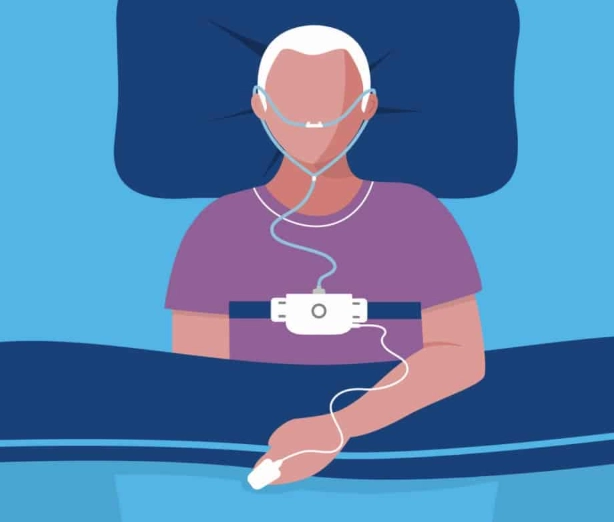
What Your Results Mean (And What to Do Next)
You've got a week of diary notes and device data. Now, look for these three concrete patterns:
Pattern 1: Low Sleep Efficiency
This is your most important number. Sleep Efficiency = (Time Asleep / Time in Bed) x 100. Calculate it for each night. Aim for 85% or higher. If you're spending 9 hours in bed but only sleeping 6.5, your efficiency is 72%—that's a problem.
What it means: You're either taking too long to fall asleep (long sleep latency) or spending too much time awake in the middle of the night (poor sleep continuity).
Action Step: Practice "sleep restriction." It sounds harsh, but it works. If you normally spend 9 hours in bed, only allow yourself 7.5 hours for a week (e.g., bedtime at 11:30 PM, alarm at 7:00 AM). Get up at 7:00 AM no matter what. This builds a stronger sleep drive and compresses your sleep into a more efficient window. Gradually extend your time in bed as your efficiency improves.
Pattern 2: High Variability in Sleep/Wake Times
Look at your diary or app's weekly view. Is your bedtime and wake time all over the place? Social jetlag—a different schedule on weekends—is a massive sleep quality killer.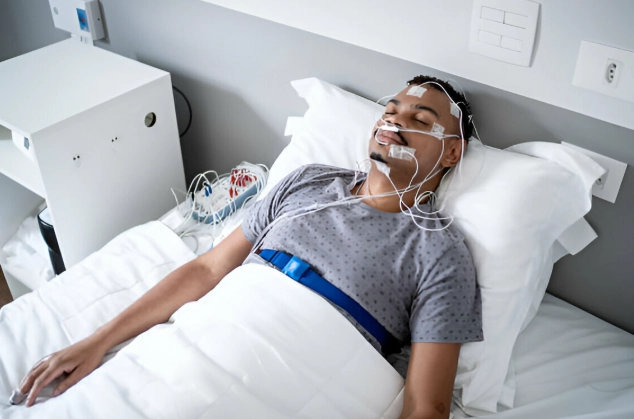
Action Step: Don't try to fix both at once. Start with wake time. Set a consistent wake-up time every single day, even weekends, and stick to it within 30 minutes. Let your bedtime fall where it may initially. A consistent wake time anchors your circadian rhythm more effectively than a consistent bedtime.
Pattern 3: Good Data, Bad Feeling
This is the most frustrating scenario. Your tracker says you slept 8 hours with "good" scores, but your Morning Refreshment Score is a 2. This is where subjective trumps objective.
What it means: The quality of your sleep is being undermined by something the tracker can't measure well: sleep architecture disruptions (brief awakenings you don't remember) or non-restorative sleep. Common culprits are undetected sleep apnea (especially if you snore), medication side effects, or high stress/anxiety.
Action Step: This is where you audit your sleep hygiene with a fine-tooth comb. For one week, implement a strict 60-minute pre-bed buffer zone: no screens, no work, no stressful conversations. Do something calm—read a physical book, listen to music, gentle stretching. Note any change in your morning feeling. If nothing changes, it's a stronger signal to consider the professional testing discussed below.
When a Home Test Isn't Enough
Home sleep quality tests are for optimization, not diagnosis. You should talk to your doctor or a sleep specialist if your self-testing reveals any of these red flags:
- Persistent, loud snoring followed by gasping or silence (reported by a partner).
- Overwhelming daytime sleepiness where you fall asleep unintentionally (like in meetings or while driving).
- The sensation of your legs needing to move at night, relieved by moving them (Restless Legs Syndrome).
- Chronic insomnia where you're awake for more than 30 minutes most nights, despite good sleep habits, for over a month.
In these cases, a professional might recommend a take-home sleep apnea test or an in-lab study. These tests use more advanced sensors to look for specific disorders. It's a different league of testing, with a different goal.
Questions You Might Still Have
My sleep tracker shows very little deep sleep. Should I be worried?
What's the single most revealing metric in a home sleep quality test?
I keep a sleep diary but my notes are all over the place. What should I actually track?
When is a DIY sleep test not enough and I should see a doctor?
The goal of a sleep quality test isn't to achieve a perfect score every night—that's impossible. It's to gather honest feedback about your sleep habits so you can make targeted, effective changes. Start with the two-week diary and your chosen tech tool. Look for the patterns, not the single bad night. Then, tackle one issue at a time, whether it's a too-warm room, late caffeine, or a scrolling habit before bed. Your sleep isn't just a number; it's how you feel. Let your personal data guide you there.
Reader Comments