You drift off to sleep, everything feels fine, then bam—you're wide awake exactly two hours later. It's frustrating, confusing, and can ruin your whole night. I've been a sleep coach for over a decade, and this specific pattern is one of the most common complaints I hear. The good news? It's usually fixable once you understand what's really going on. In most cases, waking up after two hours ties directly to natural sleep cycle transitions, but often it's amplified by habits you might not even notice.
What You'll Find Here
The Science Behind Waking Up After 2 Hours
Sleep isn't a flat line from dusk till dawn. It's a series of cycles, each lasting about 90 to 120 minutes. When you first fall asleep, you dive into deep sleep (stages 3 and 4), which is crucial for physical restoration. After roughly 90 minutes, you start to transition into lighter sleep, like REM sleep where dreaming happens. That transition point—around the two-hour mark—is a vulnerable spot. Your brain is shifting gears, and if anything disrupts it, you pop awake.
Think of it like a car changing gears. If the engine's rough or the road is bumpy, you might stall. Similarly, factors like noise, stress, or even blood sugar dips can jolt you awake during this natural shift. The National Sleep Foundation notes that these awakenings are normal if you fall back asleep quickly, but when they become consistent, it's a sign of sleep maintenance insomnia.
Here's a key detail most people miss: your body's core temperature drops during deep sleep and starts to rise as you move toward lighter sleep. If your bedroom is too warm or you're bundled up, that temperature rise can feel uncomfortable and wake you up precisely at that two-hour point.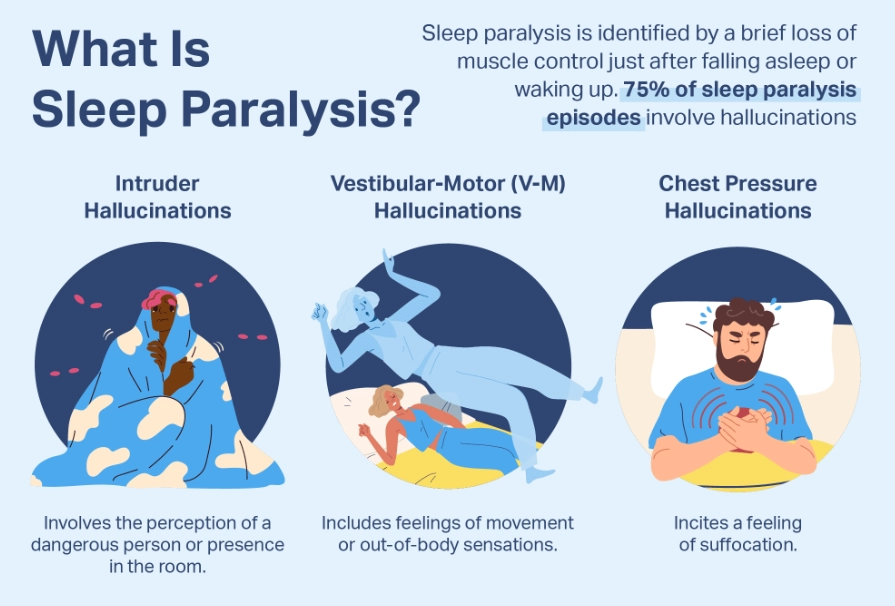
Common Causes You Might Be Overlooking
Everyone blames stress or caffeine, but after working with hundreds of clients, I've seen patterns that often fly under the radar. Let's break them down.
Sleep Cycle Timing
As mentioned, the two-hour mark aligns with the end of your first sleep cycle. If you have an irregular bedtime, your body might not sync properly, making those transitions jarring. For example, if you usually sleep at 10 PM but one night you hit the sack at midnight, your internal clock gets confused.
Diet and Hydration Tricks
What you eat or drink before bed plays a huge role. A heavy meal too close to bedtime can cause digestion to kick in just as you're transitioning to lighter sleep. But here's a non-consensus point: it's not just about avoiding food. Low blood sugar can wake you up too. If you eat dinner early at 6 PM and sleep at 10 PM, by midnight your body might be signaling for energy, pulling you out of sleep.
Alcohol is a big culprit. It might help you fall asleep faster, but as it metabolizes, it fragments sleep, often causing awakenings around the two-hour mark. I had a client who cut out her nightly glass of wine and saw immediate improvement.
Environmental Factors
Noise and light are obvious, but what about your mattress? An old or unsupportive mattress can cause discomfort that becomes noticeable during sleep transitions. Also, partner movement—if they snore or shift, it might not wake you initially, but during that light sleep phase, it can.
Pro tip: Many people immediately check the time when they wake up, which adds anxiety and makes it harder to fall back asleep. Try covering your clock or turning it away. The mental countdown of "I only have X hours left" is a surefire way to stay awake.
How to Stop Waking Up in the Middle of the Night
Fixing this isn't about one magic trick. It's a combination of tweaks. Start with these actionable steps.
Immediate Fixes for Tonight
If you're waking up right now, try this: don't fight it. Get out of bed, go to another room, and do something boring under dim light—like reading a physical book (no screens!). After 15-20 minutes, return to bed. This helps break the association between wakefulness and your bedroom. I know it sounds counterintuitive, but staying in bed frustrated trains your brain to see bed as a place for anxiety.
Adjust your bedroom temperature. Aim for around 65°F (18°C). Use breathable bedding. A cool room supports your body's natural temperature drop and rise.
Long-Term Strategies
Consistency is king. Go to bed and wake up at the same time every day, even on weekends. This stabilizes your sleep cycles. According to the Centers for Disease Control and Prevention (CDC), irregular sleep schedules are linked to poor sleep quality.
Review your evening routine. Stop eating 2-3 hours before bed. If you need a snack, opt for something light with protein and complex carbs, like a small handful of nuts. Avoid caffeine after 2 PM—its half-life can linger and disrupt sleep transitions.
Manage stress proactively. Instead of just meditation, try journaling before bed. Write down worries or a to-do list for the next day. It gets them out of your head. One client of mine started this and reduced her nighttime awakenings by 80% in two weeks.
Expert Insights: What Sleep Specialists Rarely Tell You
In my experience, many sleep articles repeat the same advice. Here's what they often miss.
First, the role of conditioning. If you've been waking up at the same time for weeks, your brain might be conditioned to do so. It becomes a habit. To break it, you need to disrupt the pattern—like changing your pre-sleep routine or even sleeping in a different room for a few nights. It sounds extreme, but it resets your associations.
Second, underlying health issues. Sleep apnea or restless legs syndrome can cause awakenings, but they often peak during specific sleep stages. For example, sleep apnea events are more common during REM sleep, which can align with that two-hour mark. If simple fixes don't work, consult a doctor. A study published in the Journal of Clinical Sleep Medicine highlights that untreated sleep disorders frequently manifest as maintenance insomnia.
Lastly, the impact of light exposure. Not just at night, but in the morning. Getting bright light within 30 minutes of waking helps regulate your circadian rhythm, making nighttime sleep more stable. Most people focus on avoiding blue light at night, but morning light is equally crucial.
Frequently Asked Questions (FAQ)
 Why do I only wake up after 2 hours, not at other times?
Reader Comments