Here’s a Quick Overview
You know the feeling. The alarm goes off after a solid eight hours in bed. You didn't wake up once (or at least, you don't remember waking up). By all accounts, you got enough sleep. But as you drag yourself out from under the covers, your body feels heavy, your mind is foggy, and the thought of facing the day is almost too much. You're not just a little sleepy—you're deeply, profoundly tired. It's frustrating, confusing, and honestly, a bit scary. If sleep is supposed to be the great reset, why does it feel like your battery is still stuck at 20%?
This experience of being tired after enough sleep is way more common than you might think. I've been there myself. For months, I'd clock in my hours, avoid screens before bed, do everything "right," and still feel like I was running on empty by 10 AM. I started wondering if this was just what adult life felt like. Spoiler alert: it's not. Feeling chronically tired despite adequate time in bed is your body's way of sending up a major flare. It's a signal that something is off, and that "something" is rarely just about the number of hours you log.
The Core Problem: It's Not About Quantity, It's About Quality
This is the single biggest misconception that keeps people stuck in a cycle of fatigue. We've been hammered with the "8-hour rule" for so long that we've forgotten what sleep is actually for. Sleep isn't just a period of unconsciousness. It's an active, complex series of stages your brain and body cycle through to perform essential maintenance. If that cycle gets disrupted, you can spend 10 hours in bed and still wake up feeling like you got hit by a truck.
Think of it like this: you can sit at your desk for 8 hours, but if you're scrolling social media the whole time, you haven't done 8 hours of productive work. Similarly, you can be in bed for 8 hours, but if you're not cycling properly through the stages of sleep—especially deep sleep (Stage 3 NREM) and REM sleep—you haven't gotten restorative rest. The feeling of being tired after enough sleep is almost always a loud, clear billboard pointing to poor sleep quality.
The Sleep Architecture: What's Supposed to Happen
To understand why you're tired, you need to know what good sleep looks like. A healthy night's sleep isn't one long block. It's made up of multiple 90-minute cycles, each containing four stages:
- Stage 1 (N1): The dozing-off phase. Lasts just a few minutes.
- Stage 2 (N2): Light sleep. Your body temperature drops and heart rate slows. This takes up about 50% of your night.
- Stage 3 (N3): Deep sleep. This is the non-negotiable, physically restorative phase. Tissue repair, immune strengthening, and energy restoration happen here. It's hardest to wake from.
- REM Sleep: The dream stage. Crucial for memory consolidation, learning, and mood regulation. Your brain is almost as active as when you're awake.
The magic happens in the balance and progression through these stages. If you have a sleep disorder or poor habits, you might get stuck in light sleep or have your deep/REM sleep constantly interrupted. The result? You guessed it: waking up tired after what seemed like enough sleep.
The Usual Suspects: What's Really Robbing Your Rest?
When you're constantly tired after enough sleep, it's time to play detective. The causes usually fall into a few big categories. Some are obvious, but many are sneaky and often overlooked.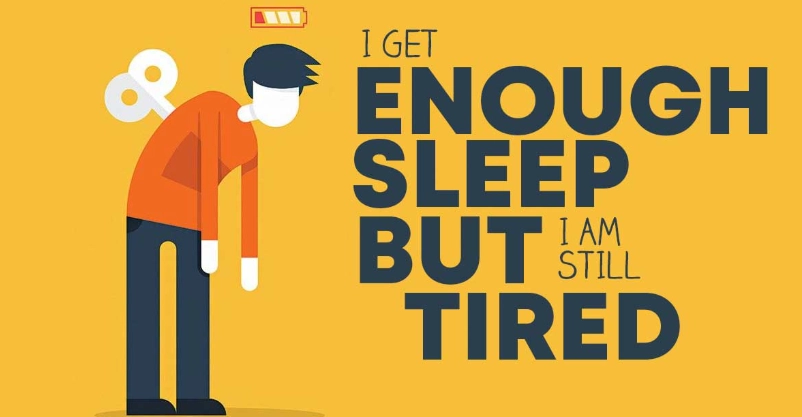
1. Sleep Disorders You Might Not Know You Have
This is the big one. Millions of people have undiagnosed sleep disorders that fragment their sleep, preventing them from reaching or maintaining the restorative stages. You might not even remember the disruptions.
| Disorder | How It Disrupts Sleep | Why You Still Feel Tired |
|---|---|---|
| Sleep Apnea | Repeated breathing pauses cause micro-awakenings to restart breathing. You might wake dozens of times an hour. | Constant interruptions prevent deep sleep cycles. Your brain is in a state of stress all night. The National Heart, Lung, and Blood Institute notes excessive daytime sleepiness as a primary symptom. |
| Restless Legs Syndrome (RLS) | An irresistible urge to move your legs, usually in the evening, delaying sleep onset. | Difficulty falling asleep reduces total sleep time and can cause frequent awakenings, chopping up your sleep architecture. |
| Periodic Limb Movement Disorder (PLMD) | Involuntary leg jerks or kicks during sleep every 20-40 seconds. | Similar to apnea, these movements cause micro-arousals, fragmenting sleep and reducing its restorative quality. |
| Insomnia | Difficulty falling asleep, staying asleep, or waking too early. | It directly reduces sleep opportunity and creates anxiety around sleep itself, which further degrades quality. |
The scary part about conditions like mild sleep apnea is that you might have no memory of waking up. You just wake up exhausted, with a dry mouth or a headache, wondering why you're so tired after a full night's sleep. A friend of mine was diagnosed in his 40s after years of fatigue. His wife finally noticed the choking sounds at night. He had no idea.
2. Lifestyle & Environment: The Silent Sleep Killers
Even without a clinical disorder, your daily habits and bedroom setup can be the reason you feel tired after enough sleep. These are the factors you have the most direct control over, thankfully.
- The Blue Light Trap: Scrolling your phone or watching TV right before bed isn't just distracting. The blue light emitted suppresses melatonin production, the hormone that tells your brain it's time for sleep. This can delay sleep onset and reduce sleep quality. It's not just a theory—the National Sleep Foundation has plenty of research on its effects.
- Inconsistent Schedule: Sleeping in on weekends feels great in the moment, but it throws your body's internal clock (circadian rhythm) completely out of whack. It's like giving yourself jet lag every single week. Come Monday morning, your body has no idea when it's supposed to be awake or asleep.
- Diet & Timing: A heavy, spicy, or large meal right before bed forces your digestive system to work overtime when it should be winding down. Alcohol is a major culprit too. It might help you fall asleep faster, but it absolutely wrecks the later stages of sleep, particularly REM. You'll often wake up after 4-5 hours and struggle to get back to quality sleep.
- Caffeine's Long Shadow: That 3 PM coffee? Its half-life is about 5-6 hours. So at 9 PM, half the caffeine is still circulating in your system, potentially making your sleep lighter and more fragile.
- A Bad Sleep Environment: Is your room too warm? Most people sleep best in a cool room (around 65°F or 18°C). Is it noisy? Is your mattress a decade old and sagging? Is light peeking through the blinds? All these factors can cause subconscious arousals, pulling you out of deep sleep without fully waking you.
3. Nutritional Deficiencies & Hydration
Your body needs specific building blocks to produce energy and regulate sleep. If you're running low, fatigue is a guaranteed outcome.
Iron Deficiency (Anemia): This is a huge one, especially for women. Iron is essential for producing hemoglobin, which carries oxygen to your cells. No oxygen, no energy. Fatigue is the number one symptom. You could be sleeping ten hours and still feel drained because your muscles and brain are literally oxygen-starved.
Vitamin D Deficiency: The "sunshine vitamin" plays a role in energy production and regulating mood. Low levels are strongly linked to fatigue and a general lack of vitality. Many people are deficient, especially those who work indoors or live in northern climates.
B Vitamins (B12, B9/Folate): These are crucial co-factors in your body's energy production cycle (the Krebs cycle, if you want to get technical). A deficiency, particularly in B12, can lead to profound fatigue and brain fog.
Dehydration: This is so simple it's often missed. Even mild dehydration can reduce blood volume, making your heart work harder to pump oxygen and nutrients around. The result? You feel sluggish and tired. And no, coffee and soda don't count toward your fluid intake—they often have a diuretic effect.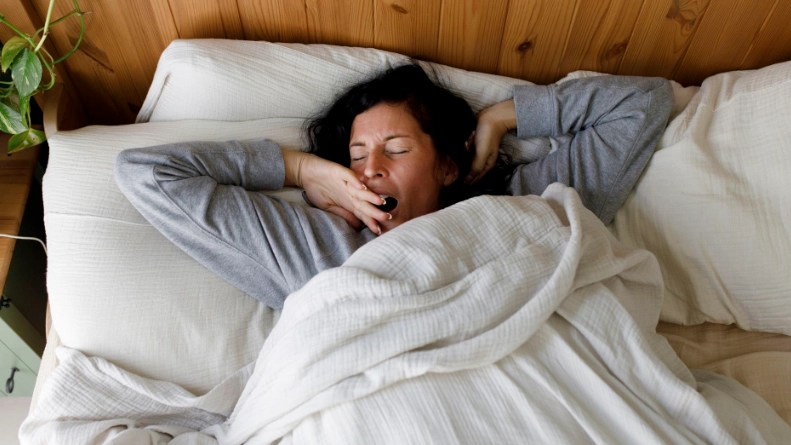
4. Mental Health & Stress
Your brain doesn't have an off switch. If you're carrying anxiety, chronic stress, or depression to bed, your mind is still running the marathon even while your body is still.
Chronic stress keeps your cortisol levels elevated. Cortisol is your daytime alertness hormone; it's supposed to drop at night to allow melatonin to rise. If it stays high, you get stuck in a state of hyper-vigilance. Your sleep becomes light, restless, and unrefreshing. According to the American Psychological Association, stress and sleep have a bidirectional relationship—poor sleep increases stress, and stress ruins sleep. It's a vicious cycle.
Depression and anxiety are also notorious for causing non-restorative sleep. You might sleep for long periods but wake up feeling like you haven't slept at all—a symptom often called "sleep drunkenness."
5. Underlying Medical Conditions
Sometimes, feeling tired after enough sleep is a symptom of a broader health issue. Your body is using its energy to fight something else.
- Thyroid Issues: An underactive thyroid (hypothyroidism) slows down your entire metabolism. Fatigue is a hallmark symptom, often accompanied by weight gain, cold intolerance, and dry skin.
- Chronic Fatigue Syndrome (ME/CFS): This is a complex disorder characterized by extreme fatigue that isn't improved by rest and is often worsened by physical or mental activity. The sleep in ME/CFS is typically non-restorative.
- Autoimmune Diseases: Conditions like lupus, rheumatoid arthritis, or multiple sclerosis involve chronic inflammation, which is incredibly energy-draining for the body.
- Heart Disease: The heart's reduced efficiency in pumping blood can lead to fatigue, as tissues don't get enough oxygenated blood.
- Diabetes: Poorly controlled blood sugar levels, both high and low, can lead to significant fatigue.
I'm not listing these to scare you, but to emphasize that persistent, unexplained fatigue deserves a conversation with a doctor. It's a legitimate medical symptom.
Your Action Plan: How to Stop Waking Up Tired
Okay, so the problem is complex. The solution requires a bit of detective work and some systematic changes. You can't just try one thing for a day and give up. Here's a tiered approach.
First Line of Defense: Optimize Your Sleep Hygiene
Start here. This is non-negotiable foundational work. Do these things consistently for at least two weeks before deciding they "don't work."
- Lock Down Your Schedule: Go to bed and wake up at the same time every day, even on weekends. Yes, even on Saturdays. This is the single most powerful tool to regulate your circadian rhythm.
- Craft a Pre-Sleep Ritual: The hour before bed is for winding down, not for work emails or intense dramas. Read a (physical) book, listen to calm music, do some gentle stretching, take a warm bath. Signal to your brain that it's safe to shut down.
- Ban Screens: At least 60 minutes before bed, put all screens away. If you must use a device, enable night shift/blue light filter and keep it brief.
- Audit Your Intake: Avoid large meals, caffeine, and alcohol for at least 3-4 hours before bedtime.
- Perfect Your Environment: Cool, dark, and quiet. Consider a white noise machine, blackout curtains, and ensuring your mattress and pillows are supportive.
Second Step: Investigate and Track
If better sleep hygiene doesn't move the needle after a few weeks, it's time to dig deeper.
- Keep a Sleep & Fatigue Diary: For one week, note your bedtime, wake time, estimated sleep time, sleep quality (1-10), daytime energy levels, diet, exercise, and stress. Patterns will emerge. You might see that you feel more tired after enough sleep on days you had a late coffee or a stressful meeting.
- Consider a Sleep Tracker: Devices like fitness bands or under-mattress pads can give you clues about restlessness, heart rate variability, and estimated time in different sleep stages. They're not medically diagnostic, but they can show you if you're getting almost no deep sleep, for instance.
- Get Blood Work Done: Talk to your doctor. A simple blood test can check your iron/ferritin, Vitamin D, B12, folate, and thyroid function (TSH). This rules out (or identifies) common deficiencies that cause fatigue.
When to See a Doctor (And What to Say)
Don't hesitate to seek professional help. Be specific when you talk to them. Don't just say "I'm tired." Say:
"I am consistently sleeping 7-8 hours per night, but I wake up feeling unrefreshed and exhausted. The fatigue impacts my daily life. I've tried improving my sleep hygiene for [X weeks] without significant improvement."
This tells them the problem is persistent, severe, and not due to obvious poor habits. They may refer you to a sleep specialist for a possible sleep study (polysomnography), which is the gold standard for diagnosing sleep disorders like apnea.
Common Questions Answered (Stuff You're Probably Wondering)
 The feeling of being tired after enough sleep is a real, valid, and solvable problem. It's not in your head, and you don't have to just live with it. Start by treating your sleep quality as seriously as you treat its quantity. Look beyond the clock and pay attention to how you feel. Your body is talking to you. It's saying the rest you're getting isn't working. Listen to it, investigate, and take the steps to reclaim your energy. Waking up feeling refreshed isn't a luxury—it's a fundamental part of a healthy life, and it's absolutely within your reach.
Reader Comments