Quick Guide
Let’s be honest. It’s one of the most frustrating feelings in the world. You look at the clock, you did everything "right"—you got your solid eight hours, you didn't stay up too late scrolling—and yet, when the alarm blares, you feel like you’ve been hit by a truck. Your brain is foggy, your body feels heavy, and the idea of facing the day seems like a monumental task. You drag yourself out of bed and the first thought that pops into your head is, "Why do I wake up tired after 8 hours of sleep?"
I’ve been there. For years, actually. I used to think I was just a "bad sleeper" or not a morning person. Turns out, I was looking at it all wrong. The problem wasn't the quantity of my sleep. It was almost entirely about the quality. That "8-hour rule" is a massive oversimplification, and clinging to it can make you miss the real reasons you're exhausted.
This isn't about quick fixes or magic pills. It's about understanding the complex machinery of sleep. So, let's ditch the surface-level advice and dig into what's really happening when you sleep for 8 hours but wake up feeling like you ran a marathon in your dreams.
Key Takeaway First: If you’re constantly asking "why do I wake up tired after 8 hours of sleep," you are almost certainly not getting 8 hours of quality sleep. Time in bed does not equal restorative sleep.
The Big Lie: Sleep Quantity vs. Sleep Quality
We need to get this out of the way immediately. Society is obsessed with the number. "Get 8 hours!" It's stamped into our brains. But here's the thing—that's an average. Some people genuinely thrive on 7. Others need 9. More importantly, you could be in bed for 10 hours but if the sleep is fragmented, shallow, or disrupted, you'll wake up exhausted.
Think of it like eating. You could eat a large quantity of junk food and still be malnourished. Similarly, you can log a long duration of poor-quality sleep and still be sleep-deprived at a cellular level. The goal isn't just to be unconscious for a set period; the goal is to smoothly cycle through all the stages of sleep, especially deep sleep and REM sleep, multiple times. That’s where the magic of physical repair, memory consolidation, and mental restoration happens.
When your sleep architecture is messed up, you miss out on these critical phases. So, the real question morphs from "why do I wake up tired after 8 hours" to "what is sabotaging my sleep quality?"
Top Reasons You're Still Tired After a Full Night's Sleep
Here are the most common culprits. Chances are, one or more of these is playing a role in your morning fatigue.
1. Undiagnosed Sleep Disorders (The Silent Saboteurs)
This is the big one. Many people suffer for years without knowing they have a clinical sleep condition.
- Sleep Apnea: This is a huge, huge reason people wake up tired. You might not even remember it, but your breathing repeatedly stops and starts throughout the night. Each episode jolts you out of deep sleep—sometimes hundreds of times a night! You're never allowed to settle into the restorative stages. Common signs include loud snoring, gasping for air at night, and your partner noticing you stop breathing. It’s not just for older or overweight individuals; it can affect anyone. The American Academy of Sleep Medicine has great resources on this.
- Restless Legs Syndrome (RLS): That irresistible urge to move your legs when trying to relax or sleep. It can delay sleep onset and cause frequent awakenings, utterly fragmenting your sleep.
- Periodic Limb Movement Disorder (PLMD): Similar but different from RLS, this involves involuntary leg (or arm) jerks during sleep itself, again causing micro-awakenings you don't recall.
If you suspect any of these, talking to a doctor or a sleep specialist is non-negotiable. No amount of chamomile tea will fix a physiological disorder.
2. You're Waking Up in the Wrong Sleep Stage
Sleep isn't a flat line. It's a series of 90-minute cycles, each with light sleep, deep sleep, and REM (dream) sleep. Waking up during deep sleep feels awful—like being dragged from the depths of the ocean. You feel groggy, disoriented, and yes, incredibly tired. This is called "sleep inertia," and it can last for over an hour.
If your alarm goes off at a random time, it might be catching you in deep sleep. This is where understanding your cycles can help. Waking at the end of a cycle, during light sleep, is far gentler. There are apps that try to track this, but even just aiming for sleep durations in multiples of 90 minutes (7.5 hours, 9 hours) can sometimes help you align better.
| Sleep Stage | What Happens | Waking Up Feels Like... |
|---|---|---|
| Light Sleep (N1 & N2) | Transition into sleep, body begins to relax. | Fairly easy, might not even remember dozing off. |
| Deep Sleep (N3) | Physical restoration, tissue repair, immune boosting. | Very difficult. Groggy, confused, heavy (Sleep Inertia). |
| REM Sleep | Dreaming, memory consolidation, mental processing. | Can be disorienting if awoken mid-dream, but often easier than deep sleep. |
3. Your Lifestyle is Stealing Your Sleep Quality
Even without a disorder, our daily habits can create a perfect storm for bad sleep.
- Blue Light & Screens: Yeah, you've heard it before. But it’s true. That late-night Netflix binge or Instagram scroll tells your brain it's daytime, suppressing melatonin (the sleep hormone). The result? It takes you longer to fall asleep, and the sleep you get is less deep. I’m guilty of this too, but even using night mode or wearing blue-light blocking glasses an hour before bed makes a noticeable difference for me.
- Caffeine & Alcohol: Caffeine has a half-life of 5-6 hours. That 3 PM coffee? Half of it is still in your system at 9 PM, interfering with sleep onset. Alcohol is a bigger trickster. It makes you feel drowsy, but it absolutely wrecks the second half of your night. It suppresses REM sleep and leads to fragmented, non-restorative sleep. You "pass out," you don't "sleep well."
- Irregular Schedule: Sleeping in wildly on weekends ("social jetlag") confuses your internal body clock (circadian rhythm). Your body doesn't know when to release sleep hormones, leading to poor quality sleep even when you have the time for it.
- Eating Too Late: A heavy meal right before bed forces your digestive system to work overtime when it should be winding down. This can cause discomfort, acid reflux, and raise your core body temperature, which is bad for sleep initiation.
4. Stress, Anxiety, and a Racing Mind
This is a massive one, especially in recent years. You can't power down your brain. You're physically in bed, but mentally you're replaying an awkward conversation from 2012, worrying about tomorrow's meeting, or making a mental grocery list. This state of hyper-arousal keeps you in a lighter stage of sleep and prevents the descent into deep, restorative sleep. You might technically be "asleep" for 8 hours, but your nervous system is still on high alert.
5. Your Bedroom Environment is All Wrong
Is your room actually optimized for sleep? Most aren't.
- Temperature: Most people sleep best in a cool room (around 65°F or 18°C). Being too hot is a major disruptor.
- Light: Even small amounts of light from street lamps, chargers, or digital clocks can interfere with melatonin production and sleep depth. Total darkness is ideal.
- Noise: Intermittent noises (traffic, a partner snoring, a dripping tap) can cause micro-awakenings you don't remember, fragmenting your sleep cycle. White noise can be a lifesaver here.
- Your Mattress & Pillow: If they're old, unsupportive, or just wrong for your sleeping position, you can have low-grade discomfort all night that prevents deep sleep. You don't have to wake up in "pain" for it to be a problem.
6. Dehydration or Poor Diet
Mild dehydration can directly make you feel fatigued. If you're not drinking enough water during the day, your body is playing catch-up at night. Waking up with a dry mouth or headache is a telltale sign. Similarly, a diet high in processed sugars and refined carbs can lead to blood sugar spikes and crashes overnight, which can disrupt sleep.
7. Lack of Physical Activity (or Timing It Wrong)
Regular exercise is fantastic for improving sleep quality and depth. However, a vigorous workout too close to bedtime can be overstimulating for some people, raising body temperature and adrenaline levels. Finding the right timing—usually finishing intense exercise at least 2-3 hours before bed—is key.
8. Underlying Medical Conditions
Sometimes, the fatigue isn't caused by sleep itself but by a condition that causes unrefreshing sleep. Anemia, thyroid issues (both hypo and hyper), chronic fatigue syndrome, fibromyalgia, and depression can all manifest as profound tiredness upon waking, regardless of sleep duration. This is why a check-up with your doctor is crucial if lifestyle changes don't help.
9. Medications
Check the side effects of any medications or supplements you take. Some blood pressure medications, antidepressants, steroids, and even over-the-counter allergy meds can interfere with sleep architecture or cause daytime drowsiness.
Action Plan: How to Actually Wake Up Refreshed
Okay, so knowing why you wake up tired after 8 hours is one thing. Fixing it is another. Don't try to do everything at once. Pick one or two areas to focus on first.
Immediate Fixes (Start Tonight)
- Embrace Total Darkness & Coolness: Get blackout curtains. Cover or move every tiny LED light. Set your thermostat lower at night.
- Establish a Digital Sunset: 60 minutes before bed, put all screens away. Read a physical book, listen to a podcast, do some gentle stretching. Seriously, just try it for a week.
- Mind the Caffeine/Alcohol Cut-off: No caffeine after 2 PM. Limit alcohol, and avoid it within 3 hours of bedtime.
- Hydrate Smartly: Drink plenty of water during the day, but taper off an hour before bed to avoid bathroom trips.
Medium-Term Strategies (Next Few Weeks)
- Get Sunlight First Thing: View natural sunlight within 30-60 minutes of waking. This is the strongest signal to reset your circadian rhythm.
- Build a Consistent Schedule: Go to bed and wake up at the same time every day, even on weekends. Within an hour, if possible. This is arguably the most powerful tool for sleep quality.
- Optimize Your Wind-Down: Create a 30-minute pre-sleep ritual. This tells your brain it's time to shift gears. It could be light reading, a warm shower (the drop in body temperature afterwards promotes sleep), journaling to dump worries, or breathing exercises.
- Evaluate Your Sleep Setup: Is your mattress over 7-8 years old? Do you wake up with neck or back stiffness? It might be time for an upgrade. Don't cheap out on the one-third of your life you spend there.
When to See a Professional
- If you snore loudly, gasp for air, or have been told you stop breathing at night.
- If you have uncontrollable urges to move your legs at night.
- If you implement consistent lifestyle changes for 4-6 weeks and still wonder, "why do I wake up tired after 8 hours of sleep?"
- If your daytime fatigue is severe, affecting your work, mood, or safety (like falling asleep while driving).
A sleep study (polysomnography) might be recommended. It's not scary—you sleep in a clinic while they monitor your brain waves, breathing, heart rate, and movements. It can provide definitive answers. The CDC's sleep resources and information from the National Heart, Lung, and Blood Institute are reliable places to learn more about this process.
Common Questions People Have (FAQs)

Wrapping It Up: Listen to Your Body
At the end of the day, the answer to "why do I wake up tired after 8 hours of sleep" is a personal detective story. Your body is giving you a signal—a loud, clear signal that something about your sleep isn't working. Ignoring it or just blaming "not enough hours" is a dead end.
Start by looking at your sleep hygiene. Clean that up. If the fatigue persists, don't be afraid to dig deeper with a healthcare professional. The goal isn't just to stop feeling tired in the morning. It's to wake up feeling genuinely restored, ready to engage with your day, and not depend on three cups of coffee just to function.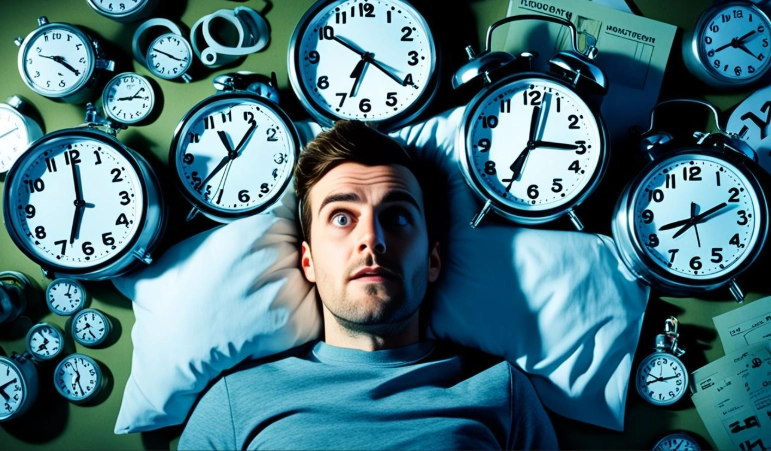
It took me a long time to figure out my own mix of factors (a bit of apnea, a lot of poor sleep hygiene, and a terrible mattress). Addressing them didn't just fix my mornings; it changed my energy levels, my mood, and my overall outlook. It’s worth the effort. You deserve to feel rested.
Reader Comments