Quick Guide to Better Sleep
Let's be honest. Most of us are terrible at going to bed. We scroll until our eyes burn, binge one more episode, or lie there with our brains replaying every awkward conversation from 2012. The idea of a structured bedtime routine sounds nice, maybe even a bit luxurious. But it also feels like one more thing to add to an endless to-do list. I used to think that way too.
Then I hit a wall. Chronic tiredness, foggy mornings, relying on caffeine just to feel human. I realized my approach to sleep was like trying to win a race with the parking brake on. So, I started digging. I read the science, tried (and failed at) countless methods, and finally pieced together a nighttime ritual that stuck. The difference wasn't subtle. It was like upgrading my brain's operating system.
This isn't about rigid rules or adding more pressure. It's about creating a gentle, predictable wind-down that signals to your entire body: “Hey, it's safe to power down now.” A good bedtime routine is your personal permission slip to rest.
The core idea is simple: Your brain and body crave predictability. A consistent series of calming actions before bed trains your internal systems to shift from “go” mode to “slow” mode. It's less about the specific activities and more about the consistent signal they send.
Why Bother? The Science Behind a Solid Bedtime Ritual
You might wonder if all this is just placebo. It's not. The benefits are backed by a ton of sleep research. Think of your body as having a master clock called the circadian rhythm. This clock loves cues. Light, temperature, activity—they're all signals.
A haphazard pre-sleep period sends chaotic signals. A consistent bedtime routine sends a clear, repeating signal that synchronizes this clock and triggers a cascade of sleep-friendly biology.
Here’s what happens under the hood: As you follow your routine, your core body temperature begins to drop slightly (a key signal for sleep onset). The production of the stress hormone cortisol winds down. Meanwhile, in response to darkness and relaxation, your pineal gland ramps up production of melatonin, the hormone that makes you feel drowsy. A routine essentially gives this entire process a head start and makes it more efficient. Organizations like the National Sleep Foundation consistently emphasize the role of consistency and pre-sleep rituals in sleep hygiene.
The payoff isn't just “falling asleep faster.”
- Deeper, Less Fragmented Sleep: You spend more time in the restorative deep sleep and REM stages, waking up feeling genuinely refreshed, not just “not tired.”
- Quieter Mind at Night: The ritual acts as a buffer between the day's stress and sleep time. It gives your brain a dedicated period to process and let go, reducing nighttime anxiety and rumination.
- Better Mood & Resilience: Consistent, quality sleep from a good routine fundamentally improves emotional regulation. You're simply less likely to be irritable or overwhelmed.
- Long-Term Health: This is the big one. Research linked to institutions like Harvard Medical School shows that chronic sleep disruption is tied to serious issues like heart disease, weight gain, and cognitive decline. A routine is a proactive investment in long-term health.
I noticed the mood shift within a week. The deeper sleep took a bit longer, maybe two or three weeks of consistency. But once it clicked, I was hooked.
Building Your Own Routine: A Step-by-Step Blueprint
Okay, so it's important. But how do you actually build one that you won't abandon after three days? The biggest mistake is trying to do too much, too perfectly, right away. Start small.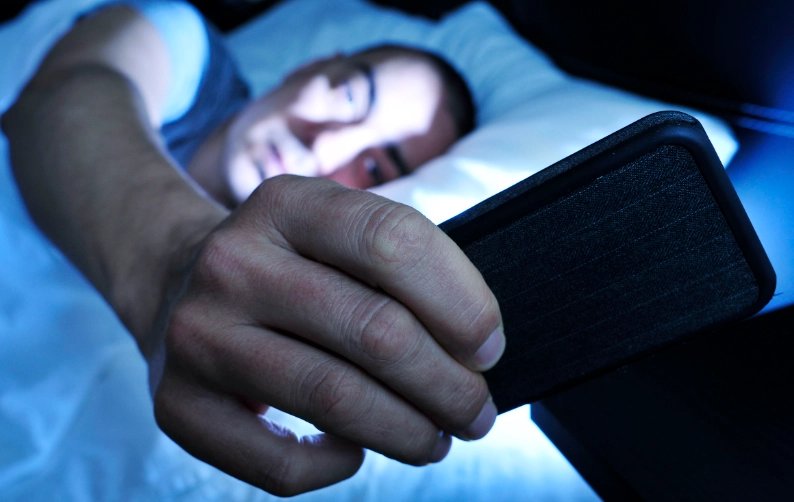
Your perfect bedtime routine is personal. A new parent's routine will look different from a night-shift worker's. The key is to structure it intentionally. Here’s a flexible framework.
Phase 1: The Wind-Down (60-90 Minutes Before Bed)
This is the critical transition phase. Your goal is to gradually reduce stimulation.
Set a “Digital Sunset”: This is non-negotiable for most people. The blue light from screens directly suppresses melatonin. Try putting your phone, tablet, and laptop away 60 minutes before bed. I know, it sounds impossible. Start with 30 minutes. Use a real alarm clock. Put your phone to charge in another room. The mental disconnection is as important as the light.
Adjust the Environment: Dim the lights in your house. Use lamps instead of overhead lights. This mimics the natural sunset and starts the melatonin process. If you can, lower the thermostat. A cooler room (around 65°F or 18°C) is ideal for sleep.
Choose a “Signal Activity”: This is the cornerstone of your routine. Pick one calming activity to do every night. It becomes the anchor. Ideas: reading a physical book (not a thriller!), gentle stretching or yoga (no vigorous workouts), listening to calming music or a podcast (on a speaker, not a phone in bed), or journaling.
Phase 2: The Pre-Sleep Ritual (The Last 30 Minutes)
This is where you get practical and cozy.
Personal Hygiene as Ritual: Turn brushing your teeth, washing your face, and skincare into a mindful, slow practice. Feel the water, enjoy the scent of your cleanser. It's not a chore; it's a sensory cue that the day is ending.
Prep for Tomorrow (The “Brain Dump”): Spend 5 minutes writing down anything you need to remember for tomorrow. A to-do list, a worry, an idea. Get it out of your head and onto paper. This is a powerful tool to prevent your brain from looping on it all night.
Comfort Check: Is your bedding comfortable? Is the room dark enough (consider blackout curtains or a sleep mask)? Is it quiet (earplugs or a white noise machine can be game-changers)?
Phase 3: In Bed (The Final 5-10 Minutes)
You're in bed. The lights are out. Now what?
Breathing, Not Thinking: Focus on your breath, not on forcing sleep. Try the 4-7-8 method: inhale quietly for 4 seconds, hold for 7 seconds, exhale slowly for 8 seconds. Do this 4 times. It activates your parasympathetic nervous system (the “rest and digest” system).
Body Scan: Mentally scan your body from toes to head, consciously relaxing each part. Unclench your jaw, drop your shoulders.
And that's it. Lights out. If sleep doesn't come within 20 minutes, get up. Go to a dimly lit room and do your “signal activity” (like reading) until you feel drowsy. This prevents your brain from associating bed with frustration.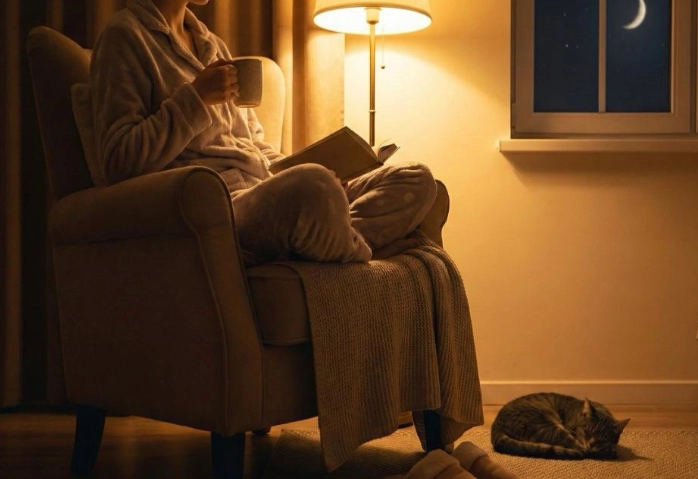
What to Include (And What to Avoid Like the Plague)
Not all activities are created equal when it comes to winding down. Here’s a quick comparison to help you choose.
| Activity | Why It Can Be Great | Potential Pitfall / Note |
|---|---|---|
| Reading a physical book | Engages the mind without blue light, highly relaxing. | Avoid page-turners or work-related material. Choose fiction or light non-fiction. |
| Gentle stretching / Yoga | Releases physical tension, links body and breath. | Keep it gentle! No power yoga. Focus on relaxing poses like child's pose or legs-up-the-wall. |
| Listening to calm music/podcasts | Can distract a racing mind, provides a soothing background. | Use a speaker or sleep timer. Avoid exciting or anxiety-inducing content (true crime is a no-go). |
| Journaling | Excellent for “brain dumping” worries and gratitude. | Don't turn it into a daily critique. Focus on “3 good things” or stream-of-consciousness writing. |
| Taking a warm bath/shower | The rise and subsequent fall in body temperature mimics the natural sleep signal. | Do this 1-2 hours before bed, not right before, to allow the cool-down phase. |
Now, the stuff to seriously limit or cut out:
- Screen Time: We covered this. It's the number one sleep disruptor in the modern world.
- Heavy Meals & Alcohol: A big meal too late forces your digestion to work overtime. Alcohol might make you drowsy initially, but it severely fragments sleep later in the night.
- Intense Exercise: Working out is fantastic for sleep—but do it earlier in the day or evening. Late-night workouts raise cortisol and body temperature, the opposite of what you want.
- Stressful Conversations/Work: Do not check work emails or have heated discussions right before bed. Your brain needs time to disengage.
- Caffeine & Nicotine: Both are stimulants. Avoid caffeine for at least 6-8 hours before bed. Nicotine is also a stimulant, despite feelings of relaxation.
Troubleshooting Your Bedtime Routine: Common Roadblocks
Even with the best plans, life happens. Here’s how to handle common stumbles.
Making It Stick: The Long-Game Perspective
Building a lasting bedtime routine is a marathon, not a sprint. Perfectionism is the enemy. You will miss nights. The power is in returning to it, not in never breaking it.
Track how you feel, not just how you sleep. Do you have more patience in the morning? Is your afternoon energy crash less severe? These subtle wins are the real fuel for consistency.
Think of your routine as a gift you give to your future self—the self that has to wake up and face the day. It's one of the few things in life completely within your control. You dim the lights, you put the world on pause, and you tell your body it's time to restore.
That's it.
No magic pills, just a series of small, kind decisions repeated over time. Start tonight. Maybe just with the digital sunset. Or with five minutes of reading. Build from there. Your sleep—and your waking life—will thank you for it.
Reader Comments