Your Sleep Roadmap
- The Foundation: Your Sleep Environment
- The Internal Clock: Sleep-Wake Rhythms (Circadian Rhythm)
- Lifestyle & Daily Habits: The Daytime Prep
- Mental and Emotional State: Quieting the Mind
- Underlying Health & Medical Conditions
- Sleep Duration & Architecture: The Final Piece
- Putting It All Together: A Practical Summary
You know that feeling. You go to bed on time, you're in bed for a solid eight hours, but you wake up feeling like you've been run over by a truck. What gives? I've been there more times than I care to admit. For years, I thought sleep was just something that happened—you close your eyes, and hopefully, you drift off. Turns out, I was completely wrong. The quality of your sleep isn't random luck. It's the result of a complex interplay of specific, tangible factors. So, let's cut through the noise and the endless "life hack" lists. Let's talk about what truly determines the quality of sleep.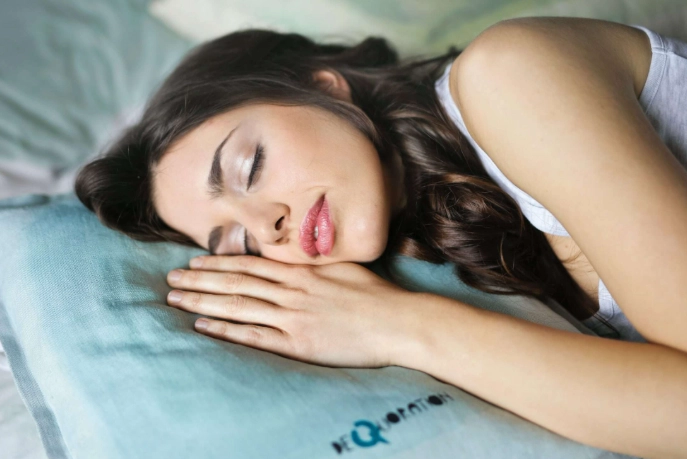
It's not just about being unconscious for a certain number of hours. High-quality sleep means you cycle properly through the different stages—light sleep, deep sleep, and REM sleep—without constant interruptions. You wake up feeling restored, mentally sharp, and emotionally balanced. If that sounds like a fantasy, stick around. We're going to break down the six core pillars that control this process. Forget the quick fixes; understanding these is the real game-changer.
The Foundation: Your Sleep Environment
This is the most obvious one, but we often get the details wrong. Your bedroom isn't just where you sleep; it's a sleep sanctuary, or at least it should be. The problem is, we treat it as an extension of our living room or home office. I used to have a TV in my bedroom and would fall asleep to the news. Worst idea ever.
Noise: The Silent Saboteur
It doesn't have to be a jackhammer outside your window. Consistent, low-level noise—a partner snoring, traffic hum, a dripping tap—can prevent you from reaching and maintaining deep sleep. Your brain stays partially alert to monitor the environment. The solution isn't always absolute silence (which can be unnerving for some). Often, it's about consistency. A white noise machine or a fan can mask irregular sounds by providing a steady, predictable audio blanket. I switched to a simple white noise app, and the difference in how deeply I slept was noticeable within a couple of nights.
Light: Your Brain's Off-Switch
Light is the primary cue for your internal clock. Even small amounts of blue light from an alarm clock, a charging indicator on your laptop, or streetlights filtering through blinds can suppress melatonin production. Melatonin is the hormone that tells your body it's time to wind down. The goal is pitch black. Blackout curtains are a fantastic investment. If that's not possible, a good sleep mask is non-negotiable. I was skeptical about masks, but finding one that's comfortable (doesn't press on your eyes) changed my sleep quality dramatically.
Temperature: The Goldilocks Zone
This is a big one. Your core body temperature needs to drop to initiate sleep. A room that's too warm disrupts this natural cooling process. Most sleep experts agree the ideal temperature is between 60-67°F (15.5-19.5°C). It needs to feel cool, not cold. This is why you might struggle to sleep in a stuffy hotel room. Adjust your thermostat, use breathable bedding (cotton, bamboo), and consider a cooling mattress pad if you tend to sleep hot. A hot bedroom is a guarantee of fragmented, shallow sleep.
Comfort: It's Not Just About a Fancy Mattress
Your mattress, pillow, and bedding matter, but the "best" one is highly personal. The key is support and pressure relief. An old, sagging mattress can cause pain and constant micro-awakenings you don't even remember. Your pillow should keep your neck aligned with your spine—side sleepers need a thicker pillow than back sleepers. And scratchy sheets? They're just unpleasant. Investing in your bed isn't a luxury; it's a direct investment in your sleep health. You spend a third of your life there.
The Internal Clock: Sleep-Wake Rhythms (Circadian Rhythm)
This is your body's master 24-hour clock, regulated by a tiny part of your brain called the suprachiasmatic nucleus. It dictates when you feel alert and when you feel sleepy. Messing with it is one of the fastest ways to ruin your sleep quality. What determines the quality of sleep more than anything else? A robust, consistent circadian rhythm.
Light exposure is the most powerful reset button for this clock. Getting bright, natural light in the morning tells your brain the day has started, boosting cortisol (the wake-up hormone) and setting a timer for melatonin release about 12-16 hours later. Conversely, dimming lights in the evening supports that melatonin rise.
The Modern Trap: We do the exact opposite. We stumble out of bed into a dim house, stare at screens all day indoors, then blast our eyes with bright phones and TVs at night. It's a recipe for a confused, weak circadian rhythm. No wonder so many people have trouble falling asleep and wake up groggy.
Consistency is king. Going to bed and waking up at roughly the same time every day—yes, even on weekends—strengthens this rhythm. Sleeping in on Saturday might feel good in the moment, but it's like giving yourself a mini case of jet lag every week, often called "social jet lag." Your Monday morning feels terrible because your body clock is out of sync.
For a deep dive into the science of circadian rhythms and melatonin, the National Institutes of Health (NIH) has excellent, readable resources like their page on circadian rhythm disorders.
Lifestyle & Daily Habits: The Daytime Prep
Sleep isn't an isolated event. What you do from the moment you wake up sets the stage for the night. This is where a lot of well-intentioned advice gets confusing. Let's clarify.
The Big Three Lifestyle Levers:
- Diet: What and when you eat. A heavy, spicy, or large meal right before bed forces your digestive system to work overtime, which can cause discomfort and raise your core temperature. Conversely, going to bed hungry can also keep you awake. A light snack with tryptophan (like a banana or a small handful of nuts) can be helpful.
- Exercise: Regular physical activity is one of the best proven ways to improve sleep quality and duration. It reduces stress, tires the body physically, and can help regulate your circadian rhythm. However, timing matters. Intense exercise too close to bedtime can be over-stimulating for some people due to the release of endorphins and the rise in core temperature. For most, finishing vigorous exercise at least 2-3 hours before bed is a safe bet.
- Substances: This is the big one. Caffeine, nicotine, and alcohol are major sleep disruptors.
Let's talk about alcohol specifically, because this is a huge misconception. Alcohol is a sedative. It can help you fall asleep faster. But as your body metabolizes it, it causes fragmented sleep, suppresses REM sleep (the crucial stage for memory and mood), and can lead to middle-of-the-night awakenings. That "nightcap" is often the reason you wake up at 3 AM with a racing mind. It's a net negative for sleep architecture.
Caffeine has a half-life of about 5-6 hours. That means if you have a coffee at 4 PM, half the caffeine is still in your system at 9-10 PM. For people who are sensitive, it can significantly delay sleep onset. Nicotine is a stimulant, and withdrawal symptoms during the night can cause awakenings.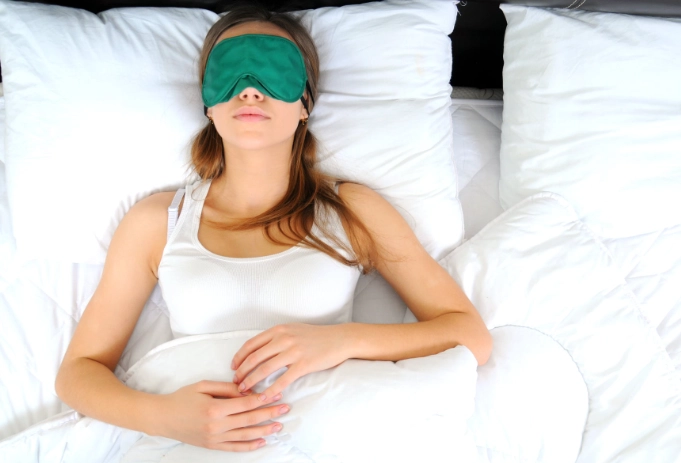
Mental and Emotional State: Quieting the Mind
You can have the perfect environment and routine, but if your mind is a tornado of stress, anxiety, or to-do lists, sleep will elude you. This is the factor that often feels the most out of our control. Stress activates the sympathetic nervous system (fight-or-flight), which is the direct opposite of the relaxed state needed for sleep.
Rumination—that endless loop of rehashing the day's events or worrying about tomorrow—is public enemy number one for sleep onset. The bed becomes a place of mental struggle instead of rest.
So, what works?
- A Wind-Down Routine: This is non-negotiable. You need a buffer zone between the busyness of the day and sleep. It could be 30-60 minutes of reading a physical book (not a tablet), taking a warm bath (the rise and subsequent drop in body temperature promotes sleepiness), gentle stretching, or listening to calming music or a podcast.
- Journaling: The classic advice is classic for a reason. Writing down your worries, to-dos, or just stream-of-consciousness thoughts gets them out of your head and onto paper, effectively telling your brain, "It's handled, you can let go now."
- Mindfulness & Relaxation Techniques: Techniques like progressive muscle relaxation (tensing and relaxing each muscle group) or simple breath-focused meditation (like the 4-7-8 technique) can actively lower physiological arousal. They're skills that require practice but are incredibly powerful.
My Failed Experiment: I tried just hopping into bed after work emails. My mind would race for an hour. Now, I have a strict no-screens-after-10 PM rule and read fiction for 30 minutes. It signals to my brain that work is over. It's simple, but it's the single most effective change I've made for falling asleep faster.
For those dealing with clinical anxiety that severely impacts sleep, resources from organizations like the Anxiety & Depression Association of America (ADAA) can be a good starting point for finding strategies and professional help.
Underlying Health & Medical Conditions
Sometimes, poor sleep quality is a symptom, not the root cause. Ignoring this can lead to years of frustration. If you've optimized everything above and still struggle, it's time to consider medical factors.
Sleep Disorders:
- Sleep Apnea: This involves repeated pauses in breathing during sleep, leading to micro-awakenings and oxygen drops. Loud snoring, gasping for air, and excessive daytime sleepiness are key signs. It's more common than people think and a major risk factor for other health issues.
- Restless Legs Syndrome (RLS): An irresistible urge to move the legs, often accompanied by uncomfortable sensations, that worsens in the evening and at rest. It can severely delay sleep onset.
- Chronic Pain: Arthritis, back pain, headaches—any persistent pain can make it impossible to find a comfortable position and can wake you up throughout the night.
- Mental Health Conditions: Depression and anxiety are strongly linked to insomnia and non-restorative sleep.
Other Medical Issues: Conditions like acid reflux (GERD), hyperthyroidism, and certain medications (e.g., some antidepressants, blood pressure meds, stimulants for ADHD) can also interfere with sleep.
The takeaway? Don't self-diagnose endlessly. A conversation with your doctor or a referral to a sleep specialist can be life-changing. A sleep study (polysomnography) can objectively measure what's happening during your sleep and pinpoint disorders like apnea.
Sleep Duration & Architecture: The Final Piece
Finally, we have the structure of sleep itself. Quality isn't just about continuity; it's about cycling through the right stages in the right proportions.
Throughout the night, you go through 4-6 cycles, each lasting about 90 minutes. Each cycle contains:
- N1 (Light Sleep): The transition from wakefulness to sleep.
- N2 (Light Sleep): Makes up about 50% of the night. Your body temperature drops, and heart rate slows.
- N3 (Deep Sleep): The physically restorative stage. Tissue repair, immune function, and growth hormone release occur here. It's hardest to be awakened from this stage.
- REM Sleep: The mentally restorative stage. Brain activity is high (similar to being awake), dreaming occurs, and it's crucial for memory consolidation, learning, and emotional processing.
Early in the night, cycles are dominated by deep sleep. Later in the night, REM sleep periods become longer. If your sleep is cut short, you miss out on a disproportionate amount of REM. If it's fragmented, you may never get enough sustained deep sleep.
| Age Group | Recommended Sleep Duration (CDC) | Key Quality Focus |
|---|---|---|
| Adults (18-60) | 7+ hours per night | Continuity, sufficient Deep & REM sleep |
| Older Adults (61+) | 7-9 hours | Managing lighter sleep patterns, addressing health conditions |
| Young Adults (18-25) | 7-9 hours | Consistency, managing social/screen time |
The official recommendations from the Centers for Disease Control and Prevention (CDC) emphasize that less than 7 hours is associated with increased health risks for adults. But within that, what determines the quality of sleep is the integrity of these cycles.
Putting It All Together: A Practical Summary
So, when we ask, "What determines the quality of sleep?", the answer is multifaceted. It's not one magic pill. It's the synergy of these six domains. To make it actionable, here’s how you can audit your own sleep:
- Scan Your Environment: Is it dark, cool, quiet, and comfortable? Fix the easiest thing first (e.g., get a sleep mask or lower the thermostat).
- Check Your Timing: Are you going to bed and waking up within a 60-minute window every day? Do you get morning light?
- Review Your Day: When is your last coffee? Do you exercise? What's your evening routine? Do you use the bed for work or watching stressful shows?
- Listen to Your Mind: Do you have a pre-sleep ritual to calm your thoughts? Is stress management a part of your daily life?
- Consider Your Health: Do you snore loudly, have leg discomfort at night, or live with chronic pain? Talk to a doctor.
- Prioritize Duration & Uninterruption: Protect your 7+ hour window. Try to avoid waking up to alarms mid-sleep cycle if possible.
The goal isn't perfection in all six areas overnight. That's overwhelming. Pick one pillar to focus on for a week or two. Maybe start with a consistent wake-up time and morning light exposure. Then tackle your evening routine. Small, sustained changes compound into significantly better sleep.
Ultimately, understanding what determines the quality of sleep empowers you to move from being a passive victim of bad sleep to an active architect of your own rest. It's a skill, and like any skill, it improves with knowledge and consistent practice. Start with one change tonight. Your tomorrow self will thank you.
Reader Comments