Quick Guide
You've probably heard the stories. Soldiers, sailors, pilots – they can hit the sack and be out like a light in what seems like seconds, even with chaos around them. It sounds almost like a superpower, right? Especially when you're lying there staring at the ceiling for an hour, your brain running through every awkward thing you said in 2012.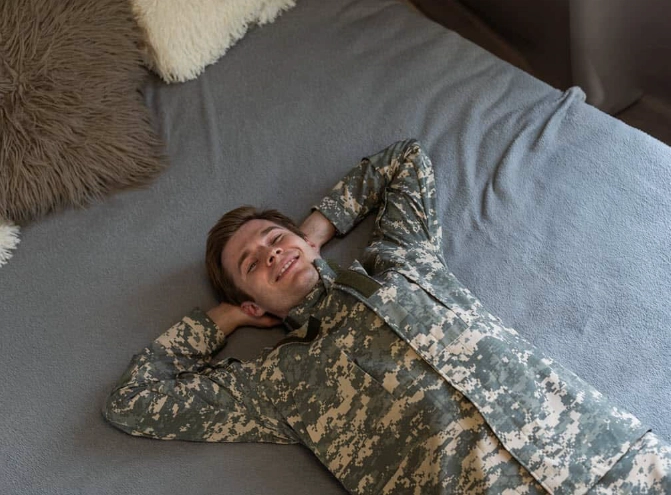
I used to think it was just a myth. Then I started digging, talking to a few folks with military backgrounds, and trying the methods myself. Let me tell you, some of this stuff really works. It's not magic; it's a combination of brutal necessity and some surprisingly simple psychology and physiology hacks.
So, let's cut to the chase. How do military sleep fast? It's the million-dollar question for anyone plagued by insomnia or just a restless mind. This isn't about vague "sleep hygiene" tips you've read a hundred times. This is about field-tested, no-nonsense techniques designed for people who have to sleep, because the next day might literally depend on it.
The Famous (and Slightly Misunderstood) Military Sleep Method
When people ask how do military sleep fast, they're usually referring to one specific technique. It was reportedly developed by the U.S. Navy Pre-Flight School during World War II to help pilots wind down. The goal? Fall asleep in two minutes or less, day or night, in any environment.
I tried it. The first few nights, it felt silly. By the end of the week, I was noticing a real difference in how quickly my mind settled. Here's the breakdown, not just as a list, but with some context on why each part matters.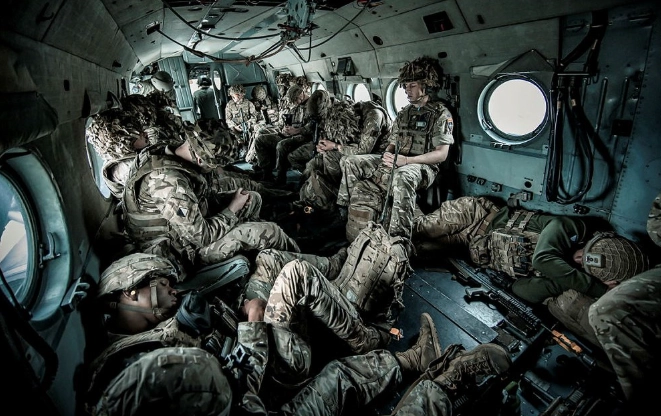
Step 1: The Physical Shutdown
This is all about telling your body, "We're done for the day." You start by relaxing the muscles in your face – your jaw, your tongue, the muscles around your eyes. Let them go completely loose. Feel them sink into the pillow.
Then, let that relaxation drip down. Drop your shoulders as low as they can go. Feel the tension release. Move to your arms. Start with one, from the bicep to the forearm to the fingers, then do the other. The key here is progression and awareness. You're conducting a scan.
Next, your chest and torso. Take a slow, deep breath and as you exhale, let your chest deflate and relax. Finally, work down your legs. Thighs, calves, ankles, feet. The instruction is to visualize the heaviness, like you're sinking into the bed.
Step 2: The Mental Blackout
This is the part most civilians mess up. After your body is relaxed, you have to clear your mind. The military method suggests two specific visuals for 10 seconds each:
- Option A: Imagine you're lying in a canoe on a perfectly calm, still lake. Nothing but clear blue sky above you. Hold that peaceful, empty image.
- Option B: Imagine you're curled up in a large, black velvet hammock in a pitch-black room. The darkness is total and comforting.
The point is to block out thought. If thoughts intrude (and they will), you acknowledge them and then gently return to the visual. No fighting, just redirection.
It sounds simple. It is simple. But simple doesn't mean easy, especially at first.
The genius of this method is it addresses both the physical symptoms of stress (muscle tension) and the mental ones (racing thoughts). It gives your busy brain a single, boring task to focus on instead of your to-do list. It's a form of mindfulness, stripped of any spiritual pretense and packaged for pure utility.
Beyond the 2-Minute Trick: The Full Arsenal of Military Sleep Techniques
While the 2-minute method is the star, it's just one tool. Asking how do military sleep fast opens the door to a whole system. Soldiers are trained to optimize sleep because in combat zones, sleep is a resource as critical as ammunition or water. It's managed.
Here are other key components you won't find in most civilian sleep advice.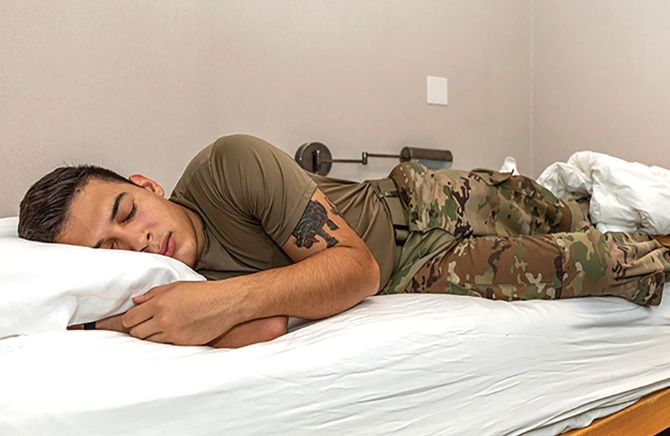
Sleep Discipline and the Power of Routine
The military runs on routine, and sleep is no exception. "Sleep discipline" means treating sleep like a mission-critical task, not an afterthought. This involves:
- Strict wake-up times: Even on days off, the body thrives on consistency. Getting up at the same time anchors your circadian rhythm more than trying to force a bedtime.
- The 8-minute rule: Some units teach that if you're not asleep within 8-10 minutes of lying down, you should get up. Leave the bed, do something mildly boring in low light (no screens!), and only return when you feel sleepy. This breaks the association of bed = frustration.
- Power nap protocols: Naps aren't lazy; they're strategic. The military studies on naps are extensive. The gold standard is the 10-20 minute "tactical nap" which boosts alertness without causing sleep inertia (that groggy feeling). The 90-minute nap (a full sleep cycle) is for deeper recovery when possible.
Why this works for civilians: You don't need a drill sergeant to impose this. Setting a firm alarm and sticking to it, even on weekends, can dramatically improve your sleep drive by nightfall. The "get out of bed" rule is brutal but effective for chronic insomnia.
Environmental Mastery (Even in a Warzone)
Soldiers often have to sleep in loud, bright, and uncomfortable places. So they get creative and controlling with what they can influence.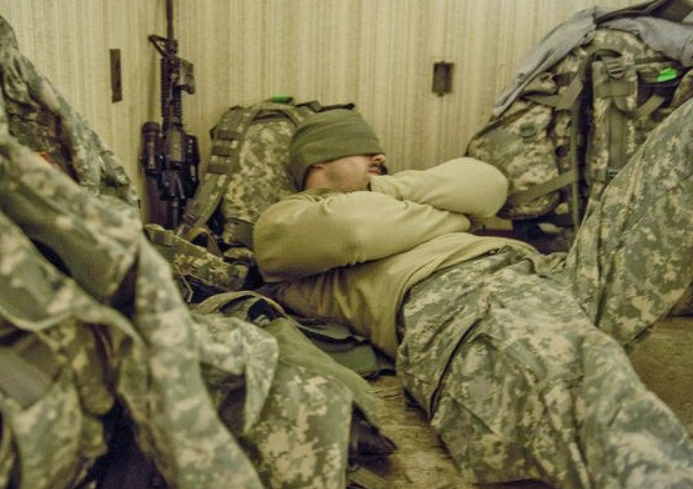
| Problem | Military-Grade Solution | Civilian Adaptation |
|---|---|---|
| Light | Blackout tents, sleeping mask considered essential gear. Using red-light for night ops to preserve night vision (and melatonin). | Invest in a great sleep mask or blackout curtains. Use red/orange nightlights in bathrooms. |
| Noise | Earplugs are standard issue. Training to accept certain constant noises (like generators) as "white noise." | High-fidelity earplugs (like Loop Quiet) or a white noise machine/app. Not just any noise, but consistent, low-frequency sound. |
| Temperature | Understanding that a cool core temperature aids sleep. Using layers to regulate. | Cracking a window, using a fan, or cooling the bedroom to around 65°F (18°C). A cool shower before bed can help drop core temp. |
| Comfort/Mindset | The mental shift: "This cot is the most comfortable bed in the world right now." Gratitude for any rest. | Cognitive reframing. Instead of "this pillow sucks," think "I'm grateful to be horizontal and safe." It sounds corny, but it reduces sleep anxiety. |
The lesson here is proactivity. You might not control the world, but you can control your immediate sleep cave.
The "Body Clock" Ops: Caffeine and Food as Tools
This is where it gets really tactical. The military doesn't just avoid coffee before bed; they weaponize its timing.
- The caffeine cutoff: The half-life of caffeine is about 5-6 hours. To avoid interference, the rule is no caffeine within 8 hours of planned sleep. That means if you hit the sack at 10 PM, your last coffee is at 2 PM. Harsh, but clean.
- The protein snack: A small protein-rich snack (like a handful of nuts, some cheese) about 30-60 minutes before bed can stabilize blood sugar and prevent a 3 AM wake-up from hunger, without the digestive load of a big meal.
- Hydration strategy: Hydrate heavily during the day, but taper off 1-2 hours before bed to minimize bathroom trips. It's about front-loading.
Think of it as logistics for your body.
The Science Behind the Battlefield Snooze
It's one thing to list techniques, another to understand why they work. The U.S. military invests heavily in sleep research because tired soldiers are ineffective and dangerous. Organizations like the U.S. Army Public Health Center and the Navy Bureau of Medicine and Surgery publish guidelines based on hard science.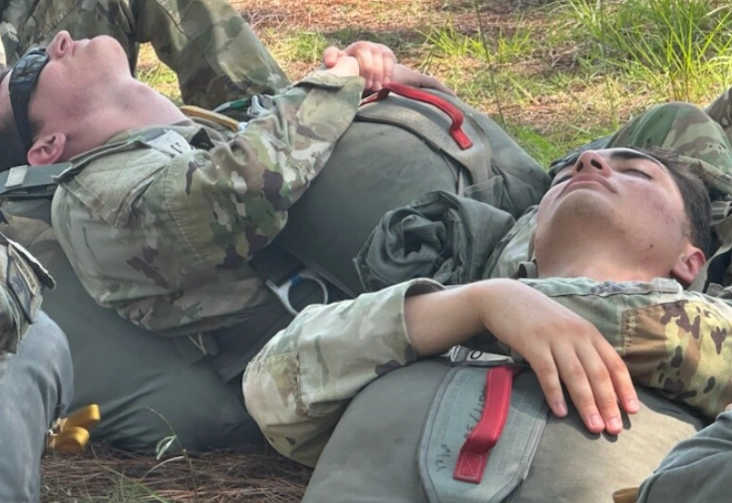
The core principle is triggering the body's parasympathetic nervous system – the "rest and digest" mode. When you're stressed or anxious (the sympathetic, "fight or flight" mode), sleep is impossible. The relaxation steps in the 2-minute method are a direct manual override for this system.
Furthermore, the mental visualization works as a form of "cognitive shutdown." A study from the U.S. Army Research Institute of Environmental Medicine has looked at how controlled breathing and mental focus can lower heart rate and prepare the brain for sleep onset faster. It's not meditation in the traditional sense, but it's borrowing the same neural pathways.
A quick reality check: No technique is a magic bullet for severe, clinical sleep disorders like sleep apnea or chronic insomnia disorder. Those require medical help. These military methods are best for situational insomnia (stress, travel, anxiety) and improving overall sleep efficiency. If you suspect a deeper issue, see a doctor. The military would send you to one, too.
Common Questions (And Straight Answers)
Pulling It All Together: Your Civilian Sleep Ops Plan
So, you want to know how do military sleep fast and actually apply it? Don't try to implement everything at once. That's a recipe for failure. Here's a phased approach, like basic training for your sleep.
Week 1: Foundation
Focus on one thing: the 2-minute relaxation method. Practice it every night, even if you're not super tired. Get the sequence of muscle relaxation down. Don't worry if you don't fall asleep fast; just master the physical shutdown process.
Week 2: Environment
Pick one environmental factor to optimize. Maybe it's buying a sleep mask and using it religiously. Or setting a phone curfew 1 hour before bed. One change, solidly locked in.
Week 3: Schedule
Attack your wake-up time. Set an alarm for the same time every day for 7 days straight, no snoozing. This alone will do wonders for regulating your internal clock.
Week 4: Logistics
Implement the caffeine cutoff. Move your last coffee or tea 8 hours before your target bedtime. Notice the difference in how you feel when your head hits the pillow.
After a month, you'll have a system. It won't be perfect, but it will be yours, and it will be built on proven principles.
Look, I'm not a soldier. I have the luxury of a quiet street and a decent mattress. But the modern world has its own chaos – endless notifications, work stress, the low-grade anxiety of the news cycle. Our minds are the battlefield now.
Learning how do military sleep fast gives you armor for that. It turns sleep from a fragile thing you hope happens into a skill you practice. Some nights you'll win, some nights you'll lose. But you'll always have a plan of attack. And that, more than anything, is what helps you finally turn off the light and drift away.
Give it a shot tonight. Start with your face. Just let it go.
Reader Comments