You know the feeling. Tossing, turning, watching the clock tick past 2 AM, your mind racing. Or maybe you sleep but wake up feeling like you never truly shut down. The quest for better sleep isn't just about feeling less tired; it's about reclaiming your energy, mood, and health. After years of my own struggles and helping others, I've learned improving sleep isn't about one magic trick. It's a system. Let's build yours.
What You'll Find in This Guide
Optimize Your Sleep Environment: Your Personal Sleep Cave
Think of your bedroom as a cave designed for one purpose: sleep. Most people get this wrong. They have TVs, desks, bright lights, and clutter. Your first job is to make this space a sanctuary.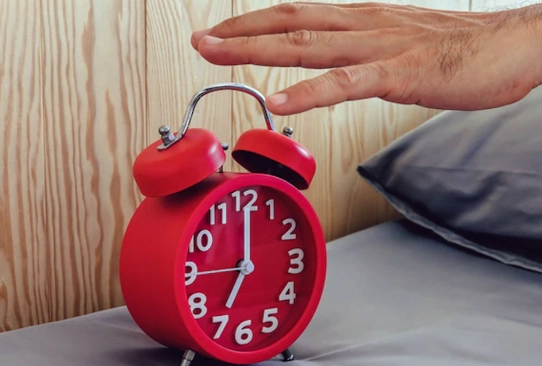
How Does Light Affect Your Sleep?
Light is the most powerful signal to your brain's internal clock. Even small amounts of light from a streetlamp or a charging LED can interfere with melatonin production. I made this mistake for years with a tiny power strip light. The fix? Total darkness. Blackout curtains are a game-changer. If you can't install them, a good sleep mask (I prefer contoured ones that don't press on your eyes) is a must. In the evening, use dim, warm-colored bulbs (under 3000K). The National Sleep Foundation highlights light exposure as a primary regulator of circadian rhythms.
The Goldilocks Temperature Zone
Most sleep labs are kept cool for a reason. Your body needs to drop its core temperature to initiate sleep. A room that's too warm disrupts this. The sweet spot is around 65°F (18.3°C). This isn't a suggestion; it's science. If you share a bed with a partner who prefers different temps, consider a dual-zone mattress pad or simply use different blankets. Breathable bedding like cotton, linen, or moisture-wicking fabrics helps too.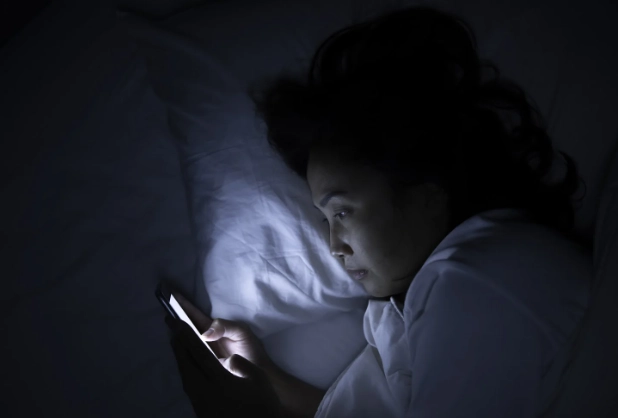
Silence the Noise (Or Mask It)
Unexpected noises—a siren, a barking dog, a snoring partner—can jolt you out of deep sleep. You can't control the world, but you can control what you hear. White noise or pink noise machines are brilliant for creating a consistent auditory blanket. A simple fan often works just as well. For travel, I use a white noise app on my phone (on airplane mode, placed across the room).
Your Bed: The Foundation
An old, sagging mattress or a flat pillow isn't just uncomfortable; it can cause pain that wakes you up. There's no one "best" mattress. Side sleepers generally need more cushioning for shoulders/hips, while back and stomach sleepers need firmer support. The key is to replace them when they wear out (typically every 7-10 years for mattresses). Don't cheap out on this—you spend a third of your life there.
Master Your Pre-Bed Routine: The 60-Minute Wind-Down
You can't sprint into sleep. Your brain needs a runway. A consistent, calming routine signals that it's time to shift gears.
Digital Sunset: More Than Just Blue Light
Yes, blue light filters help, but the bigger issue is cognitive stimulation. Scrolling through social media, answering work emails, or watching an intense show keeps your brain in "on" mode. Institute a digital curfew 60-90 minutes before bed. Put your phone on a charger in another room. Read a physical book (fiction is great for escapism), listen to calming music or a podcast (nothing too exciting), or try light stretching or yoga.
Relaxation Techniques That Actually Work
"Just relax" is useless advice. You need a method.
- 4-7-8 Breathing: Inhale for 4 seconds, hold for 7, exhale slowly for 8. Repeat 4-5 times. This activates your parasympathetic nervous system (the "rest and digest" system).
- Progressive Muscle Relaxation: Tense each muscle group for 5 seconds, then release. Start from your toes and work up to your face. It teaches your body the difference between tension and relaxation.
- Visualization: Picture a peaceful, detailed scene—walking through a quiet forest, lying on a calm beach. Engage all your senses.
The Food and Drink Cut-Off
A heavy meal right before bed forces your digestive system to work, which can cause discomfort and heartburn. Finish eating 2-3 hours before bedtime. As for liquids, cut them off about 90 minutes before bed to minimize nighttime bathroom trips. Be mindful of hidden caffeine (chocolate, some medications, green tea) and alcohol. While alcohol might make you drowsy initially, it severely fragments sleep in the second half of the night.
| Beverage/Food | Why It Can Disrupt Sleep | Suggested Cut-Off Time |
|---|---|---|
| Coffee / Energy Drinks | Stimulant, blocks sleep-inducing chemicals. | At least 6-8 hours before bed. |
| Alcohol | Initial sedation, followed by sleep fragmentation and suppression of REM sleep. | Minimum 3 hours before bed, less is better. |
| Spicy/Fatty Foods | Can cause indigestion and heartburn when lying down. | 3-4 hours before bed. |
| Large Amounts of Water | Leads to nocturia (nighttime urination). | 90 minutes before bed. |
Adjust Your Daytime Habits: Sleep Starts in the Morning
What you do during the day sets the stage for the night. This is where most sleep advice falls short—it only focuses on the night.
Morning Light: Your Natural Alarm Clock
Getting bright, natural light within 30-60 minutes of waking is the most effective way to reset your circadian rhythm. It tells your brain the day has started, which helps it know when to produce melatonin later. Go for a walk, have coffee by a window, or use a light therapy lamp if you wake up before sunrise. Harvard Medical School publications often cite light exposure as a primary therapy for circadian disorders.
Exercise: Timing Matters
Regular exercise is fantastic for sleep, promoting deeper slow-wave sleep. However, timing is key. Intense exercise too close to bedtime can be overstimulating for some people due to elevated core temperature and endorphins. Aim to finish vigorous workouts at least 3 hours before bed. Gentle evening movement like walking or yoga is usually fine and can even be relaxing.
Manage Stress and Anxiety
A racing mind is the enemy of sleep. Don't wait until bedtime to deal with it.
- Worry Journal: Earlier in the evening, spend 10-15 minutes writing down everything on your mind—tasks, anxieties, ideas. Getting it out on paper can stop the mental loop at night.
- Designate "Worry Time": If thoughts pop up in bed, tell yourself, "I've already addressed this in my journal. I'll think about it tomorrow at 10 AM." It sounds simple, but it works.
Troubleshoot Common Sleep Issues
Even with a good routine, specific problems can pop up. Here's how to tackle them.
If You Wake Up in the Middle of the Night
The worst thing you can do is look at the clock and start calculating how little sleep you're getting. That creates clock-watching anxiety. If you're awake for more than 20 minutes, get out of bed. Go to another dimly lit room and do something boring until you feel sleepy again. Read a dull book (not on a screen). Avoid checking your phone or eating. The goal is to break the association between your bed and wakefulness.
If You Can't Fall Asleep Initially
Don't just lie there getting frustrated. Apply the same 20-minute rule. Also, check your pre-sleep routine. Did you have caffeine too late? Were you on your phone until lights-out? Be honest with your log.
If You Wake Up Too Early
This is often linked to stress or depression. The daytime habits—especially morning light exposure and stress management—are critical here. Ensure your room is completely dark in the early morning hours. If it persists for weeks, it's worth discussing with a healthcare provider, as the CDC notes persistent sleep issues can be a sign of underlying conditions.
Using Tech & Tools (The Right Way)
Technology can be a sleep saboteur or a powerful ally. It depends on how you use it.
Sleep Trackers: Data or Anxiety?
Devices like Fitbit or Oura Rings can provide fascinating insights into your sleep patterns and consistency. However, they can also create orthosomnia—an unhealthy obsession with perfect sleep data. Use them to identify trends ("I sleep worse on nights I drink alcohol"), not to judge each night's "score." The data is an estimate, not a medical diagnosis.
Helpful Apps and Gadgets
- White Noise Apps: MyNoise, White Noise Lite.
- Meditation Apps: Calm, Headspace (use their sleep stories or guided meditations).
- Smart Lights: Set them to dim and shift to warmer colors in the evening automatically.
- Sunrise Alarm Clocks: These simulate a dawn, waking you up gradually with light, which feels more natural than a blaring alarm.
Improving your sleep quality isn't about a single hack. It's about building a personalized system that addresses your environment, your routine, and your daytime life. Start with one or two changes from this guide—maybe installing blackout curtains and setting a consistent wake-up time. Be patient. It takes time to retrain your brain and body. But the payoff—waking up refreshed, having more energy, and feeling like yourself again—is absolutely worth the effort.
Reader Comments