Quick Navigation
- First Things First: Your Sleep Sanctuary
- Your Daytime Habits: Building Sleep Pressure
- The Wind-Down Routine: Signaling "Game Over" to Your Brain
- Food, Drink, and Supplements: The Sleep Kitchen
- When Your Mind Won't Shut Off: Mental Strategies
- Answering Your Questions: Natural Sleep FAQ
- Putting It All Together: A Realistic Plan
Let's be honest. You've probably typed "how can I sleep better at night naturally" into Google more times than you can count. You're tired of feeling tired. You're done with staring at the ceiling at 3 AM, your mind racing about everything and nothing. And the idea of relying on sleeping pills forever? No thanks. The good news is, you're on the right track looking for natural solutions. The better news is, it's absolutely possible to retrain your body and mind for deep, restorative sleep without a prescription. It's not about one magic trick, but about stacking a bunch of small, manageable habits that tell your brain one clear message: it's time to shut down and recharge.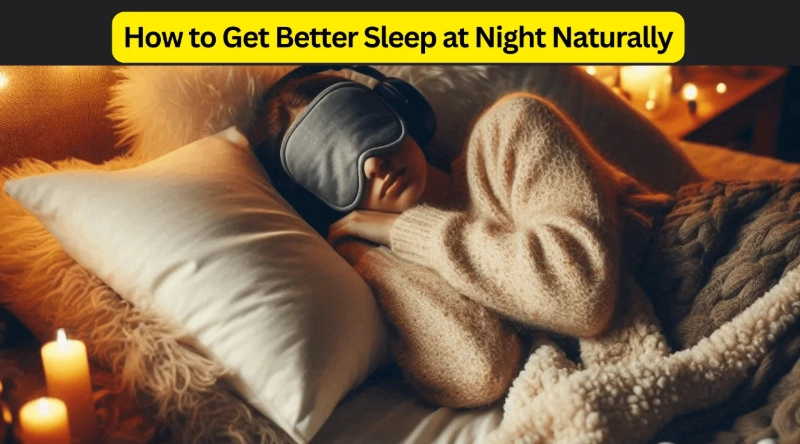
This isn't another fluffy article telling you to "just relax." We're going deep. We'll talk about your bedroom environment, your daily routines, what you eat and drink, and how to quiet that mental chatter. I've been down this road myself. A few years back, stress had me sleeping in short, broken fragments. I tried everything, and some things worked wonders while others were a complete waste of time. I'll share what actually moved the needle.
First Things First: Your Sleep Sanctuary
You wouldn't try to cook a gourmet meal in a dirty kitchen with bad lighting. So why try to sleep in an environment that's working against you? How can I sleep better at night naturally? It often starts by fixing the space where sleep is supposed to happen.
Light, Noise, and Temperature - The Big Three
These are the non-negotiables. Get them wrong, and your body will fight sleep all night.
Light is Public Enemy #1 for sleep. Even small amounts of light, especially blue light from devices, can suppress melatonin, the hormone that makes you sleepy. Your bedroom needs to be cave-dark. I'm talking can't-see-your-hand-in-front-of-your-face dark. Blackout curtains are a game-changer. If you can't install them, a good sleep mask is a fantastic investment. And about those devices... yeah, we need to talk. The National Sleep Foundation is pretty clear on this: screens before bed mess with sleep quality. Try to power down at least an hour before you want to sleep. If you must use your phone, enable night shift/night mode and keep the brightness way down.
Noise. Sudden or inconsistent noises are sleep killers. If you live in a noisy area, consistent white noise or brown noise can be a lifesaver. A simple fan, a white noise machine, or even a phone app (placed far from your bed!) can mask those unpredictable sounds. Earplugs are another option, though they take some getting used to.
Temperature. Most people sleep best in a slightly cool room, around 65-68°F (18-20°C). Your body temperature naturally drops to initiate sleep. A hot room prevents that drop. Cool it down. Use breathable, natural fiber bedding like cotton or linen. Take a warm bath or shower 1-2 hours before bed—this actually helps your core temperature drop more efficiently afterward.
| Sleep Environment Factor | Ideal State | Simple Adjustments |
|---|---|---|
| Light | Pitch black | Blackout curtains, sleep mask, remove night lights & electronics. |
| Noise | Consistent & quiet | White noise machine, fan, earplugs, seal window/door gaps. |
| Temperature | Cool (65-68°F / 18-20°C) | Adjust thermostat, use a fan, choose breathable pajamas & bedding. |
| Bed & Bedding | Comfortable & supportive | Invest in a quality mattress (7-10 year life), supportive pillows, clean sheets. |
| Mental Association | Bed = Sleep/Sex Only | No work, no eating, no stressful conversations in bed. |
Your Daytime Habits: Building Sleep Pressure
Sleep isn't just something that happens at night. It's the direct result of what you do during the day. The two most powerful levers you have are light exposure and movement.
Morning Light is Your Natural Alarm Clock
Getting bright, natural light first thing in the morning is arguably the most effective thing you can do to set your internal clock (circadian rhythm). It signals to your brain that the day has started, and starts a timer for melatonin release about 14-16 hours later. Even 15-30 minutes of morning sunlight (without sunglasses, if safe) makes a massive difference. On cloudy days, a bright light therapy lamp can help.
Exercise: The Right Kind at the Right Time
Regular exercise is fantastic for sleep—it reduces stress, tires your body, and helps regulate rhythms. But timing matters. Intense exercise too close to bedtime can be over-stimulating for some people. A brisk morning walk, an afternoon gym session, or an early evening workout is ideal. Gentle movement like yoga or stretching in the evening, however, can be wonderfully relaxing.
The Caffeine and Alcohol Trap
This is where people get tripped up. You know caffeine is a stimulant, but its half-life is about 5-6 hours. That means if you have a coffee at 4 PM, half the caffeine is still in your system at 9 or 10 PM. For better sleep, set a caffeine curfew—1 or 2 PM is a safe bet for most.
Now, alcohol. This is the big one. Alcohol might make you feel sleepy and help you fall asleep faster, but it absolutely wrecks the quality of your sleep. It suppresses REM sleep (the mentally restorative stage), leads to more awakenings in the second half of the night, and can cause night sweats. Relying on a nightcap is a surefire way to wake up feeling unrefreshed.
How can I sleep better at night naturally if I like a drink? Try to finish any alcohol at least 3 hours before bed, and see if you can have more alcohol-free nights. The difference in how you feel in the morning can be startling.
The Wind-Down Routine: Signaling "Game Over" to Your Brain
Your brain needs a transition period between "go, go, go" mode and "sleep" mode. You can't sprint and then immediately slam on the brakes. A consistent 60-minute wind-down routine is your off-ramp.
Dim the lights in your house about an hour before bed. This mimics sunset and encourages melatonin production. Put your phone on "Do Not Disturb" and, ideally, leave it charging in another room. The constant pings and the temptation to scroll are antithetical to relaxation.
What to do instead? This is the fun part. Your wind-down should be enjoyable and low-stimulation.
- Read a physical book (not a thrilling page-turner or a work-related text).
- Listen to calming music, a podcast (not news!), or an audiobook.
- Practice gentle stretching or restorative yoga.
- Take a warm bath with Epsom salts (the magnesium can be absorbed through the skin and promotes relaxation).
- Write in a journal. A classic technique is a "brain dump"—write down everything on your mind, especially to-do list items for tomorrow, to get them out of your head.
- Practice a relaxation technique like deep breathing or meditation. Even 5-10 minutes can calm the nervous system.
Food, Drink, and Supplements: The Sleep Kitchen
What you put in your body in the evening plays a role. A heavy, greasy meal right before bed forces your digestive system to work overtime, which can disrupt sleep. Try to have your last big meal at least 2-3 hours before bedtime.
If you're hungry before bed, a small snack combining a complex carbohydrate and a bit of protein or healthy fat can be helpful. Think:
- A small bowl of oatmeal.
- A banana with a spoonful of almond butter.
- Whole-grain crackers with cheese.
- A handful of nuts (like almonds or walnuts, which contain melatonin).
Certain herbal teas have a long tradition of promoting relaxation. Chamomile, valerian root, passionflower, and lemon balm are popular choices. The ritual of making a warm, non-caffeinated drink is itself soothing.
What About Natural Supplements?
Supplements can be a helpful tool, but they're not magic bullets. Two of the most researched are:
Melatonin: This is a hormone your body makes. Supplementing with it can be useful for resetting your circadian rhythm (like with jet lag or shift work) but is less effective for general insomnia. Start with a very low dose (0.5mg to 1mg) about 30-60 minutes before bed. More is not better.
Magnesium: Many people are mildly deficient. Magnesium plays a role in muscle relaxation and nervous system calming. Forms like magnesium glycinate or citrate are well-absorbed. Taking 200-400mg about an hour before bed can help some people feel more relaxed.
Always talk to your doctor before starting any new supplement, especially if you have health conditions or take other medications.
When Your Mind Won't Shut Off: Mental Strategies
Okay, the room is dark and cool, you had a good day... but your brain is hosting a panic party about a work project, a social faux pas from 2012, or everything you need to do tomorrow. This is where learning to sleep better at night naturally gets psychological.
The 20-Minute Rule
If you find yourself lying in bed awake for more than about 20 minutes, get up. Go to another dimly lit room and do something boring (read a physical book, listen to soft music, fold laundry) until you feel sleepy. Then return to bed. This helps break the association between bed and frustration/alertness.
Diaphragmatic Breathing & The 4-7-8 Method
Breathing exercises activate your parasympathetic nervous system (the "rest and digest" system). One powerful method popularized by Dr. Andrew Weil is the 4-7-8 breath:
1. Exhale completely through your mouth.
2. Inhale quietly through your nose for a count of 4.
3. Hold your breath for a count of 7.
4. Exhale completely through your mouth for a count of 8.
Repeat this cycle 3-4 times. It forces your heart rate to slow and is incredibly calming.
Body Scan Meditation
Instead of fighting your thoughts, bring your attention to your body. Start at your toes. Notice any sensation—tingling, warmth, pressure. Consciously relax them. Slowly move your attention up through your feet, calves, knees, thighs, and so on, all the way to the top of your head. It's a way to get out of your head and into your physical self, which is ready for sleep.
Answering Your Questions: Natural Sleep FAQ
Putting It All Together: A Realistic Plan
This is a lot of information. Don't try to overhaul your entire life overnight. That's a recipe for burnout. Pick one or two things from this guide that feel most doable or address your biggest pain point. Maybe it's buying blackout curtains and setting a caffeine curfew. Master those for a week. Then add one more thing, like a 10-minute wind-down routine.
Track your progress loosely. Not with a fancy app that adds pressure, but just a simple note in your journal: "Slept a bit deeper," "Woke up once instead of three times," "Felt calmer at bedtime." Celebrate the small wins.
The journey to figure out how can I sleep better at night naturally is personal. What works for your friend might not work for you. Experiment. Be curious and kind to yourself. The goal isn't a perfect 8 hours every single night—that's a myth. The goal is more good nights than bad, and waking up feeling like you actually got the rest you need to tackle your day. That's absolutely within your reach.
Sweet dreams.
Reader Comments