In This Guide
- Building Your Sleep Foundation: The Non-Negotiables
- Crafting a Wind-Down Routine That Actually Works
- Diet, Drink, and Supplements: The Chemical Influencers
- When Your Brain Won't Shut Up: Mental and Behavioral Tricks
- Special Scenarios and FAQs: Answering Your Specific Questions
- When to Seek Professional Help
You're lying there, staring at the ceiling. The clock mocks you from the bedside table. Your mind is a whirlwind of tomorrow's to-do list, that awkward thing you said five years ago, and a bizarrely persistent song chorus. We've all been there. The question "what helps you sleep?" isn't just a casual curiosity—it's a desperate plea for a solution when the universal act of shutting down feels impossible.
I've spent more nights than I care to admit in that exact state. I tried everything from fancy apps to weird teas. Some things were surprisingly effective; others were a complete waste of money and hope. This isn't about regurgitating a list from a medical textbook. It's a deep dive into the strategies, tools, and mindset shifts that can genuinely make a difference, backed by science but filtered through the messy reality of everyday life.
So, let's move past the generic "practice good sleep hygiene" advice. Let's get specific, practical, and a little real about what truly helps you sleep.
Building Your Sleep Foundation: The Non-Negotiables
Before we get to the fancy tricks, we have to lay the groundwork. You can't expect to sleep well on a foundation of caffeine, blue light, and chaos. This is the boring but essential part.
Your Sleep Environment: More Than Just a Mattress
Think of your bedroom as a cave. A cool, dark, quiet cave. That's the goal.
Light is enemy number one for sleep onset. It's not just about turning off the lamp. It's about the tiny charging LED, the streetlamp peeking through the blinds, the glow from your router. This light, especially blue light, tells your brain's suprachiasmatic nucleus (your internal clock) that it's go-time, suppressing melatonin production. Blackout curtains are a game-changer. I was skeptical until I got some—the difference in how deeply I slept, especially in summer, was noticeable. An eye mask works too, if you can stand wearing one.
Temperature is huge. The National Sleep Foundation recommends a cool room, around 65°F (18.3°C). Your body needs to drop its core temperature to initiate sleep. A hot room fights that process. A fan does double duty—cooling and white noise.
And noise… inconsistent noise is a killer. A sudden car alarm, a barking dog, a snoring partner. This is where white noise, pink noise, or brown noise machines come in. They create a consistent auditory blanket that masks those jarring interruptions. I used to think they were a gimmick. Now, I can't travel without a portable one. My brain associates that sound with sleep now, which is a powerful cue.
Is your bedroom a sanctuary for sleep, or a multi-purpose entertainment hub?
The Bed Itself: Investing Where You Spend a Third of Your Life
Let's talk about your mattress and pillow. There's no one-size-fits-all answer here, which is why mattress shopping is a nightmare. Side sleepers need different support than back or stomach sleepers. The key is spinal alignment. If you wake up with aches, your bed might be the culprit.
Pillows matter just as much. Too high, and you strain your neck. Too flat, and you don't get support. I went through four pillows before finding one that didn't leave me with a stiff neck. It was frustrating and expensive, but necessary.
Crafting a Wind-Down Routine That Actually Works
You can't sprint full speed into bed and expect to slam on the brakes. Your brain and body need a runway. This is the concept of "sleep hygiene," but let's make it less clinical and more actionable.
A consistent sleep schedule is the bedrock. Yes, even on weekends. Waking up at 7 AM during the week and noon on Saturday confuses your internal clock. It's like giving yourself jet lag every weekend—they call it "social jet lag." I know, it's a party pooper suggestion. But aiming for within an hour of your usual times makes a massive difference in how you feel Monday morning.
The pre-bed hour is sacred. What helps you sleep during this time? It's definitely not scrolling through social media or binge-watching thrilling shows. The blue light aside, the content stimulates your brain. You're injecting drama, news, and comparison anxiety right before trying to quiet your mind.
So what can you do? Dim the lights. Read a physical book (nothing too gripping or work-related). Listen to calm music or a boring podcast (I find history podcasts work wonders). Practice gentle stretching or yoga. Take a warm bath or shower. The rise and subsequent drop in body temperature post-shower can trigger sleepiness. Some people swear by journaling—"brain dumping" all those swirling thoughts onto paper to get them out of your head.
| Wind-Down Activity | Why It Helps You Sleep | Potential Pitfall |
|---|---|---|
| Reading a physical book | Reduces blue light exposure, engages the mind in a non-stimulating way, can be monotonous and sleep-inducing. | Choosing a page-turner thriller that keeps you up for "one more chapter." |
| Taking a warm bath/shower | Raises body temperature; the subsequent cool-down mimics the body's natural sleep-onset temperature drop. | Making the water too hot, which can be stimulating rather than relaxing. |
| Gentle stretching/Yoga | Releases physical tension, focuses on breath, signals the body to relax. Styles like Yin or Restorative are ideal. | Doing an intense workout, which raises cortisol and body temperature too close to bedtime. |
| Listening to calming audio | Provides a focus point for a busy mind, masks ambient noise. Can include white noise, nature sounds, or sleep stories. | Using headphones that are uncomfortable to sleep in or content that is too interesting. |
| Journaling/Worry Time | Gets anxieties and to-dos out of your head and onto paper, creating psychological closure for the day. | Turning it into a problem-solving session that gets your brain racing instead of calming it. |
The goal is to create a series of cues that tell your brain, "Okay, it's almost time for sleep mode." Consistency turns these actions into powerful triggers.
Diet, Drink, and Supplements: The Chemical Influencers
What you put in your body in the hours before bed has a direct line to your sleep quality. This is a minefield of mixed advice, so let's clarify.
The Caffeine and Alcohol Trap
Caffeine has a half-life of about 5-6 hours. That means if you have a coffee at 4 PM, half the caffeine is still in your system at 9 or 10 PM. For some people, it's even longer. It's not just about falling asleep—caffeine can reduce deep sleep, the most restorative stage. My rule? No caffeine after 2 PM. It was hard at first, but the improvement in sleep depth was worth the afternoon slump adjustment.
Now, alcohol. The great deceiver. It might make you feel drowsy and help you fall asleep faster, but it's a sedative, not a sleep aid. It absolutely wrecks your sleep architecture. It suppresses REM sleep (the dream stage, crucial for memory and mood) and leads to fragmented, non-restorative sleep later in the night. You might "pass out," but you won't wake up feeling refreshed. Relying on a nightcap is a terrible long-term strategy for good sleep.
Food for Thought (and Sleep)
Going to bed too hungry or too full can disrupt sleep. A heavy, rich, or spicy meal right before bed can cause indigestion and discomfort. On the flip side, hunger pangs can keep you awake.
Some foods contain sleep-promoting compounds. Tart cherries have natural melatonin. Kiwis are rich in serotonin and antioxidants. Bananas have magnesium and potassium, which are muscle relaxants. A small snack combining a complex carb with a bit of protein or tryptophan (like whole-grain crackers with a slice of turkey or a small bowl of oatmeal) about an hour before bed might help stabilize blood sugar and promote sleepiness.
Navigating the Supplement Aisle
This is where people desperately search for a magic pill. Some supplements have evidence, but they're helpers, not fixes.
Melatonin: This is your body's natural sleep-onset hormone. Supplementing can be useful for resetting circadian rhythms (like jet lag or shift work) or for people with diagnosed low levels. But it's not a "stronger" sleeping pill. The doses sold in the US are often way too high (3mg, 5mg, 10mg). According to research from Harvard Medical School, a much smaller dose (0.3mg to 1mg) taken 1-2 hours before bed is often more effective and causes fewer side effects like grogginess or weird dreams. More is not better here.
Magnesium: This mineral is involved in hundreds of bodily processes, including muscle relaxation and nervous system regulation. Forms like magnesium glycinate or citrate are known for their calming effects. A deficiency can impact sleep. It's generally safe, but can cause digestive upset in some people. It's a gentle, long-term support player.
L-Theanine: An amino acid found in green tea. It promotes relaxation and reduces anxiety without sedation. It's great for people whose "what helps you sleep" problem is a racing mind.
Valerian Root, Chamomile, Lavender: These herbal remedies have a long history of use. The science is mixed but generally positive for mild to moderate effects. A cup of chamomile tea is more about the ritual and the warmth than a massive chemical hit, and that's okay. The ritual itself is part of what helps you sleep.
When Your Brain Won't Shut Up: Mental and Behavioral Tricks
For many of us, the body is tired, but the mind is having a rave. This is the core of the insomnia struggle. So what helps you sleep when your thoughts are the problem?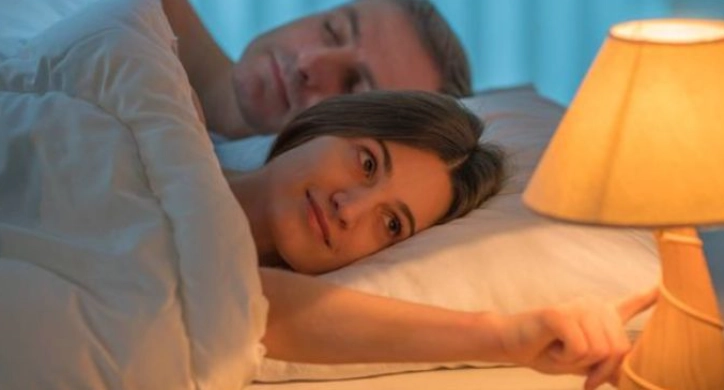
Get Out of Bed
This sounds counterintuitive, but it's a cornerstone of Cognitive Behavioral Therapy for Insomnia (CBT-I), the gold-standard non-drug treatment. If you've been lying in bed awake for more than 20-30 minutes (don't watch the clock, just estimate), get up. Go to another room. Do something boring in dim light: read a dull book, listen to calm music, fold laundry. Do not look at screens. Do not eat. Do not do anything stimulating. The goal is to break the association between your bed and anxiety/alertness. Your bed should be for sleep (and sex) only. When you feel sleepy again, go back to bed. Repeat as necessary. It's tough love for your brain, but it works.
Challenge the "Must Sleep" Pressure
Insomnia feeds on anxiety about insomnia. The more you worry about not sleeping, the more awake you become. It's a vicious cycle. Sometimes, accepting wakefulness can take the pressure off. Tell yourself, "It's okay if I don't sleep right now. I'm just resting my body." Paradoxically, releasing the desperate need to sleep can sometimes allow sleep to come.
Give Your Worries a Time Slot
Schedule "worry time" earlier in the evening, say 7 PM. Spend 15-20 minutes writing down everything that's on your mind. Then, when those thoughts pop up at bedtime, you can mentally say, "I already dealt with that during my worry time. I can let it go until tomorrow." It's a way of creating psychological closure on the day.
The battle for sleep is often won or lost in the mind, not the body.
Special Scenarios and FAQs: Answering Your Specific Questions
General advice is fine, but real life has specifics. Let's tackle some common situations.
This is the big one. The physical symptoms of anxiety (racing heart, tense muscles) are directly opposed to the state needed for sleep. Beyond the wind-down routine, techniques that activate the parasympathetic nervous system (the "rest and digest" system) are key.
4-7-8 Breathing: Inhale quietly through your nose for 4 seconds. Hold your breath for 7 seconds. Exhale completely through your mouth, making a whoosh sound, for 8 seconds. Repeat 3-4 times. This forces a physiological calm.
Progressive Muscle Relaxation (PMR): Systematically tense and then relax each muscle group in your body, starting from your toes and working up to your face. It teaches you to recognize the difference between tension and relaxation.
Mindfulness or Body Scan Meditations: Lying in bed, focus your attention slowly on each part of your body, noticing sensations without judgment. When your mind wanders (it will), gently bring it back. Apps like Headspace or Calm have guided versions specifically for sleep. The goal isn't to empty your mind, but to observe your thoughts without getting swept away by them.
Pain and sleep are a terrible feedback loop: pain disrupts sleep, and poor sleep lowers your pain threshold. Positioning is crucial. For side sleepers with hip/shoulder pain, a pillow between the knees can align the spine and take pressure off. For back sleepers, a pillow under the knees can relieve lower back strain. Investing in a supportive mattress and pillow, as discussed, is non-negotiable here. Gentle pre-bed stretching (like cat-cow or knee-to-chest stretches) can help. Heat therapy (a heating pad) on the painful area for 15-20 minutes before bed can relax muscles. If pain is chronic, this is a conversation for your doctor or a physical therapist.
This goes back to the cave environment. Double down on sound masking with a consistent noise machine. Consider earplugs (the moldable silicone ones can be comfortable). Ensure total darkness. Rule out sleep disorders like sleep apnea, which can cause you to wake up frequently without realizing why (loud snoring, gasping for air, and daytime fatigue are red flags). The Mayo Clinic provides a good overview of symptoms. A sleep study might be necessary.
It depends. If you're a shift worker or got terrible sleep the night before, a short "power nap" of 20-30 minutes early in the afternoon can improve alertness without causing sleep inertia or affecting nighttime sleep. Long naps (over 60 minutes), or naps taken late in the day (after 3 PM), can definitely steal sleep drive from your night. If you have chronic insomnia, most sleep specialists recommend avoiding naps altogether to build up a strong sleep pressure for bedtime.
When to Seek Professional Help
If you've genuinely tried improving your sleep habits for a few weeks and still struggle with chronic insomnia (trouble falling or staying asleep at least 3 nights a week for 3 months or more), it's time to see a doctor. This is crucial. They can check for underlying medical conditions (thyroid issues, anemia, chronic pain, sleep apnea) and refer you to a sleep specialist or a therapist trained in CBT-I.
Don't let pride or the belief that you "should" be able to fix it yourself stop you. Chronic sleep deprivation is a serious health issue linked to depression, anxiety, heart disease, obesity, and a weakened immune system. Getting professional help is a sign of taking your health seriously.
So, what helps you sleep? It's never one magic bullet. It's a combination of a supportive environment, a consistent and calming routine, smart choices about food and drink, managing your mind, and knowing when to call in the experts. It's a practice, not a perfect. Some nights will be better than others. The goal is progress, not perfection. Start with one thing from this guide—maybe dimming the lights an hour before bed, or trying the 4-7-8 breathing when you feel anxious under the covers. Build from there. Your sleep is worth the effort.
Reader Comments