You wake up with a dry mouth, maybe a slight headache. Your partner is giving you that look across the breakfast table. Or perhaps you're the one noticing the sounds creeping in, recorded by a sleep app or just a nagging feeling of unrest. Snoring isn't just a "man's problem." For women, it can be tied to hormones, weight, anatomy, and stress in unique ways. The good news? You don't always need expensive gadgets or a doctor's visit to find relief. Many cases of snoring in women can be significantly improved—or even stopped—with consistent, natural strategies. Let's talk about what actually works.
Quick Navigation
Understanding Why Women Snore
First, let's ditch the embarrassment. Snoring happens when airflow through your mouth and nose is partially blocked during sleep. The tissues in your throat vibrate, creating that familiar rumbling sound. For women, the triggers often have a specific flavor.
**Hormones are a huge player.** Progesterone, which peaks during the luteal phase of your cycle and in pregnancy, is actually a respiratory stimulant and muscle toner—it can reduce snoring. But when progesterone drops (like before your period or after menopause), the loss of that muscle tone in the upper airway can lead to increased relaxation and collapse. Estrogen helps keep nasal membranes moist; lower levels can mean drier, more congested nasal passages.
**Weight distribution matters.** Women tend to store fat differently. Even a small amount of extra weight around the neck—think 5 to 10 pounds—can add enough pressure to narrow the airway. This is why snoring might suddenly appear after a life change that involved weight gain.
**Sleep position is classic.** Back sleeping is the biggest culprit for most positional snorers. Gravity pulls the tongue and soft palate backward, obstructing the throat.
**Allergies and sinus issues.** Chronic nasal congestion forces mouth breathing, which directly leads to snoring. Women often manage multiple household allergens (dust, pet dander) which can be a constant, low-grade irritant.
Here's a subtle mistake I see all the time: women blame their snoring solely on being "stuffy" and pile on decongestant nasal sprays. Long-term use of these sprays leads to rebound congestion, making the problem worse. It's a vicious cycle.
The core principle for natural snoring relief: Your goal is to create an open, moist, and aligned airway from your nose to your throat. Every effective remedy works on at least one part of this chain.
Top 5 Natural Remedies to Stop Snoring
These are the methods with the best track record for DIY success. Think of them as tools, not miracles. Consistency is your best friend here.
1. Positional Therapy: Train Yourself Off Your Back
The "tennis ball trick" is famous for a reason—it works. Sew a sock or pocket to the back of a snug-fitting t-shirt and put a tennis ball in it. The discomfort when you roll onto your back will train you to stay on your side without waking you up fully. Modern upgrades include specialized pillows with side bolsters or wearable devices that vibrate when you supine.
But here's the non-consensus bit: just being on your side isn't enough. Your neck alignment is critical. If your head is tilted forward or cranked up too high, you're still kinking the airway. Use a pillow that keeps your neck in a neutral, straight line with your spine. For many women, a thinner, firmer pillow than they're used to does the trick.
2. Nasal Dilators and Saline Irrigation
If you're a mouth breather at night, start here. External nasal strips (like Breathe Right) physically pull open the nasal valves. Internal nasal dilators are small devices inserted into the nostrils that hold them open from the inside. Both are cheap, drug-free, and can offer immediate relief for nasal-based snoring.
Pair this with a nightly saline rinse (neti pot or squeeze bottle). It flushes out allergens and thick mucus, reduces inflammation, and moisturizes the passages. It feels weird the first few times, but it's a game-changer for many.
3. Oropharyngeal Exercises ("Singing for Your Sleep")
Also called myofunctional therapy, these exercises strengthen the tongue, soft palate, and throat muscles. Think of it as physiotherapy for your airway. A study published in the journal Chest found they can reduce snoring frequency and intensity by about 36%.
Try this daily routine:
- Tongue Slide: Press your entire tongue flat against the roof of your mouth and slide it backward 20 times.
- Vowel Force: Say "A-E-I-O-U" out loud with exaggerated force, engaging all facial and throat muscles. Repeat 10 times.
- Chin Lift: Lie on your back, lift your chin toward the ceiling while keeping your shoulders down. Hold for 10 seconds, repeat 10 times. This strengthens the front neck muscles that help keep the airway open.
Do this while brushing your teeth or commuting. It takes 5 minutes.
4. Weight Management and Evening Nutrition
I'm not talking about drastic dieting. A reduction of just 5-10% of your body weight can reduce fatty tissue in the back of the throat and decrease intra-abdominal pressure, which pushes up on the diaphragm. Focus on whole foods and reducing inflammatory foods, especially close to bedtime.
Avoid heavy meals, alcohol, and sedatives (like certain sleep aids or muscle relaxants) within 3 hours of sleep. They cause extreme relaxation of all muscles, including those in your throat. That nightcap might help you fall asleep, but it's a guaranteed ticket to louder snoring later in the night.
5. Optimize Your Sleep Environment
This is about removing irritants. Use a high-quality HEPA air purifier in your bedroom to reduce dust and dander. Wash bedding weekly in hot water. Consider hypoallergenic pillow and mattress covers. Keep pets out of the bedroom if you're allergic. Maintain humidity between 40-50% with a humidifier—dry air irritates nasal and throat linings.
It sounds simple, but I've had clients whose snoring resolved almost entirely after getting serious about their bedroom air quality. They were constantly fighting low-grade inflammation without knowing it.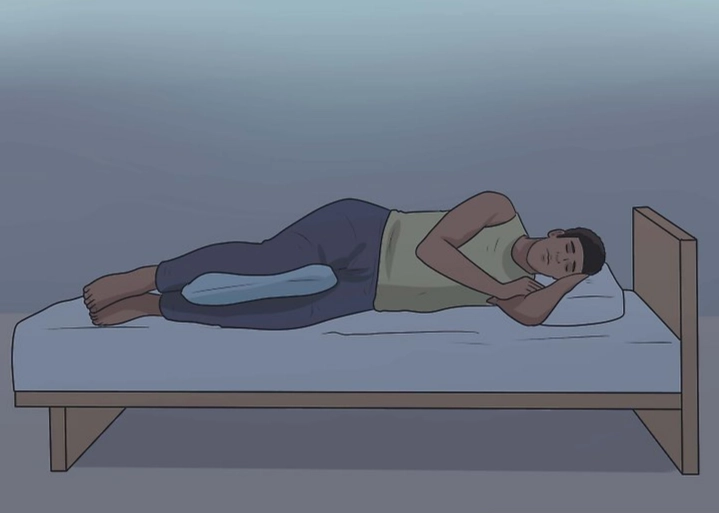
Lifestyle Adjustments That Make a Difference
Beyond the direct remedies, look at your daily patterns.
Hydration, but timing matters. Drink plenty of water throughout the day. Dehydration makes nasal secretions thicker and stickier. But taper off liquids an hour before bed to minimize disruptive bathroom trips.
Establish a wind-down ritual. High stress = tense muscles, including in the jaw and neck, which can alter breathing patterns. 20 minutes of gentle yoga, meditation, or reading (not on a screen) before bed signals your nervous system to relax.
Consider your exercise routine. Regular aerobic exercise improves overall muscle tone and promotes weight management. But also add in exercises that promote good posture—yoga, Pilates, swimming. Forward head posture from looking at phones and computers all day tightens the front neck muscles and compresses the airway.
When Natural Isn't Enough: Time to See a Doctor?
You've tried the natural route for a solid 6-8 weeks with little improvement. Or maybe you notice these red flags:
- Your snoring is loud and interrupted by pauses in breathing, followed by gasps or choking sounds.
- You sleep 7-8 hours but wake up feeling exhausted, with morning headaches.
- You have high blood pressure or experience heart palpitations.
- You fall asleep uncontrollably during the day.
This points toward obstructive sleep apnea (OSA), a serious medical condition where the airway collapses completely, stopping breathing dozens or hundreds of times a night. OSA is under-diagnosed in women because their symptoms can be more subtle (fatigue, insomnia, mood changes) rather than the classic loud snoring and gasping. Hormonal changes during menopause significantly increase the risk.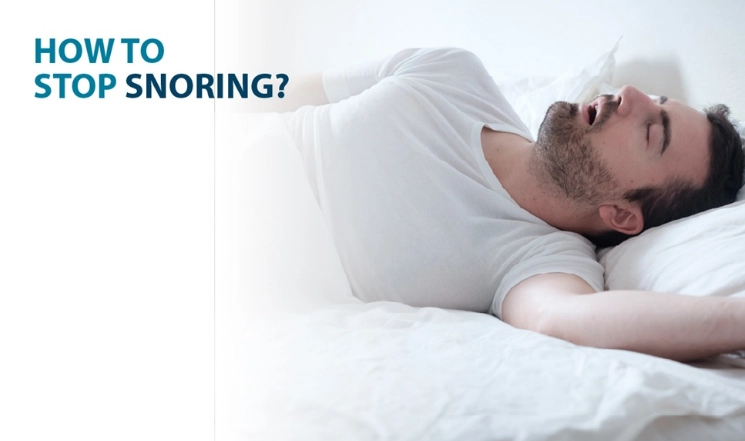
If you suspect OSA, see your doctor or a sleep specialist. The gold-standard treatment is often a CPAP machine, which uses air pressure to keep your airway open. It's not "natural," but for moderate to severe apnea, it's life-changing and non-invasive. Other professional options include custom-fitted oral appliances from a dentist.
Your Snoring Questions, Answered
Can losing weight stop my snoring?
Are essential oils like eucalyptus or peppermint safe and effective for snoring?
I only snore on my back. Do I really need to see a doctor?
Is it normal for women to start snoring after menopause?
The journey to quieter nights is personal. What works for your friend might not work for you. Start with one or two of the most relevant natural remedies—maybe positional therapy and nasal saline. Be patient and consistent for at least a month. Track your progress (ask your partner or use a sound-recording app). Listen to your body. Often, the combination of small, sustained changes is what finally turns down the volume for good.
Reader Comments