In This Article
You rub your eyes, blink a few times, and the world comes into focus. Mostly. But your right eye? It's still stuck in a soft-focus nightmare. The text on your phone is fuzzy, and your depth perception feels off. Your first thought might jump to something scary—a detached retina, a stroke. But then a quieter, more guilty thought whispers: I only got four hours of sleep last night. So, you find yourself here, asking the internet: can lack of sleep cause blurry vision in one eye?
Let's cut to the chase. The short answer is yes, absolutely. It's not just an old wives' tale. Skimping on sleep can directly mess with your vision, and sometimes, it can feel more pronounced in one eye than the other. But—and this is a huge but—it's rarely the only explanation when the blurriness is isolated to a single eye. That detail changes the game completely.
I've been there. After a brutal deadline week fueled by coffee and screen time, I woke up with my left eye feeling like it was looking through a dirty window. It was terrifying for a solid ten minutes. It did clear up after a few hours and some proper rest, but that scare sent me down a rabbit hole of research. I wanted to know exactly what was happening, when to worry, and how to fix it. This article is the result of that dive, and I want to save you some of that panic.
Why Your Eyes Throw a Tantrum When You're Tired
Think of your eyes as the most high-maintenance cameras on the planet. They need constant lubrication, precise focusing muscles, and a well-rested brain to process the images. Sleep deprivation throws a wrench into every single one of these systems.
First up, the tear film. This is the thin layer of moisture that keeps your cornea smooth and clear. When you're sleep-deprived, your body produces fewer tears, and the quality of the tears you do produce plummets. The result? Dry eyes. And dry eyes are a prime cause of intermittent blurry vision. Now, why one eye? It's often simple asymmetry. Maybe you sleep more on one side, exposing that eye to more air. Maybe one of your tear ducts is slightly less efficient. That minor difference can become glaringly obvious when your entire tear system is stressed.
Then there are the focusing muscles. The ciliary muscles inside your eye work tirelessly to change the shape of your lens, allowing you to focus on near and far objects. Like any muscle, they fatigue. A long day of staring at screens (often paired with poor sleep) leaves these muscles spasmed or simply too tired to focus properly. This is called accommodative spasm or eye strain, and it can definitely feel worse in one eye.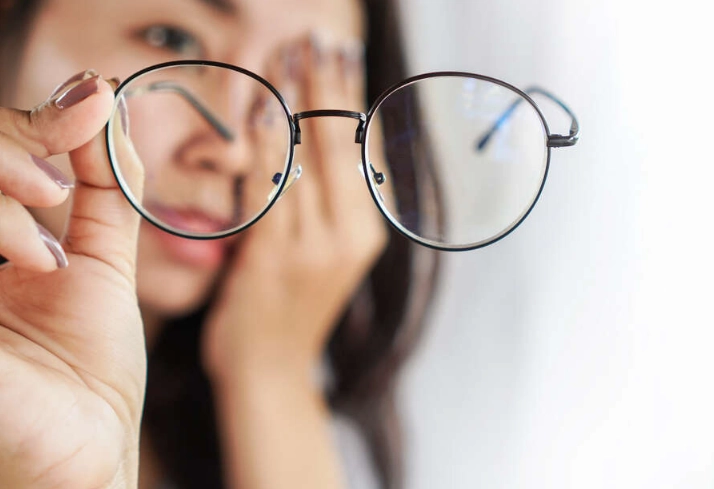
Finally, your brain is the ultimate image processor. Sleep is critical for neural repair and clearing out metabolic waste. A foggy, tired brain can struggle with visual processing, leading to a general sense of visual unsteadiness or difficulty focusing. This might be interpreted as blurriness.
The Direct Link: So, can lack of sleep cause blurry vision in one eye? In many cases, it's the primary trigger for a temporary, annoying symptom. It's your body's way of waving a big red flag that says, "Hey, I need to recharge!" The blurriness from pure sleep deprivation is usually temporary, affects both eyes (though one may feel worse), and improves with rest, blinking, and using artificial tears.
The Red Flags: When It's NOT Just Sleep
This is the part you really need to pay attention to. While sleep can be a factor, sudden or persistent blurry vision in only one eye is a classic symptom that eye doctors take very seriously. It can be the first sign of conditions that have nothing to do with your sleep schedule.
If your blurry vision in one eye is accompanied by any of the following, you need to stop reading this and call a doctor or visit an emergency room:
- Sudden onset, like a curtain falling over part of your vision.
- Seeing flashing lights, floaters, or a shadow in your peripheral vision.
- Pain in or around the eye.
- Severe headache, especially if it's new or different.
- Double vision.
- Loss of peripheral vision.
- Facial drooping, arm weakness, or slurred speech (signs of a stroke).
I'm not trying to scare you unnecessarily, but it's irresponsible to talk about this symptom without giving the stark warning. The American Academy of Ophthalmology lists sudden vision change in one eye as a reason to seek immediate medical care. You can read more about urgent eye symptoms on their public information page here.
Think of it this way: If the blurriness comes on gradually after a known period of bad sleep and clears up with rest, sleep is likely the main player. If it comes out of nowhere, is severe, or doesn't go away, it's time for a professional to look at that specific eye.
Common Eye Conditions That Mimic "Sleepy Eye" Blurriness
Let's break down some other culprits. This table might help you understand why a doctor's visit is crucial for a one-eye issue.
| Condition | What It Is | How It Differs From Sleep-Related Blur |
|---|---|---|
| Astigmatism (Uneven) | An irregularly shaped cornea that distorts light. It can be significantly worse in one eye. | Blurriness is constant at all distances, not just after tiredness. It won't improve with sleep alone. |
| Amblyopia ("Lazy Eye") | The brain favors one eye, leading to poor vision development in the other. Often diagnosed in childhood but can affect adults. | A long-standing condition, not something that appears suddenly in adulthood after a late night. |
| Cataracts (Early Stage) | Clouding of the eye's lens. They often develop asymmetrically. | Vision is cloudy or dimmed, like looking through wax paper. It worsens gradually over months/years. |
| Ocular Migraine | A migraine that affects vision, often with shimmering lights or blind spots, usually in one eye. | Involves positive visual phenomena (lights, zigzags) and typically lasts 20-30 minutes before resolving. |
| Uveitis or Eye Inflammation | Inflammation inside the eye. Can be caused by infection or autoimmune issues. | Almost always involves eye redness, pain, and sensitivity to light (photophobia). |
See what I mean? The question "can lack of sleep cause blurry vision in one eye" has a nuanced answer. It can trigger or exacerbate it, but it can also coincidentally happen at the same time as something more serious. That's why context is king.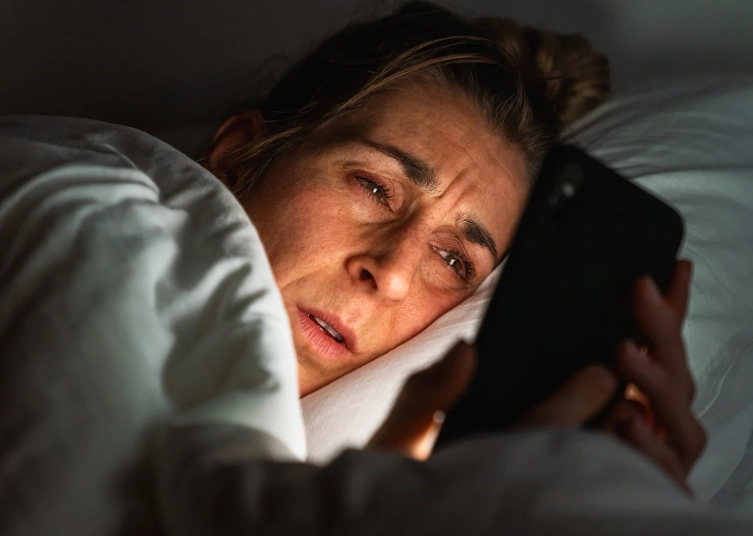
The Vicious Cycle: Sleep, Screens, and Strain
We rarely have pure sleep deprivation anymore. It's usually a package deal: poor sleep plus excessive digital screen time. This combo is a perfect storm for your eyes, a condition now commonly called Digital Eye Strain or Computer Vision Syndrome.
When you're tired, your blink rate drops by about 60%. You might blink only 5-7 times a minute instead of the normal 15-20. Now, pair that with staring at a screen that demands intense focusing. Your eyes are dry, your muscles are locked in a near-focus spasm, and your brain is exhausted from processing blue light and constant information. Is it any wonder one eye might decide to go on strike?
This is where the one-eye phenomenon gets tricky. You might have a slightly different prescription in each eye, or one eye might be more dominant. Under the massive strain of the sleep-screen combo, the weaker or more strained eye is the first to show symptoms of blurry vision. So, while the root cause is the lifestyle (lack of sleep + screen overuse), the presentation is one blurry eye.
Quick Relief Test: If you're reading this with one blurry eye right now, try this. Close both eyes, gently place warm palms over them (no pressure), and just breathe deeply for 60 seconds. Then, try looking at something 20 feet away for another 60 seconds. If the blurriness improves even slightly, it's a strong sign your issue is muscular/strain-related, which is tightly linked to fatigue.
Your Action Plan: From Immediate Relief to Long-Term Health
Okay, so let's say you're pretty sure your blurry vision is tied to your terrible sleep habits. What can you actually do about it? Here’s a practical, tiered approach.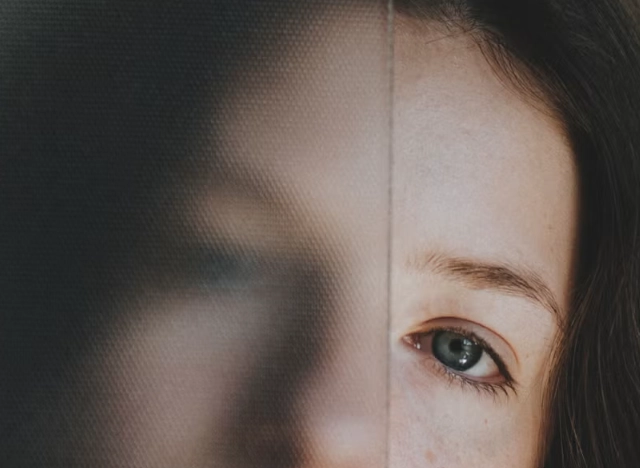
Right Now (At Your Desk)
- Blink, on purpose: Do 10 slow, exaggerated blinks. It resets your tear film.
- The 20-20-20 Rule: Every 20 minutes, look at something 20 feet away for 20 seconds. This is non-negotiable for breaking focus muscle spasms.
- Artificial Tears: Use preservative-free lubricating eye drops. They're a lifeline for dry, tired eyes.
- Check Your Lighting: Glare from a window or overhead light can increase strain. Adjust your screen position.
Tonight & For Better Sleep Hygiene
Improving your sleep is the most direct answer to the core question. The National Sleep Foundation has great resources on sleep hygiene (you can find them here), but my personal takeaways are:
- Digital Sunset: Put phones and laptops away 60 minutes before bed. The blue light suppresses melatonin, the sleep hormone. This was the hardest but most effective change for me.
- Dark, Cool, Quiet: Make your bedroom a cave. Blackout curtains, a cool temperature, and white noise if needed.
- Wind-Down Routine: Read a physical book (not a tablet!), listen to calm music, do some light stretching. Signal to your brain that it's time to shut down.
- Consistency: Try to wake up and go to bed at roughly the same time, even on weekends. It trains your internal clock.
When to Book an Eye Exam (No Excuses)
Even if you're convinced it's just sleep, make this appointment. A comprehensive eye exam can:
- Rule out the serious conditions we talked about.
- Identify an underlying refractive error (nearsightedness, astigmatism) in one eye that only becomes noticeable when you're tired.
- Check the health of your retina and optic nerve.
- Provide you with a proper prescription for computer glasses if needed, which can reduce strain by up to 50%.
Tell your eye doctor exactly what you've been experiencing: "I've been having blurry vision in my right eye, usually after poor sleep and long computer days." That context helps them immensely.
The bottom line is this: Your eyes are not separate from the rest of your body. They are profoundly sensitive to your overall health and habits. Asking "can lack of sleep cause blurry vision in one eye" is a smart question because it connects two seemingly unrelated issues. Listen to that signal.
Frequently Asked Questions (The Stuff You're Actually Searching For)
Let's get straight to some of the specific, sometimes anxious, questions people have when they land on this topic.
Can lack of sleep cause permanent blurry vision in one eye?
From sleep deprivation alone? Almost certainly not. The blurriness caused by dry eyes and muscle fatigue is temporary and reversible. However, chronic sleep deprivation is linked to long-term health problems like high blood pressure and diabetes, which can cause permanent eye damage (like diabetic retinopathy). So, while the sleep itself won't permanently blur your vision, the diseases it contributes to might.
Why is only my LEFT (or RIGHT) eye blurry when I'm tired?
Asymmetry, pure and simple. You might have a slightly stronger prescription in that eye. You might sleep on that side, exposing it to more air and drying it out faster. You might subconsciously squint or strain it more. The body isn't perfectly symmetrical, and stressors like fatigue highlight those tiny differences.
I got 8 hours of sleep, but my one eye is still blurry. Now what?
This changes the picture. If you've had a full night of good sleep and the blurriness in one eye persists upon waking and doesn't clear up within an hour or two, it significantly reduces the odds that sleep is the primary cause. This is a stronger signal to schedule an eye exam promptly to investigate other causes.
Are there any vitamins or supplements that help with this?
Nutrition supports overall eye health. Omega-3 fatty acids (from fish oil) can help improve tear quality and combat dryness. Lutein and zeaxanthin are antioxidants that support the retina. However, no pill is a substitute for sleep. Think of supplements as supporting actors, not the lead role, in this drama. Always talk to your doctor before starting new supplements.
Wrapping this up, I hope the journey from that initial panic-search to here has been helpful. The link between tiredness and blurry vision is real and more common than you think. Pay attention to it. Use it as a reminder to take better care of yourself—your eyes depend on it. But never ignore the warning signs that point to something more. Your vision is priceless; protect it with both good habits and professional care.
Reader Comments