Let's cut through the noise. You've searched for the best sleep schedule because you're tired of feeling tired. Maybe you're chasing that mythical 8-hour block, only to lie awake staring at the ceiling. Or you crash hard but wake up at 3 AM, your mind racing. The problem isn't just how long you sleep—it's when you sleep relative to your body's internal wiring.
The best sleep schedule is the one that syncs perfectly with your unique circadian rhythm. It's the rhythm that tells your body when to release melatonin (the sleep hormone), when your core temperature should drop for sleep, and when cortisol should rise to wake you up feeling refreshed. Get this alignment wrong, and even 9 hours in bed can leave you groggy.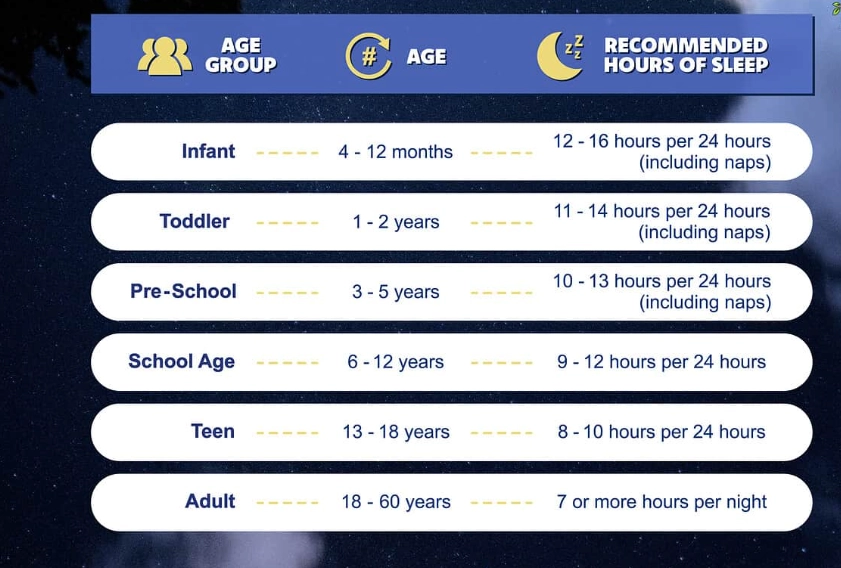
Here's the truth most generic articles miss: a perfect schedule is less about a specific clock time like "10 PM" and more about consistent, biological timing. I learned this the hard way after years of flip-flopping between being a night owl and trying to force a 5 AM routine. The fatigue was brutal until I stopped fighting my own biology.
What You'll Discover
Why There's No One-Size-Fits-All "Best" Time
Your coworker swears by a 10 PM bedtime and is chipper at 6 AM. You, on the other hand, feel most alive at 11 PM and consider 7 AM a form of torture. Who's right? Both of you, probably.
This difference is largely explained by your chronotype—your natural predisposition to be more alert at certain times of day. Think of it as your body's factory setting.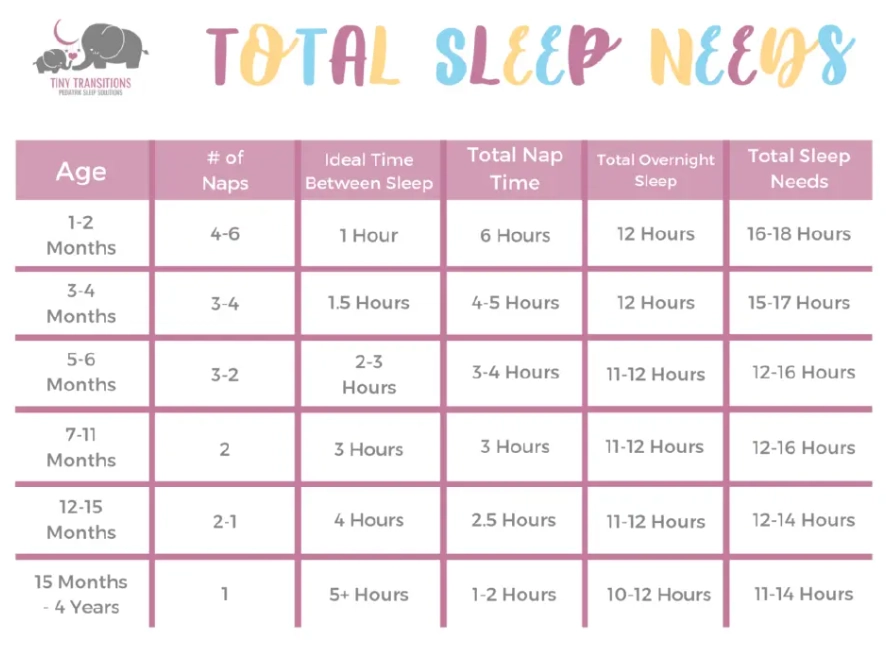
Your Chronotype: The Sleep Schedule Blueprint
While spectra exist, most people fall into a broad category:
The Morning Lark: Naturally wakes early, peaks in productivity before noon, and winds down early in the evening. Their ideal schedule might be 9:30 PM to 5:30 AM.
The Night Owl: Struggles with early mornings, hits their stride in the late afternoon or evening, and naturally stays up late. Forcing a 9 PM bedtime is like asking them to fall asleep in the middle of their biological afternoon. Their ideal schedule might be 1 AM to 9 AM.
The Hummingbird (or Intermediate): The most common type. They have some flexibility but generally do well with a moderately early schedule, like 11 PM to 7 AM.
Ignoring your chronotype is the first major mistake people make. A night owl following a "perfect" early schedule recommended for a morning lark is setting themselves up for insomnia and sleep deprivation.
A Non-Consensus View: Society glorifies the early riser, but there's no moral or health superiority to being a lark versus an owl—as long as you get sufficient, consistent sleep on your own rhythm. The health risks associated with being a night owl often stem from forcing your body into a morning-lark schedule, not from the chronotype itself.
How to Find Your Ideal Sleep Schedule: A Practical Plan
So, how do you find this magical alignment? Don't guess. Experiment. Here's a two-week plan I've used with clients, adapted from principles recommended by organizations like the National Sleep Foundation.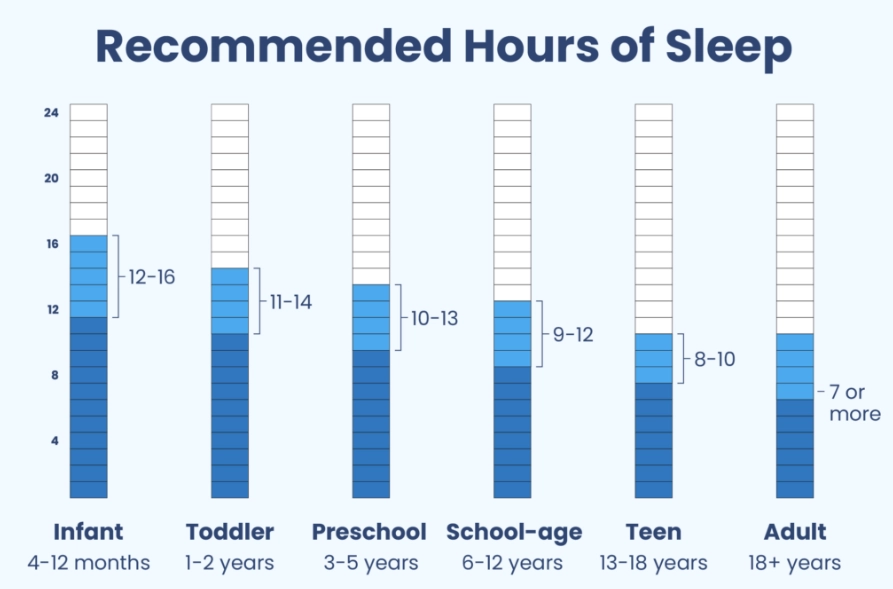
Week 1: The Discovery Phase (Listen to Your Body)
For one week, forget about alarms on your days off (if possible). Go to bed only when you feel genuinely sleepy—eyes heavy, yawning, not just bored. Let yourself wake up naturally. No hitting snooze, no forcing yourself back to sleep.
Keep a simple log: Note the time you get into bed, your estimated sleep onset time, and your natural wake-up time. Also, jot down your energy levels at 10 AM, 4 PM, and 9 PM. By the end of the week, patterns will emerge. Your average natural wake-up time is a golden clue to your rhythm.
Week 2: The Anchoring Phase (Set Your Wake-Up Time)
Take that average natural wake-up time from Week 1. This is your new non-negotiable wake-up time, seven days a week. Yes, even weekends. This consistency is the single most powerful tool for regulating your circadian rhythm.
Now, work backward to find your bedtime. Most adults need 7-9 hours. Let's use 8 hours as a target. If your fixed wake-up time is 7:30 AM, and you need 30 minutes to fall asleep (sleep latency), your target bedtime is around 11 PM.
The formula: Wake-up Time - (Total Sleep Need + 15-30 min fall-asleep time) = Bedtime.
Stick to this schedule rigidly for Week 2. Get bright light exposure (preferably sunlight) within 30 minutes of waking. This cements the "wake-up" signal for your brain.
Common Pitfalls That Wreck Your Sleep Rhythm
Finding your rhythm is one thing. Protecting it is another. Here are subtle errors that can derail even the best-intentioned schedule.
1. The Weekend Rebound: Sleeping in more than 60-90 minutes past your weekday alarm. This creates "social jet lag," putting your body through a mini time-zone change every weekend. Monday morning feels horrible because, biologically, it is horrible.
2. Misusing Light: Blue light from screens before bed is well-known.
3. Focusing on Bedtime, Not Wake Time: This is a big one. People obsess over going to bed at the same time, but if your wake-up time is all over the place, your bedtime efforts are futile. Your wake-up time is the anchor. Prioritize fixing that first; your bedtime will naturally become more regular.
4. Eating Too Late: Digesting a large meal right before bed raises your core temperature and keeps your digestive system active when it should be winding down. Aim to finish your last large meal at least 2-3 hours before bed.
Your Top Sleep Schedule Questions Answered
 Finding the best sleep schedule is a personal journey of tuning into your body's signals, not blindly following a prescription. It requires patience and consistency, especially when adjusting. Start by identifying your natural rhythm, anchor your wake-up time, and protect that rhythm from the chaos of modern life. When you sleep in sync with your internal clock, sleep stops being a struggle and starts being the restorative powerhouse it's meant to be. You might not always hit exactly 8 hours, and that's okay. Waking up refreshed is the real goal.
Reader Comments