You know the feeling. The alarm goes off, and it feels like you were just hit by a truck. You drag yourself through the day, relying on caffeine to function. Or maybe you spend hours staring at the ceiling, willing sleep to come. Most people write this off as stress or just a bad night. But what if it's more? What if your body is trying to tell you something's wrong with your sleep?
I've talked to hundreds of people about their sleep over the years, and the pattern is almost always the same. They ignore the signals until their work, health, or relationships start to suffer. The truth is, sleep disorders are sneaky. They don't always announce themselves with a dramatic collapse. More often, they whisper through a handful of persistent, daily signs.
Let's cut to the chase. The four core signs you may have a sleep disorder are: crushing daytime fatigue, persistent difficulty falling or staying asleep, loud, disruptive snoring (especially with pauses), and uncontrollable urges to move your legs at night. If one or more of these sounds familiar, you're not just "a bad sleeper." You might be dealing with a clinical issue like insomnia, sleep apnea, or restless legs syndrome.
Quick Navigation: What's in This Guide?
Sign 1: Daytime Fatigue That Coffee Can't Fix
Everyone feels tired sometimes. The sign of a disorder is fatigue that becomes your default state. It's not just feeling sleepy after lunch. It's a deep, persistent exhaustion that affects your cognition and mood, day in and day out.
Here’s what that often looks like in real life:
Brain Fog and Memory Lapses. You forget why you walked into a room. You struggle to concentrate on a report or follow a movie plot. Simple decisions feel overwhelming. This isn't just being scatterbrained; it's your sleep-deprived brain struggling to function. Research consistently links poor sleep with impaired cognitive performance, similar to being legally intoxicated.
Emotional Volatility. You snap at your partner over nothing. Minor frustrations feel like major crises. Anxiety feels heightened. Sleep is crucial for emotional regulation. Without it, the brain's amygdala (the fear center) goes into overdrive, while the prefrontal cortex (the rational manager) checks out.
Physical Sluggishness. Your body feels heavy. Exercise feels impossible. You might doze off in passive situations—during a meeting, while reading, or worse, while driving. This is called excessive daytime sleepiness (EDS), and it's a huge red flag. The National Sleep Foundation notes that EDS is a primary symptom of disorders like sleep apnea and narcolepsy.
Non-Consensus View: People often blame daytime fatigue on aging or a busy life. But here's the subtle mistake: they assume if they're getting 7-8 hours in bed, their sleep must be fine. The critical factor isn't time in bed, but the quality of those hours. You could be in bed for 9 hours with untreated sleep apnea and wake up more exhausted than when you went to sleep because your brain was fighting for air all night.
Sign 2: The Tossing-and-Turning Tango
Difficulty falling asleep (taking more than 20-30 minutes) or staying asleep (waking up frequently and struggling to drift back off) more than three nights a week for over three months is the textbook definition of chronic insomnia. It's not the occasional restless night before a big day.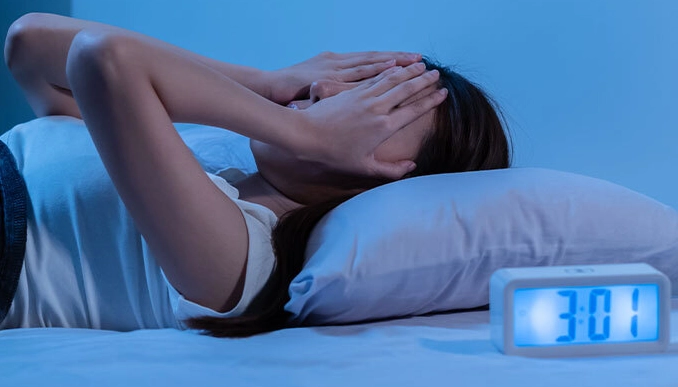
This sign often creates a vicious cycle:
You start dreading bedtime because you know the struggle awaits. You watch the clock, calculating how many hours you have left if you fell asleep NOW. This anxiety releases cortisol (the stress hormone), which is literally designed to keep you alert—the exact opposite of what you need. Your bed stops being a place of rest and becomes a battlefield.
Many try to solve this with over-the-counter sleep aids or alcohol. Big mistake. These substances often fragment sleep architecture, reducing the deep, restorative sleep you desperately need. You might be unconscious, but you're not getting quality rest.
How is this different from just being stressed?
Stress-related sleep trouble usually fades as the stressful situation resolves. A sleep disorder persists even when life is relatively calm. The problem has moved from your life circumstances to your sleep system itself. Your body has forgotten how to initiate or maintain sleep efficiently.
Sign 3: The Snore That's More Than a Nuisance
Snoring is incredibly common, so it's easy to dismiss. But not all snoring is created equal. The type that signals a potential disorder—most notably Obstructive Sleep Apnea (OSA)—has specific characteristics.
It's not just a light buzz. It's loud, habitual snoring (most nights) often accompanied by:
Choking, Gasping, or Snorting Sounds. These are the telltale signs. They happen when your airway collapses or becomes blocked, cutting off your breath. Your brain panics, sends a jolt of adrenaline to wake you up just enough to gasp for air, and then you fall back asleep. This cycle can repeat hundreds of times a night, and you might have no memory of it.
Witnessed Pauses in Breathing. This is the gold-standard clue. If a partner or family member has ever told you that you stop breathing for several seconds at a time during sleep, take it seriously. It's a direct observation of apnea events.
I had a friend who snored like a chainsaw. His wife complained for years. He finally got a sleep study done after his doctor noticed his stubbornly high blood pressure. Turns out, he was having over 40 apnea events per hour. His heart and brain were under immense strain every single night.
Non-Consensus View: The biggest misconception is that sleep apnea only affects overweight, older men. While that's a risk factor, I've seen it in thin women and even fit athletes. The structure of your airway, jaw, and neck plays a huge role. If you're a loud snorer who wakes up with a dry mouth or headache, regardless of your body type, get it checked.
Sign 4: The Unsettling Nighttime Urge to Move
This one is less about sleep itself and more about an irresistible sensation that prevents you from getting to sleep. Restless Legs Syndrome (RLS) is often described as a creepy-crawly, itching, throbbing, or "pins and needles" feeling deep within the legs (sometimes arms).
The key feature is that the urge to move is worst during periods of rest or inactivity, especially in the evening and night, and is temporarily relieved by movement like walking, stretching, or jiggling your legs.
It forces you to get out of bed and pace the floor at midnight. It can make long car rides or flights miserable. The cause isn't fully understood but is often linked to iron deficiency or dopamine dysfunction in the brain. It's not just "feeling fidgety." It's a specific, uncomfortable neurological sensation that has a clear circadian pattern (worse at night).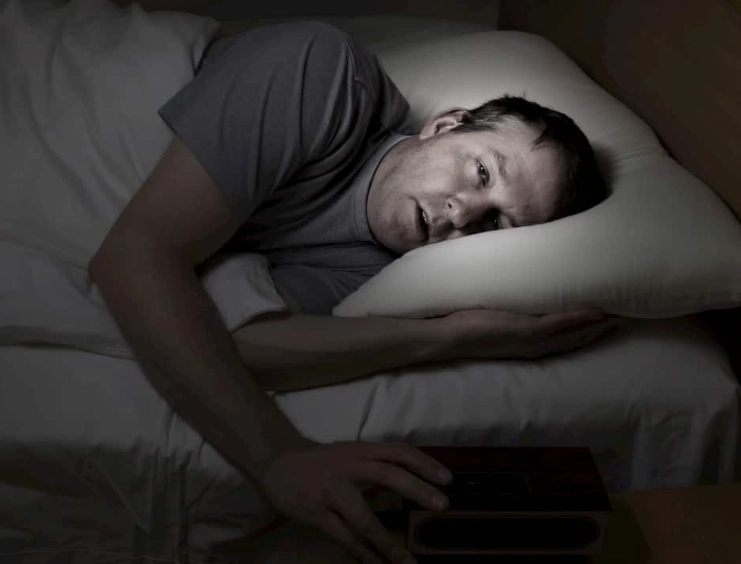
What to Do If You Recognize These Signs
Okay, so one or more of these signs hit home. What's the next step? Don't just buy a fancy pillow and hope for the best.
Start Tracking. For two weeks, keep a simple sleep diary. Note bedtime, wake time, estimated sleep time, nighttime awakenings, snoring/leg sensations, and your daytime energy level. This data is gold for a doctor.
Talk to Your Primary Care Doctor. Bring your sleep diary. Describe your symptoms clearly using the language we've discussed: "I have excessive daytime sleepiness despite being in bed for 8 hours," or "My partner hears me gasp and stop breathing at night." They can check for underlying issues like anemia or thyroid problems and refer you to a specialist.
See a Sleep Specialist. This is a doctor board-certified in sleep medicine. They might recommend a sleep study (polysomnography). Yes, the idea of sleeping in a lab is weird, but it's the definitive way to diagnose disorders like sleep apnea, periodic limb movement disorder, and narcolepsy. Home sleep apnea tests are also common now for suspected OSA.
The goal isn't to scare you. It's to empower you. Identifying a sleep disorder is the first step toward reclaiming your energy, your focus, and your health.
Your Sleep Disorder Questions, Answered
Absolutely. You are often the worst witness to your own apnea events. The micro-arousals that restart your breathing are so brief you rarely become fully conscious. The only symptom you might notice is that you never feel rested. If you're a loud, habitual snorer and have daytime fatigue, a sleep study is warranted. Don't wait for a partner to confirm the gasping.
That's a classic presentation of sleep maintenance insomnia. The problem isn't initiation, it's consolidation. It's often linked to stress or anxiety that quiets down when you first fall asleep but resurfaces as sleep pressure lightens in the second half of the night. The mistake people make is turning on a bright light or checking their phone. This tells your brain it's morning, shutting down melatonin production. Better to keep the room dark and do something dull (like listening to a boring audiobook) until drowsiness returns.
This is the most common concern, and sleep techs are prepared for it. They call it the "first-night effect." While you might sleep less than usual, they can still gather crucial data—especially for breathing-related disorders like apnea, which happen regardless of sleep depth. They can often see enough in a few hours of sleep to make a diagnosis. Some clinics now offer home sleep studies for exactly this reason, though they are less comprehensive.
Iron deficiency is a common trigger, but it's not the only one. Other causes include kidney disease, peripheral neuropathy, certain medications (like some antidepressants or antihistamines), and pregnancy. Even if your blood iron is "normal," your brain iron stores (ferritin) might be low. A sleep specialist can check your ferritin level and explore other medications specifically approved for RLS, like dopaminergic agents or alpha-2-delta ligands, which work on different pathways in the nervous system.
CPAP is the gold-standard and most effective treatment, but it's not the only one. For mild cases, especially those linked to sleeping on your back, positional therapy (like a special shirt or pillow) can help. Oral appliances (mandibular advancement devices) that reposition the jaw can be effective. Significant weight loss can sometimes resolve it. Lifestyle changes like avoiding alcohol before bed are also key. The best treatment is the one you'll actually use consistently, so discuss the pros and cons of all options with your doctor.
Reader Comments