You've probably seen it on Pinterest or heard it from a wellness influencer: the 10-3-2-1-0 sleep rule. It's a catchy, numbers-based formula that promises to solve your sleep problems if you just follow the countdown. But here's the thing I've learned after years of digging into sleep science—most people get it wrong. They treat it like a strict military command, fail on day three, and feel even worse about their sleep habits. Let's cut through the noise. This isn't just another article repeating the rule. We're going to dissect the research behind each number, expose where the rule is too rigid (and potentially harmful), and give you a flexible, science-backed framework you can actually stick to.
What You'll Learn in This Guide
Deconstructing the 10-3-2-1-0 Rule: A Line-by-Line Breakdown
First, let's be clear on what the original rule even says. It's a pre-sleep countdown:
3 hours before bed: No more food or alcohol.
2 hours before bed: No more work.
1 hour before bed: No more screens.
0: The number of times you hit the snooze button.
Sounds simple, right? The intent is good—it's trying to create a wind-down routine. But let's look at what sleep research says about each point.
10 Hours Before Bed: The Caffeine Cut-off
This is the rule's strongest point, backed by solid science. Caffeine has a half-life of about 5-6 hours. That means if you have a coffee at 3 PM, half the caffeine is still in your system at 9 PM. A study published in the Journal of Clinical Sleep Medicine found that consuming caffeine even 6 hours before bedtime significantly disrupts sleep. For people who are slow metabolizers of caffeine (a genetic trait), the effects last much longer.
So, a 10-hour window is a conservative, safe bet. It's not crazy. But is it necessary for everyone? If you're a fast metabolizer and you have a small tea at 2 PM for a 10 PM bedtime, the research suggests you're probably fine. The rigid "10" can create unnecessary anxiety. The core principle—be mindful of afternoon and evening caffeine—is what matters.
3 Hours Before Bed: Food & Alcohol Ban
This one is a mixed bag. Heavy, greasy, or spicy meals right before bed can cause indigestion and disrupt sleep, as noted by the National Sleep Foundation. The body is busy digesting instead of winding down.
But a 3-hour absolute ban? It's overkill for many. A small, sleep-promoting snack about 60-90 minutes before bed can be helpful. Think a banana, a handful of almonds, or some Greek yogurt—foods containing tryptophan, magnesium, or calcium. The key is the type and quantity of food, not just the timing.
Now, alcohol. This is where the rule is dangerously simplistic. Alcohol is a sedative; it might help you fall asleep faster, but it absolutely wrecks sleep architecture. It suppresses REM sleep (the restorative dream stage) and causes awakenings in the second half of the night. Saying "no alcohol 3 hours before bed" implies that if you stop at 7 PM for a 10 PM bedtime, you're good. The reality is, any significant alcohol consumption in the evening is likely to impair sleep quality. The rule should emphasize limiting or avoiding alcohol entirely for better sleep, not just setting a cutoff time.
2 Hours Before Bed: The Work Quit Time
Psychologically, this is golden. Bringing work stress, emails, or complex problem-solving into the bedroom is a recipe for a racing mind. Research on cognitive arousal and sleep onset supports creating a buffer zone. However, "work" is vague. Does checking one last email count? What about planning your grocery list? The spirit of this rule is to stop mentally stimulating or stressful tasks. For some, that might need to be 3 hours; for others, a clean 90-minute break might suffice. The number "2" is less important than the act of creating a definitive end to your day's mental labor.
1 Hour Before Bed: Screen Blackout
The science on blue light is clear: it suppresses melatonin production, the hormone that signals sleep. A Harvard Medical School report details how blue light exposure at night shifts circadian rhythms and makes it harder to fall asleep. So, the "1 hour" advice has merit.
But here's a nuance most miss: the content is as disruptive as the light. Scrolling through stressful news or an exciting action movie on your blue-light-filtered tablet will still stimulate your brain, even if the melatonin suppression is reduced. The rule should be: "1 hour before bed, begin a screen-free, mentally calming activity." Reading a physical book, light stretching, or listening to a podcast (without a bright screen) are better targets.
0 Snoozes
Finally, something we can all agree on. Hitting snooze fragments those last bits of sleep, leading to sleep inertia—that groggy, disoriented feeling. You're not getting quality rest; you're just torturing yourself with 9-minute intervals of poor sleep. Setting one alarm and getting up is almost always better. This "0" is non-negotiable in my book.
The Big Problem With Rigid Sleep Rules (And What to Do Instead)
The fatal flaw of the 10-3-2-1-0 rule is its rigidity. Life isn't a spreadsheet. You might have a late dinner with friends. You might need to finish a project. A strict rule that you "break" sets you up for a psychological failure that can increase sleep-related anxiety—"I failed the rule, so I'll have a bad night." That anxiety itself can cause insomnia.
I've seen clients become so obsessed with the "10-hour caffeine rule" that they'd panic if they had a piece of chocolate after lunch. That's not healthy sleep hygiene; that's orthosomnia, an unhealthy preoccupation with perfect sleep.
Sleep is a biological process, not a math equation. A better approach is to understand the principles behind the numbers and apply them flexibly as a wind-down gradient, not a switch that flips at specific times.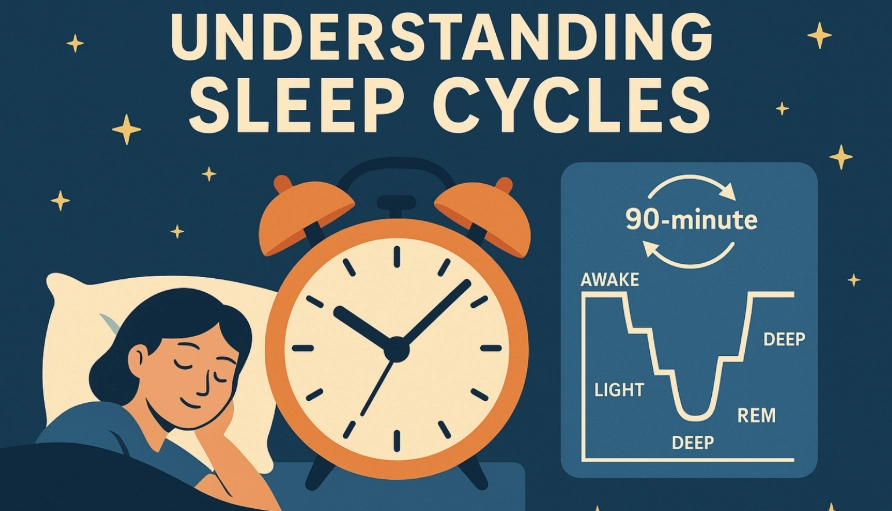
A Research-Backed, Flexible Sleep Framework
Forget memorizing 10-3-2-1-0. Try thinking in terms of three evolving phases in your evening, guided by principles, not strict timers.
The Wind-Down Initiation (3-4 Hours Before Bed)
This is when you start signaling to your body that the day is ending.
Caffeine & Alcohol: Make your last caffeinated drink at least 6-8 hours before bed. Know your own sensitivity. With alcohol, less is more for sleep quality. If you drink, have it with dinner, not after.
Food: Finish large meals. If you're hungry later, a small, sleep-friendly snack is okay.
Activity: Start transitioning from high-stress work or intense exercise to calmer tasks.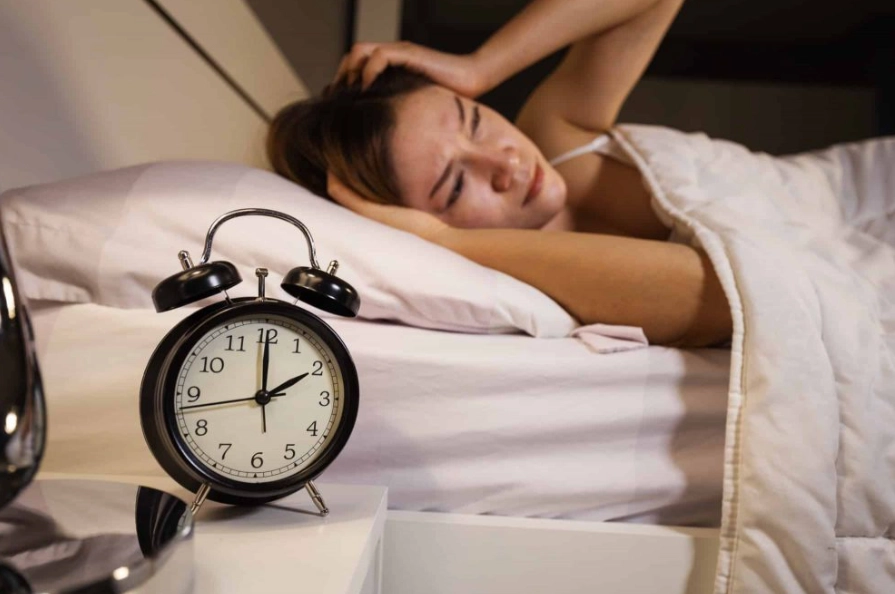
The Pre-Sleep Buffer (60-90 Minutes Before Bed)
This is your dedicated relaxation zone.
Screens: Begin your screen curfew. If you must use a device, enable night mode/blue light filters at maximum and stick to calm, non-stimulating content.
Environment: Dim the lights in your home. This naturally boosts melatonin. Lower the thermostat slightly—a cool room (around 65°F or 18°C) is ideal for sleep.
Mind: Engage in a consistent, calming routine. This could be light reading, gentle yoga, a warm shower (the drop in body temperature afterwards promotes sleepiness), meditation, or planning the next day (to get thoughts out of your head).
The Bedroom Sanctuary (From Bedtime Onward)
Association: Use your bed only for sleep and intimacy. No work, no eating, no doomscrolling. This strengthens the mental link between bed and sleep.
If You Can't Sleep: If you're awake for more than 20 minutes, get out of bed. Go to another dimly lit room and do something boring until you feel sleepy. This prevents the bed from becoming a place of frustration.
Alarm: Set one alarm for your wake time. Place it across the room. Commit to the "0" snooze policy.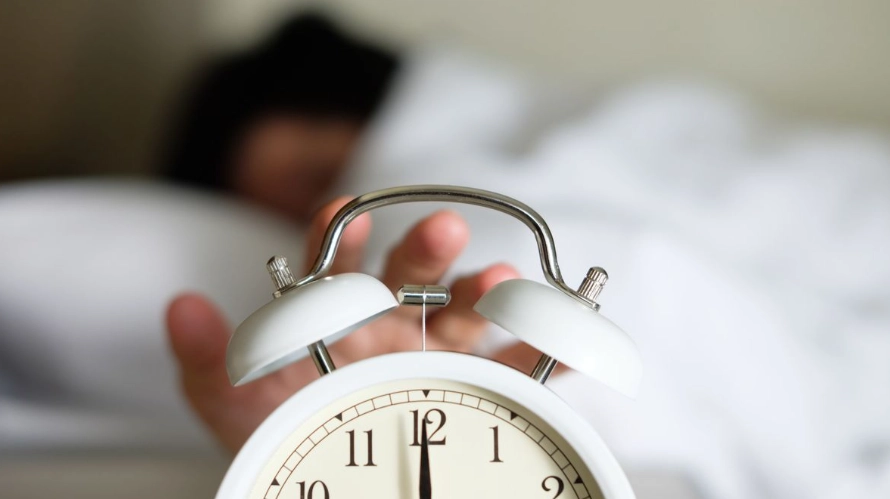
Your Top Sleep Rule Questions Answered
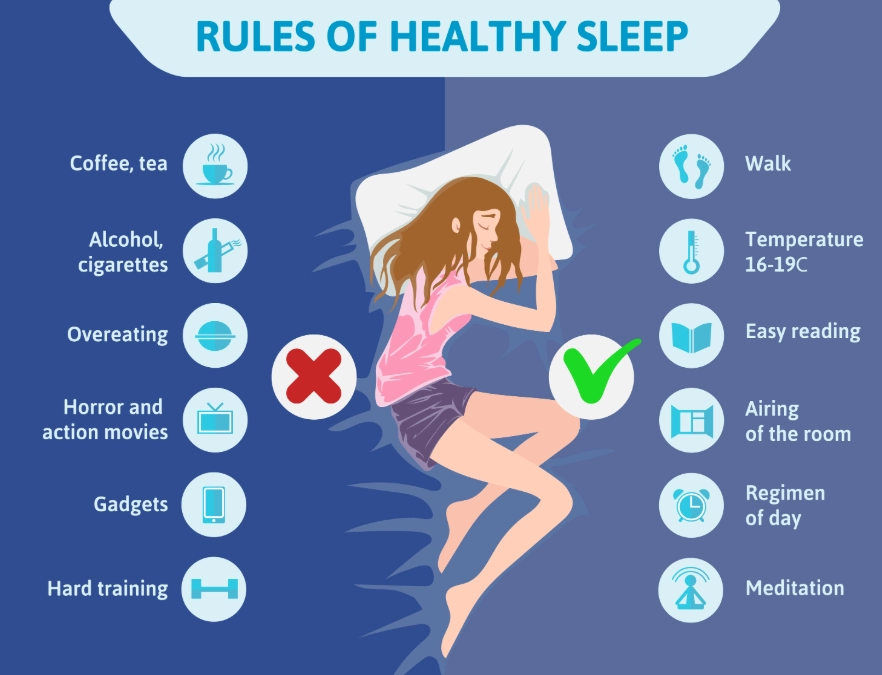
The 10-3-2-1-0 sleep rule is a well-intentioned meme that gets people thinking about sleep hygiene. But treating it as gospel can be counterproductive. Sleep science supports the principles behind it—managing stimulants, reducing evening stress, and protecting your wind-down time—but demands flexibility. Ditch the countdown. Build your own personalized, principle-based evening rhythm. Your sleep will be better for it.
Reader Comments