What's Inside This Guide
You know the feeling. You're exhausted, you get into bed, and then... nothing. Your mind races. You check the clock every twenty minutes. Morning comes, and you're dragging. If this sounds familiar, a simple framework called the 10-3-2-1-0 method might be the structure you've been missing. It's not a magic pill, but a practical, time-based checklist designed to gently guide your body and brain toward sleep. Think of it as a pre-flight routine for your nervous system.
What Exactly Is the 10-3-2-1-0 Method?
The 10-3-2-1-0 method is a sleep hygiene rule that uses countdown intervals before your target bedtime to eliminate common sleep disruptors. Each number represents a countdown in hours (or a final goal) and a specific action to stop or start. Its power lies in its simplicity and specificity—it gives you clear, time-bound rules instead of vague advice like "wind down earlier."
I've recommended this to clients for years, and the biggest hurdle isn't the rules themselves; it's the belief that they don't apply to you. "I can drink coffee after dinner, it doesn't affect me," or "I need my phone to relax." We'll get to that.
Breaking Down the 10-3-2-1-0 Rule: A Step-by-Step Guide
10 Hours Before Bed: The Caffeine Cut-off
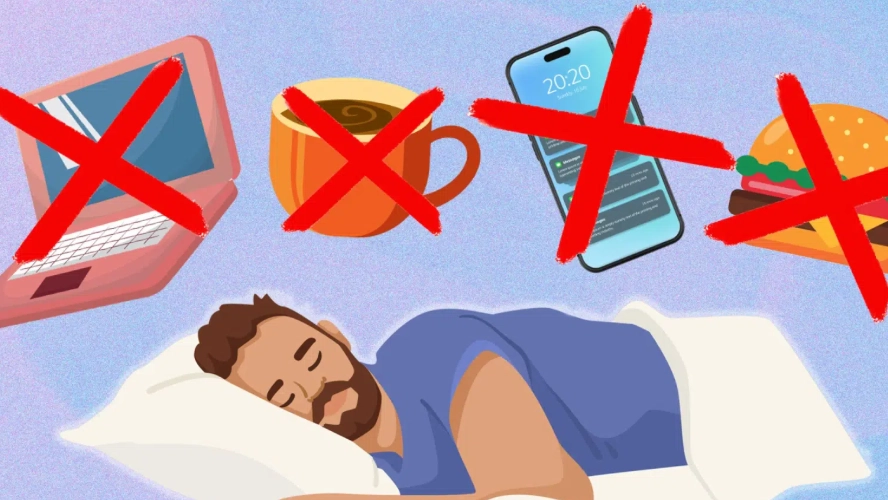
This is the rule everyone wants to debate. Ten hours before you plan to sleep, have your last caffeinated drink. Not just coffee—think soda, black tea, green tea, and even dark chocolate.
Why it's tougher than it looks: Caffeine has a half-life of about 5-6 hours. If you have a coffee at 3 PM, at 9 PM, half that caffeine is still circulating in your system, subtly blocking adenosine (the sleepiness chemical) receptors. You might feel you can fall asleep, but the depth and restorative quality of your sleep is often compromised. The American Academy of Sleep Medicine consistently links caffeine consumption too close to bedtime with reduced sleep quality.
3 Hours Before Bed: Stop Eating and Drinking Alcohol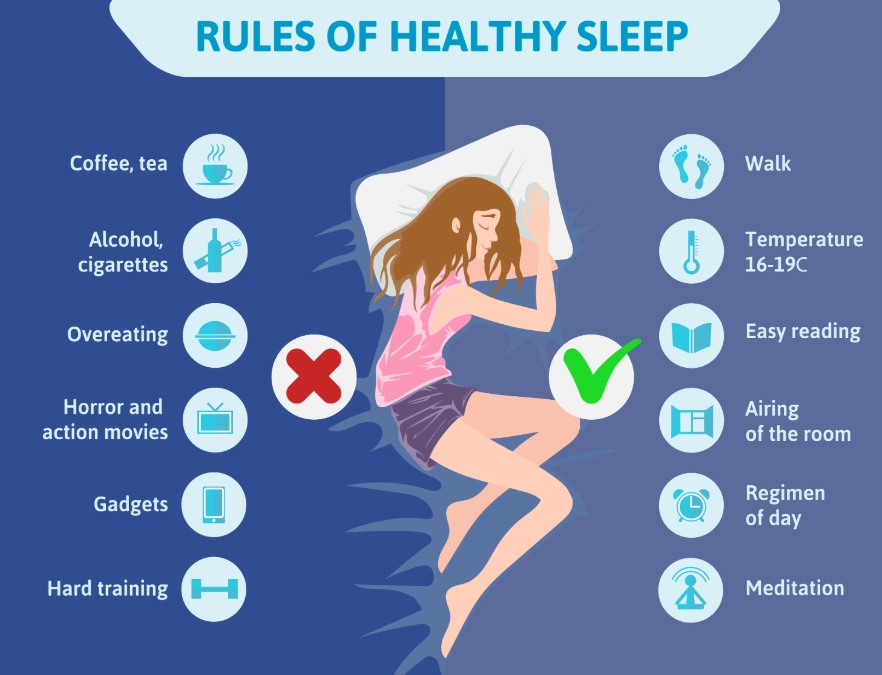
Finish your last large meal or snack three hours prior. Alcohol consumption should also stop here.
The food reason: Your body shouldn't be digesting a heavy meal while you're trying to sleep. It can cause discomfort, acid reflux, and raise your core body temperature—a signal to be awake.
The alcohol trap: This is a major pitfall. Alcohol is a sedative, so it helps you fall asleep initially. But as your body metabolizes it, it causes fragmented, shallow sleep and suppresses crucial REM sleep. You wake up less rested. Calling it a "nightcap" is deeply misleading.
2 Hours Before Bed: Quit the Work
Stop all work-related tasks. This includes answering emails, planning tomorrow's presentation, or mentally running through your to-do list.
Work activates your stress response (hello, cortisol) and engages problem-solving parts of your brain. You can't flip a switch from "solve mode" to "sleep mode." Give your brain a two-hour buffer. If you must jot down a thought to avoid forgetting it, do it quickly and put the notebook away.
1 Hour Before Bed: Screen-Free Zone
Put away phones, tablets, laptops, and turn off the TV. This is the most cited rule, and for good reason.
Screens emit blue light, which suppresses melatonin production. But the bigger issue is often the content. Scrolling through social media, reading news, or watching an intense show stimulates your mind and emotions. The goal of this hour is to lower stimulation, not just change the light source. Try reading a physical book, light stretching, or having a calm conversation.
0: The Goal - Zero Times Hitting Snooze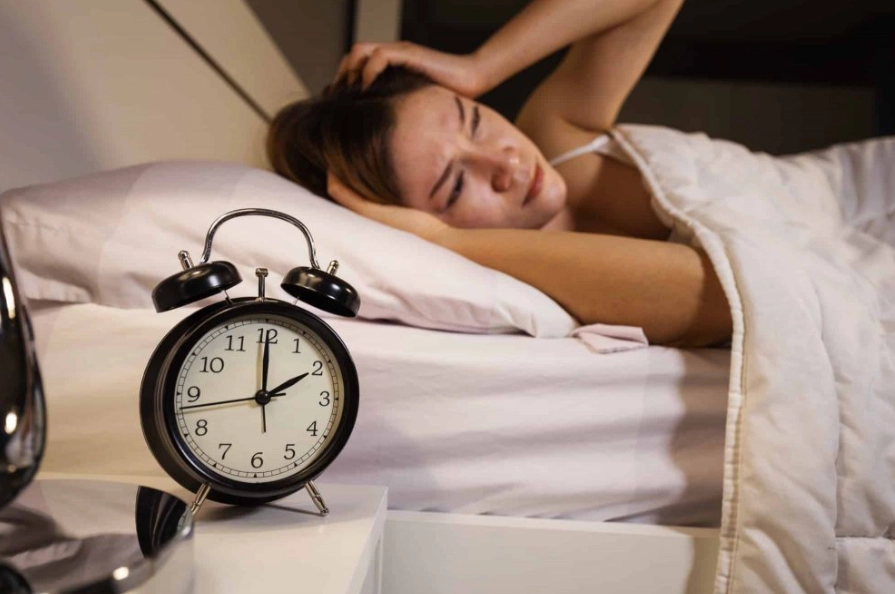
This final number is about the morning. The "0" represents the goal of zero snooze button presses.
When you wake up to an alarm and hit snooze, you drift back into a light, fragmented sleep. This sleep is low quality and can make you feel groggier (sleep inertia) when you finally get up. It confuses your body's wake-up signal. Training yourself to get up at the first alarm reinforces a consistent wake time, which is foundational for regulating your circadian rhythm.
The Science Behind the Numbers
The 10-3-2-1-0 method works because it aligns with your body's natural circadian biology. It's not arbitrary.
By managing stimulants (caffeine), digestion, stress, and light exposure in the hours before bed, you allow your body's natural sleep-wake cycle to proceed without interference. Your core temperature can drop, melatonin can rise, and your nervous system can shift from sympathetic (fight-or-flight) to parasympathetic (rest-and-digest) dominance. The 0-snooze rule in the morning strengthens this rhythm by providing a clear, consistent start signal, boosting daytime alertness and making the next night's wind-down more effective.
Where Most People Slip Up (And How to Fix It)
After coaching people on this, I see predictable mistakes.
Treating it as law, not a framework. Life happens. You have a late dinner with friends. You have a work deadline. The goal isn't perfection; it's consistency. If you break the 3-hour food rule one night, just get back on track the next. Don't abandon the whole system.
Underestimating the "2-hour work stop" for remote workers. When your home is your office, the boundary vanishes. Physically close your laptop and, if possible, leave the room where you work. Create a visual cue that the workday is over.
Thinking "0" means zero minutes in bed after waking. It doesn't. Lying in bed for a minute or two, taking some deep breaths, and setting an intention for the day is fine. The target is the fragmented snooze-button sleep.
How to Adapt the 10-3-2-1-0 Rule for Your Real Life
You're not a robot. The standard times might not fit. Here's how to adjust.
For shift workers: The clock times shift, but the intervals remain relative to your sleep time. If you sleep at 8 AM, your 10-hour caffeine cutoff is 10 PM the previous night. The 1-hour screen rule is even more critical if you're trying to sleep during daylight.
If you have young children or unpredictable evenings: Focus on what you can control. Maybe the 3-hour meal rule is impossible, but you can enforce a strict 1-hour screen ban. Prioritize the 10-hour caffeine and 1-hour screen rules, as these often have the biggest impact.
Start with one number. Don't overhaul your life overnight. Pick the one rule you think is most manageable—maybe the 2-hour work stop or the 1-hour screen time—and master it for a week. Then add another.
Your Sleep Questions, Answered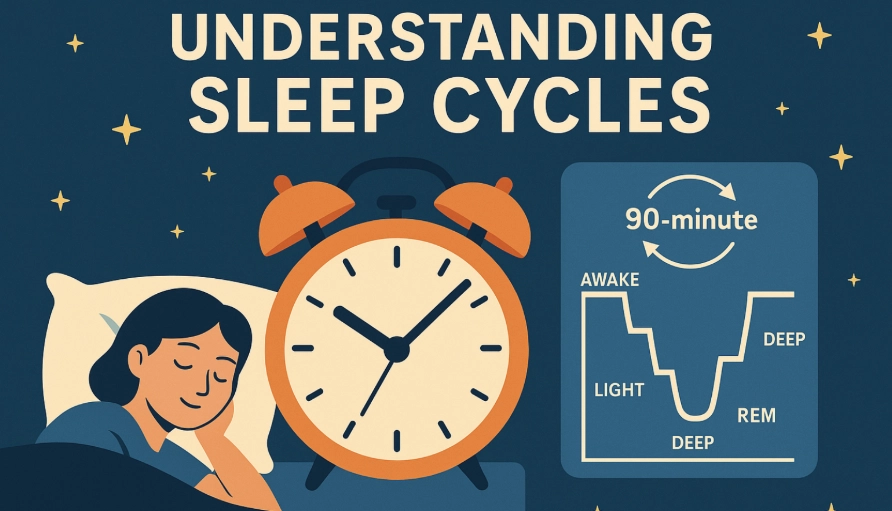
 Can I drink alcohol if I follow the 10-3-2-1-0 rule?
The 10-3-2-1-0 method gives you a clear, actionable structure. It turns the vague hope of "better sleep" into a series of small, timed decisions. It won't fix everything overnight, but it builds the habits that make good sleep inevitable, not accidental. Start with one number tonight.
Reader Comments