Quick Guide
- Why Bother Fixing Your Sleep Schedule Anyway?
- The Step-by-Step Reset: No Magic Pills, Just Science
- How Long Does It Really Take to Fix a Sleep Schedule?
- Common Pitfalls and How to Dodge Them
- Is There a "Best" Sleep Schedule for Everyone?
- What If You Work Shifts or Have a Crazy Routine?
- Tools and Tricks That Actually Help (And One That's Overrated)
- Answers to Questions You're Probably Asking
You know the feeling. It's 2 AM, and you're staring at the ceiling, your brain replaying a conversation from 2017. Or maybe your alarm screams at 7 AM, but you feel like you've been hit by a truck. Your sleep schedule isn't just off—it feels like it's on another planet. And the advice out there? "Just go to bed earlier!" Thanks, I'm cured.
It's frustrating, isn't it? We treat sleep like a passive activity, something that just happens. But a consistent sleep schedule is the single most powerful lever you can pull for your energy, mood, and long-term health. It's not about willpower; it's about working with your biology.
Think of your sleep-wake cycle not as a habit, but as a rhythm. It's conducted by a tiny part of your brain called the suprachiasmatic nucleus, your body's master clock. This clock loves predictability more than anything. When you feed it chaos—different bedtimes, weekend sleep-ins, midnight screen binges—it gets confused. And a confused clock makes for miserable days.
Why Bother Fixing Your Sleep Schedule Anyway?
Before we dive into the how, let's talk about the why. Why is a regular sleep schedule such a big deal? It's more than just avoiding yawning.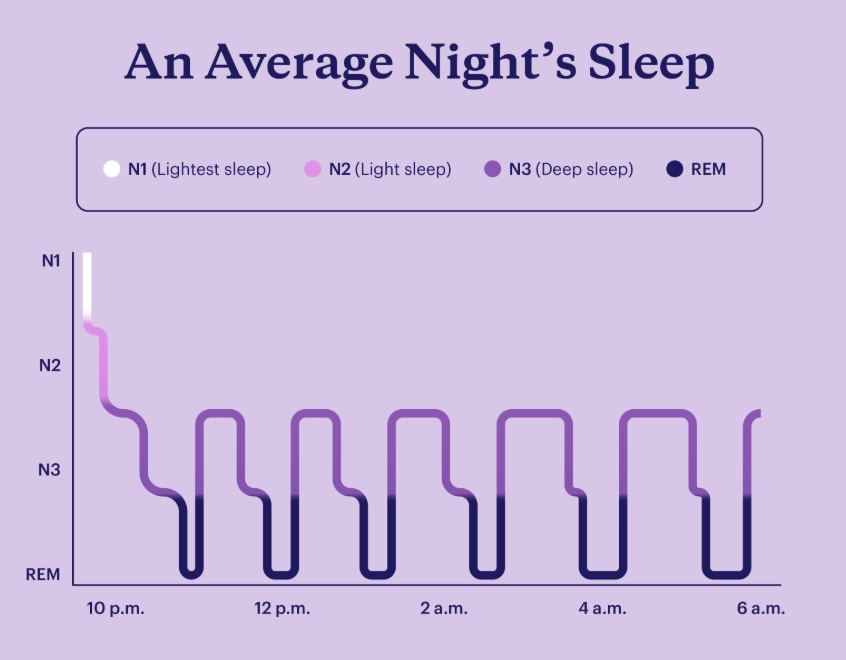
When your sleep is all over the place, your entire body's timing goes haywire. Hormones like cortisol (your stress hormone) and melatonin (your sleep hormone) get released at the wrong times. Your digestion slows. Your immune system doesn't function as well. Studies have linked irregular sleep patterns to a higher risk of weight gain, heart problems, and even mood disorders.
The Centers for Disease Control and Prevention (CDC) flat-out calls insufficient sleep a public health problem. It's that serious.
But on the flip side, locking in a solid sleep routine is like giving your body a daily tune-up. You'll notice the difference fast: clearer thinking, steadier energy, better stress management. It's the foundation everything else is built on.
The Step-by-Step Reset: No Magic Pills, Just Science
Okay, let's get practical. You want to reset your sleep schedule. The internet is full of "fast" methods involving staying up all night. I've tried them. They're brutal and often backfire. The method below is slower but sustainable. It's about gently nudging your internal clock, not shocking it.
First, Find Your Target
You need a goal. What's your ideal bedtime and wake-up time? Be realistic. If you currently fall asleep at 1 AM, aiming for 9 PM is setting yourself up for failure. Start with a target that's about 30-60 minutes earlier than your current average.
Here's a key question most guides miss: Are you a natural night owl or an early bird? Forcing a night owl into a 5 AM wake-up call is a recipe for long-term misery. The goal is consistency within your natural tendency, not becoming someone you're not. The National Sleep Foundation has a great resource on chronotypes if you're curious.
The Core Strategy: Light, Routine, and Patience
Master Your Light Exposure
This is the most powerful tool. Your brain uses light, especially morning sunlight, to set its clock. Get bright light (outside is best) within 30-60 minutes of waking. Even on a cloudy day. 15-20 minutes can do wonders.
At night, do the opposite. Dim the lights 2 hours before bed. And for heaven's sake, put the phone down. The blue light from screens directly tells your brain it's daytime. If you must use a device, enable night mode and keep it at a distance. It's not perfect, but it's better than nothing.
Build a Wind-Down Ritual (That You Actually Like)
A bedtime routine signals to your brain that sleep is coming. It shouldn't be a chore. What's relaxing for you? Maybe it's 10 minutes of light stretching, reading a physical book (not a thriller!), or listening to a calming podcast. The key is consistency. Do roughly the same things in the same order each night.
I tried the classic "no screens before bed" rule and failed. My compromise? I use an e-reader with a warm front light. It's not ideal, but it's a sustainable trade-off for me. Find yours.
Be Brutally Consistent on Wake-Up Time
This is the non-negotiable. Wake up at the same time every single day. Yes, even on weekends. Sleeping in on Saturday confuses your clock more than you think. If you're exhausted, it's better to go to bed earlier the next night than to sleep late.
Struggling? Get an alarm and place it across the room. Force yourself out of bed. Drink a big glass of water. Get that morning light. The first 10 minutes are hard, but it sets the tone for your entire sleep-wake cycle.
A quick reality check: You will have bad nights. Travel, stress, or a late night out will happen. The goal isn't perfection. It's having a default schedule you can return to. If you slip up, just get back on track at your next wake-up time. Don't try to "make up" sleep by sleeping in.
How Long Does It Really Take to Fix a Sleep Schedule?
Everyone wants a quick fix. The truth? It depends on how far off you are and your age. For most adults, shifting your schedule by an hour can take about 3-7 days of consistent effort. A major reset (like flipping from night shifts to days) can take two weeks or more.
Your body adapts slowly. Don't get discouraged if you don't feel amazing after two days. Stick with the light and consistency. One morning, you'll wake up a minute before your alarm, feeling rested. That's the magic moment.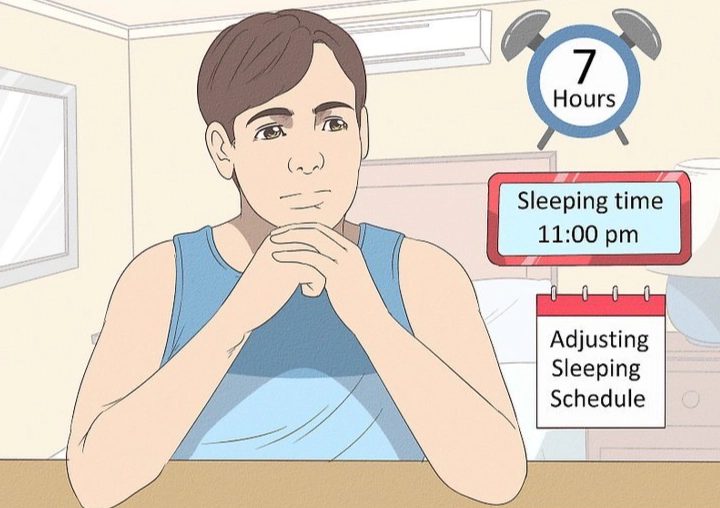
Common Pitfalls and How to Dodge Them
Let's be honest, life gets in the way. Here are the big reasons people's sleep schedule efforts fail.
- The Weekend Sabotage: You nail it all week, then stay up till 3 AM on Friday. This creates "social jet lag." Try to keep your wake-up time within an hour, even on weekends. If you must stay out late, still wake up close to your normal time and take a short (20-minute) afternoon nap if needed.
- Caffeine and Alcohol Missteps: That 4 PM coffee has a half-life of 6 hours. It could still be affecting you at 10 PM. Cut off caffeine at least 8 hours before bed. And alcohol? It might make you pass out, but it absolutely wrecks the quality of your sleep later in the night.
- Napping Wrong: Long or late naps can steal sleep pressure from the night. If you need to nap, keep it to 20-30 minutes and before 3 PM.
- Lying in Bed Awake: If you're not asleep after 20 minutes, get up. Go to another room and do something boring in dim light (no screens!). Read a manual. Fold laundry. Only return to bed when you feel sleepy. This helps your brain associate the bed with sleep, not with anxiety.
Is There a "Best" Sleep Schedule for Everyone?
Not really. The famed "8 hours" is an average. Some need 7, some need 9. The National Institutes of Health (NIH) notes that sleep needs are individual. More important than the exact hour count is the regularity and quality.
That said, society is built around an early-ish schedule. The table below gives a rough, age-based guideline. Use it as a starting point, not a law.
| Age Group | Recommended Sleep Duration (NIH) | Typical Schedule Range (Example) | Key Consideration |
|---|---|---|---|
| Young Adults (18-25) | 7-9 hours | 11 PM - 7 AM, or 12 AM - 8 AM | Social life and work/school often conflict. Consistency is hardest here. |
| Adults (26-64) | 7-9 hours | 10:30 PM - 6:30 AM, or 11 PM - 7 AM | Family and career demands peak. Protecting wind-down time is crucial. |
| Older Adults (65+) | 7-8 hours | 10 PM - 6 AM, or 9 PM - 5 AM | Sleep often becomes lighter and more fragmented. Maintaining a schedule helps counteract this. |
See? Your perfect sleep schedule depends on your life stage, job, and personal biology. A new parent's schedule will look nothing like a retiree's. The principle—consistency—remains the same.
What If You Work Shifts or Have a Crazy Routine?
This is the ultimate test. I've worked with folks in healthcare and tech who have rotating shifts. It's brutal on the body. You can't have a perfect schedule, but you can have a strategy.
The goal becomes creating relative consistency. If you work nights, use blackout curtains to make your bedroom pitch black during the day. Use bright light (a light therapy lamp can help) when you wake up for your "day" (which is evening). Mimic the light/dark cycle as best you can for your shifted schedule. The CDC's NIOSH division has specific guidance for shift workers, and it's worth a look if this is your life.
It's not easy, and frankly, long-term night shift work has documented health risks. If you can, a permanent shift is better than a rotating one.
Tools and Tricks That Actually Help (And One That's Overrated)
The market is flooded with sleep gadgets. Most are unnecessary. Here's my take.
- Helpful: Sunrise Alarm Clocks. These gradually light up your room before your alarm sounds, mimicking a natural dawn. They can be gentler than a blaring alarm, especially in winter. Blue Light Blocking Glasses. If you must be on screens late, a good pair (with amber lenses) can help. The science is still evolving, but many people (myself included) find they reduce eye strain and help with wind-down.
- Overrated: Sleep Trackers (Obsessively). Tracking your sleep can offer insights, but it can also create orthosomnia—anxiety about perfect sleep. If you find yourself stressing over your "deep sleep" score, take a break from the data. Your subjective feeling of rest is more important.
The most effective tools are free: morning sunlight, a dark room, and a regular routine.
Answers to Questions You're Probably Asking
Can I ever sleep in again?
Once your schedule is solid for months, the occasional one-hour sleep-in on a weekend is unlikely to derail you. But making it a habit will start to weaken the rhythm. Think of it as a treat, not the norm.
What about melatonin supplements?
Melatonin is a hormone, not a sleeping pill. It's best used as a short-term tool to help shift your circadian rhythm (like for jet lag), taken a few hours before your desired bedtime. It's not a long-term fix for a broken schedule. Always talk to a doctor first.
Exercise helps, but when?
Regular exercise is fantastic for sleep quality. However, intense exercise too close to bedtime can be stimulating for some people. Try to finish vigorous workouts at least 2-3 hours before bed. Gentle stretching or yoga in the evening, however, can be part of a great wind-down.
Look, fixing your sleep schedule isn't a sexy, overnight transformation. It's a quiet, foundational practice. It's the boring work that makes everything else in life easier—your focus, your mood, your health.
Start small. Pick one thing from this guide. Maybe it's getting morning light for a week. Maybe it's locking in your wake-up time. Don't try to overhaul everything at once. Your body's clock has been running on its current messy program for a long time. It needs patience to learn a new one.
But I promise you, it's worth the effort. Waking up refreshed, without an alarm screaming in your ear, is a feeling that never gets old. You've got this.
Now, go get some light.
Reader Comments