Quick Navigation
Let's be honest. You're probably reading this at 3 AM, staring at the ceiling for what feels like the hundredth night in a row. Your brain is a runaway train of tomorrow's to-do list, that awkward thing you said five years ago, and the relentless glow of the clock. You've tried counting sheep, warm milk, maybe even some questionable advice from the internet. And here you are. I get it. I've been that person, scrolling through forums in the dark, desperate for any crumb of insomnia help that might stick.
This isn't going to be another generic list telling you to "avoid screens" (though we'll get to that). This is a deep dive into what actually moves the needle, based on science, a bit of trial and error from my own life, and conversations with others who've won the battle against sleeplessness. We're talking real strategies, from what to do right now to calm a racing mind, to the long-term habits that rebuild your relationship with sleep.
 The goal isn't perfection. It's progress.
First Aid for a Sleepless Night: Immediate Insomnia Help
When you're in the thick of it, you need tools, not theory. Long-term sleep hygiene is crucial, but it's useless when you're already wired at midnight. Let's start with the emergency kit.
If you've been lying in bed for more than 20 minutes, the single best piece of insomnia help is this: get up. Seriously. Your brain has started to associate your bed with frustration and alertness. Break the cycle. Go to another room. Do something mindless and quiet in dim light—fold laundry, read a boring physical book (no thrillers!), listen to a calm podcast. The key is zero stimulation. No checking work emails. No social media. The goal is to feel bored, then sleepy, then return to bed.
The Breath That Slows Everything Down
Anxiety and a rapid heart rate are insomnia's fuel. You can directly counteract them with your breath. The 4-7-8 technique, popularized by Dr. Andrew Weil, is a game-changer. Here's how it works: inhale quietly through your nose for a count of 4. Hold your breath for a count of 7. Exhale completely through your mouth, making a whoosh sound, for a count of 8. Repeat this cycle three or four times. It works by activating your parasympathetic nervous system—the "rest and digest" counterpart to the "fight or flight" stress response. It's a direct line of insomnia help you carry with you everywhere.
Progressive Muscle Relaxation: A Body Scan for Sleep
Your mind might be racing because your body is secretly tense. Progressive Muscle Relaxation (PMR) forces you to focus on physical sensations instead of mental chatter. Start at your toes. Clench them as tightly as you can for 5 seconds, then release completely for 30 seconds, noticing the feeling of warmth and heaviness. Move slowly up your body—calves, thighs, abdomen, hands, arms, shoulders, face. By the time you reach your forehead, your body often feels leaden and ready for sleep. The National Center for Complementary and Integrative Health notes that relaxation techniques like PMR can be helpful for sleep issues.
Building Your Sleep Fortress: Long-Term Sleep Hygiene
Okay, crisis management covered. Now, let's build an environment where sleep is the default, not a desperate goal. This is the less sexy, but absolutely critical, work of long-term insomnia help. Think of it like brushing your teeth for your brain.
The most important lever you control is your wake-up time. Not your bedtime. Wake up at the same time every single day, even on weekends. Yes, even on Saturdays. This regularity anchors your circadian rhythm, your body's internal clock. After a few days of a fixed wake-up, your body will naturally start getting sleepy at a consistent time in the evening. It's boring. It's effective.
Light is your clock's primary setting. Get bright, natural light exposure first thing in the morning for at least 15-30 minutes. Conversely, as evening approaches, start dimming the lights in your home. This mimics the natural sunset and signals melatonin production. This is where the "no screens" advice comes from—it's not just about mental stimulation, it's about the brutal blue light that screams "DAYTIME!" to your brain. Use night shift modes, but better yet, try to stop using phones/tablets 60-90 minutes before bed. Read a book instead.
Your Bedroom: A Sanctuary for Sleep
Audit your bedroom. Is it a multi-purpose room for work, watching TV, scrolling, and sleeping? That's a problem. Your brain needs clear cues. Make your bedroom a sleep-only zone (and intimacy, of course).
- Temperature: Cool is key. Most experts, including those at the Sleep Foundation, recommend around 65°F (18.3°C). Your core body temperature needs to drop to initiate sleep.
- Darkness: Pitch black. Get blackout curtains. Cover or remove any tiny LED lights from electronics. Consider a comfortable sleep mask if you can't control the light fully.
- Quiet: White noise or a fan can be a lifesaver, especially for masking irregular sounds like traffic or a partner's snoring.
- Comfort: Don't underestimate your mattress and pillow. If they're old or unsupportive, they're a constant source of micro-discomfort that disrupts sleep.
Finding the right kind of insomnia help often starts with optimizing this physical space.
When to Seek Professional Insomnia Help
Self-help strategies are powerful, but they have limits. If your insomnia is severe, chronic (lasting more than 3 months), or significantly impacting your daytime function and mood, it's time to call in the professionals. This isn't a failure; it's a smart escalation.
The gold-standard treatment for chronic insomnia is Cognitive Behavioral Therapy for Insomnia (CBT-I). It's not just talk therapy; it's a structured program that targets the thoughts and behaviors perpetuating your sleep problems. A CBT-I therapist will work with you on sleep restriction (temporarily limiting time in bed to increase sleep drive), stimulus control (the get-out-of-bed rule we discussed), and challenging catastrophic sleep thoughts ("If I don't sleep, tomorrow will be a disaster"). Studies consistently show it's as effective as sleep medication in the short-term and more effective in the long-term. The American Psychological Association recognizes CBT as a well-established treatment for insomnia.
Navigating the World of Natural Sleep Aids and Supplements
The supplement aisle is a minefield of promises. Let's cut through the hype with a practical look at some common options. Remember, "natural" doesn't always mean "safe for everyone"—always check with your doctor, especially if you're on other medications.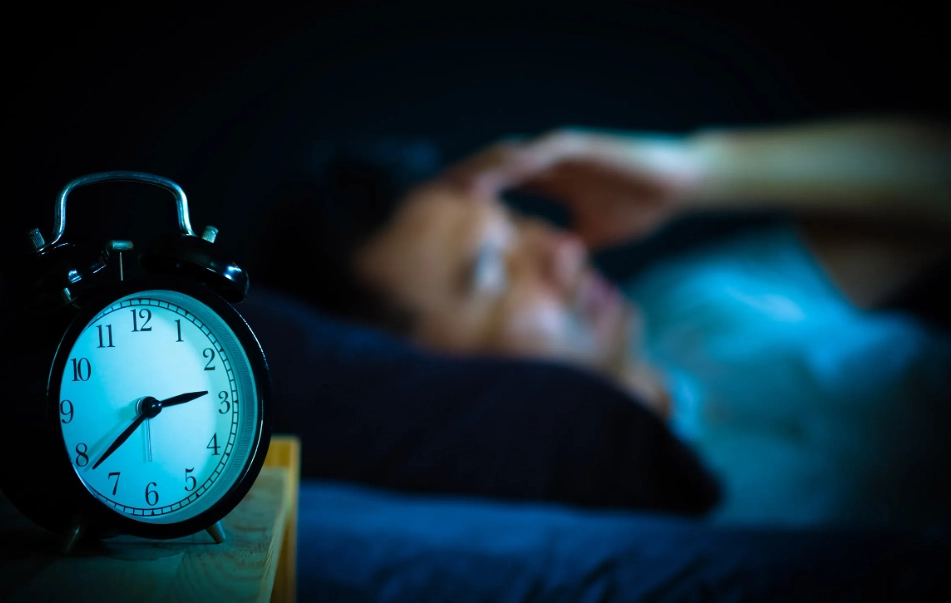
| Supplement | What It Is / How It Might Help | Key Considerations & Dose (Typical) |
|---|---|---|
| Melatonin | A hormone your body naturally produces to regulate sleep-wake cycles. Supplemental melatonin is best for resetting your clock (jet lag, shift work) or if you have a diagnosed deficiency. | Less is more. Start with 0.5mg to 1mg, 1-2 hours before bed. High doses (3mg+) can cause grogginess and may suppress your body's own production. It's not a "sleeping pill." |
| Magnesium | A mineral involved in hundreds of bodily processes, including muscle relaxation and nervous system regulation. Deficiency can contribute to restlessness. | Forms matter. Magnesium glycinate or citrate are well-absorbed. A dose of 200-400mg before bed may help. Can cause loose stools at high doses. |
| Valerian Root | An herbal remedy used for centuries. Its mechanism isn't fully understood, but it may increase levels of GABA, a calming neurotransmitter. | Studies are mixed. Some people swear by it; others feel no effect. It has a distinct, earthy smell. Typical dose is 300-600mg extract. Not recommended for long-term daily use. |
| Chamomile Tea | A gentle, calming herb. Its effect is likely mild, stemming from the ritual of a warm, caffeine-free drink and apigenin, an antioxidant that may promote relaxation. | The ritual is part of the benefit. It's safe for most. A cup 45 minutes before bed can be a great sleep signal. |
| L-Theanine | An amino acid found in green tea. It's known to promote relaxation without drowsiness, which can be helpful for anxiety-related sleep issues. | Often taken during the day to manage stress, or 30-60 minutes before bed. Doses range from 100-400mg. It doesn't usually cause grogginess. |
My personal take? Magnesium glycinate made a noticeable difference in my muscle tension. Melatonin did nothing for my general insomnia but was magic for jet lag. You have to experiment cautiously.
Common Pitfalls & What NOT to Do for Insomnia Help
Sometimes, the quest for insomnia help leads us to do things that backfire spectacularly. Let's bust some myths.
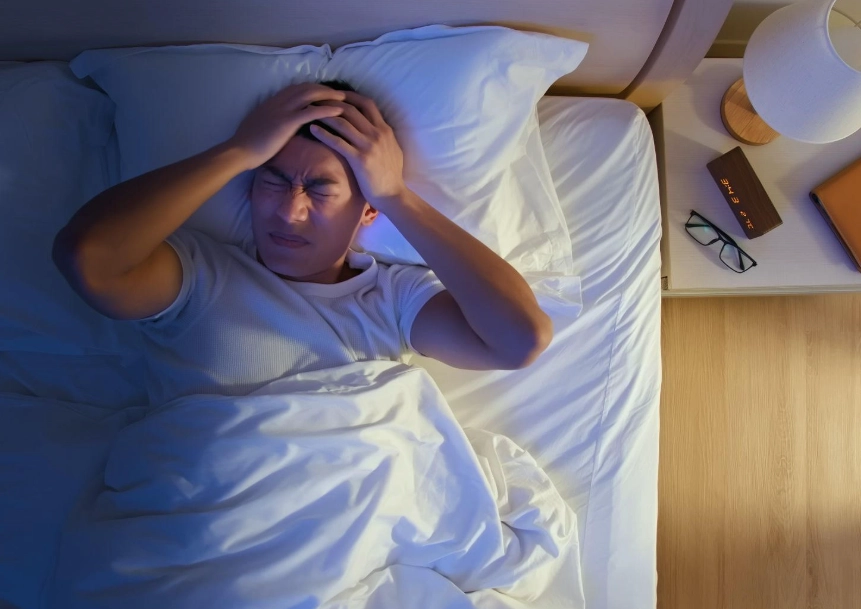
- "I'll just have a nightcap." Alcohol is a sedative, not a sleep aid. It may knock you out, but it absolutely wrecks your sleep architecture, suppressing crucial REM sleep and causing frequent awakenings in the second half of the night. You might fall asleep faster, but you'll wake up feeling unrefreshed.
- "I'll sleep in on the weekend to catch up." This is called social jet lag. It completely undoes the hard work of keeping a consistent wake-up time and makes Sunday night insomnia almost guaranteed.
- "I'll just lie in bed and rest." As we covered, this reinforces the bad association. If you're not sleeping, the bed should not be an option.
- Checking the clock. That glowing number is pure anxiety fuel. Turn the clock away from you. Knowing you only have 4 hours left to sleep creates a performance anxiety that makes sleep impossible.
- Intense exercise right before bed. While regular exercise is fantastic for sleep quality, doing it too close to bedtime can be over-stimulating for some people. Try to finish vigorous workouts at least 2-3 hours before bed.
 Avoiding these traps is half the battle.
Your Insomnia Help Questions, Answered
Look, the path to better sleep isn't linear. You'll have good nights and bad nights. The point is to build a toolkit of insomnia help strategies—some for emergency use, some for daily maintenance. Start with one thing. Maybe it's fixing your wake-up time. Maybe it's trying the 4-7-8 breath tonight. Don't try to overhaul your life in one day.
Real, sustainable insomnia help comes from consistency, not perfection. It's about showing up for your sleep health like you would for any other important part of your life. Be patient with yourself. That frustration you feel at 3 AM? It's a sign you care, that you want to feel better. Use that energy to try one small change. Tonight.
Reader Comments