Quick Guide
Let's be real. The words "my two-year-old won't sleep" have probably crossed your mind more times than you can count. You're not alone in searching for a natural sleep aid for your 2 year old. It's a phase that tests the patience of saints, and honestly, sometimes the usual advice just doesn't cut it. You want something safe, something that doesn't involve medication, something that just helps. I get it. I've been there, pacing the hallway at 2 AM, wondering if I'll ever sleep through the night again.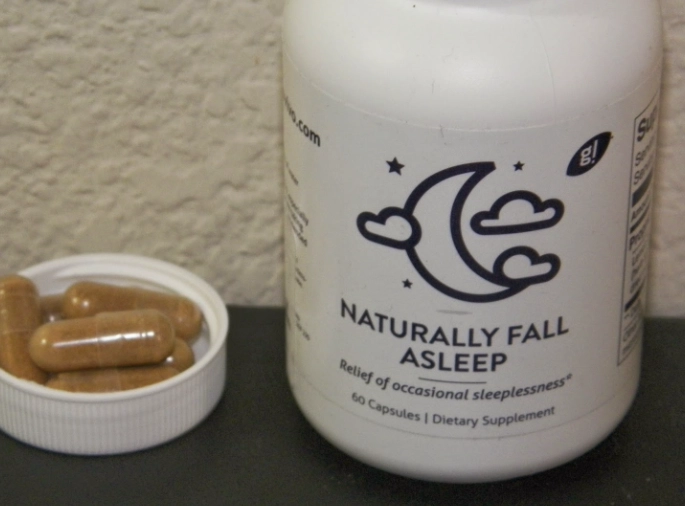
This isn't about magic fixes. Those don't exist. But there are genuinely gentle, effective ways to guide your toddler towards better sleep, using routines, environment, and yes, some perfectly safe natural supports. We're going to walk through all of it, from the bedrock of a good routine to the little extras that might just make the difference between a battle and a peaceful bedtime.
The Golden Rule: Always, and I mean always, talk to your pediatrician before starting any new supplement or making significant changes to your child's routine. What works for one kid might not be right for another, and your doctor knows your child's history.
Why Go Natural for Toddler Sleep?
It's a fair question. When you're desperate for sleep, why not just use what the doctor can prescribe? Well, for typical toddler sleep struggles—not medically diagnosed sleep disorders—many parents and pediatricians prefer to start with the gentlest options first. We're talking about supporting the body's own sleep-wake cycle, not overriding it with strong sedatives. The goal is to teach healthy sleep habits, not just to knock them out. A natural sleep aid for a 2 year old is often about creating the right conditions for sleep to happen naturally, which is a skill that serves them (and you) for years to come.
Plus, let's talk about side effects. Prescription sleep aids can sometimes cause next-day drowsiness, dizziness, or even paradoxical reactions (making them more wired). That's the last thing you need. The approaches we're discussing here work with your toddler's biology, not against it.
The Unshakeable Foundation: Routine and Environment
Before we even look at any specific aid, we have to lay the groundwork. No natural toddler sleep remedy will work if the basic pillars are shaky. Think of this like building a house. The routine and environment are the concrete foundation and the sturdy frame. Everything else is the interior decor—nice to have, but useless if the structure is crumbling.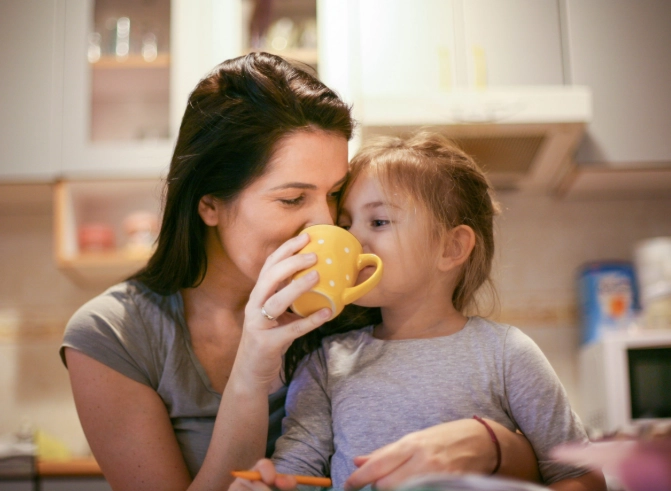
Crafting the Perfect Bedtime Routine
Predictability is security for a two-year-old. Their world is full of big emotions and new discoveries; bedtime shouldn't be another surprise. A consistent routine signals to their brain and body that it's time to wind down. This isn't just fluffy advice—it's neuroscience. Routines lower cortisol (the stress hormone) and encourage melatonin production (the sleep hormone).
Your routine doesn't need to be an hour-long epic. In fact, 20-30 minutes is perfect. The key is consistency and calm. Here's what works for many families:
- Power Down Hour: Start about an hour before bed. Dim the main lights in the house, especially blue-light emitting screens (TVs, tablets, phones). Use lamps instead. This simple cue tells their circadian rhythm that the sun is setting.
- The Pre-Bed Ritual: Bath (warm, not hot), brush teeth, put on pajamas. The warmth from the bath can cause a slight drop in core body temperature afterwards, which is a natural sleep trigger.
- Connection Time: This is the heart of it. Read 1-2 books in a calm, quiet voice. Sing a specific song. Give gentle cuddles. The goal is to fill their connection cup so they feel safe and secure enough to let go into sleep.
My own little one used to fight bedtime like a tiny, furious ninja. But when we stuck to the same three books and the same silly lullaby, night after night, the resistance slowly melted. It wasn't instant, but it created a groove that his brain started to expect.
Optimizing the Sleep Cave (a.k.a. Their Room)
You can have the best routine in the world, but if their room is working against them, you're fighting a losing battle. Let's audit the sleep environment.
Darkness is Non-Negotiable. I mean, really dark. Even the tiny light from a charging indicator or a crack under the door can be enough to suppress melatonin. Blackout curtains or shades are the best investment you'll make. If they're scared of the dark, use a very dim, warm-colored (red or orange) nightlight placed low to the ground and away from the crib or bed.
Sound Matters. Total silence can be startling when a floorboard creaks. A steady, monotonous white noise or pink noise machine works wonders. It drowns out household noises, street sounds, and even their own little stirrings. Just keep it at a low volume (about the level of a soft shower) and place it across the room.
Temperature is Key. Most of us overheat our kids' rooms. The ideal sleep temperature is surprisingly cool, between 68-72°F (20-22°C). A cooler room helps facilitate the drop in core body temperature needed for sleep onset. Dress them in appropriate pajamas—a wearable blanket or sleep sack is safer than loose blankets.
Dietary Tweaks: Food as a Natural Sleep Aid
What your toddler eats and drinks in the hours before bed can be a powerful natural sleep aid for 2 year olds. It's not about a special potion, but about including foods that contain sleep-promoting nutrients and avoiding those that hinder sleep.
First, the avoid list: Sugar. It's obvious, but worth stating. A post-dinner cookie or sugary yogurt can cause a blood sugar spike and crash, leading to restlessness. Also, be wary of hidden caffeine. It's not just in soda; it's in some flavored yogurts, chocolate, and even some medications.
Now, the helpful foods. These contain tryptophan (an amino acid precursor to melatonin and serotonin), magnesium (a mineral that relaxes muscles and calms the nervous system), and complex carbohydrates (which help tryptophan reach the brain).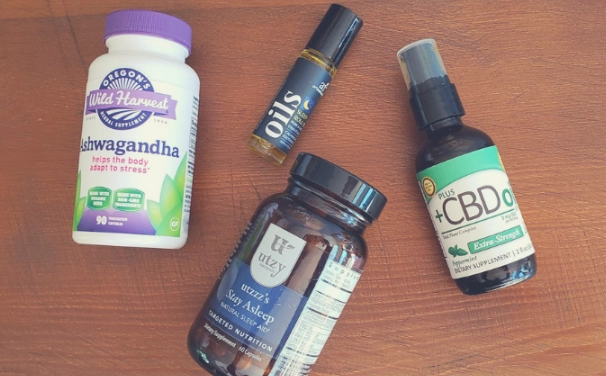
| Food | Key Sleep Nutrient | Simple Bedtime Idea |
|---|---|---|
| Banana | Magnesium, Potassium, Tryptophan | A few slices of banana, or mashed into a little oatmeal. |
| Oatmeal (whole grain) | Complex Carbs, Magnesium | A small, warm bowl of plain oatmeal with a dash of cinnamon. |
| Plain Yogurt or Milk | Tryptophan, Calcium (helps brain use tryptophan) | A small cup of warm milk (not too hot) or a spoonful of yogurt. |
| Cherries (Tart) | Natural Melatonin | A couple of tart cherry halves (ensure no pits) or a splash of diluted, no-sugar-added tart cherry juice. |
Timing is everything. Offer this small, calming snack about 30-45 minutes before bedtime. It should be just enough to prevent hunger pangs, not a full meal that requires heavy digestion.
"I was skeptical about the food thing until I tried cutting out the after-dinner fruit pouch (which was basically sugar) and swapping it for a few bites of banana with yogurt. The difference in how quickly he settled wasn't dramatic, but it was noticeable. Less tossing, more deep breathing."
Exploring Specific Natural Sleep Aid Options
Okay, so you've got the routine locked down, the room is a sleep cave, and the pre-bed snack is sorted. But maybe your toddler is still having a hard time switching off their busy brain or relaxing their body. This is where some parents consider a more specific natural sleep aid for their 2 year old. Let's break down the most common ones you'll hear about.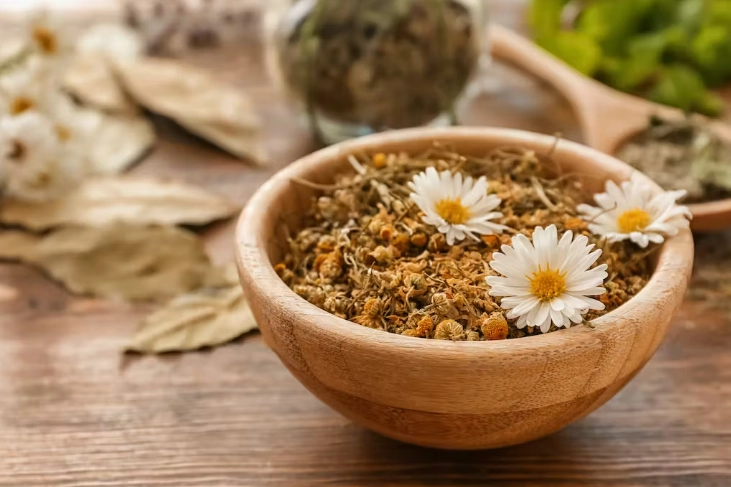
Magnesium: The Relaxation Mineral
Magnesium gets a lot of buzz, and for good reason. It plays a crucial role in muscle relaxation and nervous system regulation. A deficiency can contribute to restlessness and irritability. While it's best to get magnesium from food (leafy greens, nuts, seeds, bananas), some toddlers are picky eaters.
How it might help: Topical magnesium lotions or sprays (often magnesium chloride) are a popular route for toddlers. The idea is that it's absorbed through the skin, bypassing the digestive system, which can be gentler. A gentle massage with a magnesium lotion as part of the bedtime routine can be doubly beneficial—the calming touch plus the potential mineral absorption.
Important Note: Oral magnesium supplements for toddlers should only be given under direct pediatric supervision, as improper dosing can cause digestive upset. The topical route is generally considered lower risk, but patch test first for skin sensitivity.
Glycine: A Calming Amino Acid
This is one you might not have heard of. Glycine is an amino acid that acts as a mild inhibitory neurotransmitter in the brain, meaning it can have a calming effect. Some small studies in adults have shown it can improve sleep quality.
How it might help: For toddlers, it's found in collagen-rich foods (like bone broth), but supplemental glycine is sometimes used. It has a mildly sweet taste, so it can be mixed into a small amount of water or milk. The research on kids is very limited, so this is firmly in the "talk to your doctor" category. My pediatrician's take was that it's likely very safe at low doses, but it's not a first-line recommendation.
Herbal Allies: Chamomile and Lavender
These are the classic gentle herbs. Chamomile (specifically German chamomile) is generally recognized as safe for children and has a long history of use for calming and digestion.
How to use them safely:
- Tea: A weak, cooled chamomile tea (1 tea bag steeped in 8 oz of water for 2-3 minutes only) can be offered in a sippy cup. Limit it to 1-2 ounces for a toddler.
- Aromatherapy: This is where lavender shines. Never apply essential oils directly to a child's skin or let them ingest them. Instead, use a diffuser in their room for a short period before bedtime (30 minutes), ensuring the room is well-ventilated. Or, place a drop of lavender oil on a cotton ball and tuck it near (not in) the crib, out of reach.
Honestly, the scent of lavender in the diffuser during our routine seems to cue my own brain that it's wind-down time, which probably makes me calmer—and kids pick up on our energy.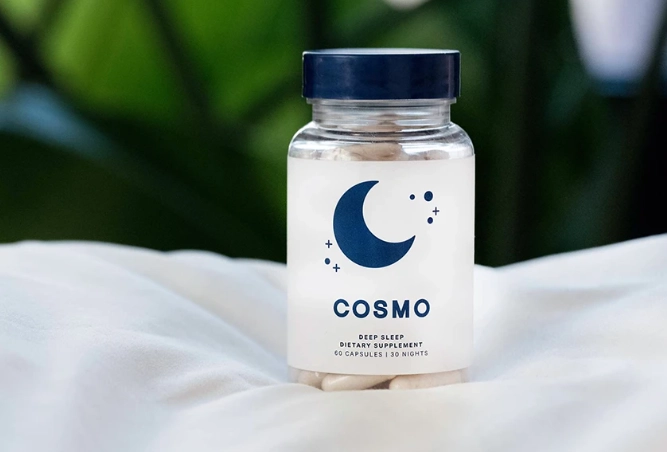
What About Melatonin Itself?
Melatonin is a hormone our bodies make naturally. Synthetic melatonin is a popular over-the-counter sleep aid for adults, and its use for children has risen. The National Center for Complementary and Integrative Health (NCCIH) provides a good overview of melatonin research.
For typically developing toddlers with common sleep problems, most pediatric sleep experts advise against it as a first resort. Why? Because you're giving the hormone directly, rather than supporting the body's own production through routine and darkness. There are concerns about its effects on developing hormonal systems, and it can sometimes cause next-day grogginess, nightmares, or even worsened sleep problems if the dose or timing is off.
The American Academy of Pediatrics (AAP) states that melatonin might be considered for children with certain neurodevelopmental disorders (like autism) where sleep disturbances are severe and under a doctor's careful guidance. For the average two-year-old going through a sleep regression or fighting bedtime, behavioral approaches are the recommended first line of treatment.
If you and your pediatrician do decide to try it, treat it with extreme care. Use the lowest possible dose (often 0.5 mg or less), use it for a very short period to reset a schedule (like after travel), and choose a reputable brand that has been independently tested for purity and accurate dosage.
Putting It All Together: A Sample Night Plan
It can feel overwhelming. So let's imagine a realistic evening, weaving these ideas together.
6:30 PM - Dinner ends. No sugary desserts. If they're still hungry, a simple cheese stick or cucumber slices.
7:00 PM - Power Down Hour begins. Lights dimmed. TV off. Quiet play only (puzzles, books). Start the diffuser with a drop of lavender if using.
7:30 PM - Pre-Bed Snack. A small bowl of plain yogurt with two slices of banana.
7:45 PM - Bath & PJs. Warm bath, gentle wash. After the bath, a slow, gentle massage with a fragrance-free lotion (or one with a bit of magnesium lotion mixed in).
8:00 PM - Connection & Wind-Down. Into the dark room (nightlight on if needed). White noise machine on. Read two books in the rocking chair. Sing one lullaby.
8:20 PM - Into Bed. Tuck in, final kisses, goodnight phrase. Leave the room while they are drowsy but still awake.
This isn't a rigid script. Some nights the bath gets skipped. Sometimes the snack is just milk. The point is the predictable sequence and the calm, loving tone.
Your Top Questions Answered
Are natural sleep aids for toddlers actually safe?
"Natural" doesn't automatically mean "safe for a toddler." Poison ivy is natural. The safety depends entirely on the specific aid, the dose, and your child's individual health. Chamomile tea is generally safe when prepared weakly. Essential oils can be risky if misused. The single most important safety step is the one I keep repeating: consult your pediatrician. They can help you weigh the potential benefits against any risks for your unique child.
How long does it take to see results?
This is the hard part. Behavioral changes (like a new routine) can take 1-3 weeks of consistent, unwavering practice before you see major improvement. There will be testing. There will be protest. Dietary tweaks or a calming massage might show a subtle effect within a few days. The key is managing your expectations. You're not looking for a knockout pill. You're looking for gradual, sustainable improvement in sleep quality and ease of falling asleep.
What if my child has a sleep regression?
The infamous two-year sleep regression is often about burgeoning independence and cognitive leaps. They're discovering they have a will! The core strategies here are your anchor. Double down on the routine. Offer choices during the routine ("Which pajamas? The blue or the green?") to satisfy their need for control. Be patient and consistent with your boundaries. Sometimes, during a fierce regression, even the best natural sleep aid for a 2 year old seems useless. Ride it out with consistency. It will pass.
Can these aids help with night wakings?
They can help set the stage for better sleep overall, which may reduce night wakings. A child who falls asleep more easily and is in a optimal sleep environment is less likely to wake fully. However, if your child is waking and cannot self-soothe back to sleep, that's often a separate skill to practice. The aids might help them be calm enough to learn that skill, but they won't do the learning for them.
What's the single most effective thing I can do?
If I had to pick one? The consistent, calm, screen-free bedtime routine. It's free, it has zero side effects, and it builds your bond while cueing their biology. Everything else is a potential support act to this main headliner.
Remember This: Sleep is a journey, not a destination. There will be good nights and bad nights, even when you're doing everything "right." Be kind to yourself and to your toddler. You're both learning.
Finding the right natural sleep aid for your 2 year old is a process of gentle experimentation, always guided by professional advice and your own deep knowledge of your child. It's about stacking small, positive habits—the dark room, the predictable routine, the calming snack, the loving touch—to create a cumulative effect. There's no magic, but there is science, patience, and a whole lot of love. And that combination is pretty powerful.
Reader Comments