In This Guide
- The Big Three: A Head-to-Head Comparison
- Breaking Down Each Position: The Good, The Bad, and The Adjustments
- Matching Your Sleep Position to Your Health Concerns
- The Tools of the Trade: Mattress and Pillow Pairings
- Your Questions, Answered (The FAQ Corner)
- Putting It All Together: Finding *Your* Best Position
You toss. You turn. The clock ticks past 2 AM, and you're still wondering if you're doing it all wrong. That age-old question, "which body position is best for sleeping?" keeps popping up, fueled by aches in the morning or just a general feeling of unrest. I've been there. For years, I was a dedicated stomach sleeper until a persistent neck crick forced me to reconsider everything. The truth is, the answer isn't a simple one-size-fits-all. The "best" position is a personal recipe made up of your unique health, your mattress, and even your daily habits.
This isn't about dictating rules. It's about exploring the map so you can find your own destination. We'll break down the three main sleeping postures—back, side, and stomach—not just with dry facts, but with the real-world pros, cons, and adjustments that actually matter when you're trying to drift off. Forget the vague advice. We're getting into the specifics of pillow height, knee placement, and how to tweak each position for issues like snoring, back pain, or acid reflux.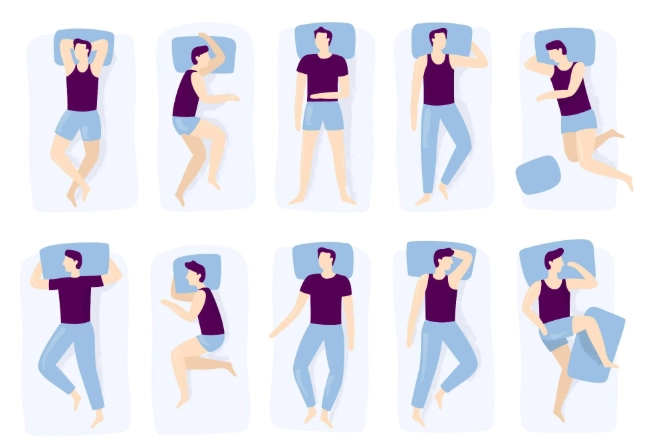
The Big Three: A Head-to-Head Comparison
Before we dive into the nitty-gritty for specific health concerns, let's lay out the battlefield. Understanding the fundamental mechanics of each sleep posture is key. I've put together a table that sums up the essentials—this should give you a quick, clear snapshot of what you're working with.
| Sleeping Position | Also Known As | Core Benefit | Biggest Drawback | Ideal For... |
|---|---|---|---|---|
| Back Sleeping | Supine Position | Excellent spine and neck alignment. | Can worsen snoring and sleep apnea. | People with neck/back pain, acid reflux (with elevation). |
| Side Sleeping | Lateral Position | Reduces snoring, good for spine. | Can cause shoulder/arm numbness, facial wrinkles. | Snorers, pregnant people, those with sleep apnea. |
| Stomach Sleeping | Prone Position | May reduce snoring slightly. | Poor spine alignment, strains neck and back. | ...Honestly, few people. It's tough on the body. |
Looking at that, you might think side or back sleeping is the clear winner. And broadly, they are. But let's not write off the details. Your body has its own opinions.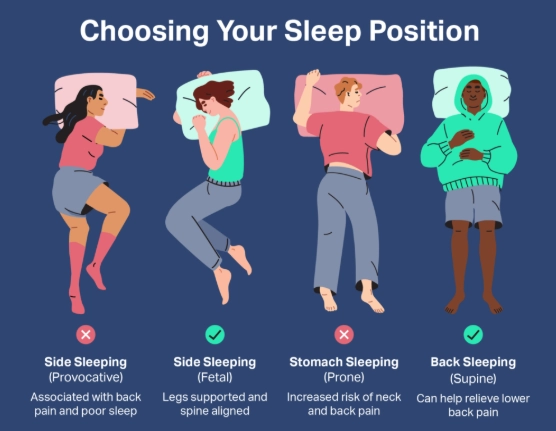
Breaking Down Each Position: The Good, The Bad, and The Adjustments
Now, let's get our hands dirty with each position. This is where we move from theory to practice. How do you actually *do* these positions correctly? Because doing them wrong can be just as bad as picking the wrong one.
Back Sleeping (The Supine Champion)
Often hailed by chiropractors and physical therapists, back sleeping is like the gold standard for spinal neutrality. When you lie flat on your back, your weight is evenly distributed. Your head, neck, and spine can rest in a relatively neutral position, minimizing pressure points.
The Upside: It's fantastic for preventing neck and back pain because it doesn't force your spine into any curves it doesn't want to make. It also keeps your face off the pillow, which dermatologists note can help reduce sleep wrinkles and acne. If you suffer from acid reflux, propping your head and torso up slightly (with a wedge pillow or adjustable bed) can make back sleeping a game-changer, using gravity to keep stomach acid where it belongs.
How to Optimize Back Sleeping:
- Pillow Strategy: Use a thin to medium pillow. The goal is to support the natural curve of your neck without cranking your head forward. Your chin should be parallel to the mattress, not tilted up toward the ceiling.
- Knee Support: Place a small pillow or a rolled-up towel under your knees. This slight bend takes pressure off your lower back, helping to maintain its natural lumbar curve. It's a simple trick with a huge impact.
- For reflux, the head-of-bed elevation should be a gradual slope from your hips, not just a stack of pillows under your head that bends your neck.
So, is back sleeping the answer to "which body position is best for sleeping?" For spinal health, it's a top contender. But for breathing, it can be a problem.
Side Sleeping (The People's Favorite)
This is the most common sleep position out there, and for good reasons. Side sleeping can be a real workhorse for solving specific issues.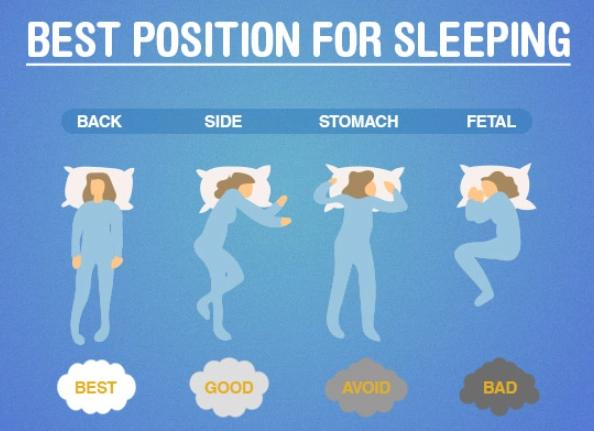
The Upside: It's the MVP for reducing snoring and mild sleep apnea because it keeps your airway more open. The National Sleep Foundation explicitly mentions side sleeping as beneficial for this. It's also the universally recommended position for pregnancy (specifically the left side, which improves circulation to the heart and fetus). If you have lower back pain, especially from conditions like degenerative disc disease, curling slightly into a fetal position can open up the spaces between your vertebrae.
The Downside: It can create its own set of problems. You might wake up with a numb shoulder or arm from compressing nerves. It can also contribute to jaw tightness on that side. And yes, pressing your face into the pillow can lead to more wrinkles over time (they call them "sleep lines" for a reason).
How to Optimize Side Sleeping:
- Pillow Height is Critical: Your pillow should fill the space between your ear and the mattress, keeping your neck straight in line with your spine. Too high, and your neck bends down. Too low, and it bends up. This is where a lot of people mess up.
- Embrace a Body Pillow: This was my personal game-changer. Hugging a long pillow helps keep your top shoulder from collapsing forward. Placing it between your knees is even more important—it aligns your hips and prevents your top leg from pulling your spine out of line.
- Switch Sides: Try not to favor one side every single night. Alternate to balance out the wear and tear on your shoulders and hips.
Stomach Sleeping (The Troublesome One)
I'll be blunt: this is the position most experts love to hate. From a biomechanical standpoint, it's the most demanding on your body.
Why It's Problematic: To breathe, you have to turn your head to one side. This twists your cervical spine (your neck) for hours, straining muscles and ligaments. It also flattens the natural inward curve of your lower back, which can lead to stiffness and pain. The pressure on your joints and internal organs isn't ideal either.
If You Absolutely Can't Switch: I get it. Old habits die hard. If you're a die-hard stomach sleeper, here's how to minimize the damage:
- Use the Thinnest Pillow Possible, or None: The goal is to reduce the angle of your neck twist as much as you can.
- Place a Pillow Under Your Hips/Pelvis: This slight elevation can help prevent your lower back from over-arching excessively.
- Try the "Swim" Position: Instead of having your head turned fully to one side, try positioning your arms and turning your head as if you're doing a freestyle stroke. It's a slightly less extreme rotation.
Asking "which body position is best for sleeping?" and getting the answer "stomach" is rare. But if it's you, damage control is key.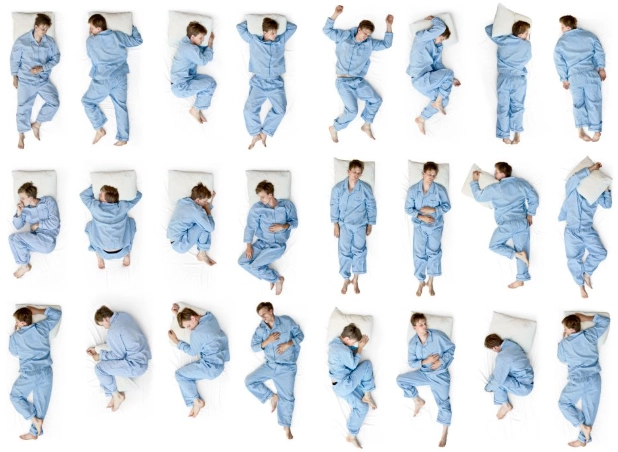
Matching Your Sleep Position to Your Health Concerns
This is where the generic advice stops and personalized strategy begins. Your specific health quirks should be the main driver in choosing your sleep posture.
For Back Pain Sufferers
This is a big one. The Mayo Clinic offers clear guidance here. Generally, back sleeping with knee support is often best as it promotes neutral alignment. However, for some types of pain (like from a herniated disc), a modified fetal position on your side can relieve pressure. The key is to draw your knees up only slightly toward your chest—don't curl into a tight ball, as that can limit diaphragm movement. Avoid stomach sleeping, as it flattens the lumbar curve.
For Shoulder Pain
If your shoulder hurts, don't sleep on it. That's rule number one. If the painful shoulder is on top, side sleeping can be okay. But if it's the down-side shoulder, you're compressing it all night. Back sleeping is usually the safest bet to take pressure off both shoulders. If you must side-sleep, hug a body pillow tightly to prevent rolling onto the bad shoulder, and consider sleeping on the non-painful side.
For Snoring & Sleep Apnea
The evidence is strong. Side sleeping is the undisputed champion for reducing simple snoring and mild obstructive sleep apnea. For moderate to severe apnea, a CPAP machine is essential, but position still matters. Some people even use special shirts or positional therapy devices to keep them off their backs. Back sleeping is almost always the worst position for this issue.
For Acid Reflux (GERD) and Heartburn
Gravity is your friend. The Harvard Medical School highlights the importance of elevation. Back sleeping with your head and torso elevated 6-8 inches is the most recommended position. Left-side sleeping may also be beneficial, as some studies suggest it keeps the junction between the stomach and esophagus above gastric acid. Stomach and right-side sleeping can make reflux worse.
For Neck Pain
Alignment, alignment, alignment. Both back and side sleeping can work, but only with the correct pillow support. For back sleepers, a cervical pillow with a contour for your neck can help. For side sleepers, a pillow that keeps your head from tilting up or down is critical. Stomach sleeping, with its forced rotation, is the biggest culprit for morning neck stiffness.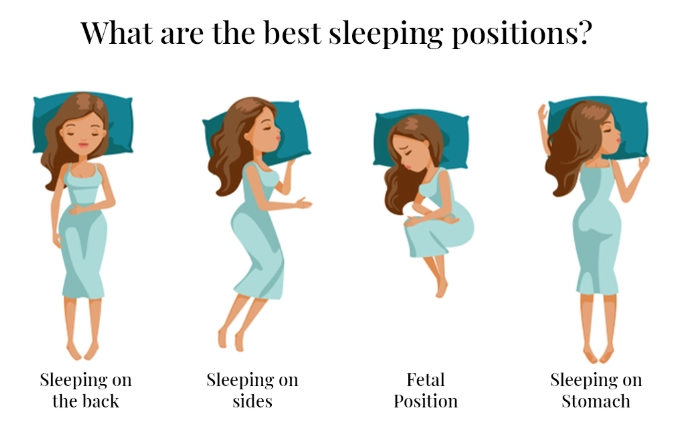
The Tools of the Trade: Mattress and Pillow Pairings
Your sleep position doesn't exist in a vacuum. It's a dance with your mattress and pillow. Get the pairing wrong, and even the "best" position will feel awful.
For Back Sleepers: You need a medium-firm to firm mattress that prevents your hips from sinking too deeply, which would curve your spine. A medium-loft pillow that supports your neck without lifting your head too much is perfect.
For Side Sleepers: You need a mattress with enough give to cushion your shoulders and hips, but enough support to keep your spine straight. This often means a medium to medium-soft feel. You'll need a thicker, firmer pillow (often a high-loft pillow) to fill the gap between your neck and the mattress.
For Stomach Sleepers: A firmer mattress is crucial to prevent your midsection from sinking and over-arching your back. Your pillow should be very thin, soft, and almost flat—or skip it entirely.
Honestly, investing in a pillow designed for your preferred position is one of the most cost-effective ways to improve sleep quality. A $30 mattress topper can't fix a bad mattress, but the right $80 pillow can transform a so-so one.
Your Questions, Answered (The FAQ Corner)
Putting It All Together: Finding *Your* Best Position
So, after all this, which body position is best for sleeping? The unsatisfyingly perfect answer is: It's the one that gives you restful, pain-free sleep and aligns with your health needs.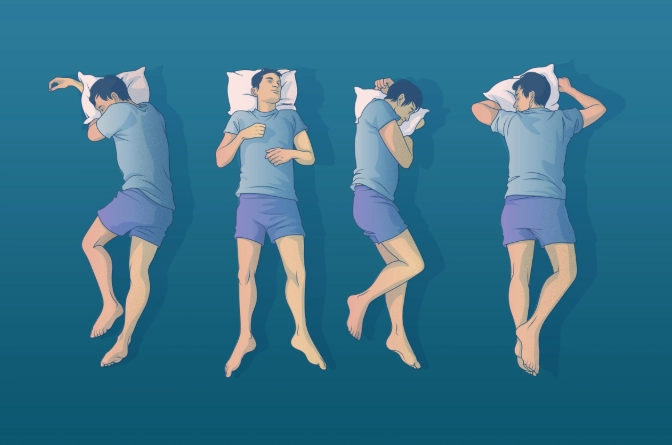
Here’s a simple action plan to find yours:
- Audit Your Body: What hurts when you wake up? Neck? Lower back? Shoulder? Do you snore or have reflux?
- Start with the Strongest Candidate: Based on your audit, pick the primary position from the Big Three that addresses your main issue.
- Optimize Your Setup: Get the right pillow thickness. Use knee pillows or body pillows as needed. Make sure your mattress isn't working against you.
- Give it a Real Trial: Commit to the new position and setup for at least two weeks. Track how you feel in the morning.
- Be Flexible: It's okay to have a primary position and a secondary one. The goal is to listen to your body, not fight it.
The search for the perfect sleep position is a journey, not a destination. It might change after an injury, during pregnancy, or as you age. The most important thing is to be intentional about it. Stop just falling into bed. Think about how you're landing. A few small, informed adjustments can be the difference between dragging yourself out of bed and waking up ready to go. And really, isn't that what we're all after?
Reader Comments