Quick Navigation
- Why Your Favorite Sleep Position Might Be Your Back's Worst Enemy
- The Top Contenders: Breaking Down the Best Sleep Positions for Back Pain
- It's Not Just Position: Your Sleep Environment Matters Just as Much
- Tailoring the Best Position for Your Specific Type of Back Pain
- Beyond the Night: Daily Habits That Support a Pain-Free Back
Let's be honest. There's nothing worse than that stiff, achy feeling in your back the moment you open your eyes. You toss and turn all night, trying to find a comfortable spot, only to greet the morning feeling like you've been in a minor wrestling match. I've been there. A few years ago, a tweak from lifting a heavy box turned into months of nagging lower back discomfort that was always worst in the morning. I tried everything—stretching, massages, expensive mattress toppers. What finally made a significant difference wasn't some miracle cure, but something much simpler: I learned how to actually sleep properly.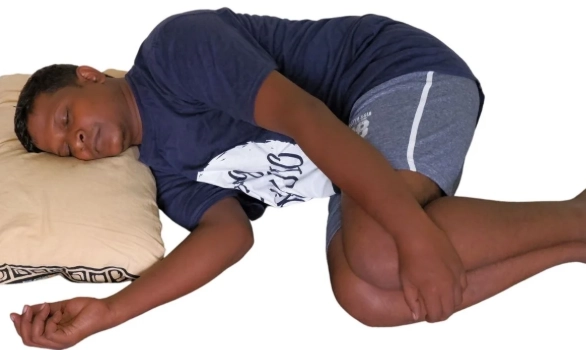
That's what this guide is about. We're going to move past the generic "sleep on your back" advice and dive deep into the best position to sleep for back pain, specifically tailored to different types of pain. We'll look at why your current position might be hurting you, how to tweak it, and what else in your bedroom setup needs to change. Because getting the best sleeping position for back pain right is often the missing piece of the puzzle.
Why Your Favorite Sleep Position Might Be Your Back's Worst Enemy
We all have a default sleep position. It's comforting, it's familiar. But comfort in the moment doesn't always mean support for the long haul. Your favorite cozy curl might be creating tension points that manifest as pain.
Think about it. If you sleep on your stomach (like I used to), your neck is cranked to one side for hours, and your lower back is forced into an exaggerated arch. It's a recipe for strain. Side sleeping without proper knee support can let your top hip sag down, twisting your spine. Even back sleeping, often hailed as the best, can fail you if your pillow is too thick or your mattress is too soft, causing your neck to jut forward and your lower back to sink.
Finding the best position to sleep for back pain relief isn't about forcing yourself into an uncomfortable, rigid pose. It's about strategic support. It's about using pillows not just for your head, but as tools to prop and align the rest of your body. This small shift in thinking changed everything for me.
The Top Contenders: Breaking Down the Best Sleep Positions for Back Pain
Okay, let's get into the specifics. Based on recommendations from spine specialists and ergonomic research, here are the most recommended sleep postures. I've found a simple table helps to compare them at a glance.
| Sleep Position | Why It's Good for Back Pain | The Potential Pitfall (and How to Fix It) | Best For... |
|---|---|---|---|
| Back Sleeping (Supine) | Allows for even weight distribution. Keeps spine and neck in a neutral alignment if supported correctly. Minimizes pressure points. | Can worsen snoring/sleep apnea. Lower back may sag on a soft mattress. Fix: Use a thin pillow for head, consider a small pillow under knees. | General lower back pain, herniated disc pain, neck pain. |
| Side Sleeping (Fetal-Lite) | Can relieve pressure on spinal discs. Excellent for snorers and sleep apnea. Opens up spinal joints. | Can twist spine if knees drop forward. Puts pressure on shoulder/hip. Fix: Use a thick enough head pillow. Place a firm pillow between knees. | Sciatica, degenerative disc disease, pregnant individuals, shoulder pain (on opposite side). |
| Modified Stomach Sleeping | Some find it the only way to fall asleep. Can reduce snoring. | Generally the worst for spine alignment. Twists neck, arches back. Fix: If you must, use an extremely thin pillow or none. Place a flat pillow under hips/pelvis. | Not generally recommended, but a modified version is for die-hard stomach sleepers in transition. |
Looking at that, you can see why back and side sleeping are the front-runners. But calling one the universal best position to sleep for back pain is oversimplifying. It depends entirely on your type of pain.
Back Sleeping: The Gold Standard (If You Can Do It)
Sleeping on your back is like hitting the ergonomic jackpot—when it's done right. It lets your head, neck, and spine rest in a neutral position. The key is support. Your mattress needs to be supportive enough to prevent your lower back from dipping into a "hammock" effect.
Here's a trick that made a huge difference for me: putting a small, firm pillow or a rolled-up towel under my knees. It sounds too simple, but it slightly bends your knees, which flattens your lower back against the mattress, relieving pressure on the lumbar spine. For some people with a more pronounced curve, a small lumbar roll (you can buy them or use a hand towel) placed in the small of the back helps.
Your head pillow matters a ton here too. It should only be thick enough to fill the space between your neck and the mattress, keeping your neck straight. Too high, and you're in for neck pain. Too low, and your head tilts back. The goal is for your chin to be parallel to the floor.
Side Sleeping: The Fetal Position, But Make It Ergonomic
This is the most popular sleep position, and for good reason. It can feel cozy and secure. But the classic fetal position—curled up tightly—is terrible for your back. The best sleeping position for back pain if you're a side sleeper is what I call the "fetal-lite" or "log" position.
Imagine lying on your side with your legs mostly straight, or with a very slight bend in the knees. The magic ingredient? A pillow between your knees. This is non-negotiable. It prevents your top leg from pulling your spine out of alignment and keeps your hips, pelvis, and spine stacked neatly. The pillow should be firm and thick enough so your knees are parallel to the mattress.
Your head pillow needs to be thicker than for back sleeping. It should fill the entire gap from the side of your head down to the point of your shoulder, keeping your neck in line with the rest of your spine. Don't tuck your arm under the pillow—that'll just cause shoulder and nerve issues.
Which side should you sleep on? For conditions like sciatica, if the pain is worse on one side, try sleeping on the *opposite*, pain-free side. This can take pressure off the irritated nerve root.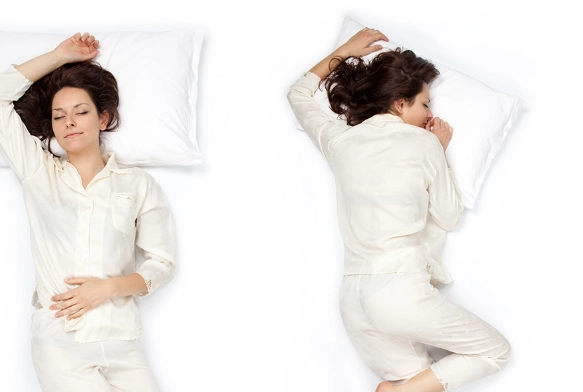
What About Stomach Sleeping?
Let's be real. Most experts will tell you to stop stomach sleeping immediately. It's true, it's the worst for your spine. But I also know habits are hard to break. Telling a lifelong stomach sleeper to just flip onto their back is like telling someone to change their handwriting overnight.
If you absolutely cannot give it up, damage control is the name of the game. First, ditch the pillow. Sleeping facedown with a pillow forces your neck into a sharp turn. At the very least, sleep with your face straight down through a hole in a special pillow or by positioning yourself at the edge of the pillow. Second, try placing a very flat, firm pillow under your hips and lower abdomen. This can help prevent your back from over-arching. Think of it as a transitional strategy towards side sleeping.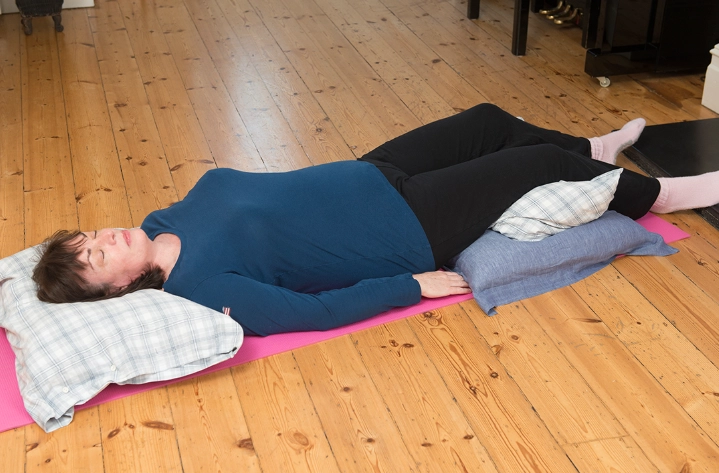
It's Not Just Position: Your Sleep Environment Matters Just as Much
You could have the perfect best position to sleep for back pain figured out, but if you're sinking into a decade-old, sagging mattress or using a pillow that's lost all its support, you're fighting a losing battle. Your sleep setup is a system, and every part needs to work together.
The Mattress: Foundation is Everything
There's no one "best" mattress for back pain. It's highly personal. But the general rule is medium-firm. A mattress that's too soft lets your hips sink in too deeply, misaligning your spine. A mattress that's too firm can create pressure points on your shoulders and hips (especially for side sleepers), causing you to twist into awkward positions to get comfortable.
Memory foam and latex are popular because they contour to your body's shape, providing even support. Innerspring/hybrid mattresses with a pillow top can offer a good blend of support and cushioning. The best advice? If your mattress has noticeable dips or sags where you sleep, it's time for a replacement. The National Institutes of Health notes that medium-firm mattresses often provide better outcomes for chronic low back pain than firm mattresses. You can read more about their findings on sleep and chronic pain here.
Don't underestimate a good mattress topper. If a new mattress isn't in the budget, a 2-3 inch memory foam or latex topper on a too-firm bed can work wonders.
The Pillow: Your Alignment Tool
Your pillow's job is to support your cervical spine. Cervical pillows with a contour (a dip in the center and raised edges) can be fantastic for back and side sleepers as they cradle the neck. For back sleepers, look for a thinner, flatter contour. For side sleepers, a thicker, higher contour is needed.
Feather pillows mold well but flatten over time. Memory foam offers consistent support. Latex is resilient and hypoallergenic. My personal favorite is a shredded memory foam pillow—it's moldable but supportive, and I can remove filling to adjust the height perfectly.
Tailoring the Best Position for Your Specific Type of Back Pain
Back pain isn't a monolith. The best position to sleep for back pain relief from sciatica is different from the best position for arthritis pain. Let's get specific.
For Lower Back Pain (Lumbar Strain)
Focus on reducing the curve in your lower back. Back sleeping with a knee pillow is often ideal. Side sleeping with a knee pillow is a close second. Avoid any position that arches your back, like stomach sleeping or a tight fetal curl.
For Sciatica Pain
Sciatica is that sharp, shooting nerve pain down the leg. The goal is to take pressure off the sciatic nerve. Many find relief by sleeping on the side *opposite* the pain, in the fetal-lite position with a pillow between the knees. This opens up the spaces where the nerve exits the spine. Back sleeping with a knee pillow can also work. The Mayo Clinic offers some general guidance on lifestyle and home remedies for sciatica, which includes sleep posture considerations, which you can find here.
For Herniated or Bulging Discs
The pain often comes from disc material pressing on a nerve. You want to position yourself to relieve that pressure. Sleeping in a reclined position (back sleeping with upper body slightly elevated) or in a fetal position can help open up the spinal spaces. Avoid positions that flex the spine forward, like a tight curl or slouching.
For Arthritis in the Spine (Spondylosis)
Stiffness is the major issue here. You need a position that minimizes pressure on the sore joints. Back sleeping is usually best as it distributes weight evenly. Side sleeping can also work if you have ample cushioning (a soft mattress topper, a body pillow) to prevent pressure on the hip and shoulder joints.
Beyond the Night: Daily Habits That Support a Pain-Free Back
What you do during the day sets the stage for your night. Sitting slumped at a desk for 8 hours will undo any good your perfect best sleeping position for back pain might do. Here are some day-time allies:
- Core Strengthening: Weak core muscles force your back muscles to overwork. Simple exercises like planks, bird-dogs, and pelvic tilts can build stability. The American Council on Exercise has reliable exercise libraries here.
- Mindful Movement: Don't stay in one position too long. Set a timer to get up and walk for 2 minutes every hour.
- Pre-Sleep Stretch: A gentle routine before bed can work wonders. Try pulling one knee to your chest (while lying on your back), holding for 30 seconds, then switching. Or do the cat-cow stretch on all fours.
- Hydration: Your spinal discs are mostly water. Staying hydrated helps keep them plump and functional as shock absorbers.
Common Questions (The Stuff You're Actually Searching For)
Let's tackle some of the specific questions that keep people up at night (sometimes literally).
Look, dealing with back pain is frustrating. It can feel like you're trying to solve a puzzle in the dark. But by focusing on your sleep posture—by intentionally creating the best sleeping position for back pain—you're taking direct control over a huge chunk of your recovery time. You spend a third of your life in bed. Make that time work for you, not against you. Start tonight. Grab an extra pillow, try the knee trick, and see how you feel in the morning. You might just be surprised.
Reader Comments