Your Sleep Guide Overview
Alright, let's talk about sleep. Not the fluffy, dreamy stuff, but the actual, physical way you crash into your mattress every night. You've probably heard a hundred different opinions on the best sleeping position for males. Your chiropractor says one thing, your partner complaining about your snoring says another, and your own aching back is screaming something else entirely.
It's confusing. And most advice out there feels generic. "Sleep on your back for spine alignment." Great, but what if you snore like a chainsaw? "Sleep on your side for sleep apnea." Okay, but what about your shoulder pain?
This isn't about finding one magical, perfect pose you have to rigidly hold all night. That's unrealistic. Instead, we're going to break down what each position does for you—a guy with a specific body and specific issues. We'll look at the pros, the often-ignored cons, and how to tweak each position to work in your favor. Because the real best sleep position for men is the one that lets you wake up feeling restored, not wrecked.
Here's the thing nobody says: Your ideal position might change based on whether you're dealing with a stiff lower back tonight, or you're extra tired and your sleep apnea is acting up, or you just ate a huge meal. Flexibility is key.
Why Your Sleeping Posture Actually Matters (More Than You Think)
It's easy to think "I'll just sleep however I'm comfortable," and call it a day. But your posture for those 6-8 hours is a long-duration stretch for your body. It sets the tone for your muscles, joints, and even your breathing.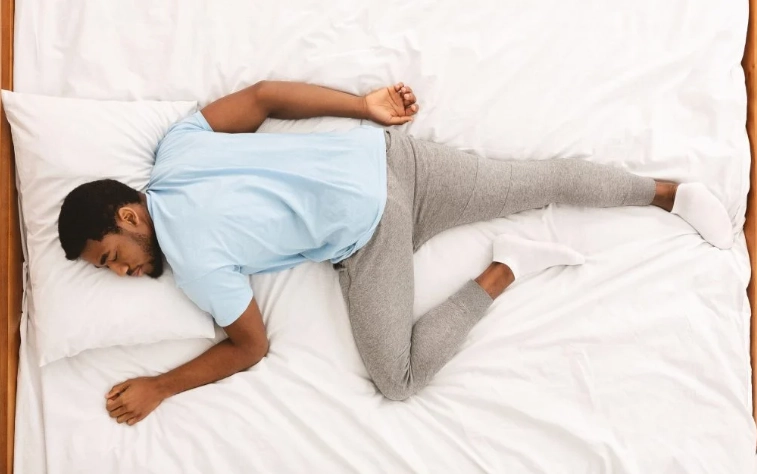
Think about it like this: if you sat slumped in a terrible chair for eight straight hours, you'd feel it. Sleep is the same, but you're unconscious for it. The right male sleeping position can help maintain the natural curves of your spine (cervical, thoracic, lumbar). Get it wrong, and you're essentially putting parts of your spine under strain all night. That's a recipe for waking up with stiffness or, over time, developing chronic issues.
Beyond your back, it affects your airway (hello, snoring and sleep apnea), digestion (acid reflux is a big one), and even skin health ("sleep wrinkles" are real). So yeah, it's worth paying a bit of attention to.
A Deep Dive Into Every Major Sleeping Position for Men
Let's get into the nitty-gritty of each pose. I'm not just going to give you the textbook answer. I'll tell you what it's actually like, who it really works for, and the hacks to make it better.
The Back Sleeper (Supine Position)
Often called the "gold standard" by spinal experts. When you lie flat on your back, weight is distributed evenly. Your head, neck, and spine can rest in a relatively neutral alignment—if your pillow setup is correct.
The Good Stuff: Fantastic for spinal alignment and reducing unnecessary pressure points. It minimizes skin contact with your pillow, which can be better for your face. It also keeps your internal organs in a pretty neutral position, which can aid digestion for some.
The Not-So-Good Stuff: This is public enemy number one for snorers and those with obstructive sleep apnea. Gravity pulls the base of your tongue and soft palate down, narrowing your airway. It can also exacerbate lower back pain for some people if their mattress is too soft, allowing the spine to sag.
Is it the best sleeping position for males? For spinal health alone, yes, it's top contender. But for overall health considering breathing? It has a major caveat.
Make it work for you: The pillow is everything here. You need a thinner pillow that supports the natural curve of your neck without jutting your head forward. A small pillow under your knees can be a game-changer. It takes tension off your lower back and helps maintain that spinal curve. I tried this for a week, and the difference in morning lower back stiffness was noticeable.
The Side Sleeper (Lateral Position)
This is the most common position, and for good reason. It's versatile. But not all side sleeping is created equal.
The Good Stuff: It's the champion for reducing snoring and sleep apnea. By sleeping on your side, you keep your airway more open. It can also aid digestion and is often recommended for people with acid reflux (GERD). It's also great for pregnancy, but that's less relevant for us.
The Not-So-Good Stuff: It can create asymmetry and pressure points. Your shoulder gets compressed. Your hips can get out of alignment if your mattress is too firm or too soft. You might wake up with a numb arm. It can also contribute to wrinkles on that side of your face (a vanity point, but some guys care).
The big debate: Left side vs. Right side? This is where it gets interesting. Some studies and traditional practices (like Ayurveda) suggest sleeping on your left side is superior. The theory is it aids lymphatic drainage, improves digestion by positioning the stomach optimally, and may even benefit heart function. Sleeping on the right side might worsen acid reflux for some. Honestly, the science isn't definitive for everyone, but if you have reflux, trying the left side is a low-cost experiment.
Make it work for you: This is all about filling the gaps. You need a thicker, firmer pillow to keep your neck aligned with your spine (not tilted down toward the mattress). The real secret weapon? A pillow between your knees. This simple trick prevents your top leg from pulling your spine out of alignment and reduces pressure on your hips. It made side sleeping tolerable for my bum shoulder.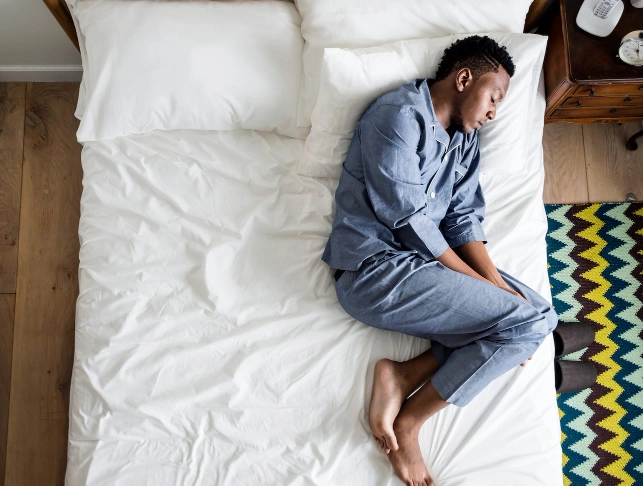
The Stomach Sleeper (Prone Position)
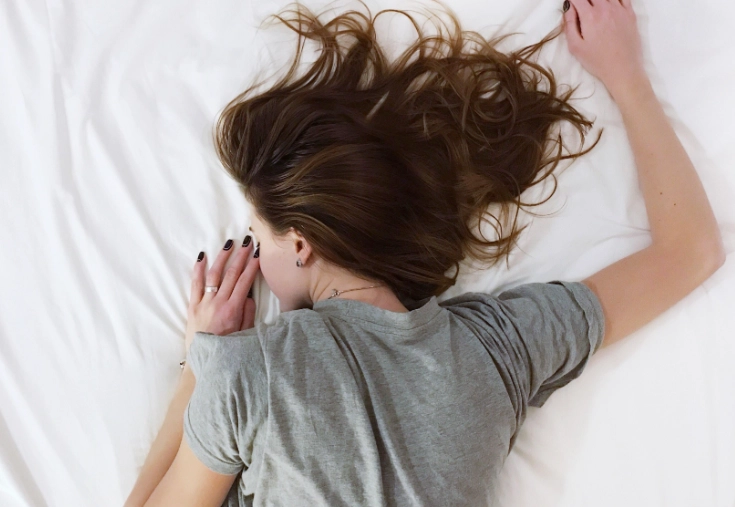
Let's be honest, most health articles vilify this position. I get it. From a pure biomechanical standpoint, it's messy.
The (Very Limited) Good Stuff: It can sometimes reduce snoring (by keeping the airway open from a different angle), but it's a trade-off. Some people with certain types of sleep apnea might find it helpful, but that's a discussion for a doctor.
The Abundant Bad Stuff: It's tough on your spine. Your neck is rotated to the side for hours, straining cervical vertebrae. Your lower back can be arched excessively, putting pressure on joints and muscles. It can also cause numbness and tingling. I used to be a stomach sleeper, and the chronic neck cricks were what finally made me stop.
Make it work for you (if you absolutely can't break the habit): Use the thinnest pillow possible, or no pillow at all, under your head to minimize neck rotation. Place a firm pillow under your pelvis and lower abdomen. This can help prevent your spine from over-arching. The goal is to make your body as flat as possible. Seriously consider trying to transition to side sleeping with a body pillow—hugging it can mimic the prone feeling.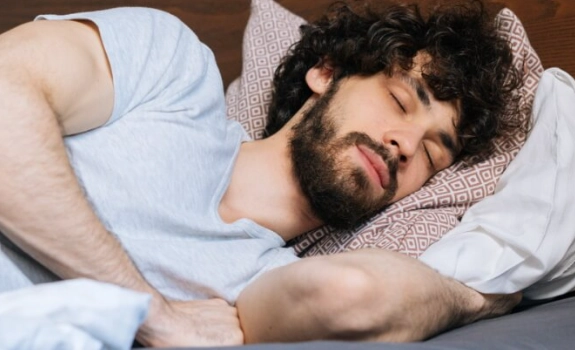
The Verdict: So, Which Is The Champion?
Drumroll, please... but there's no single winner. It's context-dependent. However, if we must crown a generally best sleeping position for males for overall health balance, side sleeping (particularly on the left) often takes the prize. It addresses the critical airway issues that are so common in men (snoring, apnea) while being reasonably spine-friendly when properly supported.
But your personal champion depends on your top priority. Let's break it down with a quick guide:
| Your Primary Concern | Recommended Position | Key Adjustment |
|---|---|---|
| Snoring / Sleep Apnea | Side Sleeping | Use a body pillow to prevent rolling onto your back. |
| Lower Back Pain | Back Sleeping (or Modified Side) | Pillow under knees (back) or between knees (side). |
| Shoulder / Hip Pain | Back Sleeping | Avoid direct pressure on the sore joint. |
| Acid Reflux (GERD) | Left-Side Sleeping | Elevate the head of your bed slightly with risers. |
| Neck Pain | Back or Side Sleeping | Perfect your pillow height and firmness. Ditch stomach sleeping. |
See? It's not one-size-fits-all. The National Sleep Foundation generally recommends side or back sleeping for spinal health, which aligns with what we've dug into here.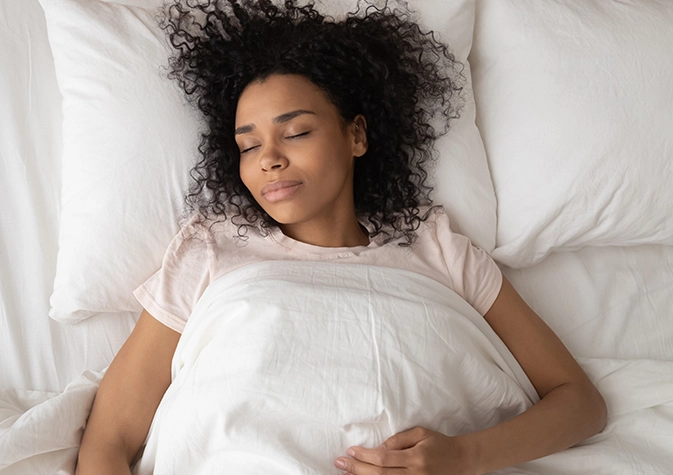
Your Pillow and Mattress: The Unsung Heroes
You can't talk about the best sleep position for men without talking about the gear. The perfect position can be ruined by a bad pillow or a saggy mattress.
The Pillow Rule: Your pillow's job is to keep your neck in line with your spine. For back sleepers, that means medium thickness. For side sleepers, a thicker, firmer pillow to fill the space between ear and shoulder. For stomach sleepers... well, you know.
Materials matter too. Memory foam contours well but can sleep hot. Latex is supportive and cooler. Down is soft but lacks support. It's a personal choice, but support is non-negotiable.
The Mattress Factor: A medium-firm mattress is usually the best bet for most back and side sleepers, as research often suggests it provides the best balance of support and pressure relief. Too soft, and your hips sink, misaligning your spine. Too firm, and you create pressure points at your shoulders and hips. Your body type matters here too. A heavier guy will need a firmer mattress to prevent excessive sinkage.
Answers to Questions You're Actually Asking
Putting It All Together: Your Action Plan
This isn't about overnight perfection. It's about gradual improvement. Here's what you can do this week:
- Audit Yourself: Pay attention when you wake up. What position are you in? Where do you feel stiff or in pain?
- Pick One Target: Based on your biggest issue (snoring, back pain), choose one position to prioritize. For most men, that's side or back.
- Get Your Gear Right: Assess your pillow. Is it the right height for your preferred position? Try the knee pillow trick for side/back sleeping. It's cheap and revolutionary.
- Be Patient for 2-3 Weeks: Your body is used to its old habits. It takes time to adapt. Don't give up after two nights of feeling awkward.
- Listen to Your Body: If a recommended position causes new pain, adjust it. The goal is feeling better, not following a rule blindly.
Finding the best sleeping position for males is a personal journey. It's the intersection of your anatomy, your health concerns, and your comfort. Start with the science—side or back, with proper support—and then tweak from there. The perfect position is the one that gives you deep, uninterrupted sleep and lets you wake up ready to go. Everything else is just details. Now go get some rest.
Reader Comments