You're lying in bed, exhausted. Your body aches for rest, but your mind is a live wire. Thoughts about tomorrow's meeting, that unpaid bill, a vague sense of dread—they all loop on a relentless carousel. The clock ticks closer to midnight, then 1 AM. A desperate question forms: Is it okay to just fall asleep with this anxiety? Can I just shut my eyes and hope for the best?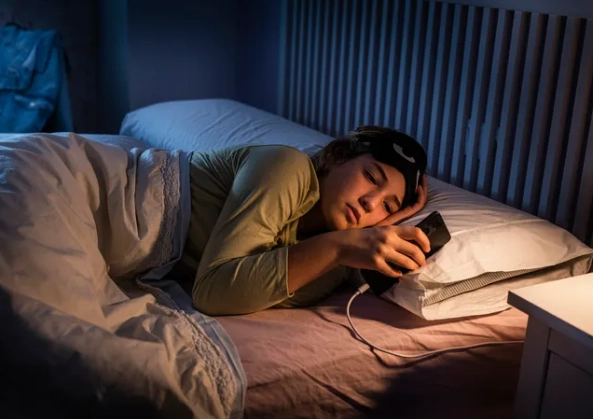
The short, direct answer is: You can, but it's far from ideal. Drifting off while anxious is like trying to charge your phone with a frayed, sparking cable. You might get some power, but the quality is poor and the process is damaging to the system over time. Let's cut through the generic advice and look at what really happens when anxiety and sleep collide, and more importantly, what you can actually do about it tonight.
What’s Inside This Guide
How Anxiety Sabotages Your Sleep (It's Not Just Thoughts)
Most people think sleep anxiety is just racing thoughts. That's only the top layer. Underneath, your body is in a state of high alert, directly opposing the biological requirements for sleep.
The Physiology of a Anxious Night
When you're anxious, your sympathetic nervous system—the “fight-or-flight” system—is activated. This isn't a metaphor. It's a chemical reality. Your body releases cortisol and adrenaline. Your heart rate increases. Your muscles tense. Your body temperature regulation, a key signal for sleep onset, goes haywire.
Sleep, particularly the deep, restorative stages, requires the opposite: the parasympathetic nervous system (the “rest-and-digest” system) to be in charge. Trying to sleep with anxiety is like trying to park a car while pressing the accelerator. The systems are in conflict.
Here’s a subtle mistake almost everyone makes: They focus on “quieting the mind” but ignore the body's alarm signals. You can't think your way out of a physiological stress response. Telling yourself “just relax” while your cortisol is spiking is like yelling at a fire alarm to be quiet. You need to address the body first.
The Sleep Architecture Gets Wrecked
Even if you doze off, the quality is compromised. Research consistently shows that anxiety leads to:
- Prolonged sleep latency: It takes you much longer to fall asleep.
- Fragmented sleep: You wake up more often during the night, even if you don't fully remember it.
- Reduced deep sleep (Slow-Wave Sleep): This is the most physically restorative phase. Anxiety keeps you in lighter sleep stages.
- Less REM sleep: This is crucial for emotional processing and memory. Ironically, the stage that helps you process the day's worries is shortened.
So you wake up feeling unrefreshed, which lowers your resilience to stress the next day, creating a perfect, miserable feedback loop. The National Sleep Foundation has extensive materials on how stress disrupts normal sleep patterns.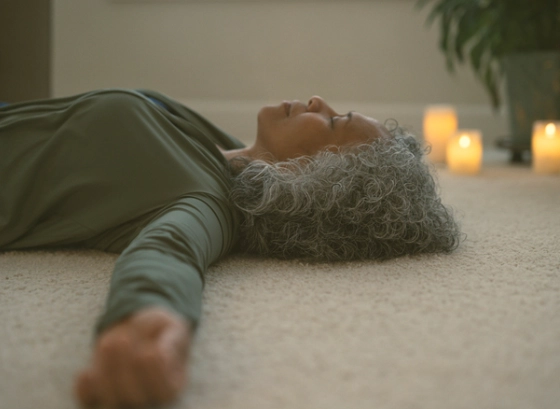
How to Break the Cycle and Sleep Better
This isn't about achieving perfect zen. It's about shifting your body's state enough for the sleep gate to open. Think of it as a series of levers you can pull, not a single “off” switch for your brain.
1. The Pre-Bed Buffer Zone (90-60 Minutes Before)
Stop trying to go from 100 to 0 in 5 minutes. Your nervous system needs a runway.
- Write a “Worry List”: Not a journal entry. Just a brute-force dump of every swirling thought onto paper. The physical act of writing signals to your brain, “It's noted. We can deal with this tomorrow.” Keep it by your bed—if a worry pops up, you can literally point to the list.
- Body Scan, Not Meditation: Forget “clearing your mind.” Lie down and mentally scan from toes to head. Where do you feel tension? Just notice it. Don't try to relax it yet. Often, the simple act of noticing without judgment begins the unwinding process. I find starting with the jaw and shoulders reveals the most held tension.
2. The In-Bed Toolkit (When the Lights Are Off)
This is where most guides fail. They give generic advice. Here’s what works in the thick of it.
- Paradoxical Intention: Tell yourself, “I'm just going to rest my body. I don't need to sleep.” Remove the performance pressure. The goal becomes rest, not sleep. This often removes the secondary anxiety (“I'm not sleeping! Oh no!”) that keeps you awake.
- Temperature Dive: Anxiety often makes you feel warm. Try sticking one foot out from under the covers. It sounds trivial, but regulating core temperature through the extremities is a powerful signal for sleep onset.
- 4-7-8 Breathing: The classic for a reason. Inhale quietly through your nose for 4 counts. Hold for 7 counts. Exhale forcefully through your mouth for 8 counts. Repeat 4 times. This directly stimulates the vagus nerve, triggering the parasympathetic nervous system. Don't just do it once. Commit to the four cycles.
3. The Next-Day Reset
Managing sleep anxiety isn't just a nighttime job. Your daytime habits set the stage.
- Morning Light: Get 10-15 minutes of natural light within an hour of waking. This resets your circadian rhythm and boosts daytime alertness, making the sleep pressure stronger at night.
- Schedule “Worry Time”: Pick a 15-minute slot in the late afternoon. If anxieties arise during the day, jot a note and tell yourself, “I'll address that at 4:30 PM.” This contains worry, preventing it from flooding you at bedtime.
- Move Your Body (But Not Too Late): Regular exercise is a potent anxiety reducer. However, finish intense workouts at least 3 hours before bed. A gentle evening walk, however, can be excellent.
My personal rule after years of struggling with this: If I've been in bed for 25 minutes and my mind is still racing, I get up. I go to a dimly lit chair and read a boring physical book (no screens) until I feel drowsy. Lying there frustrated teaches your brain that bed is a place for anxiety, not sleep. Breaking that association is crucial.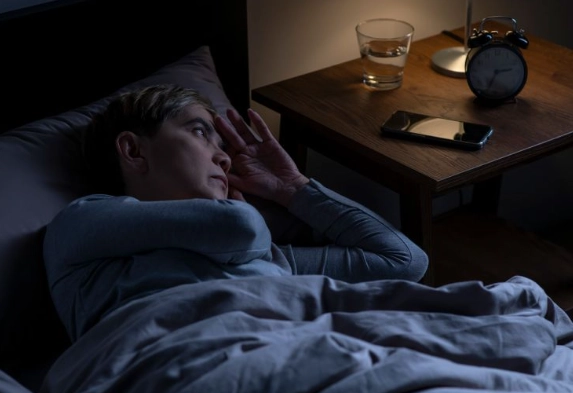
Your Anxiety & Sleep Questions Answered

Falling asleep with anxiety is a common struggle, but understanding it as a body-state problem, not just a mind problem, changes everything. You have a toolkit now. Start with one lever—maybe the Worry List or the 4-7-8 breathing. Be patient with yourself. The goal isn't a perfect, silent mind. The goal is a nervous system calm enough to let the natural process of sleep take over. That shift makes all the difference.
Reader Comments