That feeling of dragging yourself through the day isn't normal, and it's definitely not something you just have to accept. If you're a guy searching for "why am I always tired and have no energy," you're not alone. I've been there. Years ago, I blamed my demanding job and getting older. Turns out, I was wrong on both counts. The real culprits were hiding in plain sight, and fixing them didn't require some crazy life overhaul.
This guide cuts through the generic advice. We'll dig into the specific, often overlooked reasons men feel perpetually drained and give you a clear, actionable plan to get your energy back. No fluff, just the stuff that actually works.
What You'll Find Inside
The 5 Most Common Culprits of Male Fatigue
Let's start by busting a myth. It's rarely just one thing. More often, it's a combination of two or three factors stacking up. Here are the big ones, ranked by how frequently I see them derail guys.
1. The Sleep You Think You're Getting vs. The Sleep You're Actually Getting
You say you get 7 hours. But are you really sleeping for 7 hours? Snoring, frequent bathroom trips, or just lying there with your mind racing count as sleep disruption. The biggest blind spot for men is sleep apnea. It's not just loud snoring; it's your brain getting starved of oxygen hundreds of times a night. You "sleep" but wake up exhausted. If your partner says you snore, gasp, or stop breathing, take it seriously.
2. The Invisible Hormone Shift
Testosterone decline isn't just about libido. It's a primary driver of energy, motivation, and muscle maintenance. The drop starts earlier than most think—often in your 30s. Low T doesn't always mean extremely low lab numbers. It can be suboptimal levels that leave you feeling flat, foggy, and unmotivated. Stress makes this worse by raising cortisol, which directly fights testosterone.
3. The Fuel Gauge Is on Empty (But You Don't Know It)
I'm talking about nutrients, not just calories. Two major players for men:
- Iron: Yes, men can be low. It's less common than in women, but vegetarians, guys with gut issues, or frequent blood donors are at risk. Iron carries oxygen. No oxygen, no energy.
- Vitamin D: If you work indoors, you're likely deficient. The Centers for Disease Control and Prevention (CDC) notes widespread insufficiency. Vitamin D is involved in hundreds of processes, including muscle function and mood regulation. Low levels = fatigue and aches.
4. The Silent Energy Drain: Mental Load and Stress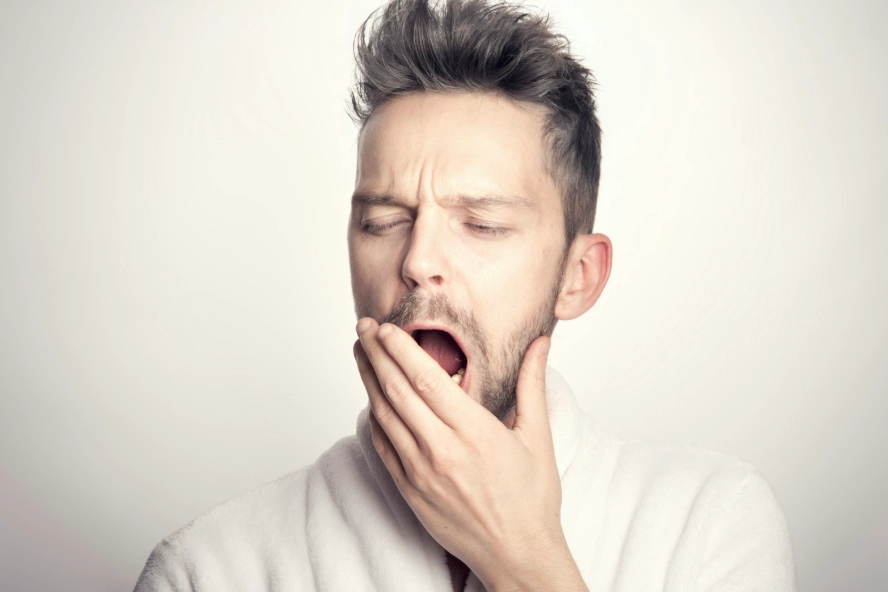
Chronic stress isn't an emotion; it's a physiological state. Your body pumps out cortisol constantly, which is exhausting. Many guys dismiss this as "just stress," but it physically rewires your energy systems. Anxiety and low-grade depression (which often manifests as irritability and lack of interest in men) are massive energy vampires. You're not lazy; your brain is using all its fuel worrying.
5. The Fitness Paradox
Too little movement makes you sluggish. But too much, especially long cardio sessions without recovery, can push you into a state of overtraining. Your body is in a constant state of repair, leaving no energy for anything else. Are you working out hard but seeing no gains and feeling worse? That's a sign.
The Medical Check-Up You Probably Haven't Had (But Should)
Before you spend money on supplements, see a doctor. Be specific. Don't just say "I'm tired." Say, "I have persistent fatigue affecting my work and life, and I'd like to rule out common causes." Request these tests:
| Test | What It Checks For | Why It Matters for Energy |
|---|---|---|
| Complete Blood Count (CBC) & Ferritin | Anemia, iron stores | Low red blood cells or iron = poor oxygen delivery. |
| Thyroid Panel (TSH, Free T3, Free T4) | Hypothyroidism | An underactive thyroid slows your entire metabolism. |
| Testosterone (Total & Free) | Low testosterone levels | Directly impacts vigor, muscle energy, and mental drive. |
| Vitamin D (25-Hydroxy) | Vitamin D deficiency | Critical for bone, muscle, and immune function. |
| Sleep Study | Sleep apnea, sleep quality | Diagnoses disrupted sleep patterns you're unaware of. |
A standard physical often misses the deeper dive. Insist on these. A study published in the journal Sleep found that undiagnosed sleep disorders are a major contributor to daytime fatigue, often mistaken for other conditions.
Practical Lifestyle Fixes That Actually Move the Needle
Here's where you take control. Forget vague "eat better, sleep more" advice. These are targeted actions.
Re-engineering Your Sleep
It's not just duration, it's quality.
- Cool and Dark: Your body needs a drop in core temperature to initiate sleep. A cool room (around 65°F or 18°C) is non-negotiable. Blackout curtains are a game-changer.
- The 60-Minute Wind-Down: No screens. Read a physical book, listen to a podcast, do light stretching. This signals to your nervous system that it's safe to power down.
- Alcohol is a Lie: It might help you fall asleep, but it destroys sleep architecture, obliterating deep and REM sleep. You wake up unrefreshed. Try cutting it out on weeknights.
Strategic Nutrition, Not Just Dieting
Stop chasing energy with sugar and caffeine. It's a debt you pay back with interest.
- Protein at Every Meal: Especially breakfast. Eggs, Greek yogurt, lean meat. It stabilizes blood sugar and provides sustained energy. A sugary cereal or toast will spike and crash you by 10 AM.
- Smart Supplementation: Based on your bloodwork. A high-quality Vitamin D3+K2 supplement is a good starting bet for most indoor workers. Magnesium glycinate before bed can improve sleep quality and muscle relaxation.
- Hydration: Dehydration causes fatigue. Your blood gets thicker, your heart works harder. Aim for clear or light-yellow urine.

Exercise for Energy, Not Exhaustion
If you're fatigued, ditch the two-hour gym sessions.
- Strength Training is King: 2-3 times a week. Building muscle improves metabolic rate and insulin sensitivity. It also boosts testosterone naturally.
- Walk More: Low-intensity steady-state (LISS) activity like a 30-minute brisk walk improves circulation and clears mental fog without the systemic stress of hard cardio.
- Listen to Your Body: If you're wiped, take a rest day. Forced exercise on empty adds stress.
Your 2-Week Energy Reset Action Plan
This isn't theoretical. Pick a start date and follow this.
Week 1: The Foundation
- Days 1-3: Book your doctor's appointment. Start a sleep log: note bedtime, wake time, and energy level (1-10).
- Days 4-7: Implement the 60-minute screen-free wind-down. Stop caffeine after 12 PM. Add a protein source to your breakfast.
Week 2: Building Momentum
- Days 8-10: Introduce two 30-minute strength sessions (bodyweight or weights) and three 20-minute walks.
- Days 11-14: Focus on hydration—aim for half your body weight in ounces of water daily. Review your sleep log. What improved?
By the end of two weeks, you'll have data and feel a shift. You'll know if lifestyle changes are enough or if you need those medical results.
Your Fatigue Questions, Answered
 My doctor says my bloodwork is "normal," but I feel terrible. What now?
Reader Comments