Let's be honest—most of us have tried to fix our sleep at some point. We download apps, buy blackout curtains, or swear off caffeine after noon. But it often feels like a guessing game. That's where a bedtime routine worksheet comes in. It's not just another checklist; it's a personalized sleep plan that actually works. I've used this approach with clients for years, and the difference it makes is real. Instead of hoping for better sleep, you design it.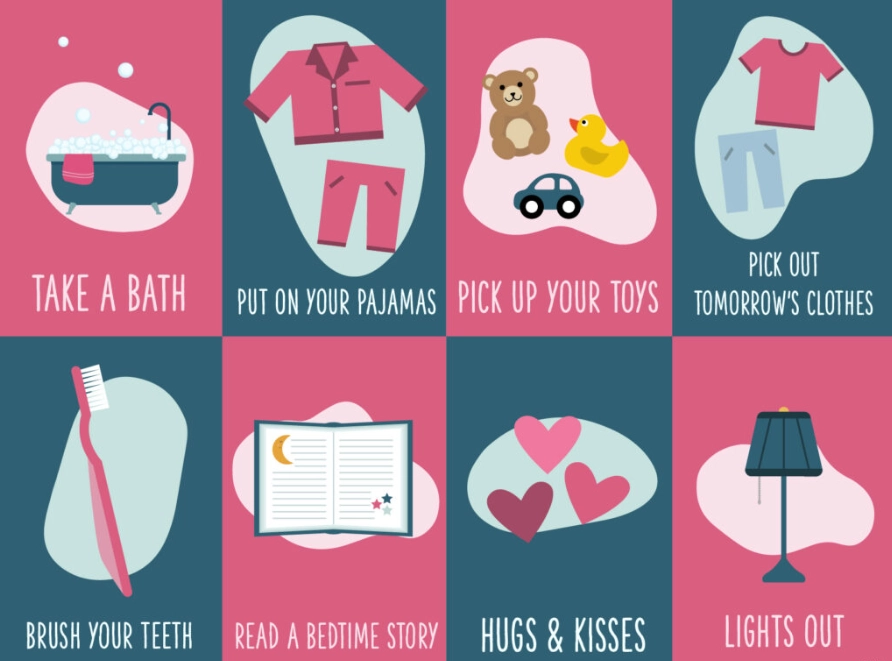
What's Inside This Guide
What Exactly Is a Bedtime Routine Worksheet?
Think of it as a sleep roadmap. A bedtime routine worksheet is a simple document—digital or paper—that outlines your pre-sleep activities in a clear, actionable way. It's not about rigid schedules; it's about consistency. You list things like "dim lights at 9:30 PM" or "read for 15 minutes," then track how they affect your sleep.
I've seen people use everything from fancy apps to a notebook by their bed. The key is that it's yours. It adapts to your life. Maybe you're a night owl or have kids—your worksheet will look different from mine.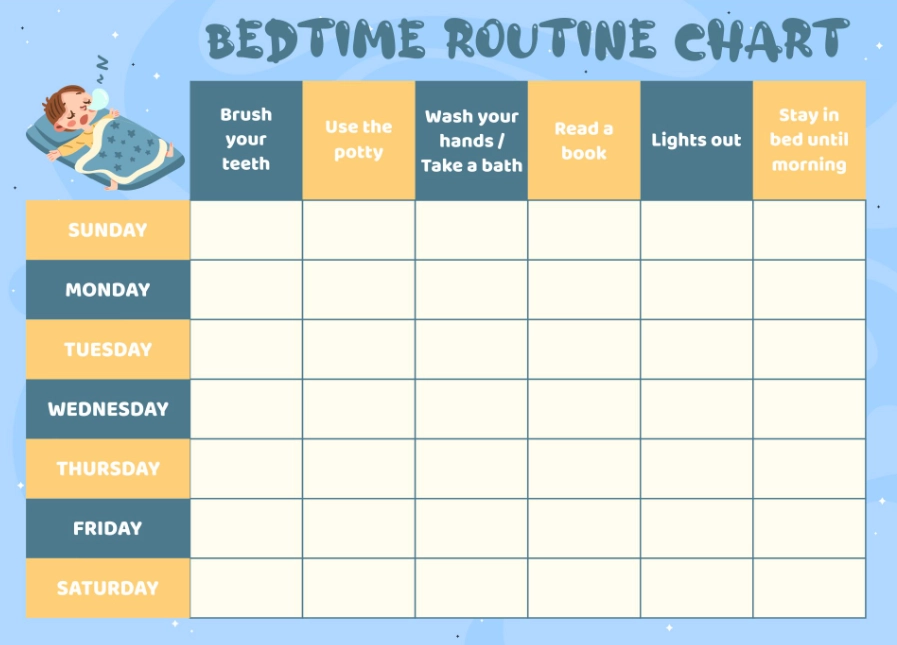
Here's the thing: most sleep advice is generic. "Avoid screens before bed"—great, but what do I do instead? A worksheet forces you to get specific. It turns vague tips into concrete steps.
Why Bedtime Routine Worksheets Actually Work (The Science Bit)
Our brains love predictability. When you follow a consistent routine, you signal to your body that it's time to wind down. This taps into your circadian rhythm, that internal clock regulating sleep. Research from sources like the National Sleep Foundation shows that routines can improve sleep onset and quality.
But there's a catch. It's not just about doing the same things; it's about linking them to sleep. A worksheet helps create those associations. You check off "drink herbal tea," and over time, your brain starts connecting tea with relaxation.
I remember a client who always felt wired at bedtime. His worksheet revealed he was checking emails right up until lights-out. By moving that to an earlier slot, he saw improvement in two weeks. The worksheet made the invisible visible.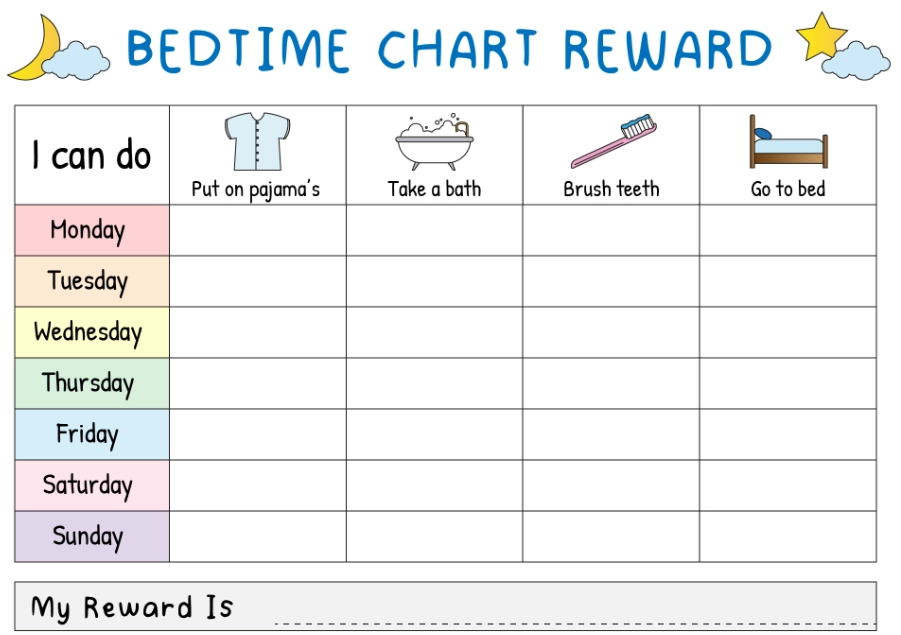
How to Create Your Own Bedtime Routine Worksheet: A 5-Step Process
Let's build one from scratch. This isn't about perfection—it's about progress. Grab a pen or open a doc; we'll go step by step.
Step 1: Track Your Current Habits (The Good, The Bad, and The Ugly)
For three nights, jot down everything you do in the hour before bed. Don't judge—just observe. Include times, activities, and how you feel afterward. This baseline is crucial. You might notice patterns, like scrolling social media when anxious.
I once tracked my own routine and realized I was drinking water too late, leading to nighttime bathroom trips. Small tweaks, big impact.
Step 2: Define Your Sleep Goals
Be specific. Instead of "sleep better," aim for "fall asleep within 20 minutes" or "wake up once per night." Write these at the top of your worksheet. They'll guide your choices.
Step 3: Design Your Core Routine
Pick 3-5 activities that promote relaxation. Mix must-dos (like brushing teeth) with want-tos (like reading). Here's a sample table to brainstorm:
| Activity | Why It Helps | Time Needed |
|---|---|---|
| Dim household lights | Reduces blue light exposure, signals melatonin production | 5 minutes |
| Gentle stretching | Releases physical tension, calms the nervous system | 10 minutes |
| Journaling thoughts | Clears mental clutter, reduces anxiety | 5 minutes |
| Listen to calming music | Blocks external noise, creates a soothing environment | 15 minutes |
Notice how each activity has a purpose? That's intentional. Avoid adding things just because they sound good.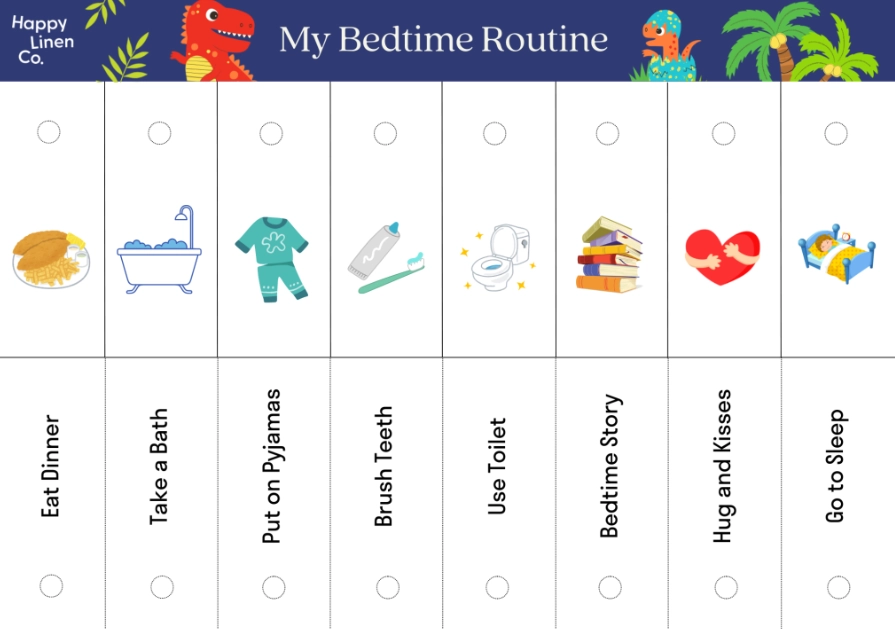
Step 4: Choose Your Worksheet Format
Paper or digital? Paper can feel more tangible—I've seen clients stick worksheets on their fridge. Digital offers reminders; apps like Todoist or a simple Google Doc work. Try both for a week and see what sticks.
Step 5: Implement and Iterate
Start using your worksheet. At the end of each week, review it. Did you skip something? Why? Adjust as needed. Maybe swap an activity or shift the timing. The worksheet is a living document.
One pro tip: include a "wind-down buffer" of 30 minutes before your first task. No screens allowed. This buffer prevents rushing.
A Real-Life Example: Sarah's Sleep Transformation
Sarah, a graphic designer with irregular hours, struggled with insomnia for years. Her initial worksheet was a mess—too ambitious, with 8 steps she never completed. We simplified it.
Her revised worksheet looked like this:
- 9:00 PM: Phone on nightstand (set to Do Not Disturb).
- 9:10 PM: Brew chamomile tea.
- 9:20 PM: Skim a fiction book (no thrillers!).
- 9:40 PM: Quick bathroom routine.
- 9:50 PM: Lights out, deep breathing for 5 minutes.
She tracked her sleep with a simple scale: 1 (restless) to 5 (restful). After two weeks, her average went from 2 to 4. The worksheet gave her control. She told me, "It's not magic, but it's close."
What made it work? Flexibility. On late work nights, she shortened reading to 5 minutes. The consistency of the sequence mattered more than the clock.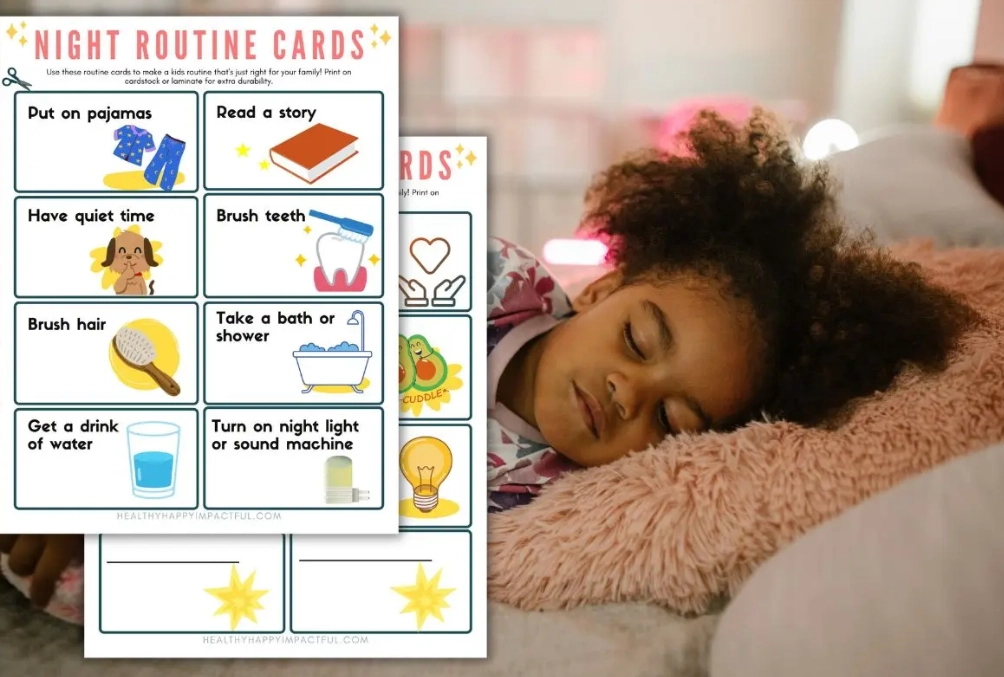
Common Pitfalls and How to Avoid Them
I've watched people ditch their worksheets after a week. Here's why—and how to fix it.
Pitfall 1: Overcomplicating It. Don't turn it into a chore. If your worksheet feels like homework, scale back. Stick to basics.
Pitfall 2: Ignoring Lifestyle Changes. Life happens. If you start a new job or have a baby, update your worksheet. I revise mine every season.
Pitfall 3: No Tracking. A worksheet without review is just a list. Add a notes section: "Slept poorly—maybe because of late coffee?" This turns data into insights.
My own mistake early on? I included meditation, but I hate sitting still. I swapped it for audio-guided relaxation. Fit the routine to you, not the other way around.
Frequently Asked Questions
Remember, a bedtime routine worksheet isn't about achieving perfect sleep overnight. It's about building habits that support rest, night after night. Start small, stay consistent, and adjust as you go. Your future well-rested self will thank you.
Reader Comments