You know the look. You’ve seen it in the mirror after a terrible night's sleep, or on a colleague burning the midnight oil. Puffy eyelids, dark circles that no concealer seems to hide, a network of red veins across the whites, and a general dullness that screams "I didn't sleep." This isn't just about aesthetics; it's your body's billboard advertising internal stress. We call this cluster of symptoms sleep deprivation eyes, and understanding them is the first step to fixing both the look and the underlying health issue.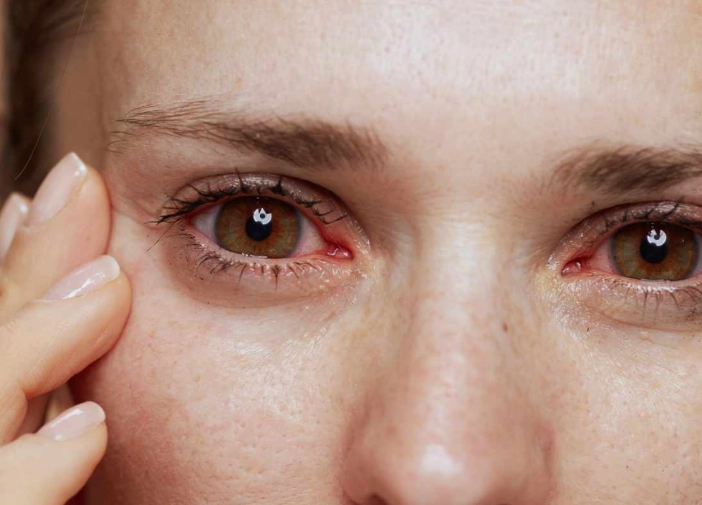
Most articles will tell you to get more sleep. That's obvious. But what if you can't right now? What's actually happening in the delicate skin and muscles around your eyes when you're short on rest? And are those expensive eye creams doing anything? Let's dig into the science and the practical fixes.
In This Article:
- What Exactly Are "Sleep Deprivation Eyes"?
- How Sleep Deprivation Directly Affects Your Eyes
- The Morning-After Fix: A Damage Control Routine
- Long-Term Repair and Prevention Strategies
- Beyond Cosmetic: The Real Health Risks for Your Eyes
- A Real-World Case: Sarah's 4-Week Turnaround
- Your Top Questions on Sleep Deprivation Eyes
What Exactly Are "Sleep Deprivation Eyes"?
It's not one single thing. It's a combination of visible signs caused by the physiological chaos that ensues when you don't get enough quality sleep. The skin around your eyes is the thinnest on your entire body—about 0.5 mm thick compared to 2 mm on the rest of your face. This makes it a hyper-sensitive display for internal problems like poor circulation, fluid imbalance, and inflammation.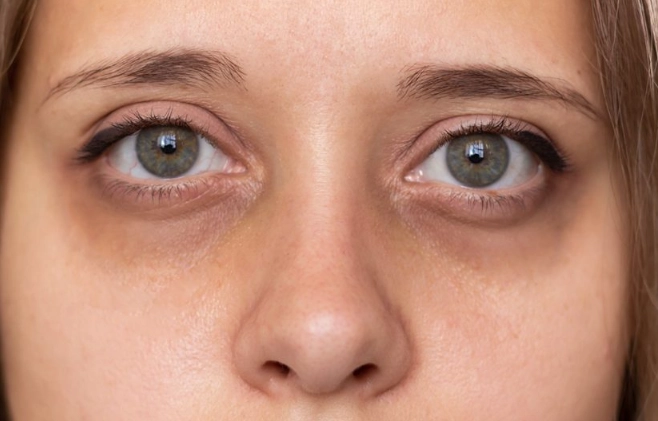
Think of it like a diagnostic tool. The puffiness tells you about fluid retention. The dark circles hint at blood vessel issues and thin skin. The redness reveals inflammation and dryness. It's a package deal.
How Sleep Deprivation Directly Affects Your Eyes
Let's break down the science behind each symptom. It's not magic; it's biology.
1. Puffy Eyes and Under-Eye Bags
When you're sleep-deprived, your body's cortisol (the stress hormone) levels stay elevated. This can disrupt the balance of other hormones, including aldosterone, which regulates fluid and electrolytes. The result? Your body holds onto more water. Because the skin around your eyes is so loose and thin, this excess fluid pools there easily, creating bags.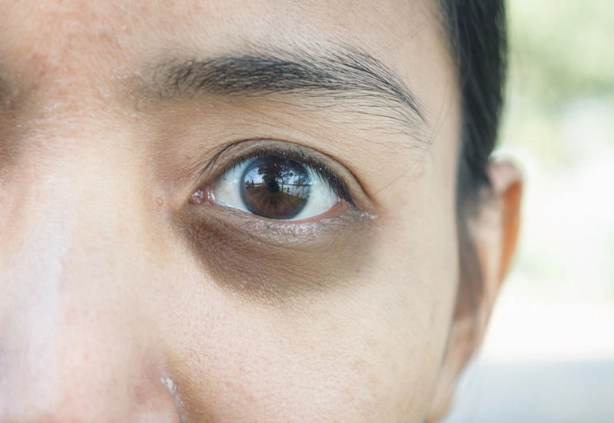
Lymphatic drainage, your body's waste-removal system, also slows down without proper rest. The lymphatic vessels around your eyes work less efficiently, so metabolic waste and fluid aren't cleared away overnight like they should be. You wake up with the luggage.
2. Dark Circles (Periorbital Hyperpigmentation)
This is where things get interesting. There are two main types of dark circles that lack of sleep worsens:
- Vascular: Poor sleep causes blood vessels under the thin eye skin to dilate (enlarge) and become more visible. The blueish-purple tint you see is deoxygenated blood showing through. Chronic sleep deprivation can even make these vessels more fragile, leading to slight leakage of blood cells, which breaks down into hemosiderin—a pigment that stains the skin a brownish color.
- Structural: As you age, you lose fat and collagen. Sleep is prime time for collagen repair. Skimp on sleep, and you accelerate the thinning of the skin and the hollowing of the under-eye area (tear trough). These shadows cast a dark appearance, even without pigmentation.
3. Bloodshot, Dry, or Irritated Eyes
Your eyes need sleep to stay lubricated. During deep sleep, you go through prolonged periods of closed eyelids, which allows for the replenishment of the tear film. Less sleep means less lubrication, leading to dry, itchy, and red eyes. Your eyes are also open longer, exposed to more irritants and screen time, which strains the tiny blood vessels on the sclera (the white part), making them expand and become visible.
Ever had an eye twitch? That's myokymia, often triggered by fatigue and stress. It's a tiny muscle spasm screaming for rest.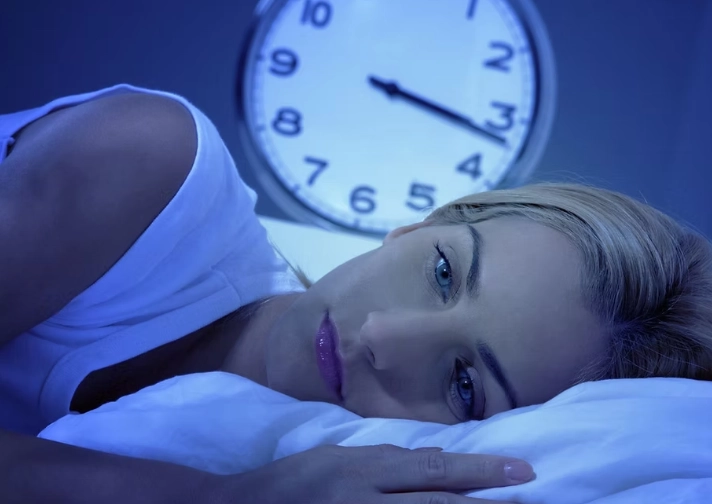
| Symptom | Primary Biological Cause | Quick Visual Clue |
|---|---|---|
| Puffiness & Bags | Fluid retention & poor lymphatic drainage | Swollen, "waterlogged" look, especially in the morning |
| Dark Circles | Visible/dilated blood vessels & skin thinning | Bluish, purple, or brownish discoloration under eyes |
| Red, Bloodshot Eyes | Dryness & dilated scleral blood vessels | Network of red lines across the whites of the eyes |
| Dull, Tired "Look" | Poor circulation & skin cell turnover | Lack of radiance, pale or ashen skin tone around eyes |
The Morning-After Fix: A Damage Control Routine
You had a bad night. Here’s a tactical, 10-minute routine to depuff, decongest, and fake a full night's rest. I've tried countless methods, and this sequence works consistently.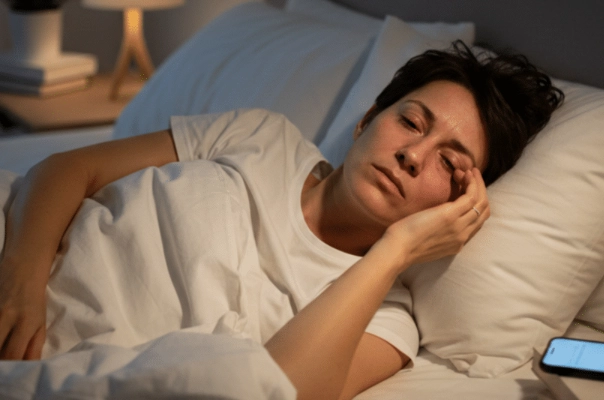
Step 1: Cold Therapy, Immediately. Don't just splash cold water. The goal is vasoconstriction—tightening blood vessels to reduce puffiness and the appearance of dark circles. Keep a gel eye mask in the freezer. Pop it on for 8-10 minutes while you sip your water or coffee. No mask? Two spoons from the freezer work, or a bag of frozen peas wrapped in a paper towel. Apply gentle pressure.
Step 2: Caffeinated Serum. After cold therapy, apply an eye serum with caffeine. Caffeine is a vasoconstrictor and can help tighten the look of skin temporarily. Gently pat it in with your ring finger—no dragging.
Step 3: Gentle Massage for Drainage. With your serum still on, use your ring fingers to perform a lymphatic drainage massage. Start at the inner corner under your eye, press gently, and slide outwards towards your temples. Then from the inner brow bone, slide out along the brow to the temple. Do this for 30 seconds per eye. This helps move the stagnant fluid.
Step 4: Strategic Makeup (Optional). Use a color corrector if needed—a peach/salmon tone neutralizes blue-purple circles. Apply a hydrating, light-reflecting concealer only in the shadowy inner corner and outer V, not a thick layer across the whole under-eye. Blend meticulously.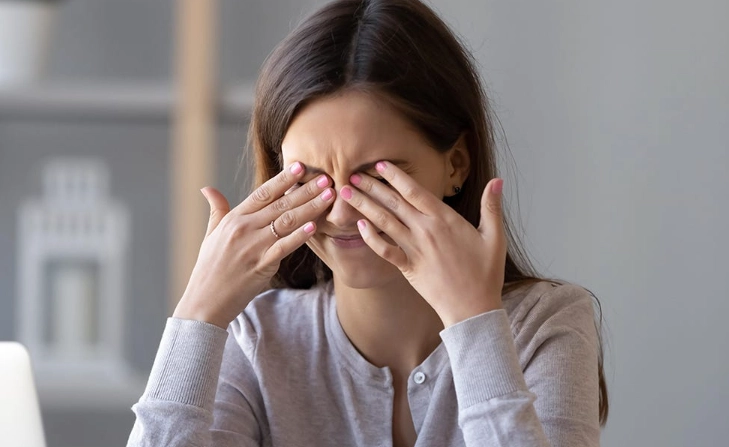
Long-Term Repair and Prevention Strategies
Morning fixes are a patch. To truly get rid of sleep deprivation eyes, you need to support your body's repair systems over time.
Sleep Position Matters
This is a subtle but huge factor. Sleeping flat on your back with your head slightly elevated (an extra pillow) uses gravity to help with lymphatic and venous drainage from your face. Sleeping face-down or on your side smushes your face into the pillow, causing compression puffiness and potentially creating sleep wrinkles. If you wake up with one eye more puffy, your sleep position is the likely villain.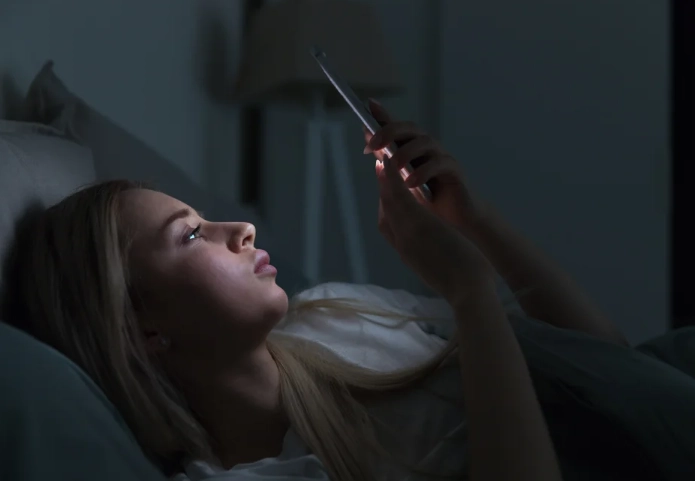
Nutrients for Skin and Circulation
What you eat supports the delicate under-eye skin. Focus on:
- Vitamin K: Found in leafy greens, it supports healthy blood clotting and may help with vascular dark circles. Research from the American Academy of Ophthalmology notes its role in overall eye health.
- Vitamin C: Crucial for collagen synthesis and strengthening capillary walls. Citrus, bell peppers, broccoli.
- Iron & B12: Deficiency can cause paleness, making under-eye circles more prominent. Lean meats, legumes, fortified foods.
- Hydration: Chronic dehydration makes skin more translucent and dull. Drink water consistently, not just in one giant gulp.
Consistent Sleep Schedule (Non-Negotiable)
Your body craves rhythm. Going to bed and waking up at roughly the same time, even on weekends, regulates your cortisol and supports deeper, more restorative sleep cycles. This is when human growth hormone peaks, driving tissue repair and collagen production. The National Sleep Foundation emphasizes consistency as a cornerstone of sleep hygiene.
Beyond Cosmetic: The Real Health Risks for Your Eyes
While we focus on looks, the stakes are higher. Chronic sleep deprivation can lead to:
Dry Eye Disease: Inadequate tear production and poor tear quality become a chronic issue, causing persistent discomfort, light sensitivity, and blurred vision.
Increased Risk of Eye Conditions: Studies suggest a link between chronic sleep disorders and an increased risk of glaucoma, a condition that damages the optic nerve. The mechanism isn't fully understood but may relate to fluctuating intraocular pressure during poor sleep cycles.
Compromised Visual Performance: Your eyes' ability to focus (accommodation), track moving objects, and perceive contrast diminishes when you're tired. This isn't just about feeling sleepy; it's a measurable decrease in visual function that can affect driving, reading, and work performance.
The eyes are your window to both the world and your internal health. Ignoring the signals they send during sleep deprivation is a mistake.
A Real-World Case: Sarah's 4-Week Turnaround
Sarah, a 34-year-old graphic designer, came to me frustrated. Her "sleep-deprived eyes" made her look "permanently exhausted" despite using high-end creams. She slept 5-6 hours a night, often working late on screens. Her routine was all wrong: she used a rich night cream around her eyes, slept on her stomach, and drank coffee after 4 PM.
We made three targeted changes:
- Sleep Schedule Lock: In bed by 11 PM, up at 6:30 AM, even weekends. No phone in bed.
- Sleep Position Training: She used a body pillow to discourage stomach sleeping and trained herself to sleep on her back.
- Evening Eye Care Swap: Replaced the heavy cream with a lightweight peptide gel and used a warm (not hot) washcloth compress for 5 minutes before bed to relax eye muscles.
After two weeks, the morning puffiness was 70% reduced. By week four, the chronic dark circles had lightened significantly. She reported her eyes felt less dry and gritty during the day. The fix wasn't a miracle product; it was systematic habit change addressing fluid, position, and true rest.
Your Top Questions on Sleep Deprivation Eyes
Your eyes are telling a story after a bad night's sleep. Listen to them. The solutions aren't just about looking better—they're about supporting a fundamental biological process. Start with the cold compress tomorrow morning, think about your pillow tonight, and remember that consistency beats a miracle cure every time.
Reader Comments