Your Sleep Food Guide Overview
- Why What You Eat Directly Affects How You Sleep
- The Top Contenders: Your Go-To List of Sleep Friendly Foods
- The Other Side of the Coin: Foods That Can Steal Your Sleep
- Building Your Perfect Sleep-Friendly Evening Routine
- Answering Your Questions on Sleep Friendly Foods
- The Bigger Picture: Sleep Friendly Foods in Context
You know the feeling. You're exhausted, you crawl into bed, and then... nothing. Your mind decides it's the perfect time to replay every awkward conversation you've ever had or plan your entire life for the next decade. We've all been there. While turning off your brain is one thing, what if the secret to switching off your body and drifting off wasn't just about a bedtime routine, but about what's on your dinner plate or in your evening snack?
That's where sleep friendly foods come in. It's not magic, but it's pretty close. It's about understanding how certain nutrients talk to your brain and body, gently nudging them toward sleep mode. I used to think a cup of coffee after dinner was fine, and then I'd wonder why I was staring at the ceiling at 2 AM. Took me a while to connect the dots, honestly.
Why What You Eat Directly Affects How You Sleep
Let's break down the science without the jargon. Your sleep is governed by a complex dance of hormones and brain chemicals. Two of the biggest players are melatonin (the "sleep hormone" that tells your body it's night-time) and serotonin (its precursor, often linked to mood, which gets converted into melatonin). The production of these chemicals is heavily influenced by what you eat.
Certain foods contain the building blocks—like the amino acid tryptophan, vitamins, and minerals—that your body needs to manufacture these sleep-signaling molecules. Other foods can stimulate alertness or cause digestive upset that keeps you awake. It's a simple equation, really: provide the right building blocks, and you support your body's natural sleep-wake cycle. Disrupt it with the wrong ones, and you're fighting against your own biology.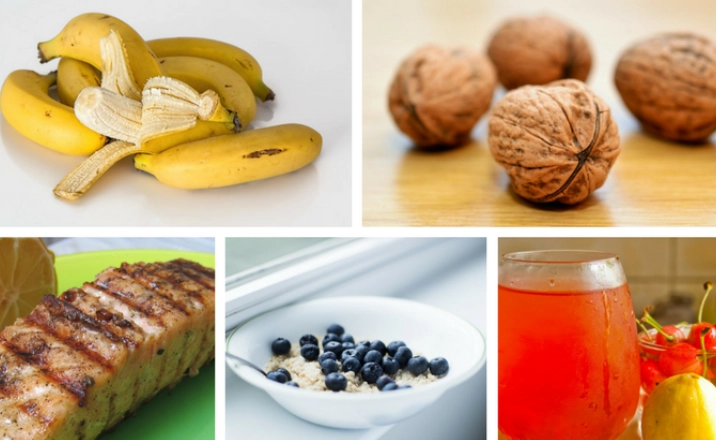
It's also about timing and blood sugar. A massive, greasy meal right before bed forces your digestive system to work overtime, which can disrupt sleep. On the flip side, going to bed hungry can cause a drop in blood sugar that might wake you up. The goal is gentle, sustained nourishment.
The Top Contenders: Your Go-To List of Sleep Friendly Foods
Alright, let's get to the good stuff. What should you actually reach for? Here’s a breakdown of the all-stars in the world of sleep friendly foods, organized by the key nutrients they bring to the table.
| Food | Key Sleep-Promoting Component | How It Helps & Serving Idea |
|---|---|---|
| Almonds & Walnuts | Melatonin, Magnesium | These nuts are like little sleep pills from nature. Almonds and walnuts actually contain small amounts of melatonin itself, plus magnesium which helps relax muscles and calm the nervous system. A small handful (about 1 oz) is perfect. |
| Fatty Fish (Salmon, Tuna) | Vitamin D, Omega-3 Fatty Acids | This one surprised me. Studies, like those highlighted by the National Sleep Foundation, suggest the combo of vitamin D and omega-3s may boost serotonin production. Having salmon for dinner a few times a week is a great strategy. |
| Kiwi | Antioxidants, Serotonin, Folate | This fuzzy little fruit is a sleep powerhouse. Research has shown that eating two kiwis about an hour before bed can significantly improve sleep onset and duration. Probably due to its high antioxidant content and serotonin. |
| Tart Cherry Juice | Melatonin, Plant Compounds | One of the most researched sleep friendly foods (or drinks). Tart cherries are one of the few natural food sources of melatonin. A small glass (4-6 oz) of unsweetened tart cherry juice in the evening has shown promise in studies. |
| Chamomile Tea | Apigenin (an antioxidant) | This isn't just an old wives' tale. Chamomile contains apigenin, which binds to certain receptors in your brain that may promote sleepiness and reduce anxiety. It's also a great ritual. I swear by a mug about 30 minutes before bed—it signals to my body that work is done. |
| Oats | Complex Carbs, Melatonin | A warm bowl of oatmeal isn't just for breakfast. The complex carbs help shuttle tryptophan to the brain. Plus, oats naturally contain melatonin. A small bowl with a sprinkle of nuts or a dollop of Greek yogurt makes a fantastic bedtime snack. |
| Greek Yogurt | Tryptophan, Calcium | Dairy gets a mixed reputation, but plain Greek yogurt is a winner. It's packed with tryptophan, and the calcium helps the brain use tryptophan to make melatonin. Avoid the sugary kinds, though. The sugar rush will backfire. |
| Bananas | Potassium, Magnesium, Tryptophan | Nature's packaged sleep aid. They offer muscle-relaxing potassium and magnesium, plus a bit of tryptophan. The natural sugars are balanced by fiber, preventing a spike. Half a banana with some almond butter is a classic for a reason. |
How These Nutrients Actually Work in Your Body
You see terms like "tryptophan" and "magnesium" thrown around a lot. But what are they actually doing? Let's get a bit more specific.
Tryptophan is an essential amino acid (meaning your body can't make it, you have to eat it). It's the raw material your brain uses to first make serotonin, and then, as darkness falls, convert that serotonin into melatonin. But here's the catch: tryptophan has to compete with other amino acids to cross the blood-brain barrier. This is where carbohydrates come in. Carbs trigger insulin release, which clears those competing amino acids from the bloodstream, giving tryptophan a clear path to the brain. That's why pairings like turkey (tryptophan) and whole-grain bread (carbs) or banana (tryptophan) and oats (carbs) are so effective.
Magnesium and potassium are electrolytes that act as natural muscle relaxants. Ever get those annoying leg cramps at night? Or just feel generally tense? Low levels of these minerals can contribute to that. They help deactivate adrenaline and relax your nervous system.
And then there's the direct route: foods that contain melatonin itself, like tart cherries, nuts, and oats. It's a small amount compared to a supplement, but consuming it in a whole food form alongside other nutrients seems to have a gentle, synergistic effect.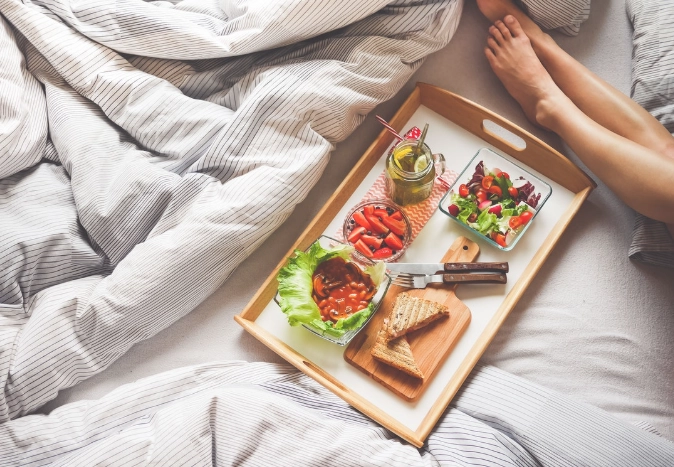
The Other Side of the Coin: Foods That Can Steal Your Sleep
It's just as important to know what to limit or avoid, especially in the hours leading up to bedtime. Calling these "sleep enemy foods" might be dramatic, but they're certainly not your allies when you're chasing rest.
Heavy, Fatty, or Spicy Foods: A big cheeseburger or fiery curry for dinner is asking for trouble. Your body will be busy digesting when it should be winding down. This can lead to discomfort, acid reflux (which is often worse when lying down), and generally restless sleep. Heartburn is a terrible bedfellow.
Alcohol: This is the big trickster. Sure, a nightcap might make you feel drowsy and help you fall asleep faster. But it absolutely wrecks the quality of your sleep. Alcohol suppresses REM sleep (the deeply restorative, dream-rich stage) and can cause multiple awakenings later in the night as your body metabolizes it. You might "sleep" for 8 hours but wake up feeling unrefreshed.
High-Sugar Foods: That bowl of sugary cereal or cookie right before bed will cause a rapid spike in blood sugar, followed by a crash. This rollercoaster can disrupt your sleep cycle and potentially wake you up. It can also be stimulating for some people.
Excessive Fluids: Drinking a huge glass of water right before bed has one predictable outcome: multiple trips to the bathroom. Stay hydrated throughout the day and taper off your liquids an hour or so before bedtime.
Building Your Perfect Sleep-Friendly Evening Routine
Knowing the foods is one thing. Putting them into practice is another. It's not about one magic food, but about a pattern. Here’s what a smart, sleep-supportive evening might look like from a dietary perspective.
Dinner (3-4 hours before bed):
Focus on a balanced plate. Include a lean protein (like fish, chicken, or lentils), a good portion of complex carbohydrates (sweet potato, quinoa, brown rice), and plenty of non-starchy vegetables. This combo provides sustained energy release and the nutrients needed for overnight repair without overburdening your digestion. A dinner of grilled salmon, quinoa, and steamed broccoli is a classic example of a meal full of sleep friendly foods.
The Bedtime Snack (45-60 minutes before bed):
This is optional, but if you're hungry, it's crucial to choose wisely. The goal is a small, balanced snack of about 150-200 calories that combines a complex carb with a little protein or healthy fat. This stabilizes blood sugar through the night. Here are a few foolproof ideas:
- A small banana with a tablespoon of almond butter.
- Half a cup of plain Greek yogurt with a few berries.
- A small bowl of unsweetened oatmeal with a sprinkle of cinnamon.
- A few whole-grain crackers with a slice of turkey or a small slice of cheese.
- A handful of walnuts and a couple of dried tart cherries.
Eating your main meal too close to bedtime is one of the most common mistakes. Give your body time to do the bulk of its digestive work before you try to sleep. The small snack closer to bed is just a gentle nudge.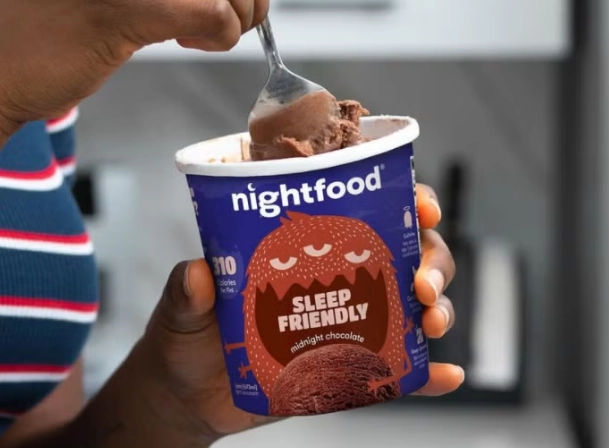
Answering Your Questions on Sleep Friendly Foods
- Tryptophan sources: Pumpkin seeds, sesame seeds, soy products (tofu, tempeh), lentils, and oats.
- Magnesium sources: Spinach, Swiss chard, almonds, cashews, black beans, avocados.
- Complex carbs: Oats, sweet potatoes, quinoa, whole-grain bread.
The Bigger Picture: Sleep Friendly Foods in Context
Let's be real. Eating a banana before bed isn't going to cancel out chronic stress, a crazy work schedule, or a bedroom that's too bright and warm. Sleep friendly foods are one piece of the puzzle—a very important, often overlooked piece—but still just a piece.
They work best when combined with other good sleep hygiene practices:
- A consistent sleep schedule (even on weekends).
- A dark, cool, and quiet bedroom.
- Managing stress through techniques like meditation or gentle stretching.
- Getting regular daylight exposure, especially in the morning.
- Limiting screen time before bed (the blue light suppresses melatonin).
It's also about listening to your own body. Food sensitivities are individual. Some people find dairy soothing, others find it causes congestion that disrupts breathing at night. Some do great with a light snack, others need to stop eating 4 hours before bed. Use the general guidelines, then tweak based on how you feel. Keep a simple log for a week: what you ate and when, and how you slept. The patterns can be revealing.
Exploring the world of sleep friendly foods has been a game-changer for me. It shifted my perspective from passively hoping for sleep to actively supporting it. It's a form of self-care that pays off every single morning. You're not just eating for energy during the day; you're eating for recovery and restoration at night.
Start small. Maybe swap your late-night ice cream for a bowl of yogurt and cherries. Or try a cup of chamomile tea instead of that second glass of wine. Pay attention. Your body will tell you what works. Sweet dreams.
Reader Comments