Quick Navigation
- Why Can't You Sleep? Let's Diagnose the Midnight Madness
- The Foundation: Mastering Sleep Hygiene (It's Not Just Fluff)
- Beyond the Basics: Powerful Techniques for a Quiet Mind
- The Heavy Hitter: Cognitive Behavioral Therapy for Insomnia (CBT-I)
- Navigating the Supplement and Medication Maze
- Your Action Plan: Putting It All Together
- Frequently Asked Questions (The Real Stuff People Ask)
Let's be honest. You're probably reading this at 2:47 AM, screen light blasting your tired eyes, desperately searching for an answer. The ceiling has been your best friend for hours. Your mind is running a marathon of tomorrow's to-do list, that awkward thing you said in 2012, and whether you left the stove on. You just want to know, in plain English, how do you cure sleepless nights for good?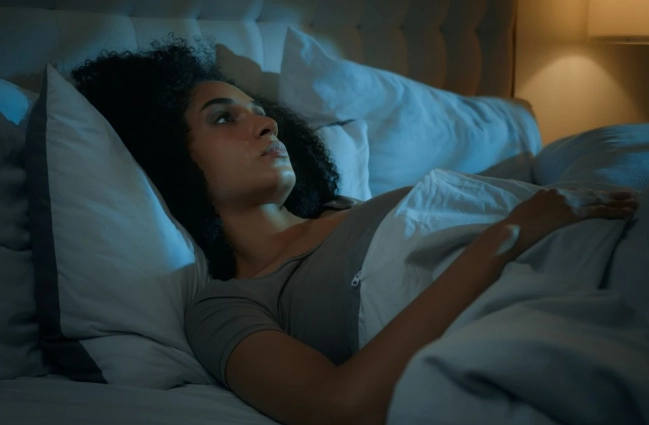
I've been there. More times than I care to admit. The frustration is real, and the advice out there can be overwhelming. Drink chamomile tea. Count sheep. Meditate. Sometimes it works, sometimes it feels like a cruel joke. So I waded through the scientific studies, talked to experts, and experimented on my own hopelessly awake self to separate the hype from the help.
This isn't about quick fixes that fail by Thursday. It's about building a sustainable sleep foundation. We'll dig into the why behind the wakefulness, then tackle the how with strategies that range from "do this tonight" to "this will change your sleep life in a few weeks." If you're serious about figuring out how to cure sleepless nights, you're in the right place.
The Core Idea: Curing sleeplessness is rarely about one magic trick. It's a system. It's about your habits, your environment, and crucially, your relationship with your own bed. We often fight sleep instead of inviting it.
Why Can't You Sleep? Let's Diagnose the Midnight Madness
Before we jump to solutions, we have to play detective. You can't fix what you don't understand. The question of how do you cure sleepless nights starts with identifying the culprit. It's usually not one thing, but a messy cocktail of a few.
The Usual Suspects: What's Keeping You Up?
Think of these as the root causes. They simmer under the surface and make your brain resistant to shutdown.
- The Racing Mind (Anxiety & Stress): This is the heavyweight champion. Your brain's "threat detector" (the amygdala) is stuck in the 'on' position. Work stress, money worries, relationship drama—it all feels magnified in the dark quiet. Your body is flooded with cortisol (the alert hormone) when it should be producing melatonin (the sleep hormone).
- Poor Sleep Hygiene (You're Doing Bed Wrong): This is a fancy term for your pre-sleep routine and environment. Scrolling in bed, watching thrilling shows until you hit the pillow, having a room that's too warm or bright—these all train your brain that bed is for everything except sleep.
- Lifestyle & Diet Sabotage: That late-afternoon coffee? It has a half-life of 5-6 hours. The nightcap? Alcohol might knock you out initially, but it wrecks your sleep architecture later in the night, leading to fragmented, unrefreshing sleep. Even eating a heavy meal too late can keep your digestive system (and you) awake.
- Underlying Medical or Psychological Conditions: Sometimes, insomnia is a symptom. Conditions like sleep apnea (where you stop breathing briefly), restless legs syndrome, chronic pain, acid reflux, depression, and anxiety disorders are major sleep disrupters. This is where seeing a doctor is non-negotiable.
- The Vicious Cycle of "Sleep Effort": This is a sneaky one. The more you try to sleep, the more elusive it becomes. You watch the clock, calculate how few hours you have left, and the pressure to sleep creates performance anxiety. Your bed becomes a battleground, not a sanctuary.
So, where do you start when the causes are so tangled? You start with what you can control. You build a fortress of good habits to weaken the enemy.
The Foundation: Mastering Sleep Hygiene (It's Not Just Fluff)
When people ask me how do you cure sleepless nights, the first place I send them is here. Sleep hygiene is the bedrock. Ignore it, and the fancier techniques will crumble. It's about creating the perfect conditions for sleep to happen naturally.
Optimize Your Sleep Cave: The Environment Checklist
Your bedroom should scream SLEEP. Here’s what that looks like in practice.
| Element | Ideal State | Why It Matters | Quick Fix |
|---|---|---|---|
| Darkness | Pitch black. Can't see your hand. | Light suppresses melatonin. Even small LEDs from chargers can interfere. | Blackout curtains. A comfortable sleep mask (I resisted for years, now I'm a convert). |
| Temperature | Cool, around 65°F (18.3°C). | Your core body temp needs to drop to initiate sleep. A hot room prevents this. | Lower the thermostat. Use a fan. Choose breathable bedding (cotton, linen). |
| Quiet | As silent as possible. | Unexpected noises trigger micro-arousals, fragmenting sleep. | Earplugs. A white noise machine or app (rain, fan sounds). I use one every night. |
| Bed & Bedding | Comfortable, supportive, and clean. | Discomfort is a direct path to wakefulness. Allergies can also disrupt sleep. | If your mattress is older than 7-10 years, consider a replacement. Wash sheets weekly. |
The Wind-Down Ritual: Teaching Your Brain to Shift Gears
You can't go from 100 mph to 0. Your brain needs a ramp. A consistent 60-minute wind-down routine signals the shift from "day mode" to "sleep mode."
The Digital Sunset: This is the single most effective change for most people. Blue light from screens tricks your brain into thinking it's daytime. Aim to power down phones, tablets, laptops, and TVs at least 60 minutes before bed. I know, it sounds impossible. Start with 30 minutes. Read a physical book (nothing too thrilling), listen to a calm podcast or music, do some light stretching.
The Relaxation Buffer: What fills that hour? Calm activities. A warm bath or shower (the rise and then fall in body temperature promotes drowsiness). Gentle yoga or stretching. Journaling to dump your worries from brain to page. Listening to an audiobook or calming music. The key is consistency—doing a similar sequence most nights.
My Big Mistake: I used to watch intense political debates or play competitive video games right up until bedtime. My mind was buzzing with arguments and adrenaline. It was a guaranteed recipe for a sleepless night. Swapping that for reading a boring history book (no offense to historians) made a world of difference.
Beyond the Basics: Powerful Techniques for a Quiet Mind
Okay, your room is dark and cool, and you've put the phone away. But your mind is still hosting the Anxiety Olympics. This is where active relaxation techniques come in. They answer the deeper part of how do you cure sleepless nights—the mental part.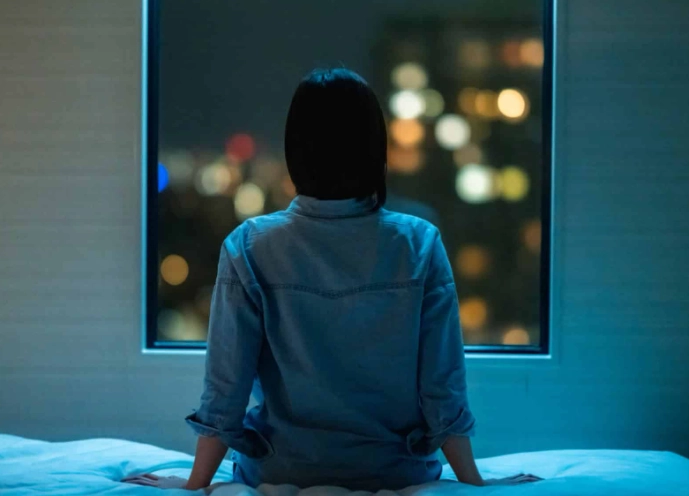
Breathing Your Way to Sleep
Controlled breathing is a direct line to your nervous system. It tells your body's fight-or-flight response to stand down.
- The 4-7-8 Method (Dr. Andrew Weil): Inhale quietly through your nose for 4 seconds. Hold your breath for 7 seconds. Exhale completely through your mouth, making a whoosh sound, for 8 seconds. Repeat 3-4 times. This is incredibly potent for calming a racing heart and mind.
- Box Breathing (4-4-4-4): Inhale for 4, hold for 4, exhale for 4, hold for 4. Simple, rhythmic, and effective for focusing a scattered mind.
Don't just do this when you're in bed panicking. Practice during the day when you're calm. It's a skill that gets better with repetition.
Progressive Muscle Relaxation (PMR)
This technique involves systematically tensing and then relaxing different muscle groups. You start with your toes, tense them for 5 seconds, then release and notice the feeling of relaxation for 30 seconds. Work your way up through calves, thighs, abdomen, hands, arms, shoulders, neck, and face.
Why it works: It makes you aware of physical tension you didn't even know you were holding (hello, clenched jaw). The contrast between tension and deep relaxation is profound. It also forces your mind to focus on bodily sensations, pulling it away from anxious thoughts. You can find guided PMR sessions for free on YouTube or apps like Insight Timer.
The Cognitive Shift: What to Do When You're Stuck in Bed Awake
This is the golden rule, backed by sleep specialists worldwide: If you can't fall asleep after 20 minutes, get out of bed.
I know you're tired. The last thing you want to do is get up. But staying in bed while frustrated teaches your brain that bed is a place of frustration and wakefulness. You're strengthening the wrong association.
The 20-Minute Rule in Action: Get up. Go to another room (keep the lights dim). Do something mindlessly boring. Read a dull manual. Fold laundry. Listen to a slow, instrumental piece of music. No screens, no food, no stimulating conversations. The goal is not to become sleepy; the goal is to stop trying to sleep. When you feel drowsy, then return to bed. Repeat as necessary. This breaks the anxiety cycle.
The Heavy Hitter: Cognitive Behavioral Therapy for Insomnia (CBT-I)
If the strategies above aren't enough, you need to know about CBT-I. It's considered the gold-standard, first-line treatment for chronic insomnia by organizations like the American Academy of Sleep Medicine. It's not just talk therapy; it's a structured program that targets the thoughts and behaviors ruining your sleep.
CBT-I often includes:
- Sleep Restriction: Temporarily limiting your time in bed to match your actual sleep time. This builds sleep pressure and consolidates sleep, making it more efficient. It sounds counterintuitive, but it's highly effective. (This should be done with a guide or therapist).
- Stimulus Control: The formal version of the "20-minute rule" we discussed. It strictly reinforces the bed-sleep connection.
- Cognitive Restructuring: Identifying and challenging unhelpful beliefs about sleep (e.g., "I MUST get 8 hours or I'll be a wreck," "If I don't sleep tonight, my whole life will fall apart").
You can find CBT-I programs with trained therapists, and there are also reputable digital programs and apps based on its principles. The National Institute of Mental Health recognizes it as a key intervention. If you've tried everything and still wonder how do you cure sleepless nights that feel permanent, CBT-I is your next step.
Navigating the Supplement and Medication Maze
This is the part everyone wants a simple answer for, but it's the trickiest. Let's be clear: supplements and medications are tools, not cures. They can help in the short term or as part of a broader plan, but they don't teach you how to cure sleepless nights long-term on your own.
Natural Supplements (The Research-Backed Ones)
- Melatonin: It's a hormone, not a sedative. It's best for regulating your sleep-wake cycle (like with jet lag or shift work). The key is timing and dose. A small dose (0.5mg to 3mg) taken 1-2 hours before bed is often more effective than a huge dose right at bedtime. More is not better.
- Magnesium Glycinate/Bisglycinate: Magnesium plays a role in muscle relaxation and nervous system regulation. The glycinate form is well-tolerated and less likely to cause digestive issues than others. Some people find it takes the "edge" off their physical tension.
- L-Theanine: An amino acid found in green tea. It promotes relaxation without drowsiness. Can be good for calming an anxious mind before bed.
Important: Always talk to your doctor before starting any supplement, especially if you take other medications. Quality varies wildly between brands.
Prescription Sleep Aids
Medications like zolpidem (Ambien), eszopiclone (Lunesta), or others have their place—usually for short-term, situational insomnia. They are not designed for long-term nightly use due to risks of dependence, tolerance (needing more for the same effect), and side effects like sleepwalking or next-day grogginess.
The goal with any medication should be to use it as a short-term assist while you build the non-drug skills to sleep well. This is a conversation for you and your doctor, full stop. The U.S. Food and Drug Administration (FDA) has strong warnings on many sleep medications about complex sleep behaviors.
Your Action Plan: Putting It All Together
Feeling overloaded? Don't try to do everything at once. That's a surefire way to give up. Pick ONE area to focus on this week.
Week 1: Implement the Digital Sunset. Commit to 30 minutes of no screens before bed. Fill that time with a book or calming music.
Week 2: Optimize your sleep environment. Get those blackout curtains or a sleep mask. Dial down the thermostat.
Week 3: Practice the 4-7-8 breathing technique for 5 minutes when you get into bed.
Week 4: Enforce the 20-minute rule. Be brave and get out of bed if you're stuck.
Track your progress loosely. Not with obsessive sleep apps that cause more anxiety, but just note in a journal: "Fell asleep a bit easier," "Woke up only once." Celebrate small wins.
Frequently Asked Questions (The Real Stuff People Ask)
This is the most important point. If your sleeplessness is severe, chronic (lasting over 3 months), and significantly impacts your daytime life, please see a doctor. Rule out sleep apnea, thyroid issues, or other medical conditions. Ask for a referral to a sleep specialist or a therapist trained in CBT-I. You are not a failure; you may need professional guidance, and that's okay.
If you have insomnia, napping is often pouring gasoline on the fire. It reduces your "sleep drive" at night. If you must nap, keep it early (before 3 PM) and short (20-30 minutes, a "power nap"). Long or late naps are a common culprit behind sleepless nights.
Yes, tremendously. Regular exercise is one of the best promoters of deep sleep. However, timing matters. Vigorous exercise too close to bedtime can be stimulating for some people. Try to finish intense workouts at least 2-3 hours before bed. Gentle evening walks or stretching are fine.
They have solid anecdotal support and some emerging research for reducing anxiety and improving sleep quality. The deep pressure touch can be calming. They're not a magic bullet, but many people (myself included) find them helpful. They can be hot, so choose a breathable one.
Behavioral changes can show improvements in 1-2 weeks. But rewiring a lifetime of poor sleep habits and anxiety takes consistent practice over 4-8 weeks. Be patient and kind to yourself. There will be good nights and bad nights. Focus on the trend, not a single night.
Figuring out how do you cure sleepless nights is a journey, not a destination. It's about building a toolkit and a mindset that supports rest. Start small, be consistent, and remember that the goal isn't perfection—it's better, more restful sleep, most of the time. Your bed is waiting to become your friend again.
Reader Comments