You're finally in bed. The day is done. You close your eyes, and just as the first waves of sleep start to pull you under... BAM. Your heart jackhammers against your ribs. Your mind snaps awake, flooded with irrational dread or a replay of every minor embarrassment from 2012. This isn't just "having trouble sleeping." It's a visceral, physical surge of panic right at the sleep gate. If this sounds familiar, you're not going crazy. You're experiencing a specific, and surprisingly common, sleep-anxiety crossover event.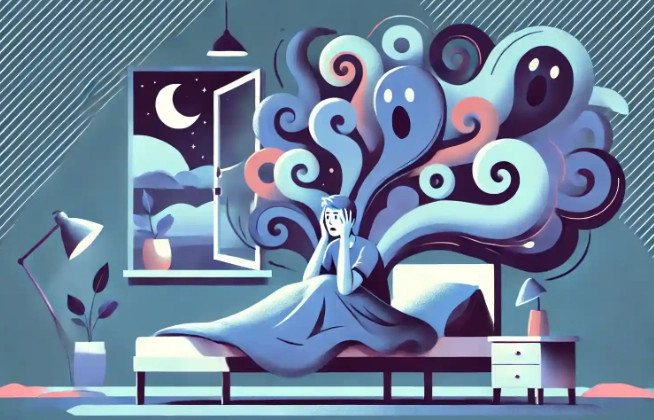
I've worked with clients on sleep issues for years, and this particular problem—the bedtime anxiety rush—is one of the most distressing. It tricks you into fearing sleep itself. The good news? It's also one of the most addressable once you understand the mechanics. This isn't about generic "sleep tips." We're going to dissect the why and build a practical, step-by-step defense against it.
What’s Inside: Your Roadmap to a Calmer Bedtime
What Is Actually Happening in Your Body and Brain?
Let's clear up a huge misconception. This isn't just a "thought" problem. It's a physiological misfire. As you transition from wakefulness to sleep (the hypnagogic state), your conscious control dials down. For some people, this loss of control acts like a tripwire for a hyper-vigilant nervous system.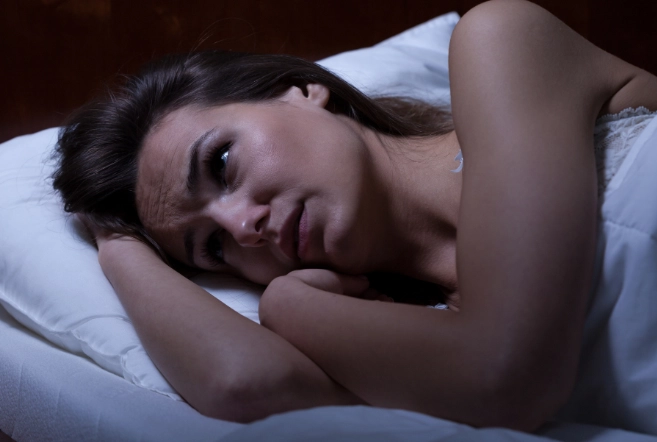
Think of your autonomic nervous system as a seesaw. On one side is the sympathetic system (fight-or-flight). On the other is the parasympathetic system (rest-and-digest). To fall asleep, you need the parasympathetic side to be heavier. In people prone to nighttime anxiety, the sympathetic side is essentially on a hair-trigger. The moment consciousness blurs, it slams down, flooding you with adrenaline and cortisol as if there's a threat.
This creates a vicious cycle. You start to associate bedtime with panic. The anxiety of anticipating the anxiety then fuels the next episode. It's exhausting.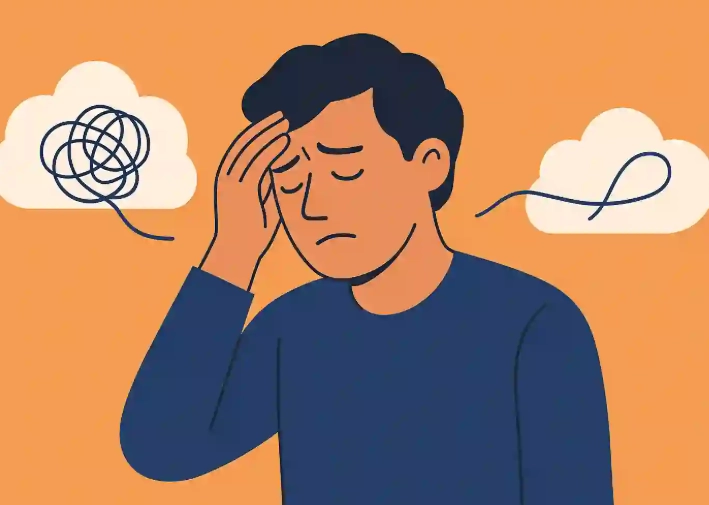
The 4 Most Common Triggers (Beyond "Stress")
Everyone says "it's stress," but that's too vague. Let's get specific. From my observation, these are the real catalysts that set the stage for that bedtime rush.
1. The "Moment of Silence" Trigger
All day, you're distracted—work, noise, screens, conversations. Bedtime is often the first true quiet moment you've had in 16 hours. Suddenly, with no external noise, your internal noise (worries, regrets, to-do lists) becomes deafening. The silence isn't peaceful; it's a vacuum filled with mental chatter that can quickly spiral into panic.
2. The Physical Sensation Trigger
This is a big one most people miss. As you relax, you might become hyper-aware of normal bodily sensations: your heartbeat, a slight twitch, the feeling of your body sinking into the mattress. A brain primed for anxiety can catastrophize these. "My heart feels funny. Am I having a heart attack?" This thought alone can trigger a full-blown adrenaline rush.
3. The Hypnic Jerk + Anxiety Loop
Hypnic jerks (those sudden muscle spasms as you fall asleep) are normal. But if one occurs just as an anxious thought flits through your mind, the brain can link them. The jerk feels like the physical start of a panic attack. Next time, you're tense waiting for a jerk, which makes you more anxious, which makes you more likely to jerk... you see the loop.
4. Late-Day Stimulant & Blood Sugar Swings
That 4 PM coffee or sugary snack has a longer tail than you think. Furthermore, a drop in blood sugar overnight can trigger a release of cortisol (a stress hormone) to mobilize glucose. This cortisol spike can wake you up or prevent sleep onset, feeling unsettlingly like anxiety.
Your Immediate Response Plan for a Panic Surge
When the wave hits, you need tools that work right now. Forget "just breathe deeply." In full panic, that's hard. Try these in sequence.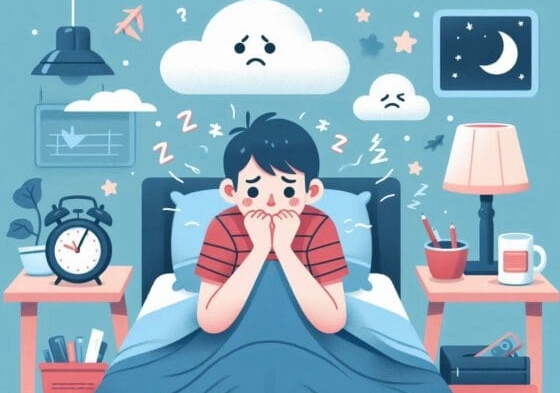
Step 1: Anchor to the Physical (The 5-4-3-2-1 Hack). Don't fight the thoughts. Bypass them. Name, out loud if possible:
- 5 things you can SEE (the pattern on the curtain, the door handle, a book spine).
- 4 things you can FEEL (the cotton sheets, your own breath on your upper lip, the weight of the blanket, the pillow under your head).
- 3 things you can HEAR (the hum of the fridge, distant traffic, your own swallow).
- 2 things you can SMELL (the laundry detergent on your pillow, the faint scent of your hand lotion).
- 1 thing you can TASTE (the mint from your toothpaste, take a sip of water).
This forces your brain to engage its sensory cortex, pulling resources away from the amygdala's panic center.
Step 2: Temperature Intervention. Anxiety raises your core temperature. Cool down to signal safety. Splash cold water on your face and wrists. Hold a cool cloth to the back of your neck. The mammalian dive reflex can help slow your heart rate.
Step 3: Progressive Muscle Contraction (Not Relaxation). When you're trembling with adrenaline, trying to relax is frustrating. Instead, tense. Clench every muscle in your body—toes, legs, fists, face—as hard as you can for a count of 7. Then release completely for a count of 10. Repeat 2-3 times. This uses up some of the nervous energy and the subsequent release often feels more genuine.
Long-Term Solutions: Rewiring the Bedtime Association
Stopping the attacks in the moment is crucial, but breaking the cycle long-term requires changing your brain's association with bedtime. This isn't a quick fix, but a retraining.
Build a "Pre-Sleep Buffer Zone"
The hour before bed must be a no-stimulus, low-demand zone. I tell clients to think of it as "putting the day to bed." This isn't just about screen time. It's about cognitive load.
- Do a "Brain Dump": 30 minutes before bed, write down every thought, worry, or to-do item on paper. The act of writing tells your brain, "It's noted. We'll handle this tomorrow." Research from the journal Experimental Psychology supports that expressive writing about worries can improve sleep.
- Engage in Monotonous, Low-Stakes Activity: Fold laundry, do a simple puzzle, knit, doodle. The goal is boredom. Boredom is the gateway to sleep for an anxious mind.
- Listen to Audio, Don't Watch: A familiar, calm audiobook or podcast (one you know well) gives your brain something to focus on other than its own thoughts, without the stimulating light of a screen.
Master Diaphragmatic Breathing (When You're Not Panicked)
Practice during the day, sitting up. Place a hand on your belly. Inhale slowly for 4 counts, feeling your belly rise. Pause. Exhale slowly for 6 counts, feeling your belly fall. Aim for 5 minutes. This trains your parasympathetic nervous system to engage on command. At night, this practiced skill becomes more accessible.
Reframe the Sensations
When you feel your heart beat strongly in the quiet, instead of thinking "panic," try to narrate it neutrally: "My heart is beating. That's its job. It's moving blood. The rhythm is actually kind of steady." Detach the sensation from the catastrophic story. This is a core technique from Cognitive Behavioral Therapy for Insomnia (CBT-I), which is considered the gold standard non-drug treatment for chronic sleep issues, as noted by organizations like the American Academy of Sleep Medicine.
When Is It More Than Just Anxiety?
Sometimes, a rush of anxiety upon falling asleep can be linked to other sleep disorders. It's worth talking to a doctor or a sleep specialist if:
- The panic is accompanied by a sensation of choking, being unable to breathe, or paralysis as you fall asleep/wake up (this could point to sleep paralysis).
- You have extremely vivid, frightening hallucinations right at sleep onset.
- You kick or jerk your limbs violently and frequently.
- The anxiety is part of a larger pattern of persistent low mood, loss of interest, or changes in appetite.
A professional can rule out conditions like sleep apnea, which fragments sleep and strains the nervous system, or periodic limb movement disorder. They might recommend a sleep study or refer you to a therapist specializing in CBT-I.
Questions You're Too Tired to Ask (Answered)
Why does my anxiety get worse when I'm physically tired?
Exhaustion depletes the prefrontal cortex—the brain's CEO that regulates emotions and worries. When it's offline from lack of sleep, the amygdala (the fear center) has less oversight and runs amok. So fatigue doesn't just make you sleepy; it literally makes you less capable of managing anxiety, creating a perfect storm at bedtime.
Can certain foods in the evening prevent this nighttime panic?
It's less about specific "magic" foods and more about avoiding the wrong ones. A heavy, greasy meal right before bed demands digestive work, which can disrupt relaxation. More subtly, high-glycemic snacks (cookies, chips) can cause a blood sugar spike and crash later in the night, potentially triggering a cortisol wake-up. A small, balanced snack with protein and complex carbs (like an apple with a spoonful of almond butter) about 60-90 minutes before bed can stabilize blood sugar through the night.
I've tried everything and still get the rush. Is my sleep permanently broken?
No. But this is where the subtle mistake happens: focusing solely on falling asleep. Shift your goal. Make your goal simply resting peacefully in bed. Give yourself permission to just lie there with no pressure to sleep. Listen to a boring audiobook in the dark. Often, removing the performance anxiety of "I must sleep NOW" reduces the panic trigger itself. The sleep will usually come on its own once the pressure is off. This is a fundamental principle of sleep restriction and stimulus control therapy within CBT-I.
Are weighted blankets actually helpful for this specific issue?
For many, yes, but not for the reason most think. The deep pressure touch can be calming for the nervous system. However, the real benefit might be more direct: it provides a constant, gentle physical sensation to focus on. When you start to spiral into internal thoughts, the noticeable weight on your body gives you an external, neutral sensation to anchor to, similar to the 5-4-3-2-1 technique. It's a tactile anchor. Try one (typically 10% of your body weight) for a few weeks to see if it helps.
The rush of anxiety when falling asleep is a brutal experience, but it's a pattern, not a life sentence. By understanding it as a physiological misfire, having a go-to response plan, and patiently retraining your bedtime habits, you can dismantle the cycle. Start tonight not with the goal of perfect sleep, but with the goal of a calmer transition. The sleep will follow.
Reader Comments