Your Snoring Solution Roadmap
- What's Actually Happening When You Snore?
- First Steps: The DIY Audit to Stop Snoring
- The Gadget Aisle: A Realistic Look at Devices to Stop Snoring
- When It's More Than Just Snoring: The Sleep Apnea Question
- Professional Interventions: When to Consider Surgery or Dental Work
- Your Action Plan: A Step-by-Step Approach to Stop Snoring
- Frequently Asked Questions (The Stuff You're Actually Searching)
Let's be honest, nobody sets out to become a snorer. It's not a hobby. You just go to sleep, and somewhere in the night, your throat decides to throw a rave party for your partner. The next morning, you're met with the classic eye-roll or a tired sigh. "You were sawing logs again." Sound familiar? If you're searching for ways to stop snoring, you're definitely not alone. It's a massive, sleep-deprived club. But here's the good news: for most people, it's a problem you can tackle. This isn't about quick-fix gimmicks you see on late-night TV. It's about understanding why you snore and then systematically trying solutions that have actual science and real-world success behind them.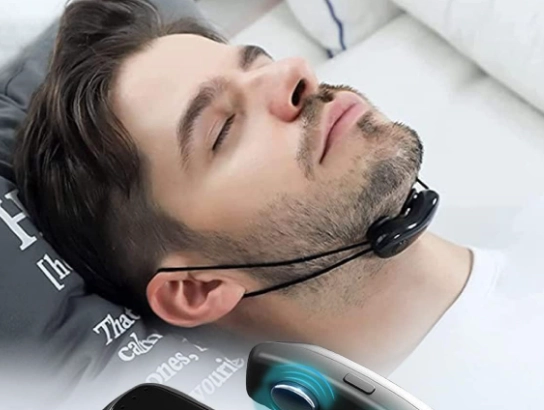
I've spent way too much time down this rabbit hole, partly because my own partner is a light sleeper (bless her), and partly because the sheer volume of advice out there is overwhelming and contradictory. One site says chin straps are magic, another says they're useless. It's enough to make you want to just sleep in the garage. So, I've tried to cut through the noise. We'll look at everything from the simple stuff you can try tonight, to the gadgets that might help, all the way to when it's time to have a serious chat with a doctor.
What's Actually Happening When You Snore?
Before we jump into how to stop snoring, it helps to know the enemy. Snoring is basically the sound of turbulent air. When you fall asleep, the muscles in your throat, tongue, and soft palate relax. If they relax too much, they can partially block your airway. As you breathe in and out, these floppy tissues vibrate against each other. That vibration is the snore. It can be a gentle purr or a window-rattling roar, depending on how narrow that airway gets.
Think of it like a loose hose. When water flows through a wide-open hose, it's silent. But if you kink the hose or step on it, the water has to force its way through a smaller opening, and it makes that fluttering, gurgling noise. Your airway is the hose, your breath is the water, and your relaxed throat tissues are creating the kink.
Key Takeaway: The primary goal of any method to stop snoring is to keep that airway open and stable throughout the night. Everything we discuss boils down to this one principle.
The Main Culprits Behind the Noise
Snoring doesn't have a single cause. It's usually a combo platter. Here are the usual suspects:
- Anatomy: A naturally narrow throat, a long soft palate, large tonsils, or a deviated septum can set the stage. You're born with this blueprint.
- Weight: Extra tissue around the neck can put external pressure on the airway, narrowing it from the outside. This is a huge factor for many people.
- Sleep Position: Back sleeping is the worst offender. Gravity pulls your tongue and soft palate straight back into your airway. Side sleeping is almost always better.
- Alcohol and Sedatives: These are muscle relaxants. They make the muscles in your throat relax more than they normally would during sleep, leading to worse obstruction and louder snoring.
- Nasal Congestion: If your nose is blocked from a cold, allergies, or a structural issue, you're forced to breathe through your mouth. Mouth breathing often leads to a dropped jaw and tongue, which—you guessed it—narrows the airway.
- Age: As we get older, throat muscles naturally lose some tone and can become floppier.
See what I mean? It's a mix. For one person, it might be 80% due to sleeping on their back after a beer. For another, it might be a lifelong issue with nasal structure. The trick is figuring out which factors are your personal triggers.
First Steps: The DIY Audit to Stop Snoring
Before you spend a dime on gadgets, do a quick self-check. This is the low-hanging fruit, and honestly, it works for a surprising number of folks.
Ask yourself these questions:
- Do I only snore when I'm on my back? (Ask your partner, or try a sleep recording app).
- Is my snoring much worse after I've had alcohol, even just a drink or two?
- Do I often wake up with a dry mouth or sore throat?
- Am I congested most nights due to allergies or dust?
- Have I put on weight recently, and did the snoring get worse around the same time?
If you answered yes to any of these, you have a clear starting point. Let's break down the fixes.
Lifestyle Tweaks That Actually Make a Difference
These aren't sexy solutions, but they are foundational. Ignore them, and you might be wasting money on gadgets that are fighting an uphill battle.
Weight Management: I know, I know. Everyone says it. But it's repeated because it's true. For many, losing even 10% of body weight can significantly reduce or even eliminate snoring. The fat around your neck isn't just on the outside; it's also inside, padding the walls of your throat. Less padding means a wider airway.
Sleep Position Training: The classic "tennis ball in the t-shirt" trick is clunky but effective. Sew a pocket into the back of an old t-shirt and put a tennis ball in it. When you roll onto your back, the discomfort will make you roll back to your side without fully waking you. There are also specialized pillows and wearable devices that vibrate when you roll onto your back. The goal is to make side-sleeping a habit. For some people, this single change is enough to stop snoring completely.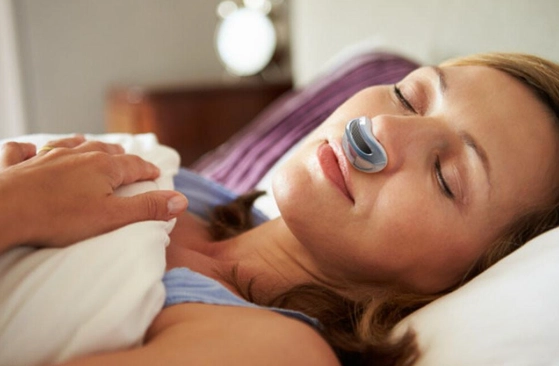
Watch the Evening Drink: Try cutting out alcohol for at least 3-4 hours before bed for two weeks. See if there's a difference. For a lot of people, this is the difference between symphony and silence. The same goes for heavy meals or certain sleep aids.
Clear Your Nose: If congestion is your issue, a consistent nasal hygiene routine can work wonders. Saline nasal sprays before bed, managing allergies with antihistamines (under a doctor's guidance), or using a nasal dilator strip can open those nasal passages and encourage nasal breathing. Breathing through your nose is almost always quieter than mouth breathing.
The Gadget Aisle: A Realistic Look at Devices to Stop Snoring
Okay, so you've tried the lifestyle stuff and you still sound like a motorbike. This is where the world of anti-snoring devices comes in. It's a wild west out there, full of promises. Let's sort them out based on where they work and where they often fall short.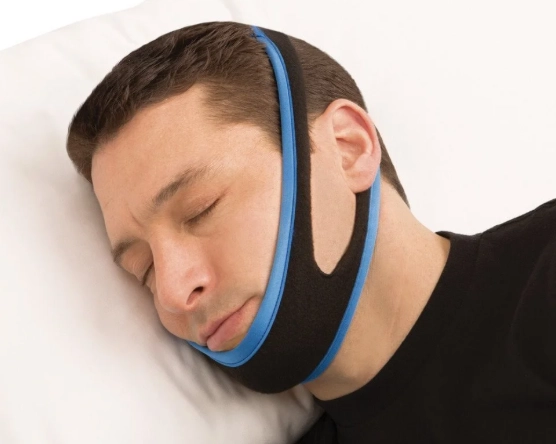
| Device Type | How It's Supposed to Work | Best For People Who... | Common Complaints / My Take |
|---|---|---|---|
| Mandibular Advancement Devices (MADs) | Fits over teeth like a sports mouthguard. Gently pulls the lower jaw (mandible) forward, which pulls the tongue forward and opens the airway. | Snore primarily with their mouth open. Have "tongue-based" snoring. Have mild sleep apnea. | Can cause jaw soreness or tooth movement initially. Cheap boil-and-bite versions are often uncomfortable. A dentist-fit custom device is gold standard but pricey. For the right person, these are incredibly effective. |
| Tongue Retaining Devices (TRDs) | Has a small bulb that holds the tip of your tongue by suction, pulling it forward and away from the airway. | People who can't use a MAD (e.g., no teeth, TMJ issues). Where the tongue is the clear culprit. | Feels very strange. Can cause excessive saliva. Takes serious getting used to. But for pure tongue-based snoring, it's a direct solution. |
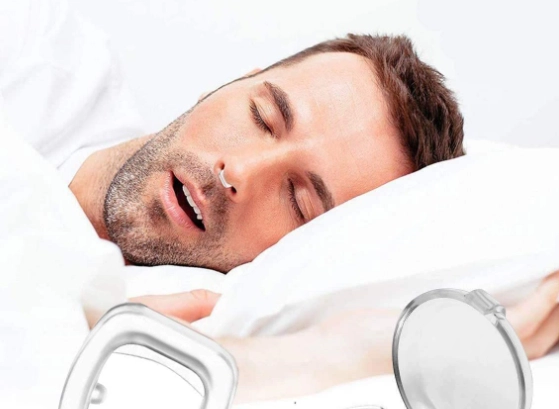
| Nasal Dilators & Strips | External strips or internal cones that physically hold the nostrils open, reducing nasal airflow resistance. | People with nasal congestion or narrow nasal valves. Who are primarily nose-breathers but need a little help. | Strips can fall off. Internal cones feel weird. They only help if the problem starts in your nose. If you're a mouth breather, these won't stop snoring by themselves. Cheap and worth a try. |
| Positional Therapy Wearables | Worn on the chest, neck, or head. Uses sensors to detect when you're on your back and delivers a gentle vibration to prompt you to turn. | Positional snorers who can't stay off their back with simple tricks. Tech enthusiasts. | Another thing to wear and charge. Can wake you up. Expensive for what it does. But if the tennis ball fails, this is a high-tech solution to the same problem. |
| Chin Straps | A strap that goes under the chin and over the head to hold the mouth closed. | Mouth-breathers who snore only when their mouth falls open. | Can be very uncomfortable, like having your jaw taped shut. If your nose is blocked, this can be dangerous and frightening. Only use if your nasal breathing is perfectly clear. Personally, I find them claustrophobic and rarely the best solution. |
My advice? If you're going to try an oral device, don't buy the absolute cheapest one on Amazon. Look for one with adjustable advancement so you can start gently. And give it time. Your jaw needs a week or two to adjust. If it causes significant pain, stop.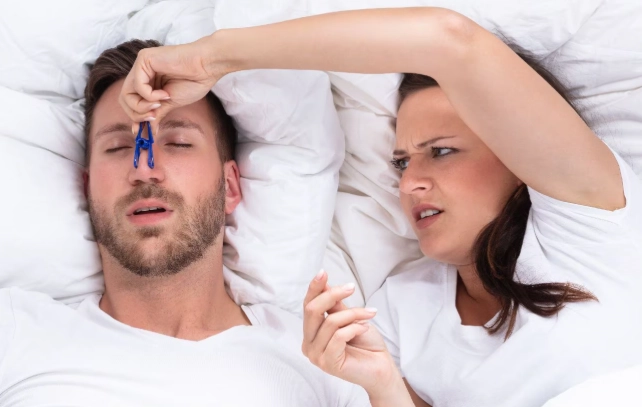
A Word of Caution on "Smart" Apps: There are tons of apps that claim to analyze your snoring and even emit sounds to make you shift position. The analysis can be interesting to show you patterns (like snoring more after alcohol), but the sound-emitting "cure" is dubious at best. At worst, it disturbs your sleep architecture. Use them as diagnostic tools, not cures.
When It's More Than Just Snoring: The Sleep Apnea Question
This is the most critical part of the entire discussion. Loud, persistent snoring is the primary symptom of Obstructive Sleep Apnea (OSA). OSA is when the airway doesn't just narrow, it completely collapses, stopping your breathing for 10 seconds or more, dozens or even hundreds of times a night.
Snoring is the sound of struggle; apnea is the sound of silence followed by a gasp or choke as your brain panics and forces you to wake up just enough to reopen the airway. You might not remember these micro-awakenings, but your body and brain do. It's brutally exhausting.
How do you know if it's just snoring or sleep apnea?
Ask yourself (and your partner) these questions:
- Do you ever stop breathing in your sleep, followed by a gasp or snort?
- Do you wake up feeling completely unrefreshed, no matter how long you slept?
- Do you have excessive daytime sleepiness, like falling asleep watching TV or in meetings?
- Do you wake up with morning headaches?
- Do you have difficulty concentrating or memory issues?
- Has your partner noticed you seem to choke or struggle for air at night?
If you suspect sleep apnea, you need to see a doctor. This isn't optional. A sleep study (which can often be done at home now) is the only way to diagnose it. The gold-standard treatment for moderate to severe OSA is a CPAP (Continuous Positive Airway Pressure) machine. It delivers a gentle stream of air through a mask, acting as a pneumatic splint to hold your airway open all night.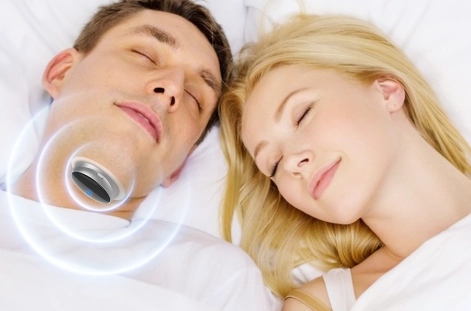
I know CPAP has a bad rap. The masks look intimidating. But modern machines are quiet, and masks are much more comfortable. For someone with true apnea, using a CPAP is life-changing. The energy comes back, the brain fog lifts, and yes, the snoring stops completely. The American Academy of Sleep Medicine provides excellent patient resources on understanding sleep apnea and its treatments (AASM).
Ignoring sleep apnea is serious. It's linked to high blood pressure, heart disease, stroke, and type 2 diabetes. So, if your quest to stop snoring uncovers these red flags, consider it a lucky discovery. You're not just fixing a noise problem; you're protecting your long-term health.
Professional Interventions: When to Consider Surgery or Dental Work
For some people, the anatomy is the primary issue, and no device or habit change will fully solve it. This is where medical professionals come in.
ENT (Ear, Nose, and Throat) Surgeon
An ENT can assess structural issues. Common procedures include:
- Septoplasty: Straightens a deviated septum to improve nasal airflow.
- Turbinate Reduction: Reduces swollen nasal turbinates (structures inside the nose) to open the airway.
- Uvulopalatopharyngoplasty (UPPP): The classic "snoring surgery." Removes excess tissue from the soft palate and throat. It's less common now due to pain and variable success rates. Newer, less invasive procedures like radiofrequency ablation or laser treatments aim to stiffen the soft palate with less downtime.
- Inspire Therapy: A surgically implanted device that works like a pacemaker for your tongue. It stimulates the nerve that controls tongue position during sleep, keeping the airway open. It's for specific cases of moderate-to-severe OSA where CPAP has failed.
Surgery should never be the first stop. It's for when other options have failed and a clear anatomical target is identified. Success is not guaranteed, and recovery can be rough. The National Institutes of Health's MedlinePlus is a trustworthy source for understanding these medical procedures (MedlinePlus).
Dental Sleep Specialist
These are dentists with extra training in sleep-disordered breathing. They are the experts for custom-fitted MADs. A good dental sleep specialist will work with your sleep doctor, take detailed impressions of your mouth, and titrate the device to find the perfect, comfortable jaw position that keeps your airway open. This is far superior to a one-size-fits-all online purchase.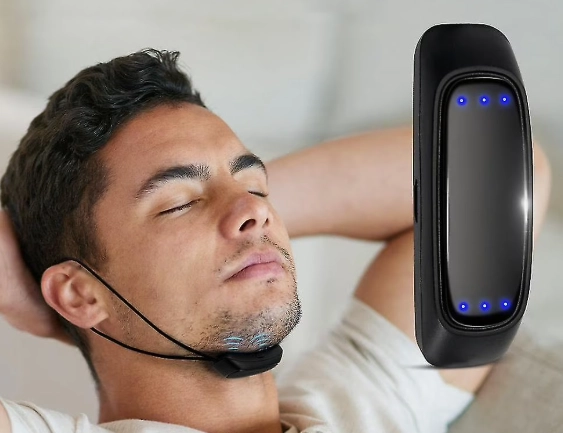
Your Action Plan: A Step-by-Step Approach to Stop Snoring
Feeling overwhelmed? Don't be. Here's a logical path you can follow. Think of it as a funnel—start broad and simple, get more targeted as needed.
- Phase 1: The 2-Week Self-Experiment. Commit to side-sleeping (use the tennis ball trick), avoid alcohol within 4 hours of bed, and use a nasal saline spray or strip if you're congested. Keep a simple log. Ask your partner for feedback. This costs almost nothing.
- Phase 2: Assess and Investigate. After two weeks, evaluate. Better? Great, keep it up. No change? Move on. Honestly ask yourself the sleep apnea screening questions. If any red flags pop up, schedule a doctor's appointment. This is non-negotiable.
- Phase 3: Try a Targeted Device. Based on your suspected cause, try an over-the-counter device. If you're a mouth-breather, try a budget-friendly, adjustable MAD. If it's nasal, try internal dilators. Give it a solid month to adjust and evaluate. Don't buy five gadgets at once.
- Phase 4: Seek Professional Guidance. If DIY and OTC devices fail, or if you have apnea symptoms, see a professional. Start with your primary care doctor. They may refer you to a sleep specialist or an ENT. Get a sleep study if recommended. Explore custom oral appliances or CPAP therapy with a specialist.
The journey to stop snoring is often a process of elimination. You're a detective on your own case.
Frequently Asked Questions (The Stuff You're Actually Searching)
Reader Comments