In This Guide
- What Exactly Is Sleep Deprivation? It's More Than Just Feeling Tired
- The Real Reasons You're Not Sleeping: Unpacking the Causes
- The Domino Effect: How Sleep Deprivation Wrecks Your Body and Mind
- Fixing It: Science-Backed Solutions That Actually Work
- Common Questions About Sleep Deprivation (Answered)
- Wrapping Up: Your Sleep Is Non-Negotiable
Let's be honest. You're probably reading this because you're tired. Not just "I need a coffee" tired, but that deep, soul-crushing fatigue that makes everything feel harder. You might have dragged yourself through the day, fueled by caffeine and willpower, wondering why you can't focus or why you're so irritable. What you're experiencing has a name: sleep deprivation.
And you're not alone. It's a modern epidemic, but we often treat it like a badge of honor. "I'll sleep when I'm dead," we joke, not realizing how close to the truth that might be.
I've been there. Pulling all-nighters in college, thinking I was productive. Years later, burning the midnight oil for work, convinced that sacrificing sleep was the price of success. My turning point was a period of chronic sleep deprivation that left me in a constant brain fog. I'd forget words mid-sentence, my reaction time was awful (I'm surprised I didn't crash my car), and my mood was perpetually sour. I realized I wasn't thriving; I was barely surviving.
So, I dug into the research. I talked to experts, read the studies, and experimented on myself (safely, of course). What I found was shocking. Sleep deprivation isn't just about feeling groggy. It's a full-system assault on your body and mind. This guide is everything I wish I'd known years ago.
What Exactly Is Sleep Deprivation? It's More Than Just Feeling Tired
We throw the term around, but let's get specific. Sleep deprivation is a condition that occurs when you don't get enough sleep, either in the short-term (acute) or over a long period (chronic). The CDC recommends 7 or more hours per night for adults. Consistently getting less than that? That's the textbook definition.
But here's the tricky part. You can be in bed for 7 hours and still be sleep deprived. How? Poor sleep quality. Waking up multiple times, spending little time in deep or REM sleep—your body isn't getting the restorative benefits it needs. It's like sitting at a banquet but only being allowed to smell the food.
A crucial distinction: Sleep deprivation is different from insomnia. Insomnia is a sleep disorder where you have trouble falling or staying asleep, even when you have the opportunity. Sleep deprivation is often the result—it's the state of deficiency caused by not sleeping enough, whether by choice (scrolling social media), circumstance (a new baby), or a disorder like insomnia.
Think of your sleep need like a bank account. Every night of good sleep is a deposit. Every night of short or poor sleep is a withdrawal. Chronic sleep deprivation means you're constantly in the red, accruing a massive sleep debt. And this debt has very high-interest rates.
The Real Reasons You're Not Sleeping: Unpacking the Causes
We blame busy schedules, and that's part of it. But the causes of sleep deprivation are a tangled web of lifestyle, environment, and biology.
The Lifestyle Culprits (The Usual Suspects)
This is where most of us get tripped up. It's the 24/7 culture.
- Work, Work, Work: Long commutes, demanding jobs, shift work (especially night shifts that fight your natural circadian rhythm). The pressure to be "always on" eats into sleep time.
- Screen Time, The Ultimate Sleep Thief: This is a big one. The blue light from phones, tablets, and laptops suppresses melatonin, the hormone that tells your brain it's time to sleep. And it's not just the light—the engaging, often stressful content (work emails, news, social drama) activates your brain when it should be winding down.
- Poor Sleep Hygiene: An erratic schedule, consuming caffeine too late (its half-life is about 5-6 hours!), using the bed for work or watching TV, having a bedroom that's too warm, bright, or noisy.
I used to be terrible with screens. I'd watch a thrilling show in bed, then wonder why my mind was racing when I turned off the light. It took a conscious effort to break that habit.
The Underlying and Medical Factors
Sometimes, it's not just about habits. These are often overlooked.
- Sleep Disorders: Conditions like sleep apnea (where breathing repeatedly stops and starts) severely fragment sleep, leaving you exhausted even after 8 hours in bed. Restless Legs Syndrome, narcolepsy—these are medical issues needing professional diagnosis.
- Mental Health: Anxiety and depression are deeply intertwined with sleep. Anxiety can make it impossible to quiet your mind. Depression can lead to sleeping too much or too little.
- Chronic Pain: Arthritis, back pain, headaches—discomfort makes it hard to fall and stay asleep.
- Medications: Some prescriptions for blood pressure, asthma, or depression can interfere with sleep as a side effect.
A friend of mine was constantly tired for years. He blamed his job. Finally, his partner mentioned his loud snoring and gasping at night. A sleep study diagnosed moderate sleep apnea. Getting a CPAP machine was life-changing for him. His chronic sleep deprivation vanished. It's a reminder that sometimes the cause is hidden.
So, what happens when these causes pile up and you're stuck in a cycle of sleep loss? The effects are far more profound than yawning.
The Domino Effect: How Sleep Deprivation Wrecks Your Body and Mind
This is the part that scared me straight. We think of sleep as passive, but it's when your body does its most critical maintenance work. Skip it, and systems start to fail.
Your Brain on No Sleep: Cognitive Carnage
This is the most immediate effect. Your brain is running on empty.
- Impaired Attention & Concentration: You become easily distracted. Finishing a report or following a conversation feels like climbing a mountain.
- Memory Glitches: Sleep is when memories are consolidated—transferred from short-term to long-term storage. Deprive yourself, and you'll struggle to learn new things and recall old ones. Ever walk into a room and forget why? Sleep deprivation might be to blame.
- Slowed Reaction Time: Studies show that being awake for 18 hours straight gives you a cognitive impairment similar to a blood alcohol content (BAC) of 0.05%. At 24 hours, it's like a BAC of 0.10% (over the legal limit in most places). You wouldn't drive drunk, but you might drive sleep-deprived.
- Poor Decision-Making & Risk-Taking: The prefrontal cortex, your brain's CEO for rational thought, gets impaired. You become more impulsive, more likely to make risky choices, and less able to judge situations accurately.
It's no wonder that major industrial disasters like Chernobyl and the Exxon Valdez oil spill have sleep deprivation cited as a contributing factor.
The Emotional Rollercoaster
You get snappy, irritable, emotionally volatile. Why? The amygdala, your brain's emotional center, goes into overdrive when you're tired, while the connections to the rational prefrontal cortex weaken. You're all gas pedal (raw emotion) and no brakes (rational control). This can strain relationships and make everyday frustrations feel overwhelming.
The Physical Health Toll: A Silent Attack
This is the long-term, scary stuff. Chronic sleep deprivation isn't just an inconvenience; it's a serious health risk.
| Body System | Effects of Chronic Sleep Deprivation | Why It Happens |
|---|---|---|
| Immune System | You get sick more often. Recovery takes longer. Research from the National Institutes of Health shows that poor sleep can reduce the effectiveness of vaccines. | Sleep is when your immune system releases protective proteins called cytokines. Less sleep means fewer cytokines. |
| Cardiovascular System | Increased risk of high blood pressure, heart disease, stroke, and heart attack. | Sleep helps regulate stress hormones and supports healing and repair of heart and blood vessels. Without it, inflammation and blood pressure rise. |
| Metabolic & Endocrine System | Higher risk of weight gain, obesity, and Type 2 Diabetes. | Sleep affects hormones that control hunger (ghrelin) and fullness (leptin). When tired, ghrelin goes up ("I'm hungry!") and leptin goes down ("I'm not full yet!"). You also become more insulin resistant. |
| Hormonal Balance | Disrupted growth hormone and testosterone production, which affects muscle repair, strength, and libido. | These crucial hormones are primarily released during deep sleep. |
Looking at that table, it's clear: treating sleep as optional is like skipping maintenance on your car while expecting it to run a cross-country race.
The Long-Term Neurological Risk
Emerging research is drawing a frightening link between chronic poor sleep and neurodegenerative diseases like Alzheimer's. During deep sleep, your brain's glymphatic system acts like a waste clearance system, flushing out toxins, including beta-amyloid proteins that are a hallmark of Alzheimer's. Skimp on sleep, and you're letting the trash pile up.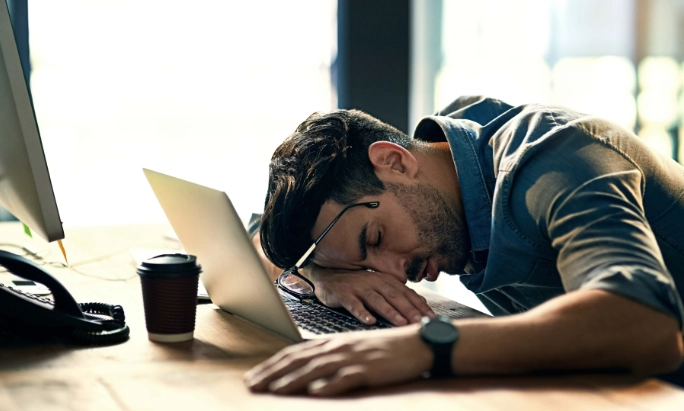
This isn't meant to scare you, but to underscore the gravity of the issue. Sleep deprivation is a public health issue, not a personal failing. The good news? It's also one of the most modifiable risk factors for all these conditions.
Fixing It: Science-Backed Solutions That Actually Work
Okay, enough doom and gloom. Let's talk solutions. The goal isn't perfection; it's progress. You can't pay off a massive sleep debt in one night, but you can start making consistent deposits.
Foundational Fixes: Mastering Sleep Hygiene
Think of this as the non-negotiable base. You have to get these right first.
- Lock Down Your Schedule: Go to bed and wake up at the same time every day, even on weekends. Yes, even on Saturday. This regularity is the single most powerful tool to set your internal clock.
- Craft a Killer Bedtime Routine: Start 60 minutes before bed. This is your wind-down ritual. Dim the lights. Do something relaxing: read a physical book (not a tablet!), listen to calm music, take a warm bath (the drop in body temperature afterwards promotes sleep), do gentle stretching.
- Ban Screens from the Bedroom: Charge your phone outside the room. Use an old-school alarm clock. If you must use a device, enable night mode/blue light filters hours before bed, but really, try to avoid it.
- Optimize Your Sleep Cave: Your bedroom should be for sleep and intimacy only. Make it cool (around 65°F or 18°C is ideal), pitch black (use blackout curtains or a sleep mask), and quiet (earplugs or a white noise machine are lifesavers).
Tackling the Daytime Habits
What you do during the day directly impacts your night.
- Get Morning Light: Exposure to bright natural light within an hour of waking helps reset your circadian rhythm. Go for a short walk, have your coffee by a window.
- Move Your Body, But Time It Right: Regular exercise is fantastic for sleep quality, but avoid vigorous workouts too close to bedtime (within 2-3 hours) as they can be stimulating.
- Be a Caffeine & Alcohol Detective: Cut off caffeine by early afternoon (say, 2 PM). Alcohol might make you drowsy initially, but it severely disrupts the second half of your sleep cycle, leading to fragmented, non-restorative sleep. It's a trap.
- Watch Your Evening Meals: Don't go to bed starving or stuffed. A heavy, rich meal too close to bed can cause discomfort and indigestion. A small snack with tryptophan (like a banana or a handful of nuts) is okay if you're peckish.
My personal experiment: The most effective change for me was the consistent wake-up time. Forcing myself up at 7 AM every day, no matter how little I slept, was brutal for the first week. But by the second week, my body started getting sleepy around the same time each night. It felt like my internal clock finally had a reliable battery.
When to Seek Professional Help
If you've tried improving your sleep hygiene diligently for a month and still struggle with severe daytime sleepiness, loud snoring/gasping, or an inability to sleep despite being tired, it's time to see a doctor.
- Talk to Your Primary Care Physician: They can rule out underlying medical issues or medication side effects.
- Consider a Sleep Specialist: These are doctors board-certified in sleep medicine. They can diagnose disorders like sleep apnea or restless legs syndrome.
- Cognitive Behavioral Therapy for Insomnia (CBT-I): This is considered the gold-standard, first-line treatment for chronic insomnia. It's a structured program that helps you change thoughts and behaviors around sleep. It's more effective and sustainable than sleep medication in the long run. The Sleep Foundation has excellent resources on finding a CBT-I provider.
Common Questions About Sleep Deprivation (Answered)
Let's clear up some frequent confusion.
Wrapping Up: Your Sleep Is Non-Negotiable
Sleep deprivation is a complex beast, but it's a beatable one. It starts with shifting your mindset—from seeing sleep as wasted time to recognizing it as the foundation of your health, productivity, and happiness.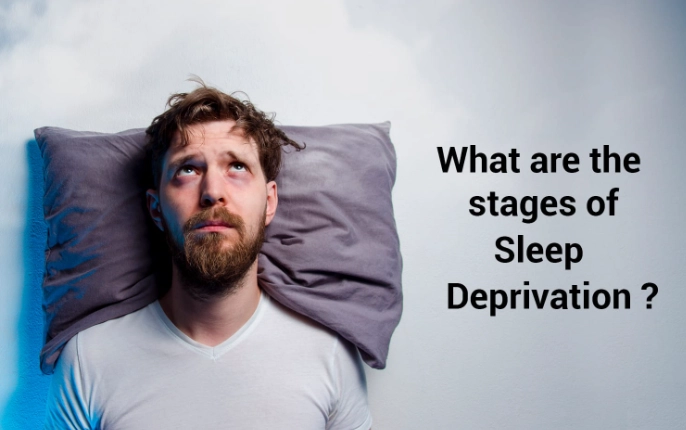
The path out of sleep deprivation isn't usually one dramatic change. It's the slow, steady accumulation of better habits: a slightly earlier bedtime, putting the phone down, a dark room, a regular wake-up call. It's about respecting your body's need for this essential, restorative process.
It took me months to dig out of my own sleep debt. Some nights are still bad, and that's okay. The goal is progress, not perfection. But the difference in my focus, my mood, and my overall sense of well-being is night and day (pun intended). I'm a better thinker, a more patient person, and I enjoy my waking hours so much more when they're not shrouded in fog.
Your journey out of sleep deprivation starts tonight. Pick one thing from this guide. Maybe it's setting a consistent alarm for tomorrow morning. Maybe it's charging your phone in another room. Just start. Your brain and body will thank you for it.
Reader Comments