Navigating Sleep Deprivation
Let's talk about a silent epidemic. It's not a new virus, but it's just as pervasive. We're all guilty of it at some point—pushing through one more episode, answering that late email, or just lying there with our minds racing. We trade hours of sleep for what feels like productivity or downtime, but the bill always comes due. And let me tell you, the cost is way higher than just feeling groggy the next morning.
I remember pulling an all-nighter in college for a final exam. The next day, my brain felt like it was wrapped in thick cotton. I stared at questions I knew I'd studied, but the answers were just... gone. That was my first real, visceral lesson in what sleep deprivation can do. It's not just about being tired; it's about your entire system running on empty.
So, what are the three main effects of sleep deprivation? Everyone throws around the term, but few people really break down the specific, cascading ways it breaks you down. It's not one thing. It's a domino effect that starts in your head and ends up impacting every single part of your life. We're going to move beyond the clichés and look at the real, evidence-based damage. We'll cover the cognitive meltdown, the physical health sabotage, and the emotional rollercoaster that nobody signs up for.
Quick Reality Check: The Centers for Disease Control and Prevention (CDC) bluntly states that insufficient sleep is a public health problem. It's not a badge of honor; it's a legitimate risk factor for some of the biggest health challenges we face today.
The Cognitive Blackout: When Your Brain Goes Offline
This is the most immediate and obvious effect for most people. You know the feeling. Your thinking gets fuzzy, focus is a distant memory, and making a simple decision feels like solving a complex equation. But what's actually happening up there?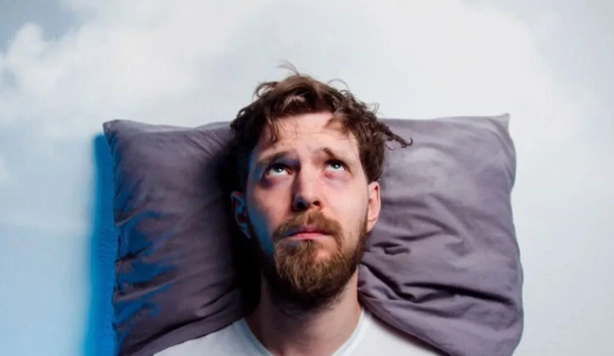
Sleep isn't downtime for your brain. It's prime-time maintenance. During deep sleep, your brain's glymphatic system—think of it as a microscopic janitorial crew—kicks into high gear. It flushes out metabolic waste products that have built up during the day, including proteins linked to neurodegenerative diseases. Skimp on sleep, and you're leaving the trash piling up.
Memory Glitches and Learning Shutdown
Have you ever noticed how much harder it is to learn something new or remember a detail after a bad night's sleep? There's a solid reason. Sleep is crucial for memory consolidation. This is the process where short-term memories are moved to long-term storage and integrated with what you already know. The National Institute of Neurological Disorders and Stroke (NINDS) explains that specific brainwave patterns during sleep, particularly during deep non-REM and REM stages, are directly involved in strengthening neural connections that form memories.
Without this process, it's like taking a photo but never saving it to your hard drive. The information is lost. This is one of the key answers to what are the three main effects of sleep deprivation—it literally prevents your brain from filing away the day's experiences.
- Working Memory Failure: This is your brain's sticky note. It holds information temporarily for tasks like mental math or following directions. Sleep loss shrinks its capacity dramatically.
- Impaired Recall: You might know you know something, but you just can't access it. The "tip-of-the-tongue" phenomenon becomes a constant state of being.
- Skill Acquisition Slows to a Crawl: Learning a new software, a physical skill, or a language? Sleep after practice is when your brain optimizes the neural pathways for that skill. Skip sleep, and you undermine your own practice.
Attention and Concentration: The Vanishing Act
This is where it gets dangerous, especially if you're driving or operating machinery. Sleep deprivation doesn't just make you less alert; it creates microsleeps. These are brief, involuntary episodes where your brain literally switches off for a few seconds. You might be staring straight ahead, but you're not processing any information.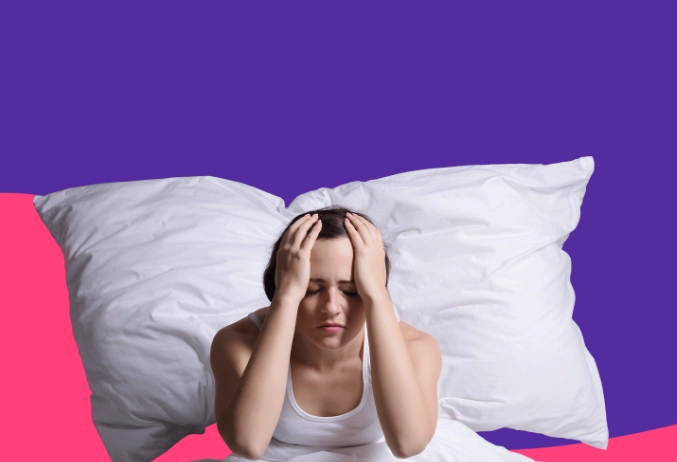
Your ability to sustain attention on a boring task plummets. Your mind wanders constantly. Multitasking? Forget about it. Your prefrontal cortex—the CEO of your brain responsible for complex thinking and impulse control—is one of the first areas to suffer from lack of sleep. It becomes sluggish and inefficient.
So, when we talk about the first of the main effects of sleep deprivation, we're talking about a fundamental degradation of your brain's core processing power. It's not just about being slow; it's about being unreliable.
The Physical Health Sabotage: A Silent Attack on Your Body
If the cognitive effects are the software glitches, this is the hardware damage. This is the slow, insidious toll that chronic sleep loss takes on your physical systems. You might not feel it today or tomorrow, but the research linking poor sleep to major diseases is overwhelming and frankly, a bit scary.
Sleep is when your body repairs itself. Cells regenerate, tissues heal, and your immune system releases proteins called cytokines that help fight infection and inflammation. Cut sleep short, and you short-circuit these vital processes.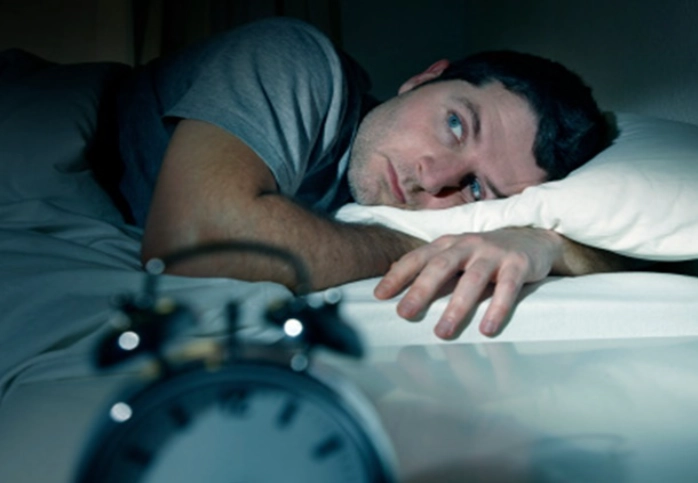
Metabolic Mayhem and Weight Gain
This one surprises a lot of people. You'd think burning the midnight oil would burn more calories, right? Wrong. Sleep deprivation is a perfect storm for weight gain and metabolic dysfunction.
First, it messes with your hunger hormones. Ghrelin (the "go eat" hormone) goes up, and leptin (the "I'm full" hormone) goes down. The result? You feel hungrier, especially for high-calorie, high-carb, and sugary foods. Your willpower, already weakened by a tired prefrontal cortex, doesn't stand a chance.
Second, it impacts how your body processes sugar. Cells become more resistant to insulin, the hormone that ushers glucose out of your bloodstream. This leads to higher blood sugar levels. The American Heart Association has noted the strong association between poor sleep and an increased risk for type 2 diabetes and cardiovascular disease.
Let's look at the direct physical consequences in a snapshot:
| Body System | Short-Term Sleep Loss Effect | Long-Term Chronic Effect |
|---|---|---|
| Cardiovascular | Increased blood pressure, elevated stress hormones (cortisol). | Higher risk of hypertension, heart attack, stroke. |
| Immune System | Reduced production of infection-fighting cells and antibodies. You get sick easier. | Chronic, low-grade inflammation linked to numerous diseases. Impaired vaccine response. |
| Metabolic/Endocrine | Cravings, impaired glucose tolerance, reduced insulin sensitivity. | Significantly increased risk of obesity and type 2 diabetes. |
| Hormonal | Disrupted release of growth hormone (affects repair) and sex hormones. | Can contribute to reduced libido, fertility issues. |
Immunity Crash
This isn't an old wives' tale. Studies have shown that people who sleep less than 7 hours are almost three times more likely to catch a cold than those who get 8 hours or more. Your immune system needs sleep to build its defenses. During sleep, it produces and distributes key immune cells like T-cells and cytokines.
When you're sleep-deprived, your body makes fewer of these soldiers. What's worse, chronic sleep loss creates a state of constant, systemic inflammation. This inflammation is now understood to be a root driver of many age-related diseases, from arthritis to Alzheimer's. It's a scary thought—that consistently sacrificing sleep is quietly fanning the flames of inflammation throughout your body.
Personal Opinion Incoming: I think the physical effects are the most dangerous because they're so silent. You don't feel your arteries hardening or your cells becoming insulin resistant. It happens in the background while you're just trying to get through the day, making it easy to ignore until a major problem appears.
Understanding what are the three main effects of sleep deprivation must include this physical sabotage. It turns your body from a resilient system into one that's constantly playing catch-up and defense.
The Emotional and Psychological Rollercoaster
This is the effect that can strain relationships and make you feel like you're losing your grip. Sleep and emotional regulation are deeply intertwined in the brain's circuitry. The amygdala, your brain's emotional alarm bell, goes into hyperdrive when you're tired. Meanwhile, the prefrontal cortex, which normally acts as the rational brake on the amygdala, is weakened.
The result? You're all gas pedal (big, raw emotions) and no brakes (rational moderation).
Irritability, Mood Swings, and Stress Amplification
Small annoyances become major crises. A misplaced coffee cup, a slightly critical comment, a slow driver—things that you'd normally shrug off suddenly feel intensely aggravating. This isn't you being a "grumpy person"; it's your sleep-deprived brain losing its ability to contextualize and moderate emotional responses.
Stress feels magnified. Your body's stress response system (the HPA axis) becomes more reactive, pumping out more cortisol. This creates a vicious cycle: stress ruins your sleep, and poor sleep makes you less able to handle stress. Research from institutions like Harvard Medical School details how sleep deprivation blurs the line between normal emotional fluctuations and more significant mental health challenges.
It's exhausting for everyone around you, too.
The Link to Anxiety and Depression
This is serious stuff. While sleep problems are a core symptom of conditions like anxiety and depression, evidence strongly suggests the relationship is bidirectional. Chronic sleep deprivation doesn't just accompany these conditions; it can actively contribute to their development and severity.
A tired brain gets stuck in negative thought loops. It has a harder time accessing positive memories and tends to default to a negative bias in interpreting events. The brain's ability to process and let go of emotional experiences from the day is impaired. It's like having a bad emotional day and then being unable to hit the "reset" button overnight.
- Anxiety: The amygdala hyperactivity makes you feel constantly on edge, scanning for threat. The reduced prefrontal control means you have fewer tools to talk yourself down from irrational worries.
- Depression: The lack of mental energy, combined with negative thinking patterns and anhedonia (inability to feel pleasure), mirrors depressive symptoms. The neurotransmitter systems regulating mood (like serotonin) are also disrupted by poor sleep.
When you look at the three main effects of sleep deprivation, this emotional toll is often the one that finally pushes people to make a change, because it directly impacts their relationships and daily happiness.
Your Sleep Deprivation Questions, Answered
Can you "catch up" on lost sleep over the weekend?
This is the million-dollar question. The short, somewhat disappointing answer is: not really, at least not fully. Weekend recovery sleep can help pay back some of your acute "sleep debt" and make you feel less terrible. It can improve some metrics like insulin sensitivity temporarily. However, it does not fully reverse the cognitive deficits or the long-term health risks built up over a week of short sleep. Your brain doesn't get back that missed memory consolidation time. Think of it like eating junk food all week and then having a salad on Saturday—it's better than nothing, but it doesn't erase the impact. Consistency is king.
How much sleep deprivation is "bad"? Is one bad night a problem?
One night of terrible sleep happens to everyone, and your body is resilient enough to bounce back. You'll feel off, but it's not causing permanent damage. The real danger is in the chronic pattern—consistently getting less than 7 hours of sleep (for most adults). That's when the cumulative effects on cognition, physical health, and emotion start to solidify. The CDC defines short sleep duration as less than 7 hours in a 24-hour period. So, if you're regularly hitting 6 hours or less, that's the red flag zone.
What's the difference between sleep deprivation and insomnia?
Great question, because people use them interchangeably. Sleep deprivation is the condition of not getting enough total sleep, regardless of the reason. You might be deprived because you're choosing to stay up (behavioral) or because you can't sleep (like with insomnia). Insomnia is a specific sleep disorder characterized by persistent difficulty falling asleep, staying asleep, or waking too early—despite having the opportunity to sleep. So, insomnia often leads to sleep deprivation, but not all sleep deprivation is caused by insomnia. If you have the chance to sleep but simply can't, that's when you should talk to a doctor about potential insomnia.
I function fine on 5-6 hours of sleep. Am I special?
You might genuinely be part of the tiny fraction of the population (estimated around 1%) with a short-sleep gene mutation that allows them to thrive on less sleep without apparent detriment. The problem is, most people who say this are not objectively assessing their "fine." They've simply adapted to a lower baseline of cognitive performance and increased irritability. They don't remember what truly feeling rested and sharp is like. Performance on sustained attention and complex cognitive tasks is almost always impaired in lab tests, even if the person subjectively feels okay. It's a dangerous self-delusion for most.
So, What Can You Actually Do About It?
Knowing what are the three main effects of sleep deprivation is pointless without action. Fixing sleep isn't about one magic trick; it's about building a fortress of good habits, often called sleep hygiene. Here's a no-nonsense list to start with, ranked by what I've found makes the biggest dent.
- Lock Down Your Wake-Up Time: This is the anchor of your sleep schedule. Wake up at the same time every single day, even on weekends. Yes, even on Saturdays. This regularity trains your internal clock (circadian rhythm) more than anything else.
- Banish Blue Light Before Bed: Your phone, tablet, laptop—their screens emit blue light that suppresses melatonin, the hormone that makes you sleepy. Try to stop using them 60-90 minutes before bed. If you must, use night mode settings and consider blue-light-blocking glasses. Read an actual book instead.
- Make Your Bedroom a Cave: Cool, dark, and quiet. Aim for a temperature around 65°F (18°C). Use blackout curtains. A white noise machine can mask disruptive sounds. Your bed should be for sleep (and sex) only, not for working or watching thrilling movies.
- Watch Your Fuel: Avoid large meals, caffeine, and alcohol close to bedtime. Caffeine can linger in your system for 6-8 hours. Alcohol might make you pass out, but it severely fragments the quality of your sleep later in the night.
- Wind Down, Don't Crash: Create a 30-60 minute buffer zone before bed. This is for calm, relaxing activities: gentle stretching, listening to calming music or a boring podcast (my trick), taking a warm bath, or journaling to dump racing thoughts onto paper.
Be patient.
You won't fix years of bad habits in one night. Start with one or two changes, stick with them for a week, and then add another. Your body needs time to readjust. And if you've tried all this and still struggle with chronic insomnia or extreme daytime sleepiness, please see a doctor. Sleep disorders like sleep apnea or restless legs syndrome are common and treatable, but they won't be fixed by better hygiene alone.
Ultimately, understanding the three main effects of sleep deprivation—the cognitive fog, the physical decay, and the emotional volatility—gives you the motivation to prioritize it. It's not about achieving perfect sleep every night; that's unrealistic. It's about making a consistent effort to give your brain and body the repair time they desperately need. The payoff isn't just feeling less tired tomorrow. It's a sharper mind, a healthier body, and a more stable, resilient you for the long haul.
Reader Comments