Quick Sleep Guide Overview
Ever find yourself staring at the ceiling at 2 AM, your brain buzzing from a Netflix binge or that late-night work email, while your alarm clock glares back with a cruel reminder of the morning to come? You're not alone. In our always-on world, good sleep feels like a luxury few can afford. That's where sleep "hacks" and rules come in, promising a simpler path to rest. But among the noise, one framework keeps popping up: the 10 3-2-1 0 sleep rule.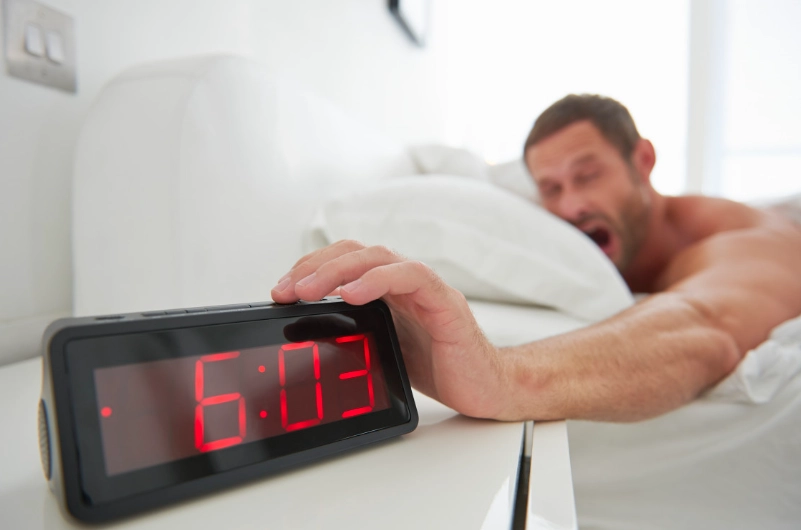
So, what is the 10 3-2-1 0 sleep rule? It's not some magical incantation. It’s a structured, countdown-style guide designed to prepare your mind and body for sleep by systematically removing common barriers in the hours before bed. Think of it as a pre-flight checklist for your nervous system.
In a nutshell, the 10 3-2-1 0 sleep rule breaks down like this:
- 10 hours before bed: No more caffeine.
- 3 hours before bed: No more food or alcohol.
- 2 hours before bed: No more work.
- 1 hour before bed: No more screens.
- 0 times: The goal of hitting the snooze button in the morning.
Simple on paper, right? The execution is where most people, myself included, stumble. Let's peel back each layer of this rule, figure out why each number matters, and talk about how to actually make it work without feeling like you're joining a sleep monastery.
Deconstructing the 10 3-2-1 0 Sleep Rule: What Each Number Really Means
Calling it a "rule" feels a bit rigid. I prefer to think of it as a framework. A set of guardrails. The goal isn't perfection; it's creating a predictable, calming runway that leads to sleep. Let's break down what is the 10 3-2-1 0 sleep rule asking you to do, step by step.
The "10" – Cutting Off Caffeine with Plenty of Time to Spare
Ten hours. That's a long time. If you aim for a 10 PM bedtime, your last cup of coffee should be gone by noon. This is often the first point of rebellion. "Noon? But my 3 PM slump is real!" I hear you. The science, however, is pretty stubborn on this one.
Caffeine works by blocking adenosine receptors in your brain. Adenosine is a chemical that builds up all day, making you feel tired—it's your body's natural sleep pressure system. Caffeine puts a fake "closed" sign on those receptors. But caffeine's half-life is about 5-6 hours. Meaning, if you have 200 mg of caffeine at 3 PM, you still have about 100 mg actively circulating in your system at 9 PM. It might not stop you from falling asleep, but it can significantly reduce the depth and restorative quality of your sleep, particularly the crucial deep sleep stages. The National Sleep Foundation clearly advises avoiding caffeine late in the day for this exact reason.
Personal confession time: This was the hardest part for me. I switched to decaf after 11 AM and, after a rough three-day adjustment, found my afternoon energy was more stable. I wasn't riding a caffeine rollercoaster anymore.
Watch out for hidden caffeine: It's not just coffee and tea. Dark chocolate, some medications (like Excedrin), and even some flavored waters or protein bars can have enough caffeine to mess with your sleep. Reading labels becomes a new hobby.
The "3" – Giving Your Digestion a Break
No more food or alcohol three hours before you plan to sleep. This one has two big components.
Food: A heavy, rich, or large meal right before bed forces your digestive system to work overtime when it should be winding down. This can cause discomfort, acid reflux (which is often worse when lying down), and a higher core body temperature—all enemies of sleep. Your body wants to focus on repair and restoration, not digesting a steak. A small, sleep-friendly snack (like a banana or a handful of almonds) about an hour before bed might be okay for some people, but the three-hour window aims to eliminate the major digestive load.
Alcohol: Here's the big trap. Alcohol is a sedative. It can make you feel drowsy and help you fall asleep faster. But as your body metabolizes it, it acts as a stimulant, leading to fragmented, shallow sleep and frequent awakenings in the second half of the night. It also suppresses REM sleep, the stage vital for memory consolidation and mood regulation. So, that nightcap might knock you out, but it robs you of quality rest. The Mayo Clinic has detailed resources on how alcohol disrupts sleep architecture.
The "2" – The Mental Shutdown
No more work or mentally taxing activities two hours out. This isn't just about closing your laptop. It's about stopping the cognitive freight train. Answering stressful emails, planning your budget, having a heated debate online—these activities activate your sympathetic nervous system (the "fight-or-flight" system) and flood your body with cortisol and adrenaline.
It takes time for those stress hormones to dissipate. You can't just flip a switch from "stressed and alert" to "calm and drowsy." The two-hour buffer is a quarantine zone for stress. It's a declaration that your day is done. This might be the most impactful part of the entire 10 3-2-1 0 sleep rule for knowledge workers or anyone with a demanding job.
What counts as "work"? For me, it's anything that feels like an obligation, creates mental to-do lists, or induces anxiety. Sometimes, even planning a fun trip can be too stimulating if it involves lots of logistics!
What CAN you do in these 2 hours? This is the fun part. This is where you rediscover non-screen, low-stress hobbies. Read a physical book (not a thriller!). Listen to calming music or a podcast (on a speaker, not with headphones in bed). Do some gentle stretching or yoga. Tidy up lightly (but don't start a major reorganization). Have a calm conversation. The goal is active relaxation.
The "1" – The Digital Sunset
No more screens one hour before bed. This is the most talked-about component, and for good reason. The blue light emitted by phones, tablets, TVs, and laptops suppresses the production of melatonin, the hormone that tells your brain it's time for sleep. It's like shining a tiny sunrise into your eyes at 10 PM.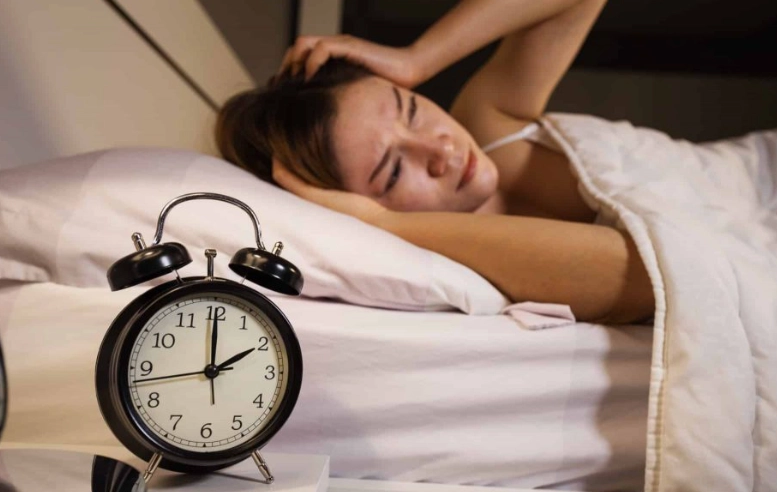
But it's not just the light. It's the content. Scrolling through social media can trigger anxiety, envy, or excitement. Watching an intense show keeps your brain engaged. Even "just checking" email can reintroduce the work stress you tried to quarantine two hours ago. The 10 3-2-1 0 sleep rule asks you to physically disconnect.
I put my phone on a charger in another room. It was awkward at first—like missing a limb. Now, it's liberating. That last hour feels longer and more peaceful.
The "0" – Banishing the Snooze Button
Zero snoozes. This is the morning component of the 10 3-2-1 0 sleep rule, and it's genius. Hitting snooze feels like a gift, but it's a trick. Those fragmented 5-10 minutes of extra sleep are typically very light, low-quality sleep. They can leave you feeling groggier than if you had just gotten up on the first alarm—a phenomenon called sleep inertia, which is made worse by interrupted sleep cycles.
More importantly, the act of snoozing trains your brain to ignore the first alarm. It weakens the connection between the alarm sound and the action of waking up. Committing to "0" means placing your alarm across the room so you have to get up to turn it off. It means embracing a consistent wake-up time, even on weekends, to regulate your circadian rhythm. This single habit reinforces the entire structure you built the night before.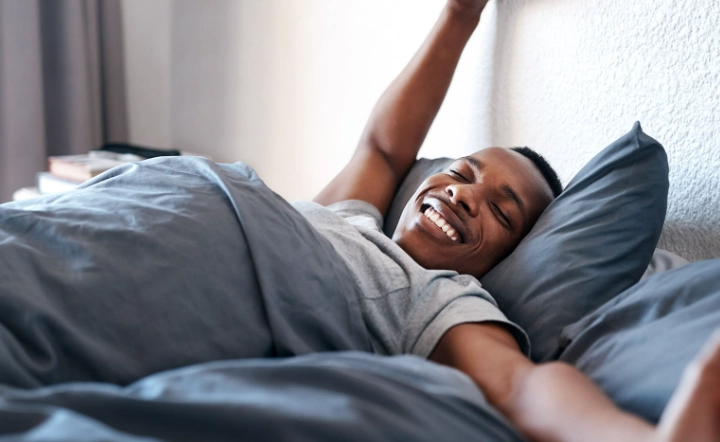
Why Bother? The Science and Benefits Behind the Framework
You might be thinking, "This sounds like a lot of rules for just... sleeping." Is there real science backing up what the 10 3-2-1 0 sleep rule proposes, or is it just another internet trend?
The power of the 10 3-2-1 0 sleep rule isn't in any single, revolutionary idea. Its power is in integration. It bundles several evidence-based sleep hygiene principles into a single, memorable sequence. Each component targets a specific, well-researied sleep disruptor.
| Rule Component | Targeted Sleep Disruptor | Primary Benefit |
|---|---|---|
| 10 (No Caffeine) | Adenosine receptor blockage, reduced deep sleep | Allows natural sleep pressure to build, promotes deeper, more restorative sleep stages. |
| 3 (No Food/Alcohol) | Digestive activity, blood sugar spikes, REM suppression (alcohol) | Prevents discomfort/reflux, stabilizes metabolism overnight, protects crucial REM sleep. |
| 2 (No Work) | Stress hormone (cortisol) elevation, cognitive arousal | Lowers physiological and mental arousal, enabling a calm transition to sleep. |
| 1 (No Screens) | Blue light exposure, mental stimulation, melatonin suppression | Protects natural melatonin production, allows the brain to wind down naturally. |
| 0 (No Snooze) | Sleep fragmentation, sleep inertia, circadian rhythm confusion | Promotes a crisp, alert wake-up, strengthens the sleep-wake cycle. |
When you follow the framework, you're not just avoiding one thing; you're creating a cascade of positive biological conditions. You lower your core temperature, you allow melatonin to rise naturally, you reduce cortisol, you settle your digestive system. It's a holistic prep for a biological process.
The benefits people report—and that are supported by sleep science—go beyond just "falling asleep faster." They include:
- Deeper, more restorative sleep: Waking up feeling actually refreshed, not just less tired.
- Fewer nighttime awakenings: Staying asleep throughout the sleep cycles.
- Improved morning alertness: That "0 snooze" habit pays off with less morning grogginess.
- Better mood and mental clarity: Quality sleep is foundational for emotional regulation and cognitive function.
When I first tried to follow what the 10 3-2-1 0 sleep rule outlined, my biggest win wasn't immediate. It was after about a week. I realized I was waking up before my alarm, naturally, and feeling ready to go. That hadn't happened since college. It felt like my body had rediscovered its own rhythm.
Making It Work For You: Practical Tips and Common Hurdles
Let's be real. Life happens. A late dinner with friends, an urgent work deadline, a craving for a piece of chocolate after 8 PM. Treating the 10 3-2-1 0 sleep rule as an inflexible law is a recipe for guilt and giving up. The key is adaptation and consistency over perfection.
Start with One Number
Don't try to overhaul your entire evening in one go. That's overwhelming. Pick the one element of the 10 3-2-1 0 sleep rule you think would make the biggest difference or is easiest to tackle. For most people, that's the "1"—the screen curfew. Commit to no screens for 30 minutes before bed for a week. Use that time to read or listen to something. Once that feels normal, add another element, like the "2"-hour work cutoff.
Create Your Own Sleep Cues
The countdown framework provides external cues. Pair them with internal ones. For example:
- When I finish dinner and clean up (around 7 PM), that's my cue: 3-hour food window starts.
- When I put on my comfy lounge clothes after work, that's my cue: Work is done. Mental shutdown begins.
- When I plug my phone in across the room, that's my cue: Digital sunset. The final hour is for me.
These rituals signal to your brain that the transition to sleep is underway.
Address Common Pushbacks
"I have young kids/my schedule is erratic." The times are guidelines, not commandments. The core principle is creating buffers. Maybe your version is the 8-2-1-0.5-0 rule. The point is to create intentional space between your daily activities and sleep. Even 30 minutes of screen-free time is better than none.
"I need to work late sometimes." Of course. On those nights, maybe you can only manage the "1" (no screens) and the "0" (no snooze). That's still a win. The framework is a compass, not a GPS with turn-by-turn demands.
"What if I'm just not tired at my scheduled bedtime?" This is a great sign to listen to! Don't lie in bed frustrated. Get up, go to a dimly lit room, and do something calming (read a boring book) until you feel sleepy. Forcing sleep never works. The rule prepares you for sleep; it doesn't force sleep to happen.
Frequently Asked Questions About the 10 3-2-1 0 Sleep Rule
The Final Word: It's About Agency, Not Anxiety
Understanding what is the 10 3-2-1 0 sleep rule gives you something incredibly valuable: a sense of agency over your sleep. In a world full of sleep disruptors, it's a proactive plan. It shifts your mindset from "I hope I sleep tonight" to "I have done what I can to prepare for good sleep."
Some nights you'll nail all five numbers. Other nights, life will happen, and you'll be grateful if you managed the "0" snooze button goal. That's okay. The framework isn't there to judge you; it's there to guide you back when you're ready.
Start small. Be kind to yourself. And remember, the goal isn't to perfectly execute the 10 3-2-1 0 sleep rule. The goal is to wake up feeling like a human being again.
Reader Comments