Your Quick Guide
- The 7 Tell-Tale Signs Your Eyes Are Sleep Deprived
- Why Does This Happen? The Science Behind the Tired Look
- Beyond Looks: The Health Implications You Shouldn't Ignore
- How to Fix It: A Practical, Step-by-Step Recovery Guide
- Common Questions About Sleep and Eyes (FAQ)
- Final Thoughts: Listen to What Your Eyes Are Telling You
You know the feeling. The alarm screams, you drag yourself out of bed, and the first thing you do is stumble into the bathroom. You flip on the light, and bam. There it is in the mirror. That face. Those eyes. They tell the whole story of your late-night Netflix binge or that work deadline you pushed through. It's not just feeling tired; it's written all over your face, starting with your eyes.
So, what do your eyes look like with lack of sleep, exactly? It's more than just a vague "tired" look. It's a specific set of changes that happen for very specific reasons. And honestly, it can be a bit alarming. I remember after a particularly rough week with a sick kid (parents, you feel me), I caught my reflection and barely recognized myself. My eyes looked like they belonged to someone else—puffy, shadowy, and just... dull. It was a wake-up call about how directly sleep (or the lack of it) shows up on our faces.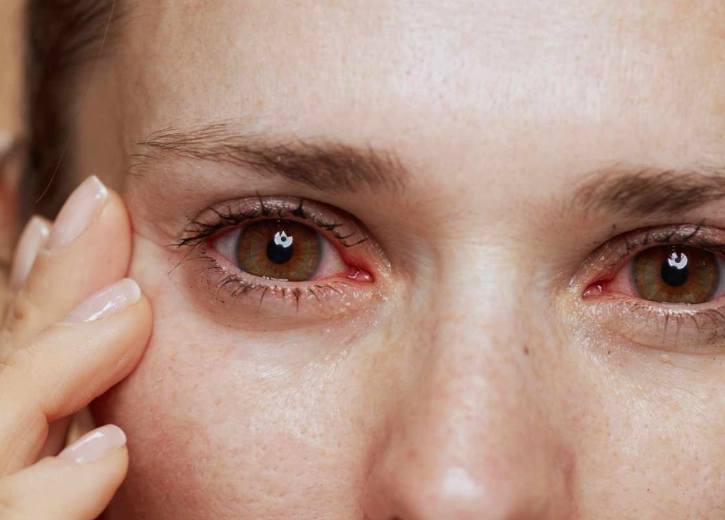
This isn't just about vanity, though let's be real, that's part of it. It's about understanding what your body is telling you. Those changes in your eyes are physical signals from your body that it's running on empty and hasn't had the crucial repair time it needs. In this guide, we're going to break down every single sign, explain the science in plain English (no dense jargon, I promise), and then get into the real, practical stuff you can do about it.
The 7 Tell-Tale Signs Your Eyes Are Sleep Deprived
When you're wondering "what do my eyes look like with lack of sleep," you're probably noticing a combination of a few key things. Here's the definitive list, ranked from the most common to the more subtle.
The Unmistakable Dark Circles
This is the classic, the poster child for sleep deprivation. But they're not all created equal. There are two main types, and understanding which one you have is key to dealing with it.
- Bluish/Purplish Shadows: This is the most common type linked directly to lack of sleep. The skin under your eyes is the thinnest on your entire body. When you're tired, blood flow can become a bit sluggish, and oxygen levels in the blood drop slightly. This makes the hemoglobin in the tiny blood vessels under your eyes appear darker and more blue-purple. It's not that the vessels are bigger; it's that the blood inside them is less oxygenated and more visible through your thin skin. A resource on skin physiology from the NIH confirms the thinness and vulnerability of periorbital skin.
- Brownish Discoloration: This is often more about genetics and melanin (pigment) deposits, but lack of sleep can absolutely make it look worse. Fatigue increases cortisol, the stress hormone, which can disrupt your skin's natural processes and exacerbate hyperpigmentation.
The Puffy, Swollen Eyelids (Periorbital Edema)
You wake up and your eyelids feel heavy, maybe even a bit itchy. The mirror confirms it: you've got puffiness. This happens because sleep is when your body's fluid balance gets regulated. When you're short on sleep, that process gets messy. Gravity causes fluid to pool in the loose connective tissue around your eyes. It's also an inflammatory response—your body is stressed, and inflammation is a common side effect.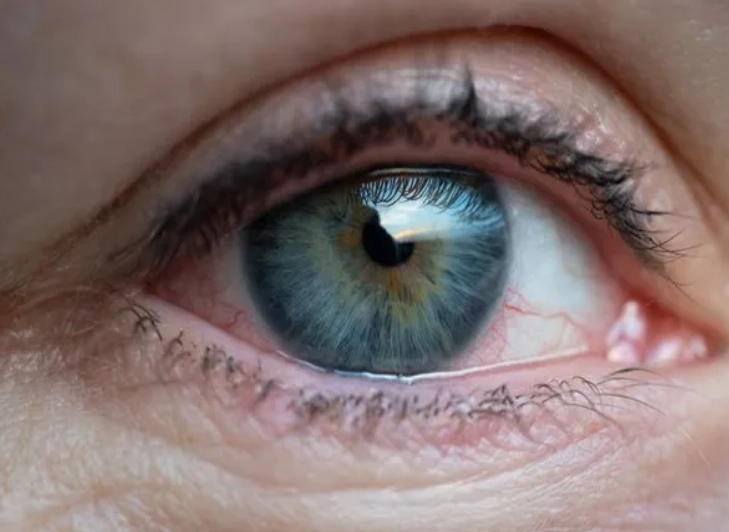
Redness and Bloodshot Eyes
Those tiny blood vessels on the white part of your eye (the sclera) dilate when you're tired. Why? Lack of sleep reduces lubrication. Your eyes need sleep to rest and replenish moisture. When they're open for too long, or when sleep quality is poor, they get dry and irritated. The body's response is to send more blood flow to the area to try and fix the problem, leading to that classic bloodshot look. It's a direct plea for rest and moisture.
The Dull, Glassy, or Watery Look
This one is harder to describe but easy to see. Healthy, well-rested eyes have a certain sparkle and clarity. Sleep-deprived eyes can look flat, lifeless, and lackluster. Sometimes, they might even look overly glassy or watery. This is often due to dryness (the body overcompensating by producing tears) and a lack of the natural, healthy reflection of light off a well-lubricated eye surface.
Droopy Eyelids (Ptosis)
This isn't just feeling heavy-lidded; it's a slight but noticeable drooping of the upper eyelid. The muscle that lifts your eyelid (the levator palpebrae) is just like any other muscle—it gets fatigued. Constant use without proper rest weakens its stamina, leading to a slight ptosis. It can make you look sad, bored, or just utterly exhausted, even if you're not feeling those things emotionally.
Increased Visibility of Fine Lines
Sleep is prime time for skin repair and collagen production. Skimp on sleep, and your skin doesn't get that repair shift. The skin around your eyes, already thin and delicate, loses elasticity and hydration faster. This makes any existing fine lines—especially crow's feet at the corners—look more pronounced and etched in. It's like your wrinkles had a long night, too.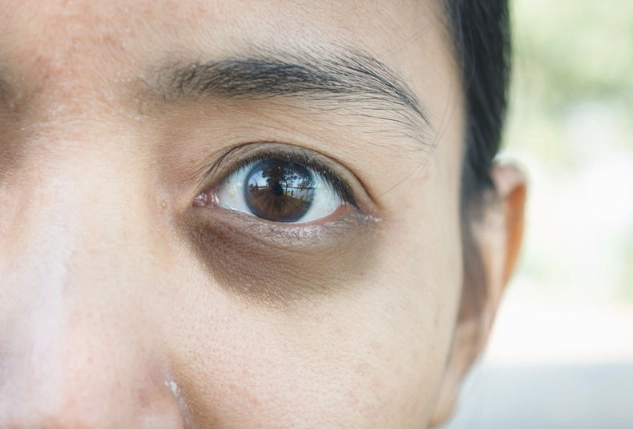
Twitching (Myokymia)
That annoying, uncontrollable little flutter in your lower or upper eyelid? It's a classic sign of fatigue, often combined with stress or high caffeine intake. The exact mechanism isn't fully understood, but it's believed to be related to overworked and irritated nerves and muscles around the eye. It's your body's weird, jittery way of saying "please, let me power down."
Grab a mirror after a bad night's sleep and see how many you tick off: Darker under-eye circles, Puffy lower or upper lids, Pink or red veins in the whites, A lack of sparkle or clarity, A heavy, droopy upper lid, More noticeable wrinkles, An annoying eyelid twitch.
Why Does This Happen? The Science Behind the Tired Look
It's not magic, it's biology. When you don't get enough quality sleep, several key systems in your body go haywire, and your eyes are ground zero for the visible fallout.
First, there's fluid imbalance. When you lie down to sleep, the redistribution of bodily fluids is part of the process. Poor sleep disrupts this, leading to fluid retention in the delicate under-eye area. Think of it as a plumbing system that didn't get its nightly maintenance.
Then, there's increased cortisol. This stress hormone spikes when you're sleep-deprived. Elevated cortisol breaks down skin collagen, the protein that keeps skin plump and elastic. It also promotes inflammation throughout the body, which directly contributes to puffiness and swelling. The National Sleep Foundation has extensive resources on how sleep deprivation triggers a stress response in the body.
Finally, there's simple physical exhaustion of the eyes. They are complex organs with muscles, blood vessels, and a need for constant lubrication. They are designed to have a period of prolonged rest (sleep) where they are protected, moistened, and not processing visual stimuli. Deny them that, and they protest in the ways we see.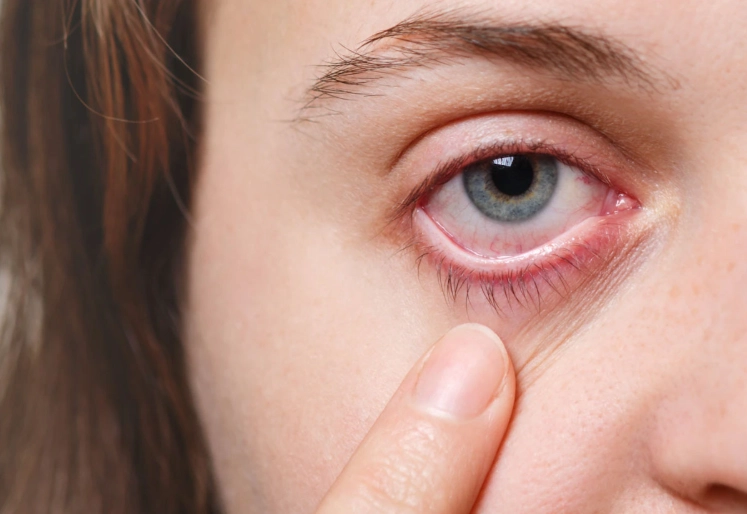
Beyond Looks: The Health Implications You Shouldn't Ignore
While we're focused on appearance here, it's crucial to remember that these visual signs are just the surface. They're indicators of deeper systemic issues caused by sleep deprivation. Chronically tired eyes can be linked to:
- Chronic Dry Eye Syndrome: Persistent lack of sleep can disrupt the tear film, leading to gritty, burning, painful eyes.
- Increased Risk of Eye Infections: A tired, dry eye is more vulnerable to irritation and infection.
- Blurred Vision and Light Sensitivity: Your eye muscles responsible for focusing are fatigued, making it harder to concentrate and causing discomfort in bright light.
This is where the "what do your eyes look like with lack of sleep" question gets serious. It's a visual cue to check in on your overall health. The American Academy of Ophthalmology often discusses the link between systemic health and eye appearance, noting that the eyes can reveal much about general well-being.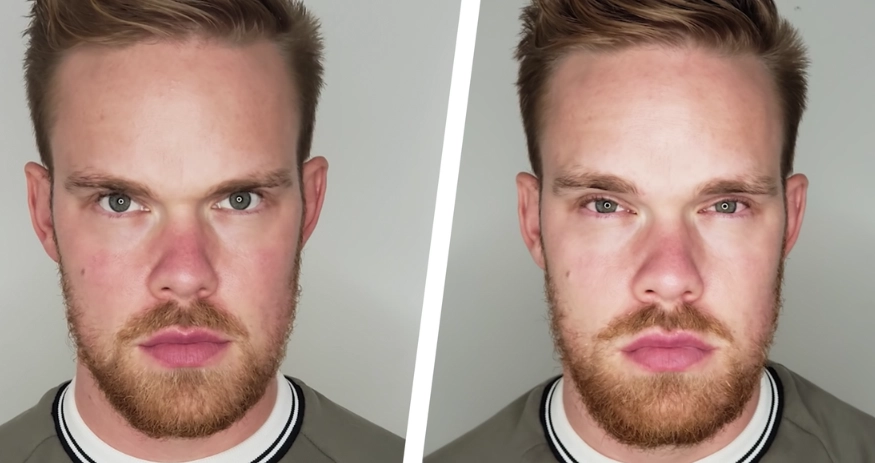
How to Fix It: A Practical, Step-by-Step Recovery Guide
Okay, enough with the problem. Let's talk solutions. You can't always control your sleep, but you can control how you respond. Here’s a multi-level approach to reverse the damage and answer the question of what to do when your eyes show lack of sleep.
Immediate First Aid (The Morning Of)
You need to look presentable NOW. This is damage control.
- The Cold Compress: This is non-negotiable. Cold constricts blood vessels, reducing the appearance of dark circles and dramatically cutting down puffiness. Use a chilled spoon, cool cucumber slices, a damp washcloth from the freezer, or store-bought gel masks. Apply for 5-10 minutes while you're doing something else, like sipping your coffee.
- Gentle Massage: With clean fingers, very gently press and tap from the inner corner of your eye outwards towards your temples. This can help encourage lymphatic drainage of that pooled fluid. Be feather-light—you're not kneading dough.
- Hydrate Inside and Out: Drink a big glass of water first thing. Dehydration makes everything look worse. Then, use a good, fragrance-free eye cream or even a simple moisturizer. Look for ingredients like hyaluronic acid or glycerin to plump the skin.
- Caffeine Topically: Eye creams with caffeine can temporarily constrict blood vessels and help with puffiness and dark circles. It's a good quick fix.
The Mid-Term Reset (The Next Few Days)
This is about giving your body what it needs to recover from a sleep debt.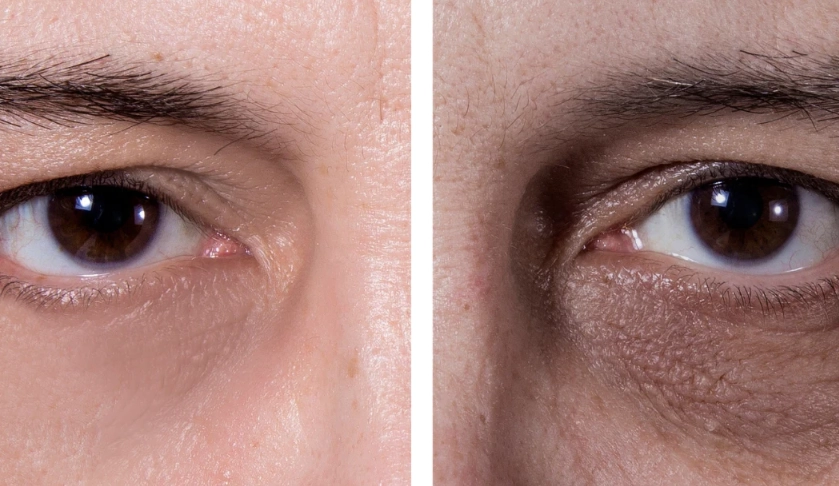
| Strategy | How It Helps Your Eyes | Simple Action Step |
|---|---|---|
| Prioritize Sleep Quality | Allows for proper fluid balance, collagen repair, and eye muscle rest. This is the single biggest fix. | For the next 3 nights, get to bed 60-90 minutes earlier than usual. No screens in bed. |
| Reduce Sodium Intake | Excess salt promotes fluid retention, exacerbating puffiness. | Cook at home for 2-3 days, avoiding processed foods and adding minimal salt. |
| Sleep on Your Back (If you can) | Prevents gravity from forcing fluid into your under-eye area overnight. | Try an extra pillow to prop yourself up slightly. |
| Warm Compress at Night | If your eyes are dry and red, a warm compress before bed can unclog oil glands in your eyelids (meibomian glands) and improve tear quality. | Use a clean, warm washcloth for 5 minutes before brushing your teeth. |
The Long-Term Defense (Lifestyle Habits)
This is about preventing the "what do your eyes look like with lack of sleep" question from being a daily concern.
- Establish a Sleep Sanctuary: Your bedroom should be for sleep and intimacy only. Dark, cool, and quiet. Invest in blackout curtains. I did this last year, and it was a game-changer for my morning puffiness.
- Manage Allergies: Chronic allergies cause inflammation and itchy eyes, which you rub, making puffiness and darkness worse. See a doctor if you suspect this is a factor.
- Wear Sunglasses Religiously: UV damage breaks down collagen and thins skin. Protecting the delicate eye area slows this aging process, making it more resilient.
- Review Your Diet: A diet rich in antioxidants (berries, leafy greens), omega-3s (fatty fish), and vitamins C and K supports skin strength and reduces inflammation.
- Stay Hydrated Consistently: Not just in the morning, but throughout the day. Herbal teas count!
Common Questions About Sleep and Eyes (FAQ)
Let's tackle some of the specific things people search for when they're digging into this topic.
Final Thoughts: Listen to What Your Eyes Are Telling You
At the end of the day, asking "what do your eyes look like with lack of sleep" is a powerful form of self-awareness. Your eyes are a barometer for your internal state. They're the first to show stress, fatigue, and imbalance.
You can cover them up with clever makeup and quick fixes, and those are useful tools. I have a whole drawer of them. But the most effective, long-lasting solution is to address the root cause: giving your body the rest it desperately needs and is so visibly begging for.
So next time you see those signs, take it as a nudge. Drink some water, put the phone away an hour earlier, and give yourself permission to rest. Your eyes—and the rest of you—will thank you for it.
Reader Comments