We've all been there. The alarm screams, and your body feels like it's made of lead. Your brain is foggy, your eyes are gritty, and the thought of facing the day is almost painful. A bad night's sleep can throw your entire system out of whack. Maybe you were up with a restless mind, a sick kid, or just couldn't shut off. Whatever the reason, you're now in survival mode, desperately searching for a way to function.
You're not alone in wondering how to recover from lack of sleep fast. It's one of the most common health searches out there. The good news? You can steer the ship back on course. Recovery isn't just about chugging coffee and powering through—that often makes things worse. True, fast recovery from sleep deprivation is a mix of smart immediate actions, careful management of your day, and a commitment to fixing the root cause later.
This guide isn't about magic pills. It's a practical, step-by-step plan based on what sleep scientists and our own frustrating experiences tell us works. We'll break it down into what to do right now, how to navigate the day, and how to reset your sleep for good. Let's get you feeling human again.
Quick Navigation
- Why You Feel So Terrible: The Science of Sleep Debt
- Phase 1: The Morning After – Immediate Actions (First 60 Minutes)
- Phase 2: Navigating the Day – The Recovery Protocol
- Phase 3: The Evening Wind-Down – Setting Up for Recovery Sleep
- What Not to Do: Common Recovery Mistakes
- Long-Term Adjustments: Building Sleep Resilience
- Your Questions, Answered
Why You Feel So Terrible: The Science of Sleep Debt
Before we jump into the fixes, it helps to know what you're fighting. Sleep isn't just downtime. It's when your brain files away memories, your body repairs tissues, and hormones that regulate hunger and mood get balanced. The National Sleep Foundation explains that during deep sleep, growth hormone is released, which is essential for repair. Miss that, and you start the day already behind.
Think of it like a bank account. Every night you need 7-9 hours (for most adults), you make a deposit. A short night is a withdrawal. One withdrawal is manageable. But consistent short sleep builds a debt—a sleep debt. Your body and brain start demanding payment with interest, in the form of irritability, poor focus, cravings for junk food, and a weakened immune system.
So, when you're looking for how to recover from lack of sleep fast, you're essentially looking for a way to make a quick, emergency deposit and stop the debt from growing today.
Phase 1: The Morning After – Immediate Actions (First 60 Minutes)
The first hour after waking sets the tone for your entire recovery day. Avoid the instinct to hit snooze or lie in bed scrolling. Here’s your game plan.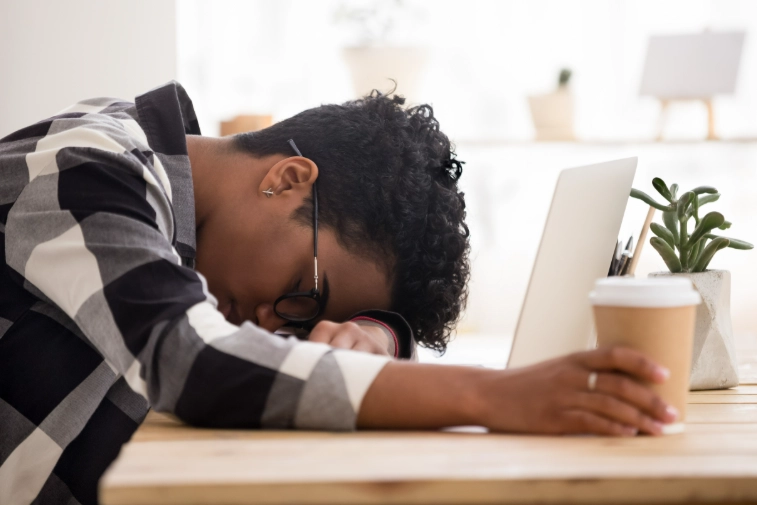
Get Bright Light, Immediately
This is the single most effective thing you can do. Your brain uses bright light, especially sunlight, to shut off melatonin (the sleep hormone) and signal that it's time to be awake. Open the curtains wide. Step outside for 5-10 minutes, even if it's cloudy. No sunlight? A bright indoor light or a light therapy lamp works. This one action does more to clear morning fog than a cup of coffee.
The Strategic Hydration Move
You wake up mildly dehydrated after hours of not drinking. Dehydration magnifies fatigue. Before you even think about coffee, drink a large glass of water. Add a pinch of salt or a squeeze of lemon if you want to help with electrolyte balance. It wakes up your system gently and prepares it for the caffeine to come.
Caffeine – But Do It Right
Yes, caffeine is a tool. But timing is everything. Your body naturally produces cortisol, a wakefulness hormone, in the morning. Chugging coffee the second you wake up can interfere with this natural rhythm and lead to a bigger crash later.
Wait 60-90 minutes after waking for your first coffee. This allows your natural cortisol levels to peak and subside, so the caffeine has a cleaner, more effective boost. I know, waiting is torture when you're exhausted, but trust me, the sustained energy is worth it. Stick to one or two cups in the morning. Avoid caffeine after 2 PM if you want any chance of sleeping well the following night, which is the ultimate goal of learning how to recover from lack of sleep fast.
Skip the Sugar Bomb Breakfast
That sugary cereal, pastry, or sweetened yogurt will spike your blood sugar, give you a 20-minute false energy high, then send you crashing harder. You're already on the edge; don't push yourself over.
Opt for a breakfast with protein, healthy fats, and complex carbs. Think eggs with avocado and whole-grain toast, Greek yogurt with nuts and berries, or oatmeal with peanut butter. This provides steady fuel and helps regulate energy and mood-stabilizing neurotransmitters.
Seriously, what you eat today is a huge part of how to recover from lack of sleep fast. Feed the machine good fuel.
Phase 2: Navigating the Day – The Recovery Protocol
You've survived the morning. Now you need a strategy to get through the next 8-10 hours without collapsing or making dumb mistakes.
The Power Nap: Your Secret Weapon (If You Can)
A short nap can be a phenomenal reset. The key word is short. A 10-20 minute nap is a "power nap" that can improve alertness and performance without leaving you groggy or affecting nighttime sleep.
Avoid naps longer than 30 minutes. You risk entering deep sleep and waking up with sleep inertia—that awful, disoriented, groggy feeling that's worse than the original fatigue. The ideal time is early to mid-afternoon, before 3 PM.
Movement Beats More Coffee
When the 3 PM slump hits, your instinct might be another coffee. Try a 10-minute walk instead. Physical activity increases blood flow, delivering more oxygen and nutrients to your brain and muscles. It triggers the release of endorphins and other neurochemicals that boost mood and alertness naturally. It doesn't have to be intense—a brisk walk around the block or some stretching at your desk can work wonders.
Manage Your Mental Load
Your cognitive capacity is reduced. You are not at your sharpest. Accept it. This is not the day to tackle your most complex project or have a difficult conversation if you can avoid it.
- Prioritize Ruthlessly: Make a short list of 2-3 must-do tasks. Delegate or postpone the rest.
- Batch Simple Tasks: Use your lower-energy periods for administrative work, cleaning, or organizing.
- Take Micro-Breaks: Every 25-30 minutes, look away from your screen for 2-3 minutes. Look at something far away to reduce eye strain, which adds to fatigue.
This is about damage control. The goal is to get through the day without creating new problems, setting yourself up for a great night's sleep later.
Nutrition Continues to Be Key
Lunch and snacks matter just as much as breakfast. Avoid heavy, greasy meals that demand a lot of energy to digest. Go for lean protein, vegetables, and whole grains.
Stay hydrated with water throughout the day. Dehydration masquerades as fatigue. Keep a bottle on your desk. Herbal teas like peppermint or ginger can also be soothing and hydrating without caffeine.
Phase 3: The Evening Wind-Down – Setting Up for Recovery Sleep
This is the most critical phase. How you spend your evening determines if you break the cycle or start another night of poor sleep. The goal is to maximize your sleep drive and create the perfect environment for deep, restorative sleep.
Be Smart About Dinner and Alcohol
Eat a light-to-moderate dinner at least 2-3 hours before bed. A heavy meal too late can cause discomfort and disrupt sleep. A small snack before bed is okay if you're hungry—something like a banana, a handful of almonds, or a small bowl of cottage cheese.
As for alcohol, I'll be blunt: it's a trap. Yes, a drink might make you feel drowsy initially, but alcohol severely fragments sleep architecture, reducing deep sleep and REM sleep. You'll likely wake up in the middle of the night and feel even worse tomorrow. Skip it tonight.
The Digital Sunset is Non-Negotiable
Screens are the arch-enemy of sleep. The blue light they emit suppresses melatonin production, tricking your brain into thinking it's still daytime. Aim to turn off all phones, tablets, laptops, and TVs at least 60 minutes before bedtime.
What to do instead? This is where people struggle. Try reading a physical book (not a thriller!), listening to calm music or a podcast, taking a warm bath, doing some gentle stretching, or journaling to dump the day's worries from your mind. The CDC recommends a consistent, relaxing pre-bed routine as a cornerstone of good sleep hygiene.
Optimize Your Sleep Cave
Make your bedroom a sanctuary for sleep. Three things matter most:
- Dark: Pitch black. Use blackout curtains or a sleep mask. Even small amounts of light from chargers or streetlights can interfere.
- Cool: Most people sleep best in a slightly cool room, around 65-68°F (18-20°C). Your body temperature needs to drop to initiate sleep.
- Quiet: Use earplugs or a white noise machine to block out disruptive sounds.
This isn't just fluff. Creating the right environment tells your brain, in no uncertain terms, that it's time to shut down and recover.
What Not to Do: Common Recovery Mistakes
In your quest to figure out how to recover from lack of sleep fast, it's easy to fall into traps that backfire. Here’s a quick table to keep you on track.
| Mistake | Why It Hurts | Better Alternative |
|---|---|---|
| Sleeping in very late | Disrupts your circadian rhythm, making it hard to sleep the next night. | Wake within 1 hour of your normal time, use a short nap later. |
| Over-caffeinating | Causes anxiety, jitters, crashes, and prevents nighttime sleep. | Limit to 1-2 cups before noon. |
| Heavy evening exercise | Raises core body temperature and adrenaline too close to bedtime. | Exercise in the morning or afternoon. Evening exercise should be gentle, like yoga. |
| "Making up" sleep on weekends | Creates social jetlag, confusing your internal clock. | Keep a consistent wake-up time within an hour, every day. |
| Relying on sleep aids | Over-the-counter aids often cause next-day grogginess and can be habit-forming. | Focus on behavioral strategies (light, routine, environment). |
Long-Term Adjustments: Building Sleep Resilience
Fast recovery is about today. But if you're constantly searching for how to recover from lack of sleep fast, the real issue is your baseline sleep habits. Think of this as building a fortress so a single bad night doesn't topple you.
Consistency is King
Going to bed and waking up at roughly the same time every day, even on weekends, is the golden rule of sleep hygiene. It stabilizes your circadian rhythm. Your body loves predictability. It will start to get sleepy and wake up naturally at those times.
Manage Light Exposure Like a Pro
We talked about morning light. Evening light is just as important. In the 2-3 hours before bed, dim the lights in your house. Use lamps instead of overhead lights. Consider using blue-light blocking glasses if you must use screens. Apps like f.lux or built-in phone night modes help, but they don't block all disruptive light. The goal is to mimic the natural sunset.
Address Stress and Anxiety
A racing mind is the number one sleep thief for many adults. You can't just tell yourself to stop thinking. You need a practice to manage it.
- Mindfulness or Meditation: Even 5-10 minutes a day can reduce bedtime anxiety. Apps like Headspace or Calm have sleep-specific sessions.
- Journaling: A "brain dump" before bed gets worries out of your head and onto paper.
- Gratitude Practice: Focusing on a few positive things from your day can shift your mental state before sleep.
This isn't woo-woo. Research from the NIH shows mindfulness can improve sleep quality.
Your Questions, Answered
The bottom line?
Recovering from a lack of sleep isn't about a single trick. It's a holistic day-long protocol. Start with light and water, fuel your body well, move strategically, and prioritize a wind-down that sets the stage for a knockout recovery sleep. Listen to your body's signals—it's telling you what it needs. By following these steps, you'll not only survive the day but also break the cycle and build better sleep for the future. You've got this.
Reader Comments