If you're searching for the healthiest form of sleep, you might expect a simple answer like "deep sleep" or "8 hours straight." But the truth is more nuanced. The healthiest sleep isn't a single stage or a magic number. It's a well-structured, high-quality, and consistent pattern your brain and body cycle through every night. Experts call this sleep architecture, and getting it right is the real secret.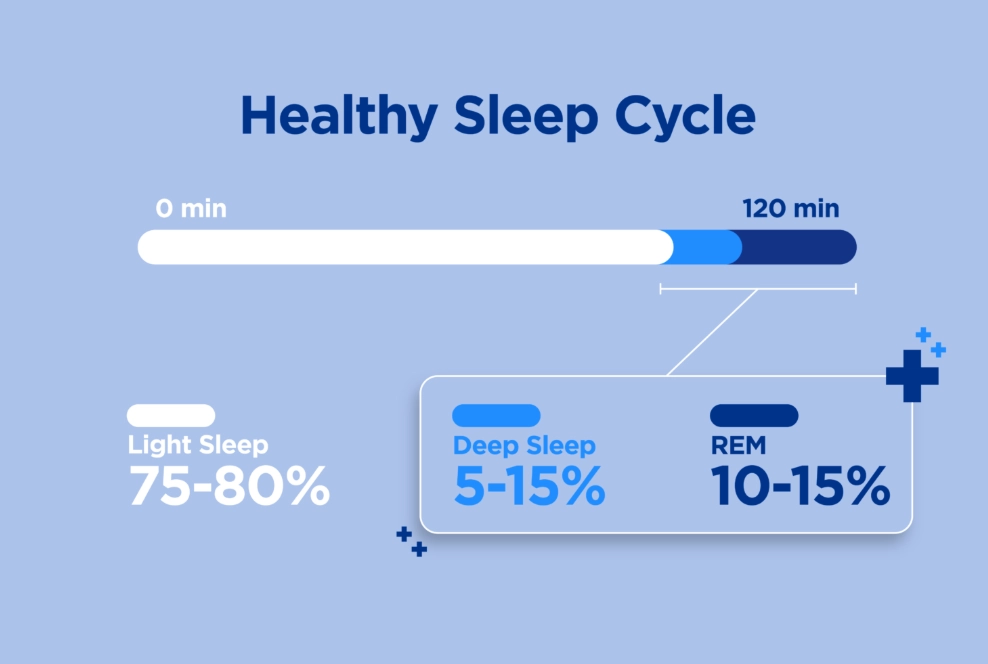
Think of it like building a house. You need a solid foundation, strong walls, and a proper roof—in the right order. Mess up the blueprint, and the whole structure is compromised. Your sleep works the same way.
Your Quick Guide to Healthy Sleep
Sleep Architecture: The Blueprint of Healthy Sleep
Sleep architecture describes the cyclical pattern of sleep stages we go through each night. A healthy architecture means progressing smoothly through these stages, spending the right amount of time in each, and completing several full cycles. It's the structure, not just the content, that makes sleep restorative.
Here’s the standard nightly cycle, broken down. You'll typically go through 4-6 of these cycles, each lasting about 90 minutes.
| Stage | What Happens | Why It's Vital |
|---|---|---|
| N1 (Light Sleep) | The transition from wakefulness to sleep. Muscles relax, heart rate slows. Easy to wake up. | Gateway into sleep. Poor N1 means more tossing and turning. |
| N2 (Light Sleep) | Body temperature drops, brain activity slows with brief bursts of activity called sleep spindles. | Occupies ~50% of the night. Crucial for memory consolidation and learning. Those sleep spindles are like your brain's filing system. |
| N3 (Deep Sleep) | Slow-wave sleep. Very difficult to wake from. This is when tissue repair, growth hormone release, and immune strengthening occur. | The physically restorative phase. Lack of deep sleep leaves you feeling physically exhausted, not just mentally tired. |
| REM Sleep | Rapid Eye Movement. Brain is active (dreaming), body is paralyzed (to prevent acting out dreams). Eyes dart back and forth. | The mentally restorative phase. Essential for emotional processing, creativity, and long-term memory. REM periods get longer in later cycles. |
The biggest mistake I see? People obsess over deep sleep trackers while completely ignoring their sleep continuity. Waking up 10 times a night, even if briefly, shatters this architecture. You might get "8 hours" on your tracker, but if it's fragmented, your brain never gets the uninterrupted time it needs to complete those deep N3 and long REM phases properly. It's like trying to watch a movie with constant buffering—you get the gist, but the experience is ruined.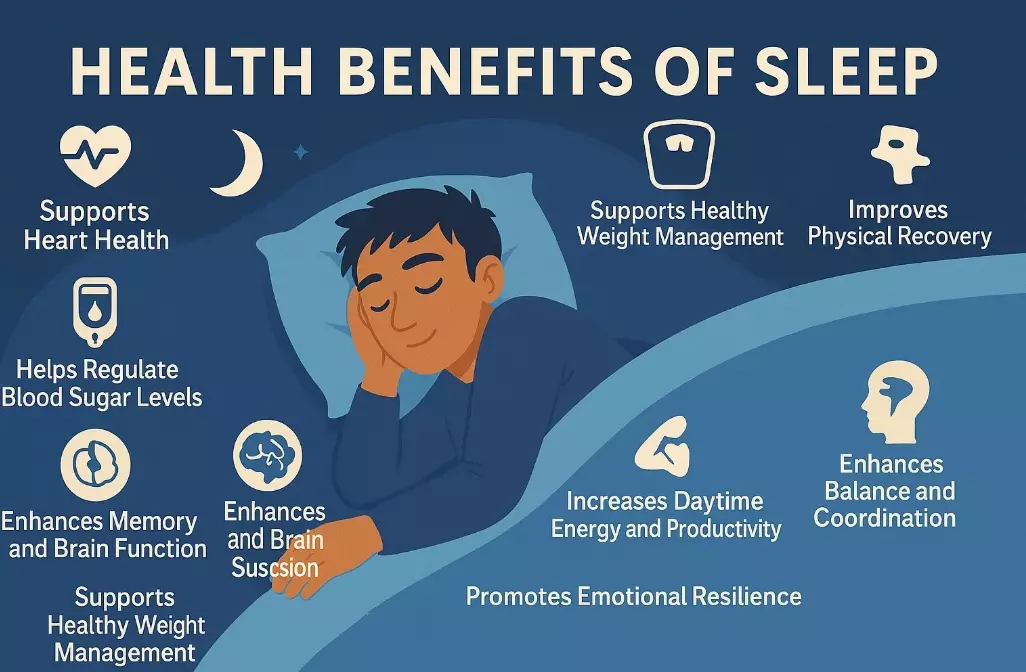
Key Takeaway: The healthiest form of sleep is characterized by uninterrupted cycles with sufficient time in both deep (N3) and REM sleep. Prioritize consolidated sleep over simply long sleep.
Beyond Stages: The 3 Forgotten Pillars of Sleep Health
If you only focus on sleep stages, you're missing the bigger picture. Based on guidelines from the American Academy of Sleep Medicine (AASM) and my own experience, true sleep health rests on three pillars.
1. Consistency (Your Sleep-Wake Schedule)
This is the most underrated factor. Your circadian rhythm thrives on predictability. Going to bed and waking up at wildly different times each day (even on weekends) is like giving your body constant jet lag.
I learned this the hard way after years of "catching up" on weekends. My Monday morning fog was brutal. Fixing my schedule did more for my energy than any supplement.
Aim to keep your bedtime and wake time within a 60-minute window, every single day.
2. Sleep Efficiency (Time Asleep vs. Time in Bed)
Spending 9 hours in bed but only sleeping 6.5 is poor sleep efficiency. It often indicates trouble falling asleep or staying asleep. High efficiency (85% or higher) is a marker of solid sleep health.
If you're lying awake for more than 20 minutes, get up. Go read a boring book in dim light. Train your brain that bed is for sleep, not for worry.
3. Subjective Feeling
Do you wake up feeling refreshed most days? Can you maintain focus without caffeine crashes? Your personal feeling matters. Don't let a sleep tracker's score completely override your own sense of well-being. Some people function great on 7 hours; others need 8.5. Listen to your body.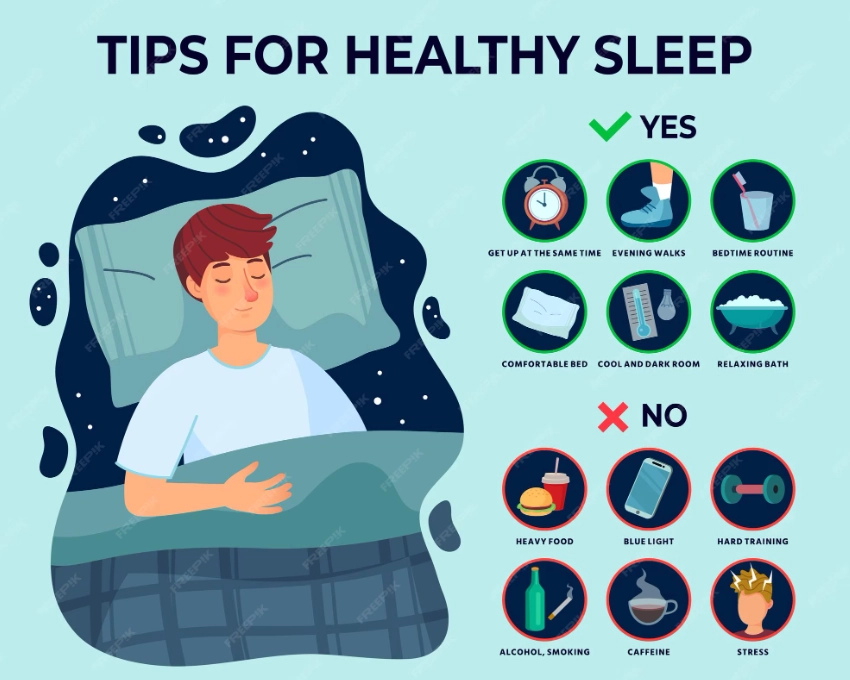
How to Improve Your Sleep Architecture (Action Plan)
You can't directly force yourself into deep sleep. But you can create the perfect conditions for your brain to build a healthy sleep architecture naturally. Here’s where to start.
Master Your Light Exposure
Light is the primary driver of your circadian rhythm. Get bright light (preferably sunlight) within 30-60 minutes of waking. This sets your internal clock. Conversely, dim the lights 2-3 hours before bed. Blue light from screens is a major disruptor—use night mode, but better yet, put the devices away.
Build a Pre-Sleep Buffer Zone
Your brain needs time to downshift. Create a 60-minute ritual that signals "sleep is coming." This is non-negotiable.
- Minus 60 minutes: Stop work and stressful conversations.
- Minus 45 minutes: Put away phones, tablets, laptops.
- Minus 30 minutes: Engage in a calming activity: read a physical book, listen to calm music, gentle stretching.
- Minus 10 minutes: Final bathroom trip, ensure room is cool, dark, and quiet.

Optimize Your Sleep Environment
This isn't just about a good mattress. The details matter.
- Temperature: Aim for 65-68°F (18-20°C). Your core body temperature needs to drop to initiate sleep.
- Darkness: Pitch black. Use blackout curtains and cover any LED lights. Even small amounts of light can fragment sleep.
- Sound: Consistent white noise (a fan, a white noise machine) can mask disruptive outside noises.
If you share a bed with a partner who snores or moves a lot, don't suffer. Seriously consider separate blankets or even separate beds if needed. Your sleep health is more important than a romanticized notion of sharing blankets.
Be Smart About Food & Drink
Avoid large, heavy meals 3 hours before bed. Your body shouldn't be digesting when it's trying to repair. Be cautious with alcohol—it may help you fall asleep, but it absolutely wrecks sleep architecture later in the night, suppressing REM sleep. Caffeine has a half-life of 5-6 hours; cut it off by early afternoon.
Your Top Sleep Questions, Answered
 Is napping good or bad for sleep health?
So, what is the healthiest form of sleep? It's consolidated, consistent, and cyclical. It respects your body's innate architecture. Stop chasing a single magic number or stage. Instead, build the habits that protect your sleep's natural structure. Start with your wake-up time and light exposure tomorrow morning. The rest of the architecture will follow.
Reader Comments