You've probably heard the standard advice: get 7-9 hours of sleep. But your life is packed. Between work, family, and maybe a sliver of personal time, squeezing in a full night feels impossible. So you cut it down to five. Maybe you've been doing it for months, even years. You function, right? You get things done. That nagging question sits in the back of your mind: is 5 hours of sleep enough for me to be healthy and productive?
Let's cut to the chase. For the overwhelming majority of adults, 5 hours of sleep is not enough for long-term physical and mental health. Organizations like the National Sleep Foundation and the Centers for Disease Control and Prevention (CDC) are crystal clear on this. Chronic short sleep is a form of sleep deprivation, and its effects are insidious, accumulating over time like a silent tax on your body and brain.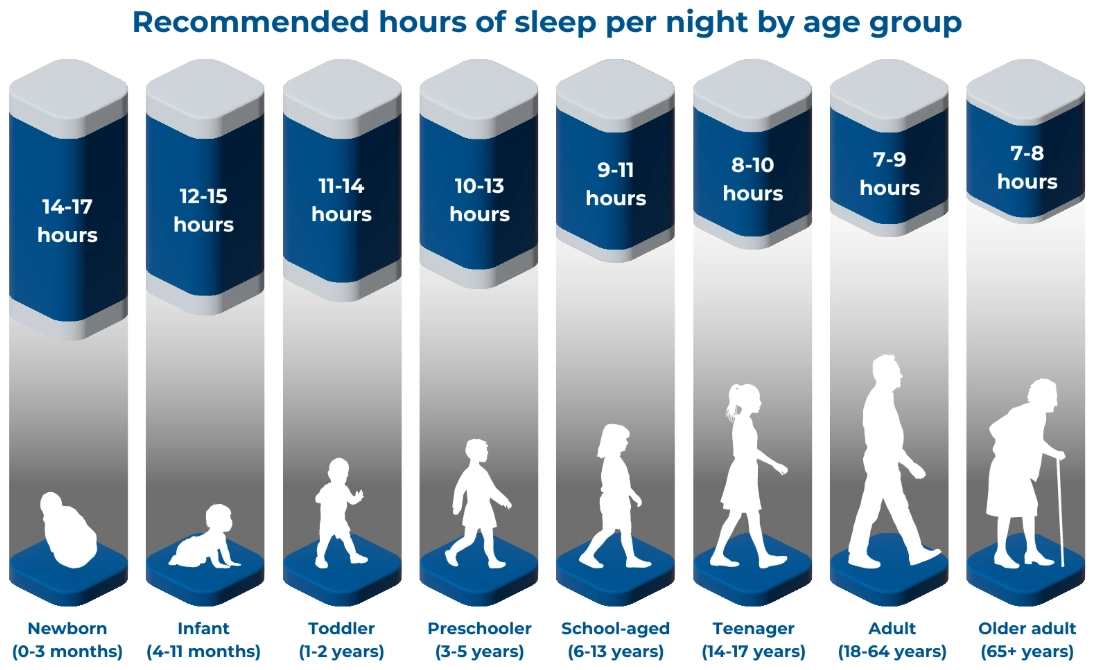
But this isn't just about scaring you with generic warnings. I've spent over a decade researching sleep patterns and coaching people on rest. The most common mistake I see isn't people ignoring sleep entirely; it's the sophisticated self-deception of the "high-functioning" short sleeper. They believe they've hacked the system. This article will dissect that belief with science, show you the real risks, explore the rare exceptions, and give you a concrete plan to assess—and fix—your own sleep.
What You'll Find in This Guide
The Short Answer and the Brutal Reality
Here's the uncompromising truth from decades of sleep research: consistently sleeping only 5 hours is linked to a significantly higher risk of early death from all causes. A massive review of studies published in the journal Sleep found that short sleep duration is a clear risk factor for mortality. We're not talking about feeling groggy; we're talking about a measurable impact on lifespan.
The official recommendation isn't a suggestion—it's a biological baseline. The American Academy of Sleep Medicine and the Sleep Research Society jointly state that adults aged 18-60 need 7 or more hours per night for optimal health. Dropping to 6 hours starts showing deficits. At 5 hours, you are in a state of significant sleep debt.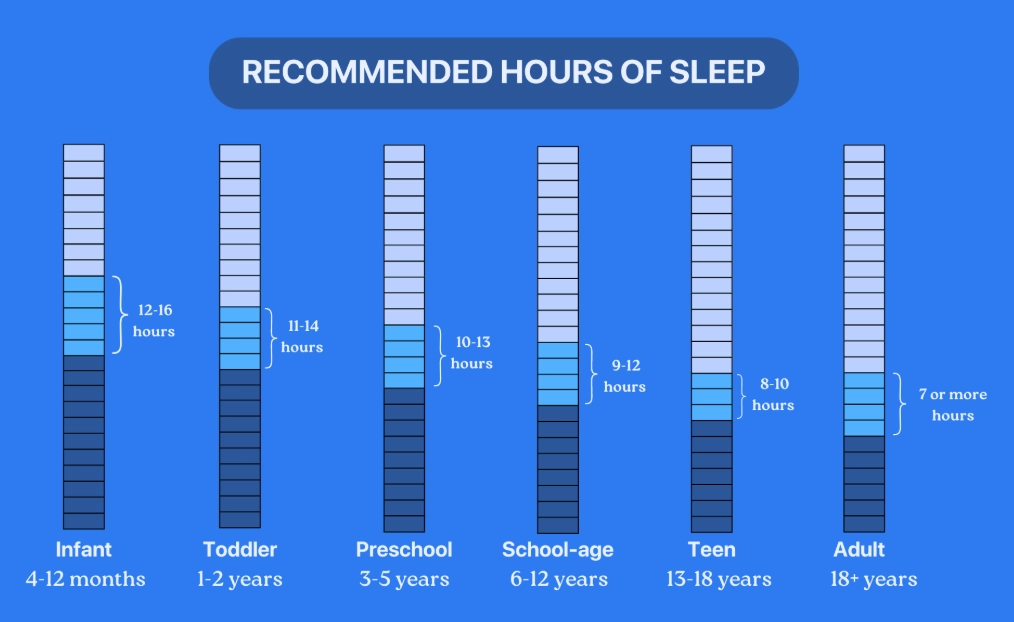
What Happens When You Only Get 5 Hours?
Thinking of sleep as just "downtime" is the first critical error. Sleep is an active, essential maintenance period for your entire system. Here’s what's breaking down on a 5-hour schedule:
Your Brain on a 5-Hour Fast
This is where the damage is most immediate, yet most denied. After just one night of 5 hours of sleep, your prefrontal cortex—the CEO of your brain responsible for decision-making, focus, and emotional control—is impaired. It's like running a high-performance engine with low-grade fuel.
You might feel "fine," but studies using fMRI scans show reduced connectivity in key brain networks. Your ability to learn and form new memories drops because sleep, particularly deep sleep and REM sleep, is when memories are consolidated. You're essentially saving files to a corrupted hard drive.
The Slow-Burn Physical Toll
The physical effects are slower but more dangerous. Your body uses sleep to regulate hormones, repair cells, and manage inflammation. Cut it short, and you throw these systems off balance.
| Bodily System | Effect of Chronic 5-Hour Sleep | Long-Term Risk |
|---|---|---|
| Metabolic & Hormonal | Increased ghrelin (hunger hormone), decreased leptin (satiety hormone), reduced insulin sensitivity. | Weight gain, obesity, Type 2 diabetes. |
| Cardiovascular | Elevated blood pressure, increased inflammation, higher resting heart rate. | Heart disease, stroke, hypertension. |
| Immune System | Reduced production of cytokines and infection-fighting cells. | More frequent illnesses, longer recovery times, poorer vaccine response. |
| Mental Health | Disrupted emotional processing, increased amygdala activity (fear center). | Higher susceptibility to anxiety, depression, and irritability. |
People often tell me, "I'll catch up on the weekend." Research from the journal Current Biology shows this "recovery sleep" can help a little with some metabolic markers, but it does not reverse the cognitive deficits accumulated during the week. The brain doesn't "catch up" that easily.
The Myth of the "Short Sleeper"
This is where it gets interesting. You've heard of people like Margaret Thatcher or Elon Musk claiming to thrive on 4-5 hours. This fuels the belief that maybe you're one of these genetic unicorns. The truth is more nuanced.
True "natural short sleepers" are incredibly rare—estimated at less than 1% of the population. They possess a specific genetic mutation (in genes like DEC2) that allows them to function normally on significantly less sleep without the health penalties. They wake up refreshed without an alarm.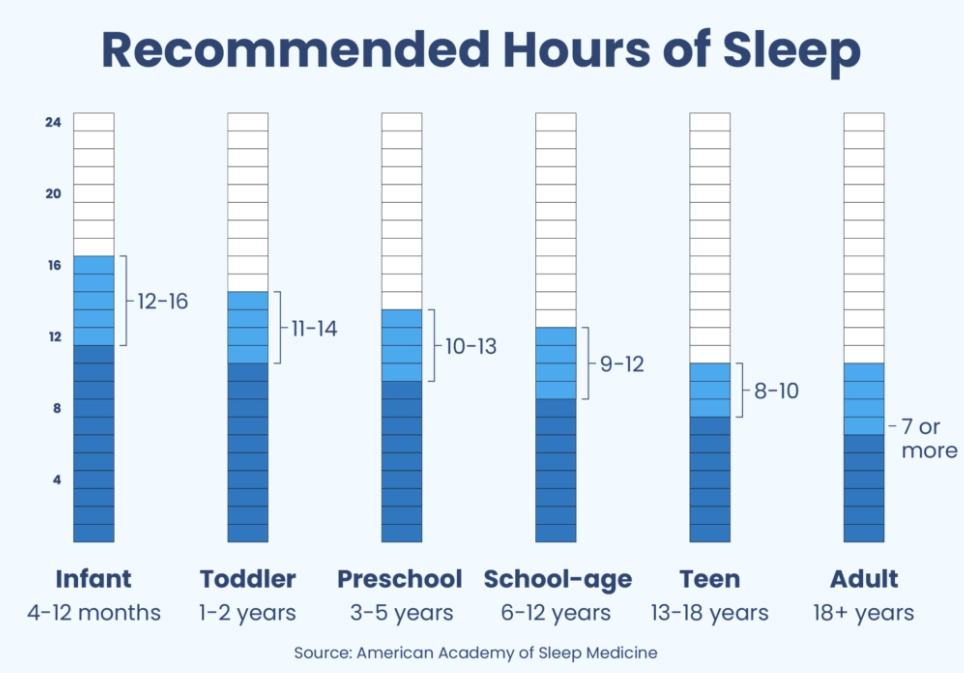
Here's the crucial distinction: A true short sleeper feels rested on 5 hours. A sleep-deprived person has adapted to feeling tired. They've forgotten what true alertness feels like. They rely on caffeine, stress hormones (cortisol), and sheer willpower to push through. This is not a superpower; it's a state of chronic stress.
I've met dozens of self-proclaimed short sleepers. When we dig deeper, most admit to needing multiple coffees to start the day, experiencing afternoon crashes, or having poor focus after lunch. That's not a genetic gift; that's sleep debt talking.
How to Truly Assess Your Sleep Needs
Forget the anecdotes. Let's get objective. Do this simple 3-step experiment over two weeks, ideally during a vacation or less stressful period:
Step 1: Reset. Go to bed when you naturally feel sleepy (not just bored). Don't set an alarm. Let yourself wake up naturally. Do this for at least 3-4 nights in a row to pay off your existing sleep debt.
Step 2: Observe. After the reset, maintain a consistent bedtime and continue waking without an alarm. Track how many hours you sleep over the next week. This average is much closer to your biological need.
Step 3: Test. How do you feel upon waking? Are you alert within 20 minutes? Can you maintain focus through the morning without stimulants? This subjective feeling, combined with the objective hours, tells the real story.
If you consistently wake up naturally after 7-8.5 hours feeling refreshed, you have your answer. If you're still crashing at 5 hours, you are almost certainly sleep-deprived and have simply acclimated to a lower baseline of functioning.
Practical Steps to Get More Sleep (Without Losing Your Mind)
Adding hours can feel daunting. Don't try to jump from 5 to 8 overnight. You'll just lie there frustrated. Think in 15-minute increments.
The 15-Minute Rule: For the next week, get into bed 15 minutes earlier than your usual time. Don't pressure yourself to sleep; just be there, lights out, device away. Read a physical book if you need to. The goal is to extend your opportunity for sleep. Once that feels normal, add another 15 minutes the following week.
Protect Your Wind-Down Hour: The hour before bed is non-negotiable territory. This isn't just about avoiding blue light (though that helps). It's about lowering your nervous system's activation. A hot shower, light stretching, or even just sitting quietly with no input tells your brain it's safe to shift into sleep mode. Scrolling through work emails or intense news does the exact opposite.
Fix Your Morning Light: Your sleep cycle is anchored by light exposure. Get bright light (preferably sunlight) within 30 minutes of waking. This resets your internal clock and makes it easier to feel sleepy at the right time later. It's one of the most powerful, underused tools we have.
Your Questions Answered
 My job demands long hours. How can I possibly prioritize more sleep?
 The bottom line is stark but liberating. For nearly everyone, asking "is 5 hours of sleep enough" is like asking if eating 800 calories a day is enough. You might survive, even function for a while, but you are slowly eroding the foundation of your health and potential. The goal isn't to chase some perfect number with anxiety, but to give your body the rest it biologically requires to repair, rebuild, and let you truly live at your best during the day. Start with 15 extra minutes tonight. Your future self will thank you.
Reader Comments