You wake up, grab your phone, and check your sleep tracker. There it is: a score. Maybe it's 82, or 75, or a disappointing 68. The first question that pops into your head is almost always the same: what is a good sleep quality score? Is my 82 something to celebrate, or just average? Should I be worried about a 68?
I've been obsessing over sleep data for years, both personally and professionally. I've watched my score swing from the high 90s after a perfect camping trip to the low 70s during stressful work weeks. Here's the truth most generic articles won't tell you: chasing a single "perfect" number is a trap. A good sleep score isn't a universal target; it's a personal benchmark and a diagnostic tool. This guide will move beyond the simple number to show you what it really means, how to interpret your data, and most importantly, what to actually do about it.
What You'll Find in This Guide
What Is a Sleep Score, Really? (It's Not Just One Thing)
Your sleep quality score is a simplified, composite metric generated by your wearable (like a Fitbit, Oura Ring, or Whoop) or smartphone app. It's not a direct measurement of how you feel. Instead, it's an algorithm's interpretation of various biometric signals it collects throughout the night.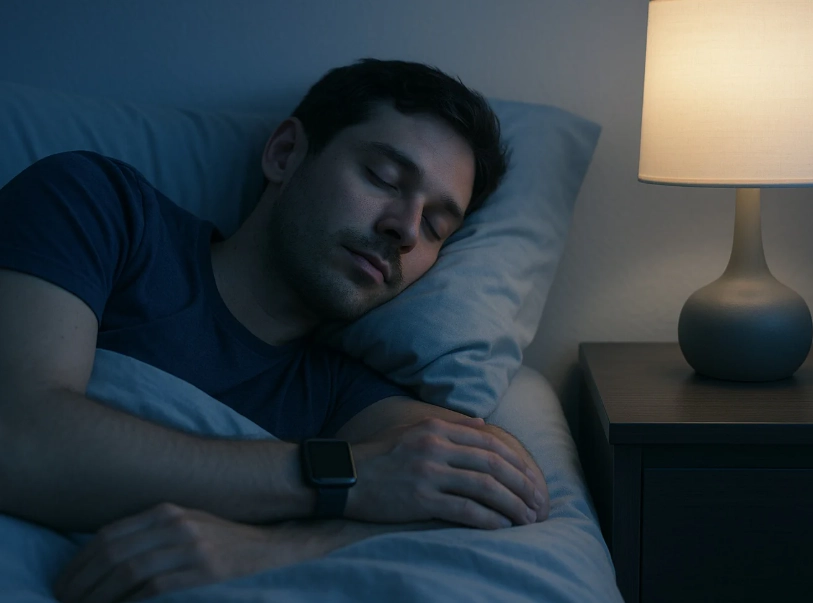
Think of it like a credit score for your sleep. Your credit score doesn't count your dollars; it analyzes your payment history, debt, and other factors to spit out a number that predicts financial reliability. Similarly, your sleep score analyzes duration, restlessness, heart rate, and sometimes blood oxygen to predict sleep quality.
The biggest mistake people make? Treating all scores as equal. A score of 85 on a Fitbit does not mean the same thing as an 85 on an Oura Ring. Each company uses its own secret sauce—different algorithms with different weightings for different metrics. Comparing your Garmin score to your friend's Apple Watch score is like comparing Fahrenheit to Celsius without a conversion chart.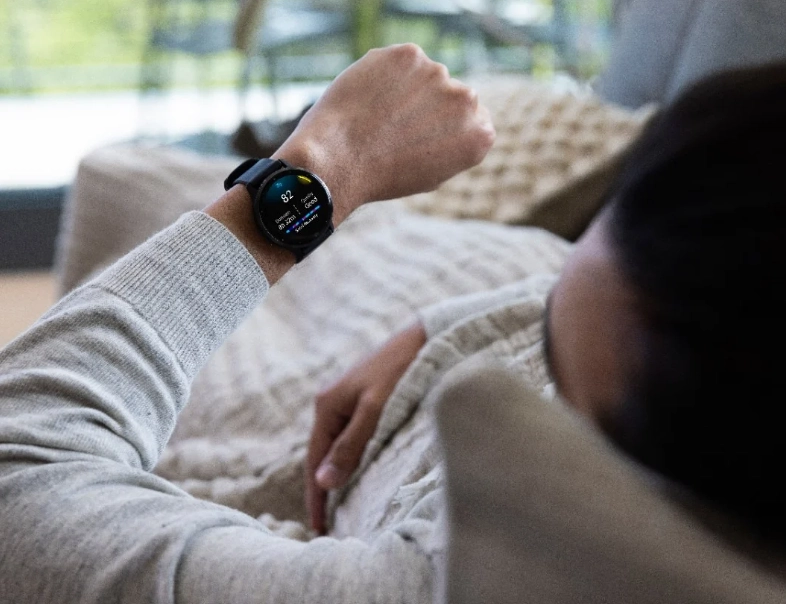
The "Good" Sleep Score Range: Benchmarks vs. Reality
Most major brands define their ranges similarly, but the thresholds vary. Here’s a consolidated look at what the numbers typically signify across platforms:
| Score Range | General Label | What It Usually Means | Personal Reality Check |
|---|---|---|---|
| 90-100 | Excellent / Optimal | Long duration, high efficiency, minimal disruptions, balanced sleep stages, and good restoration metrics (like low nighttime heart rate). | Don't expect this nightly. It's like getting an A+ on a test. Achievable, but requires near-perfect conditions. Great for a reference point. |
| 80-89 | Good / Very Good | Solid, restorative sleep. This is the target range for consistent sleep health. You likely woke up feeling pretty refreshed. | This is the sweet spot for sustainable health. If your average falls here, you're doing great. This is what most people should aim for as their baseline. |
| 60-79 | Fair / Average | Sleep had some issues: maybe shorter duration, more wake-ups, or lighter sleep than ideal. You might feel okay, but not fully recharged. | The most common range. It's not a red flag for one night (life happens!), but a consistent average here suggests room for improvement. |
| Below 60 | Poor | Significantly disrupted, short, or inefficient sleep. Strong correlation with feeling groggy, irritable, or cognitively slow the next day. | Pay attention. This score is your tracker urging you to look at the contributing factors—stress, environment, schedule, or health—and consider changes. |
So, what is a good sleep quality score? For most people and most algorithms, consistently scoring above 80 is a strong indicator of good sleep hygiene and restorative rest. But the number alone is useless without context.
I had a client who was fixated on hitting 90 every night. She'd get 88s and feel like a failure. But when we looked at her data, her 88s were on nights with 7.5 hours of sleep and perfect consistency. Her body simply didn't need more. Her "good" was an 88, not the arbitrary 90 she was chasing. The goal is to find your good.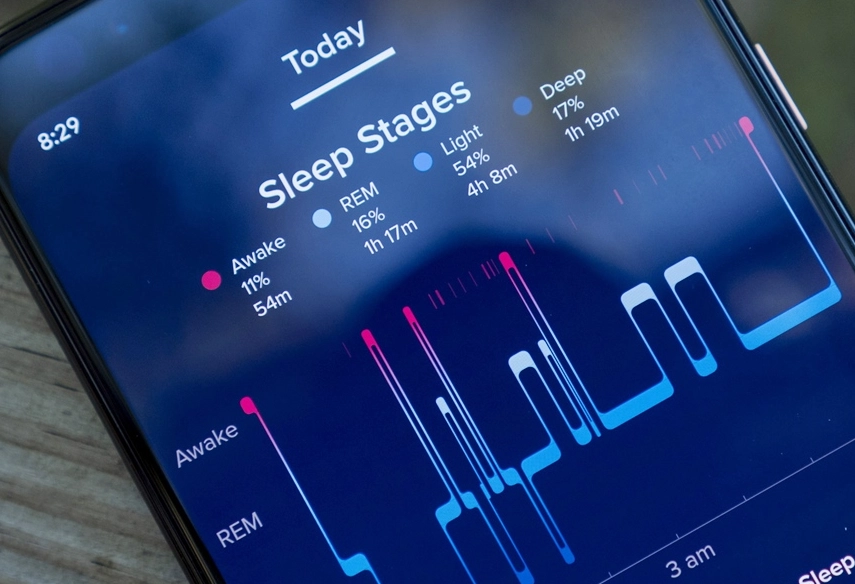
Breaking Down the Components: What Your Tracker Is Actually Measuring
To move from anxiety to action, you need to open the hood. Your overall score is built from several sub-scores. A drop in your total usually points to a dip in one or two of these areas.
1. Sleep Duration: The Foundation
This is the most straightforward. Most algorithms heavily weight getting enough time in bed (aiming for 7-9 hours for adults). But it's not just total time; it's time asleep. If you're in bed for 8 hours but it takes you 45 minutes to fall asleep and you're awake for 30 minutes in the middle, your duration score takes a hit.
2. Sleep Efficiency: The Quality of Your Time in Bed
This is the percentage of time you were actually asleep while in bed. If you spend 8 hours in bed but sleep for only 6.5 hours, your efficiency is 81% (6.5 / 8 * 100). Anything above 85% is generally considered good, with optimal above 90%. Low efficiency often points to insomnia symptoms, a poor sleep environment, or late-night screen time.
3. Sleep Stages (Deep, Light, REM): The Architecture
Trackers use heart rate variability and movement to estimate your sleep stages. This is the least accurate part for wearables (polysomnography in a lab is the gold standard), but trends over time can be insightful.
A common worry: "My tracker says I got no deep sleep!" This is almost always a sensor or algorithm glitch, not biological reality. Instead of fixating on one night's stage breakdown, look at your weekly averages. Are you consistently low on REM or deep sleep? That trend might be worth exploring.
4. Restoration Metrics: How Your Body Reacts
This is where high-end trackers shine. They look at data like:
- Resting Heart Rate (RHR) during sleep: A lower nighttime RHR often indicates better recovery.
- Heart Rate Variability (HRV): Generally, a higher HRV during sleep suggests a more resilient nervous system and better recovery.
- Restlessness / Awakenings: How many times you toss, turn, or are briefly awake. Fewer is better.
A night with decent duration but high restlessness and elevated heart rate might still yield a mediocre score because your body wasn't in a deeply restorative state.
How to Improve Your Sleep Score: Actionable Steps Based on Your Data
Now, the practical part. Don't just stare at the number—use it to diagnose and act. Here’s a targeted approach.
If your DURATION score is low: This is a schedule issue. Protect your sleep window like an important meeting. Calculate your necessary wake-up time and count back 7.5-8 hours. That's your non-negotiable bedtime. No "one more episode."
If your EFFICIENCY score is low: Your problem is in the transitions—falling asleep or staying asleep. Focus on the hour before bed. Dim lights. Stop screens (or use strict blue light filters). Try a boring, non-screen activity like light reading or listening to a calm podcast. Make your bedroom cool, dark, and quiet. If you're awake in bed for more than 20 minutes, get up, go to another dim room, and do that boring activity until you feel sleepy again.
If your RESTORATION metrics (HRV, RHR) are poor: Look at your daytime habits. High stress, excessive alcohol (especially close to bedtime), intense late-evening workouts, or poor diet can keep your nervous system on high alert all night. Work on daytime stress management (5 minutes of deep breathing does more than you think), finish exercise at least 2-3 hours before bed, and watch your alcohol intake.
If your RESTLESSNESS is high: Check your environment and comfort. Is your room too warm? Is your mattress uncomfortable? Do you have sleep apnea symptoms (loud snoring, gasping)? Do you have caffeine too late in the day? Address these physical disruptors.
Your Sleep Score Questions, Answered
My sleep score is 85 but I feel exhausted. My friend scores 75 and feels great. Which one of us is right?
Your friend is. Always, always trust your subjective feeling over the algorithm. The score is an educated guess based on common patterns, but it doesn't measure how you personally experience restoration. You might have an undetected sleep disorder (like alpha-wave intrusion) that makes sleep unrefreshing, or you might be fighting off an illness. The score is a data point; your energy, mood, and brain fog are the ultimate metrics. Use a low-feeling day with a high score as a cue to ask other questions about your health, not to dismiss how you feel.
Why does my sleep score vary wildly from night to night even when my routine feels the same?
Because your routine isn't the only variable. Sleep is incredibly sensitive to subtle shifts you might not notice: a slightly more stressful day, a meal with more sugar or salt, a change in room temperature, a different time for your last sip of water, or even where you are in your hormonal cycle. This variability is normal. Don't chase perfect consistency. Instead, look at your weekly average. That's your true baseline. The nightly fluctuations are just noise around the trend.
Is it worth getting a sleep tracker just for the score?
Only if you're the type of person who finds data motivating, not anxiety-inducing. For some, the score provides accountability and reveals invisible patterns (like how alcohol truly affects their rest). For others, it creates a toxic obsession. If you get one, commit to a 30-day experiment. Use it to learn your patterns, then decide if you want to keep checking it daily or just spot-check weekly. The real value isn't the nightly score; it's the multi-week insight into how your behaviors link to your sleep architecture and restoration.
Can I "hack" my sleep score by going to bed earlier or wearing my tracker differently?
You can game the duration metric by being in bed longer, but you'll likely tank your efficiency score if you're just lying there awake. The other metrics (HRV, RHR, restlessness) are much harder to fake. Wearing the tracker too loose can cause poor heart rate readings and ruin your data. The goal isn't to hack the score; it's to improve the sleep it's trying to measure. Focus on the behaviors that lead to genuinely better sleep, and the score will follow as an approximation.
So, what is a good sleep quality score? It's a personalized compass, not a universal report card. An 85 that leaves you feeling vibrant is a fantastic score. A 90 that leaves you drained is a data anomaly to investigate. Use the number as a starting point for curiosity, not as the final judge of your night. Dive into the components, link them to your lifestyle, and make one small, sustainable change at a time. That's how you turn a simple metric into genuinely better sleep.
Reader Comments